
Can you heat a dog house safely? Yes, you absolutely can heat a dog house safely with the right methods and precautions. Ensuring your canine companion stays warm and comfortable during colder months is vital for their health and well-being, especially if they spend a significant amount of time outdoors or have limited access to a heated indoor space. This guide will walk you through everything you need to know to provide a cozy and safe haven for your dog.
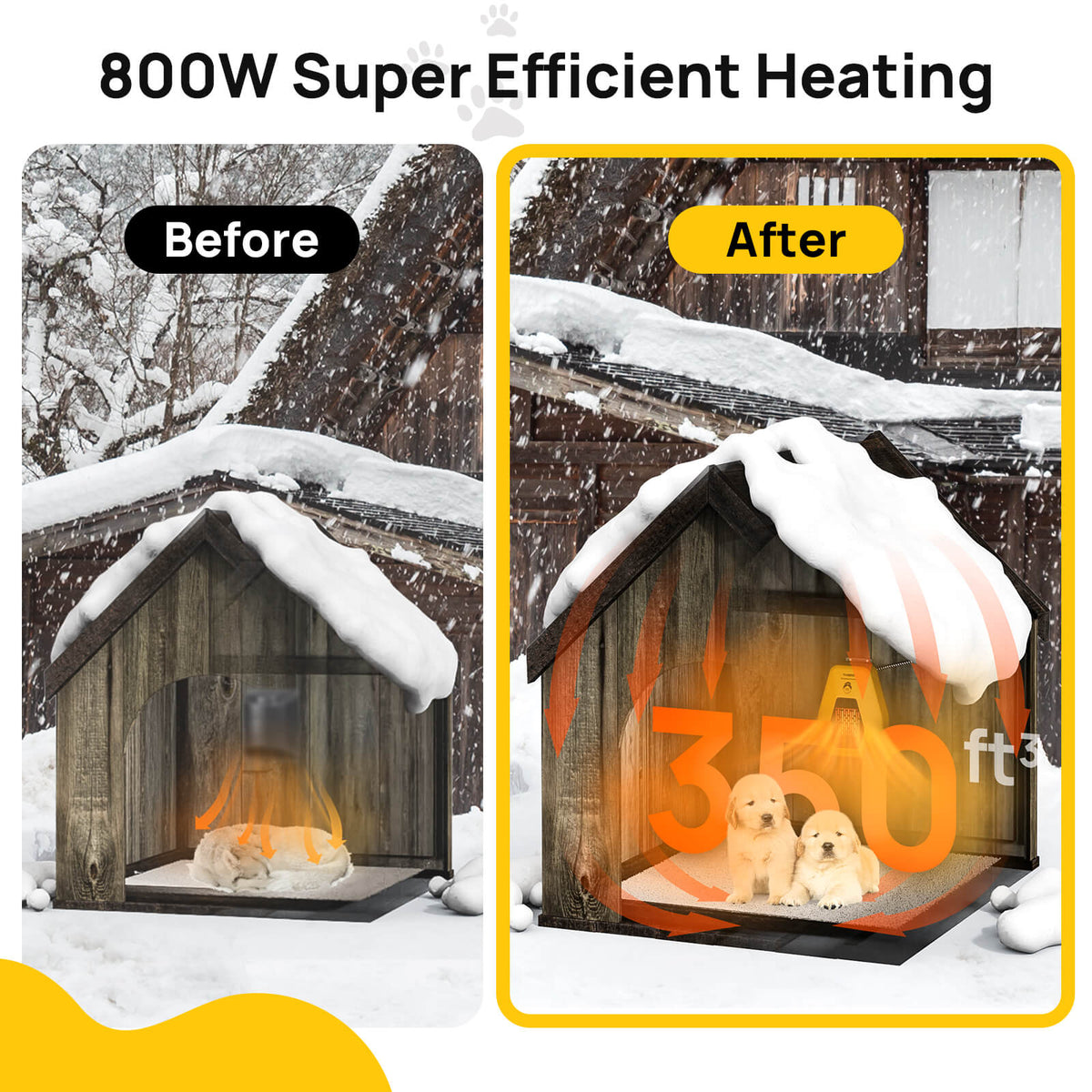
Image Source: www.turbro.com
Why Safe Heating Matters for Your Dog
Dogs, particularly those with short fur, elderly dogs, puppies, or breeds not accustomed to cold weather, can be susceptible to the dangers of the cold. Preventing hypothermia in dogs is a primary concern when temperatures drop. Hypothermia occurs when a dog’s body loses heat faster than it can produce it, leading to dangerous drops in body temperature. Symptoms can include shivering, lethargy, weakness, disorientation, and in severe cases, coma or death.
A well-heated dog house provides a crucial refuge from harsh elements like freezing temperatures, wind chill, and dampness. It’s not just about comfort; it’s about protecting your dog from weather-related illnesses and stress.
Essential Dog House Heating Strategies
There are several effective dog house warming solutions available, each with its own pros and cons. The best choice for you will depend on your dog’s specific needs, the climate you live in, and your budget.
1. Enhanced Dog House Insulation: The Foundation of Warmth
Before even thinking about adding a heat source, dog house insulation is paramount. A well-insulated dog house will retain heat much more effectively, meaning you’ll need less energy (and money) to keep it warm. Insulation acts as a barrier, preventing cold air from entering and warm air from escaping.
Improving Your Dog House’s Insulation
- Material Choices: Consider using materials like rigid foam board insulation (polystyrene or polyisocyanurate) for the walls, floor, and ceiling. These can be cut to fit snugly within the wall cavities or adhered to the interior surfaces. Avoid fiberglass insulation, as small fibers can be harmful if ingested by your dog.
- Double-Walled Construction: If you’re building a new dog house or modifying an existing one, opt for a double-walled design with an insulating material packed between the two layers.
- Raised Floor: Elevating the dog house off the ground by a few inches helps prevent heat loss through the floor into the cold earth. Use sturdy blocks or legs to lift it.
- Draft-Proofing: Seal any gaps or cracks with caulk or weather stripping. Pay close attention to the entrance, ensuring it’s sized appropriately to minimize drafts but still allows your dog easy entry and exit. A flap over the entrance can also significantly reduce heat loss.
- Bedding: Provide thick, dry bedding such as straw or cedar shavings. Straw is an excellent insulator as air pockets within it trap heat. Avoid blankets or towels, as they can absorb moisture and become cold and damp, making your dog colder. Regularly check and replace damp bedding.
2. The Benefits of an Electric Dog House Heater
An electric dog house heater is one of the most popular and effective ways to provide consistent warmth. These devices are designed to safely raise the temperature inside an enclosed space.
Types of Electric Dog House Heaters
- Heated Kennel Pads: These are flat, heated surfaces that lie on the floor of the dog house. They are designed to be safe for continuous use and provide a warm spot for your dog to lie on. Look for models with durable, chew-resistant cords and automatic thermostats.
- Enclosed Fan Heaters: Some dog house heaters are small, enclosed units that circulate warm air. These are typically designed with safety features like automatic shut-off if they overheat or are tipped over. Ensure the unit is specifically rated for outdoor or kennel use.
- Radiant Heat Panels: These panels mount on the ceiling or wall and emit infrared heat, warming objects and living beings in their vicinity without heating the air directly. They are often very energy-efficient and can provide a pleasant, consistent warmth.
Safety Considerations for Electric Dog House Heaters
When choosing and using an electric dog house heater, safety is paramount. This is where safe dog house heating truly comes into play.
- UL Certification: Always purchase heaters that are UL-certified or have similar safety certifications from reputable organizations. This indicates the product has met rigorous safety standards.
- Chew-Resistant Cords: Dogs, especially puppies, are prone to chewing. Ensure the heater has a heavy-duty, chew-resistant power cord. If the cord is exposed, consider running it through a sturdy, metal conduit to protect it.
- Thermostat Control: Opt for a heater with an adjustable thermostat. This allows you to set a comfortable temperature and prevents overheating. Many models have built-in thermostats that maintain a specific temperature range, often around 50-70°F (10-21°C), which is ideal for most dogs.
- Enclosed Heating Elements: The heating element should be completely enclosed to prevent direct contact with your dog. This is a critical safety feature to avoid burns.
- Placement: Position the heater so it doesn’t directly contact bedding or walls that could be flammable. Allow adequate clearance around the unit as per the manufacturer’s instructions.
- Weatherproofing: If the heater is designed for outdoor use, ensure it is appropriately rated for the conditions it will be exposed to, including moisture and wind.
- Regular Inspection: Periodically check the heater, its cord, and the power outlet for any signs of damage, fraying, or wear.
3. Heated Dog Kennel Options: A Comprehensive Solution
For those with multiple dogs or larger outdoor enclosures, a heated dog kennel might be the most suitable option. These are often larger, more robust systems.
Custom Solutions for Heated Kennels
- In-Floor Heating: Similar to radiant floor heating in homes, heated cables can be installed beneath the floor of a kennel. This provides a gentle, pervasive warmth. This is a more involved installation and best suited for permanent kennel structures.
- Thermostatically Controlled Heat Lamps: While some heat lamps can be used, they must be installed with extreme caution to prevent fire hazards and burns. They should be mounted high, shielded, and securely fastened. This is generally a less recommended option due to the inherent risks.
- Dedicated Kennel Heating Units: Specialized units are available that are designed to heat larger kennel spaces efficiently and safely. These often incorporate advanced temperature controls and safety features.
4. Alternative and Supplemental Heating Methods
While electric heaters are common, other methods can be used, particularly for supplemental warmth or in situations where electricity isn’t readily available.
- Kerosene or Propane Heaters (Use with Extreme Caution): These are generally not recommended for heating dog houses due to the significant risks of carbon monoxide poisoning, fire, and oxygen depletion. If you must consider such a method, it should only be in a very large, extremely well-ventilated space, with constant monitoring and strict adherence to manufacturer guidelines. This is an advanced and high-risk option.
- Sunlight and Reflective Surfaces: During the day, position the dog house to capture maximum sunlight. Reflective materials around the dog house can help concentrate sunlight, providing passive warming.
- Ventilation: While it might seem counterintuitive, proper ventilation is crucial even when heating. It prevents moisture buildup, which can lead to a colder environment and potential respiratory issues for your dog. Ensure there’s a small, draft-controlled vent to allow for fresh air circulation.
Ensuring Winter Dog House Safety
Winter dog house safety extends beyond just providing a heat source. It involves a holistic approach to your dog’s environment.
Temperature Monitoring
- Thermometer: Place a simple outdoor thermometer inside the dog house to accurately gauge the temperature. This helps you ensure your chosen heating method is working effectively and not overheating or under-heating the space.
- Your Dog’s Behavior: Observe your dog closely. Are they spending more time in the dog house? Are they restless or shivering? These are signs that the temperature might not be adequate. Conversely, if they are panting or trying to escape the heat, it might be too warm.
Keeping Bedding Dry
Moisture is the enemy of warmth. Wet bedding can quickly make your dog cold, even in a heated space.
- Regular Checks: Inspect bedding daily, especially after rain or snow. Remove and replace any damp materials.
- Waterproof Covers: Consider a waterproof, breathable cover for any elevated dog beds inside the house.
Food and Water Access
- Insulated Bowls: Use insulated food and water bowls to prevent contents from freezing.
- Elevated Bowls: Placing bowls on a raised platform can help prevent them from sitting in snow or ice.
- Frequent Replenishment: Ensure fresh, unfrozen water is always available.
Breed-Specific Considerations
Different breeds have different tolerances for cold.
- Short-haired breeds: (e.g., Greyhounds, Boxers, Beagles) require more significant heating and protection.
- Double-coated breeds: (e.g., Huskies, German Shepherds, Golden Retrievers) have natural insulation but can still be affected by extreme cold, especially if wet.
- Small breeds and elderly dogs: are more vulnerable and need extra attention.
Selecting the Right Dog House Heater: A Decision Framework
Here’s a table to help you weigh your options when choosing a dog house heater:
| Feature | Heated Pad/Mat | Enclosed Fan Heater | Radiant Heat Panel |
|---|---|---|---|
| Heat Distribution | Targeted warmth on a surface | Circulates warm air throughout the space | Warms objects and surfaces directly |
| Energy Efficiency | Generally good for localized warmth | Moderate | Very good, efficient heating |
| Safety Features | Low wattage, chew-resistant cords common | Overheat/tip-over protection, enclosed | Safe surface temperature, robust design |
| Installation | Simple, place on floor | Requires mounting, secure placement | Mounts to ceiling or wall |
| Best For | Dogs who like to lie down, smaller spaces | Medium to larger spaces, good circulation | Consistent, ambient warmth, larger areas |
| Potential Risks | If cord is damaged, can be a hazard | Tip-over risk if not secured, cord damage | Cord damage, improper mounting |
| Cost | Moderate | Moderate to High | Moderate to High |
Frequently Asked Questions About Heating Dog Houses
Q1: How warm does a dog house need to be?
A1: A good target temperature range for a dog house is between 50°F and 70°F (10°C and 21°C). The ideal temperature can vary based on your dog’s breed, age, health, and coat. Always monitor your dog’s behavior for signs of discomfort.
Q2: Can I use a regular space heater in a dog house?
A2: It is generally not recommended to use a standard indoor space heater in a dog house. They are not designed for outdoor conditions, may not have adequate safety features for animal enclosures, and can pose fire risks. Look for pet safe heating options specifically designed for kennels or outdoor use.
Q3: Is a heated dog house safe for my puppy?
A3: Yes, a heated dog house is very beneficial for puppies, as they have a harder time regulating their body temperature. Ensure the heating method is safe, such as a low-wattage heated pad with a chew-resistant cord, and that the temperature doesn’t become too hot.
Q4: What is the best insulation for a dog house?
A4: Rigid foam board insulation (like polystyrene or polyisocyanurate) is excellent for dog house insulation. It’s effective, moisture-resistant, and easy to work with. Avoid fiberglass insulation. Ensure all gaps are sealed to prevent drafts.
Q5: How do I keep my dog’s water from freezing in their dog house?
A5: Use an insulated water bowl or a heated water bowl designed for outdoor use. You can also bring water in and out more frequently, ensuring it’s always fresh and unfrozen when you give it to your dog.
Q6: Can I use straw as bedding in a heated dog house?
A6: Yes, straw is an excellent insulator for dog houses, even when heated. Its ability to trap air helps retain warmth. Just ensure it stays dry, as wet straw loses its insulating properties and can make your dog colder.
Q7: What are the risks of not heating a dog house in winter?
A7: The primary risk is preventing hypothermia in dogs. Dogs can also suffer from frostbite, dehydration (if water freezes), and generally experience increased stress and illness due to prolonged exposure to cold.
By prioritizing dog house insulation, choosing the right dog house heater, and implementing winter dog house safety measures, you can transform your dog’s outdoor shelter into a warm, secure, and comfortable retreat. Your furry friend will thank you with wagging tails and contented snoozes, no matter how cold it gets outside.