
What do you do immediately after your dog has a seizure? The first priority is to ensure your dog’s safety and comfort. Keep the area around them clear of furniture or objects they could injure themselves on. Speak calmly and reassuringly. Do not try to hold your dog down or put anything in their mouth.
Experiencing a seizure in your beloved dog can be a terrifying and confusing event. As an owner, knowing what to do after a dog seizure can make a significant difference in your pet’s well-being and recovery. This guide will walk you through the essential steps of canine seizure first aid, providing comprehensive advice for post-seizure care for dogs, dog seizure recovery, and ongoing dog seizure management. We aim to equip you with the knowledge to confidently handle these situations, offering crucial dog seizure emergency advice and supporting your pet through their dog seizure symptoms and recovery. This information is vital for aftercare for dogs with epilepsy and generally for helping a dog that had a seizure. We also touch on pet seizure support for owners navigating this challenging aspect of pet ownership.
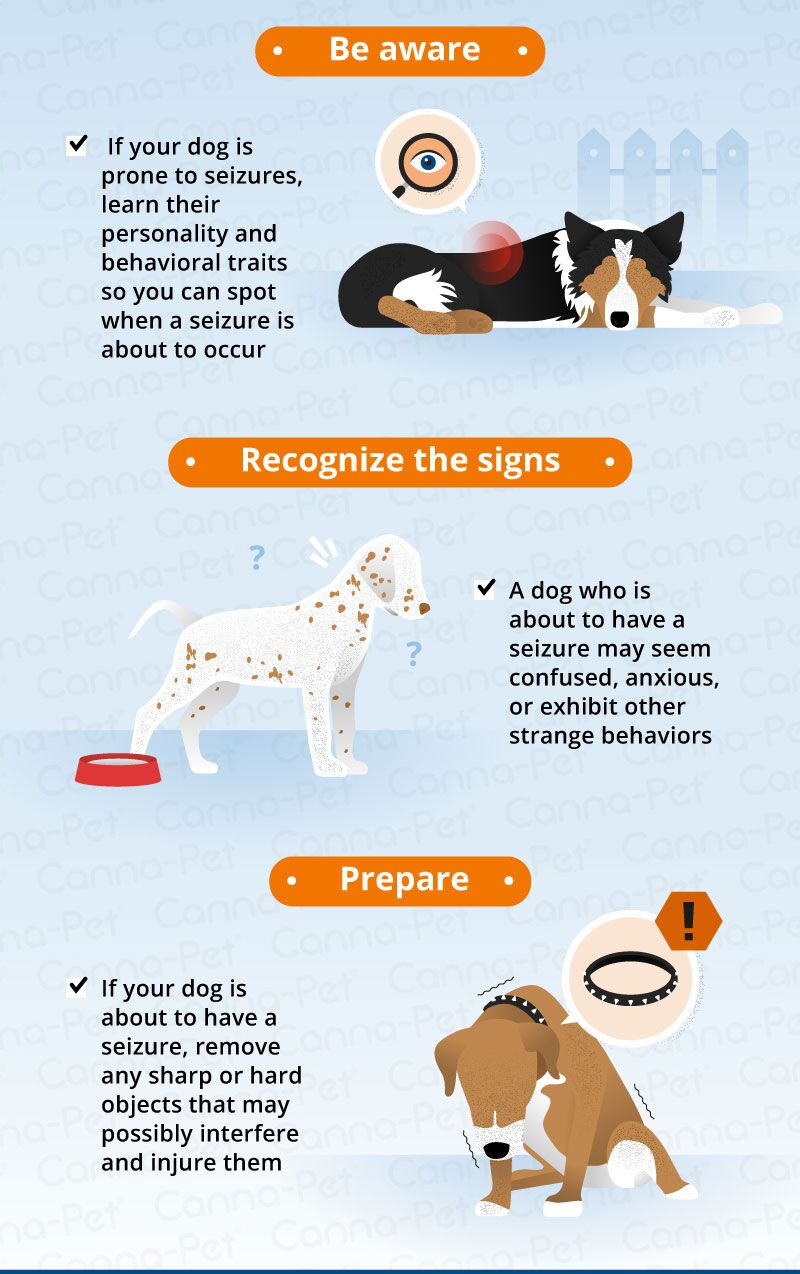
Image Source: cdn-ilbfemn.nitrocdn.com
Immediate Actions During and After a Seizure
When your dog is actively seizing, your role is primarily to be a quiet, safe presence.
During the Seizure
- Safety First: Move any furniture or objects that could harm your dog. If the seizure is happening near stairs or a busy area, gently guide them away if possible without interfering with the seizure itself.
- Time the Seizure: Note the exact time the seizure starts and ends. This information is crucial for your veterinarian.
- Do Not Restrain: Never try to hold your dog down or put your hands in their mouth. They are not aware of what they are doing and could bite unintentionally.
- Keep Others Away: Ensure children and other pets are kept at a safe distance so they do not get stressed or accidentally interfere.
- Record Observations: If you have a phone handy and can do so safely, record a video of the seizure. This can be invaluable for your vet. Note the type of movements, any vocalizations, and if there was any loss of bladder or bowel control.
Immediately After the Seizure (The “Post-Ictal” Phase)
This is the critical phase where your dog is coming out of the seizure. It’s often characterized by confusion and disorientation.
- Continue to Speak Calmly: Your dog may not recognize you initially. Use a soft, soothing tone.
- Provide a Safe, Quiet Space: Guide them gently to a comfortable resting spot, away from noise and activity.
- Offer Water: Once your dog is fully alert and able to swallow without difficulty, offer them a small amount of fresh water.
- Observe for Changes: Monitor their behavior closely. They might be unsteady on their feet, temporarily blind, or disoriented.
Factors to Consider When Helping Your Dog
Several elements can influence how you approach your dog’s post-seizure care and what steps you take.
Understanding Seizure Types and Duration
Seizures can manifest in various ways, from subtle twitching to violent full-body convulsions. The duration is also a key factor in determining the urgency of veterinary intervention.
Common Seizure Manifestations:
- Generalized Seizures: These involve the entire body, often with loss of consciousness, paddling limbs, jaw chomping, and vocalization.
- Focal Seizures: These affect only a part of the body, like a leg or one side of the face, and consciousness may or may not be impaired.
- Psychomotor Seizures: These can involve unusual behaviors like sudden aggression, chasing tails, or fly-biting.
Seizure Duration:
- Brief Seizures: Typically last from a few seconds to a couple of minutes.
- Prolonged Seizures: Seizures lasting longer than five minutes are considered an emergency.
- Cluster Seizures: Multiple seizures occurring within a 24-hour period.
Recognizing Signs of Distress
It’s important to be able to differentiate between normal post-seizure confusion and signs of distress that require immediate veterinary attention.
Signs of Distress:
- Persistent disorientation: If your dog remains confused and unresponsive for more than an hour.
- Difficulty breathing: Labored or rapid breathing.
- Gastrointestinal issues: Vomiting or diarrhea that doesn’t resolve quickly.
- High body temperature: Seizures can sometimes cause a rise in body temperature.
- Recurrent seizures: If your dog has another seizure shortly after the first one.
Veterinary Consultation and Diagnosis
A seizure event is always a signal to seek professional veterinary advice.
When to Contact Your Veterinarian
Immediate veterinary attention is crucial in certain situations:
- First-Time Seizures: If your dog has never had a seizure before.
- Prolonged Seizures: Any seizure lasting longer than five minutes.
- Cluster Seizures: If your dog has multiple seizures within a short period.
- Injuries: If your dog injured themselves during the seizure.
- Unusual Symptoms: If your dog exhibits other concerning symptoms alongside the seizure.
Diagnostic Tests and What to Expect
Your veterinarian will conduct a thorough examination and may recommend various tests to determine the cause of the seizures and the best course of action.
Common Diagnostic Procedures:
- Neurological Examination: To assess your dog’s reflexes, coordination, and mental status.
- Blood Tests: Complete blood count (CBC), biochemical profile, and thyroid hormone levels can help identify underlying causes like metabolic imbalances or toxins.
- Urinalysis: To check for kidney function and urinary tract infections.
- Imaging:
- X-rays: To rule out physical trauma.
- Ultrasound: To examine internal organs.
- MRI or CT Scan: More advanced imaging techniques that can provide detailed images of the brain and help detect structural abnormalities.
- Cerebrospinal Fluid (CSF) Analysis: To check for inflammation or infection in the central nervous system.
- Electroencephalogram (EEG): While less common in routine veterinary practice, an EEG can measure brain activity and confirm seizure activity.
Ongoing Dog Seizure Management and Aftercare
Once a diagnosis is made, a management plan will be developed to help control future seizures and ensure your dog’s quality of life.
Medications and Treatment Plans
The goal of treatment is to reduce the frequency and severity of seizures.
Common Anti-Seizure Medications:
- Phenobarbital: A widely used medication that is effective but requires regular monitoring of blood levels.
- Potassium Bromide: Often used in conjunction with phenobarbital for better seizure control.
- Levetiracetam (Keppra): A newer medication with fewer side effects for some dogs.
- Zonisamide: Another option that can be effective for certain types of seizures.
It’s critical to administer medications exactly as prescribed by your veterinarian. Never stop or change dosages without consulting them, as this can trigger dangerous seizure activity.
Lifestyle Adjustments for Dogs with Epilepsy
Living with a dog that has epilepsy requires some adjustments to ensure their safety and well-being.
Environmental Safety:
- Secure Your Home: Remove potential hazards like open staircases or swimming pools.
- Supervise Outdoors: Always supervise your dog when they are outside, especially if they have a history of seizures.
- Avoid Triggers: While not always identifiable, some dogs may have specific triggers like loud noises, flashing lights, or certain foods. Keep a log to identify potential patterns.
Diet and Nutrition:
- Balanced Diet: Ensure your dog is on a high-quality, balanced diet. Some studies suggest that medium-chain triglyceride (MCT) oil may have some benefit in seizure management for some dogs, but always discuss dietary changes with your vet.
- Consistent Feeding Schedule: Maintain a regular feeding schedule, as fluctuations in blood sugar can sometimes influence seizure activity.
Exercise and Mental Stimulation:
- Moderate Exercise: Regular, moderate exercise is beneficial for overall health. Avoid overexertion, especially during hot weather, as overheating can sometimes be a trigger.
- Mental Engagement: Continue to provide mental stimulation through training and puzzle toys. This keeps their minds active and helps prevent boredom.
Monitoring and Record Keeping
Consistent monitoring and detailed record-keeping are essential for effective dog seizure management.
What to Track:
- Date and Time of Seizures: As noted during the event.
- Duration of Seizures: How long each seizure lasted.
- Type of Seizure: Observed behaviors (paddling, vocalizing, etc.).
- Pre-Seizure Behavior: Any unusual actions or changes in behavior before the seizure.
- Post-Seizure Behavior: Level of confusion, duration of disorientation.
- Medication Administration: Times and dosages given.
- Any Other Relevant Observations: Changes in appetite, activity level, or new symptoms.
This detailed log will be invaluable for your veterinarian in assessing the effectiveness of the treatment plan and making necessary adjustments.
Providing Pet Seizure Support for Owners
Coping with a pet’s seizure disorder can be emotionally taxing for owners. Seeking support is important.
Emotional Impact on Owners
It’s natural to feel worried, stressed, and even guilty when your dog experiences seizures. You are not alone.
Resources for Support
- Veterinary Professionals: Your vet is your primary source of information and support. Don’t hesitate to ask questions.
- Online Communities: Many online forums and social media groups connect pet owners dealing with epilepsy. Sharing experiences and advice can be very helpful.
- Pet Loss Support Groups: If your dog’s condition becomes severe, these groups can also offer support for managing chronic illness.
Frequently Asked Questions (FAQ)
Can my dog die from a seizure?
While it’s rare for a single, short seizure to be fatal, prolonged seizures (status epilepticus) or cluster seizures can be life-threatening and require immediate emergency veterinary care.
How long does dog seizure recovery typically take?
Recovery time varies greatly. Some dogs recover quickly within minutes to an hour, while others may remain disoriented for several hours. With proper management, many dogs can lead normal, happy lives between seizures.
Is my dog in pain during a seizure?
Dogs are typically unconscious or have significantly altered consciousness during a seizure, so they do not experience pain in the way we might expect. However, the underlying cause of the seizure could involve pain or discomfort.
What if my dog has a seizure while I’m away from home?
If your dog has a seizure when you are not present, it’s crucial to inform anyone who cares for your dog about what to do and to seek veterinary advice as soon as possible after discovering the event. Ensure they have your vet’s contact information.
Can diet cause seizures in dogs?
While specific dietary deficiencies or excesses can contribute to seizures, the most common cause of seizures is often neurological. However, certain dietary changes or the introduction of new foods could potentially trigger seizures in susceptible dogs. Always consult your vet before making significant dietary changes.
What is the prognosis for dogs with epilepsy?
The prognosis varies depending on the underlying cause of the seizures. Idiopathic epilepsy (epilepsy with no identifiable cause) can often be managed effectively with medication, allowing dogs to live good quality lives. For secondary epilepsy (caused by brain tumors, infections, etc.), the prognosis depends on the specific condition.
Conclusion: Your Role in Your Dog’s Health
Helping a dog after a seizure involves remaining calm, ensuring their safety, and seeking prompt veterinary care. By familiarizing yourself with dog seizure symptoms and recovery, implementing consistent post-seizure care for dogs, and working closely with your veterinarian on dog seizure management, you can provide the best possible support for your canine companion. Remember that helping a dog that had a seizure is an ongoing process, and your vigilance and care are paramount to their well-being and dog seizure recovery. If you have a dog with epilepsy, consistent aftercare for dogs with epilepsy is key, and seeking pet seizure support for yourself is also important. This comprehensive approach to canine seizure first aid and dog seizure emergency advice will empower you to navigate these challenging moments with confidence and love.