
Yes, you absolutely can play hide and seek with your dog! It’s a fantastic way to engage their natural instincts, provide mental stimulation, and strengthen your bond. This guide will walk you through everything you need to know to play these fun games with your furry friend.
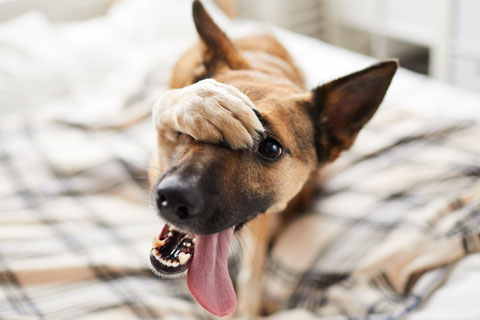
Image Source: www.wshs-dg.org
Why Play Hide and Seek With Your Dog?
Playing games with your dog is more than just fun; it’s crucial for their well-being. Hide and seek, in particular, taps into a dog’s innate desire to use their nose and problem-solve. These dog training games offer significant benefits, including:
- Mental Stimulation: Dogs need mental challenges just as much as physical exercise. Hide and seek provides this by requiring them to think, search, and overcome obstacles.
- Bonding: Working together to find you or their favorite toy builds trust and communication between you and your dog.
- Instinctual Fulfillment: Many breeds have a natural inclination to search and track. These dog hiding games satisfy these deeply rooted behaviors.
- Confidence Building: Successfully finding you or a hidden item boosts your dog’s self-esteem.
- Energy Outlet: For dogs with a lot of energy, these games can be a great way to burn it off, especially during times when longer walks aren’t possible.
- Problem-Solving Skills: Your dog learns to think creatively to locate you or their treasure.
- Reinforcing Recall: Playing hide and seek can be a fun way to practice your dog’s recall command.
Getting Started: The Basics of Canine Hide and Seek
Before you dive into hiding, ensure your dog has a solid foundation. A good recall command is essential. They need to know that when you call them, they should come to you. This game is also a great way to improve your dog recall games.
Essential Commands to Know
- Sit/Stay: This is crucial for the “hider” to prepare their hiding spot.
- Come/Recall: This is what your dog will use to find you.
- Find It: This command can be taught to help your dog understand they are looking for something specific.
Gathering Your Supplies
You don’t need much to start playing canine hide and seek.
- High-Value Treats: Small, tasty treats your dog loves are perfect for rewarding success.
- Favorite Toys: A squeaky toy or a well-loved plush can be the “hiding object.”
- Patience and Enthusiasm: Your positive attitude is key!
The “You Hide” Game: Simple Steps for Beginners
This is the classic version of hide and seek, where your dog finds you. It’s a great starting point for indoor dog games or outdoor dog games.
Step-by-Step Guide
- Get Your Dog Situated: Ask your dog to “Sit” and “Stay.” If they are still learning, have another person hold them, or use a long leash tethered to a stable object.
- Choose Your Hiding Spot: Start simple. A doorway or behind a couch is ideal for the first few tries. Make sure the spot isn’t too complex or scary for your dog.
- Make Your Escape: While your dog is in their “Stay,” quietly move to your chosen spot and hide. Try not to make too much noise.
- Give the “Go Find” Command: Once you’re hidden, call out enthusiastically, “Where’s [Dog’s Name]?” or “Go find it!”
- Reward the Discovery: When your dog finds you, praise them lavishly! Give them a treat and lots of happy talk. This positive reinforcement is key to making the game enjoyable for them.
- Repeat and Progress: Gradually increase the difficulty of your hiding spots as your dog gets better. Move to slightly more challenging locations, like behind furniture with more corners or in a different room.
Tips for Success
- Keep it Short: Especially at first, keep sessions brief to maintain your dog’s interest.
- Don’t Overcomplicate: Start with easy hides. The goal is for your dog to succeed and have fun.
- Be Exciting: Your tone of voice and body language should convey fun and anticipation.
- Avoid Frustration: If your dog seems confused or frustrated, make the next hide easier.
- Use a Consistent Cue: Always use the same phrase to signal the start of the game.
The “Toy Hide” Game: Engaging Their Scent Drive
This version focuses on your dog using their nose to find a hidden toy or treat. It’s excellent for dog enrichment activities.
Step-by-Step Guide
- Choose the Object: Select a favorite toy or a few high-value treats.
- Show and Tell: Let your dog see you hide the object. This helps them associate the action with the target.
- Introduce the Command: Say, “Find it!” or “Go get it!” as you place the object.
- Let Them Search: Release your dog to find the item.
- Praise and Repeat: When they find it, celebrate! If they’re struggling, give them a little hint by nudging the object slightly with your foot or guiding them.
Making it More Challenging
- Vary the Hiding Spots: Hide the toy under a blanket, behind a chair, or in a different room.
- Introduce Distractions: As they get better, try hiding it while they are slightly distracted, but still able to focus.
- Hide Multiple Items: For advanced players, hide several treats or toys.
- Use Scent: For even greater challenge, rub the toy on your hand before hiding it so their scent is on it.
Playing Hide and Seek Outdoors
The backyard or a park can be a fantastic playground for dog hiding games.
Outdoor Game Variations
- Tree Hides: Have your dog stay while you hide behind a large tree. Call them with enthusiasm.
- Bush Hides: Similar to tree hides, but using dense bushes.
- Park Searches: In a safe, enclosed park, you can hide behind benches, playground equipment, or natural features.
- Companion Hides: If you have another person, one of you can hide while the other has the dog. Then switch roles.
Outdoor Safety and Considerations
- Secure Area: Always play in a fenced or controlled area where your dog cannot run off.
- Leash Etiquette: If you are in an unfenced area, keep your dog on a long leash so they can still search but remain secure.
- Environmental Awareness: Be mindful of other people, dogs, and potential hazards in the area.
- Weather: Play during cooler parts of the day in warm weather.
Advanced Hide and Seek Strategies
Once your dog has mastered the basics, you can introduce more complex variations. These are excellent dog enrichment activities that keep their minds sharp.
Teaching Dog to Hide
This involves teaching your dog to hide themselves! It sounds counterintuitive, but it’s a fun trick that uses their natural inclination.
- Start with a Cue: Choose a phrase like “Go hide!” or “Where’s your spot?”
- Guide Them to a Spot: Encourage your dog to go behind a piece of furniture or into a designated hiding area. You might use a treat to lure them.
- Reward and Repeat: As soon as they get into the spot, say your cue and give them a treat and praise.
- Gradually Fade the Lure: As they start to understand, start using the cue before they fully enter the spot, and reward them for going in on their own.
- Increase the Challenge: Once they reliably hide in one spot, you can start inviting them to hide in different places.
Scavenger Hunts
This is a more advanced form of canine hide and seek and is fantastic for scent work.
- Start Simple: Hide a few treats in plain sight but in different locations.
- Use the “Find It” Command: Encourage your dog to search for them.
- Build Complexity: Gradually hide the treats in slightly more difficult spots, like under cushions or behind objects.
- Create a Trail: For very advanced dogs, you can create a short trail of treats leading to a final “prize.”
Using Noise Makers
You can teach your dog to find you based on a specific sound.
- Establish a Sound: Use a unique whistle or a specific word.
- Hide and Make the Sound: When you hide, make your sound.
- Reward When Found: When your dog comes to the sound, reward them. This can be a great addition to dog recall games.
Making the Game Fun for All Dogs
Every dog is different. Adjust the game to suit your dog’s personality, breed, and energy level.
Age and Breed Considerations
- Puppies: Keep sessions very short and exciting. Focus on simple hiding spots and immediate rewards.
- Senior Dogs: Adapt the game to their physical capabilities. Choose easier hides and shorter play sessions.
- High-Energy Breeds: These dogs will likely excel and enjoy more challenging hunts and longer games.
- Scent Hounds: They will naturally be drawn to scent-based games and will likely be very successful at finding hidden items.
Adapting for Different Abilities
- Dogs with Mobility Issues: Hide items at their ground level or in easily accessible spots.
- Visually Impaired Dogs: Focus heavily on scent. Hide treats in containers they can easily tip over or unwrap. Use auditory cues.
- Anxiety or Shyness: Start with very gradual introductions. Play in a quiet, familiar environment. Keep the “hider” in sight initially and gradually increase distance.
Troubleshooting Common Hide and Seek Problems
Even the most enthusiastic dog owner can run into issues. Here are some common problems and how to solve them.
My Dog Doesn’t Seem Interested
- Are the rewards high value enough? Try different types of treats or a super-loved toy.
- Is the game too difficult? Make the hides much easier.
- Is the dog tired or overstimulated? Try playing at a different time of day.
- Are you showing too much enthusiasm? Sometimes a calmer approach works better for some dogs.
My Dog Gets Frustrated and Gives Up
- Make it easier! The goal is success. If they aren’t finding you or the item quickly, they will get discouraged.
- Provide Hints: Gently guide them or make the object more visible.
- Shorter Sessions: End the game on a positive note before they become frustrated.
My Dog Just Waits for Me to Come Out
- Are you hiding too long? Shorten the hiding time.
- Are you making it too easy? Make the hides slightly more challenging so they have to actively search.
- Is the reward exciting enough? Ensure your reaction is joyful when they find you.
Integrating Hide and Seek into Daily Routine
These fun games for dogs can be woven into your day-to-day interactions.
Morning Routine
- Hide a treat in their food bowl after you’ve poured the kibble.
- Ask them to “Sit” and “Stay” in the living room while you briefly hide in the kitchen and call them.
During the Day
- When you go to get them, pretend to hide behind a door and call their name.
- If you’re working from home, hide their favorite chew toy and ask them to “Find it.”
Evening Routine
- Play a quick game of toy hide before bed to burn off any last bits of energy.
Safety First: Important Considerations
- Supervision is Key: Never leave your dog unsupervised when playing games, especially with hidden objects.
- Know Your Dog’s Limits: Don’t push your dog to do something that causes them stress or fear.
- Environmental Hazards: Be aware of anything in your play area that could be dangerous for your dog to ingest or get stuck on.
- Start Slow: Always introduce new games gradually.
Frequently Asked Questions (FAQ)
What age is appropriate to start playing hide and seek with a dog?
You can start introducing simple hide-and-seek games with puppies as soon as they have a good grasp of basic commands like “sit” and “stay.” However, keep the sessions very short and the hides extremely easy.
Can I play hide and seek with my dog indoors?
Absolutely! Indoor hide and seek is a fantastic option, especially on days with bad weather. Start by hiding behind furniture, doors, or in a different room. It’s a great way to provide indoor dog games and mental stimulation.
How often should I play hide and seek with my dog?
Playing for 5-10 minutes a couple of times a day can be very beneficial. It’s about quality over quantity. Watch your dog for cues of tiredness or waning interest.
My dog barks when I hide. What should I do?
This is common! It’s often excitement or a way to signal their location. Continue to reward them with praise and treats when they find you. If the barking is excessive or stressful, you might need to make the hides easier and shorter to build their confidence.
What if my dog doesn’t want to search?
Ensure the rewards are high enough value. If they still seem uninterested, try a simpler version like hiding a treat in your hand and letting them sniff it out. Sometimes, a dog might just not be in the mood, and that’s okay. Try again later.
How can I make hide and seek more challenging for my dog?
Once your dog masters the basics, you can increase the difficulty by:
* Using more complex hiding spots.
* Hiding in a different room or even outside.
* Having them “stay” for longer periods.
* Using a “find it” cue for hidden toys or treats rather than hiding yourself.
* Teaching them to hide themselves.
Hide and seek is a wonderful way to deepen your connection with your dog while providing essential mental and physical stimulation. By following these tips and adapting the games to your dog’s unique needs, you can unlock a world of fun and engaging activities that both you and your furry companion will adore. Happy hiding!