
Can I prevent my dog from peeing on the carpet? Yes, you absolutely can prevent your dog from peeing on the carpet with consistent training, proper management, and addressing any underlying issues.
Peeing on the carpet is a common problem for dog owners, but it doesn’t have to be a permanent one. This guide will walk you through effective strategies to stop your furry friend from having accidents indoors. We’ll cover everything from initial dog house training to dealing with persistent issues like dog marking behavior.
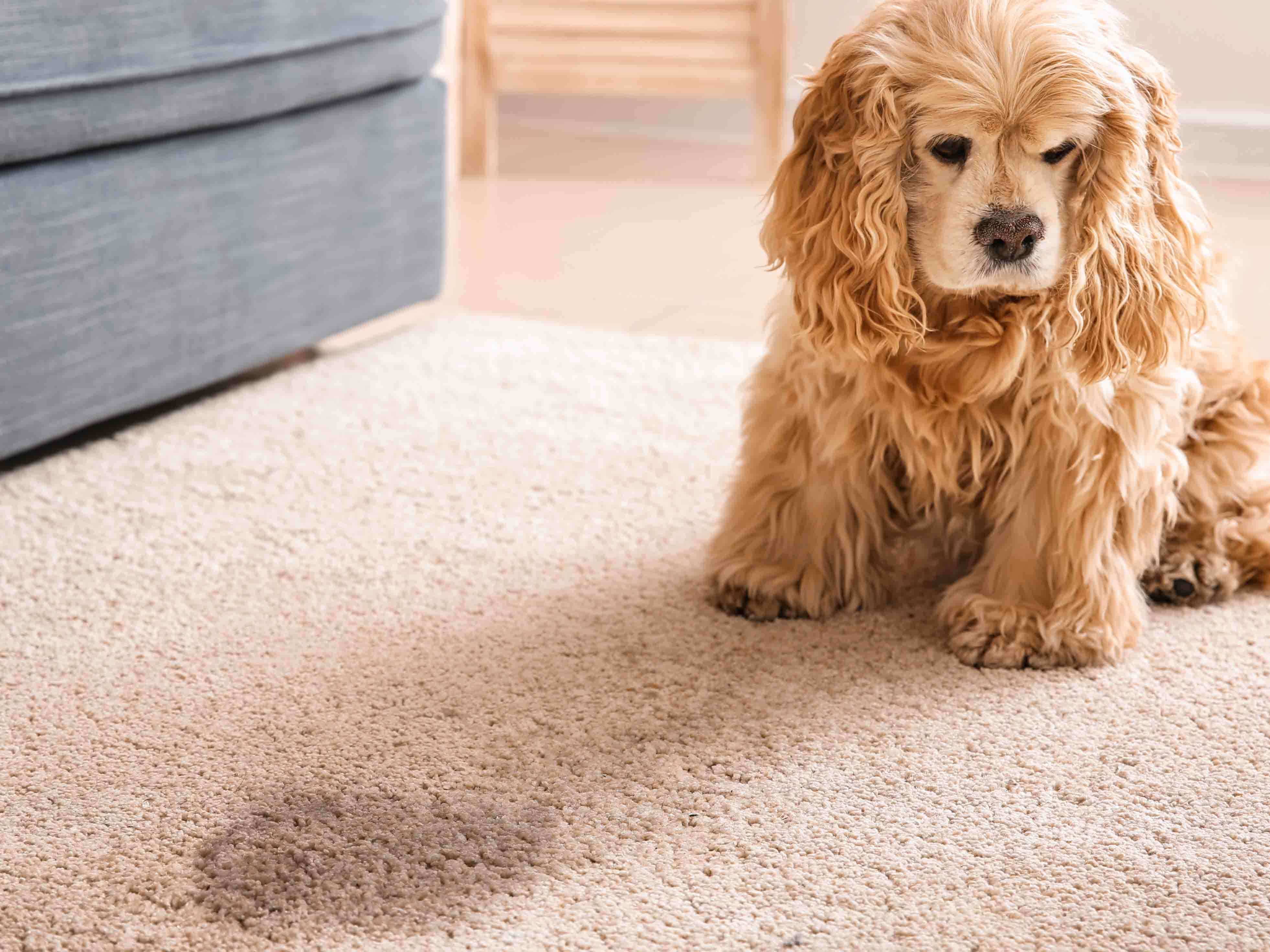
Image Source: luxeweavers.com
The Root Causes of Carpet Accidents
Before we dive into solutions, let’s explore why dogs might pee on carpets. It’s rarely out of spite; usually, there’s a reason.
House Training Fundamentals
At its core, preventing carpet accidents is about successful puppy potty training or re-training an older dog. This involves teaching your dog where it is appropriate to relieve themselves.
Medical Considerations
Sometimes, a sudden increase in accidents can be a sign of a medical issue. Urinary tract infections (UTIs), diabetes, kidney disease, or even cognitive decline in older dogs can lead to incontinence or increased urination. If you notice a change in your dog’s bathroom habits, a vet visit is crucial.
Behavioral Reasons
Beyond medical problems, several behavioral factors contribute to carpet accidents:
- Anxiety or Stress: Dogs experiencing separation anxiety, fear of loud noises, or changes in their environment may urinate inappropriately.
- Excitement or Submissive Urination: Some dogs, especially puppies or those feeling anxious, may pee a little when they get overly excited or when greeting people.
- Lack of Proper Training: Simply put, the dog may not have learned the rules of house-training.
- Marking Behavior: Intact male dogs, and sometimes females, may mark their territory indoors, especially if new scents are introduced or there’s competition.
- Previous Accidents: If a spot on the carpet has been urinated on before and not cleaned thoroughly, the residual scent can attract the dog back to the same spot.
Steps to Prevent Dog Peeing on Carpet
Preventing these accidents requires patience, consistency, and a multi-faceted approach.
Establishing a Consistent Potty Routine
Consistency is the cornerstone of successful dog house training.
Scheduled Potty Breaks
- Puppies: Puppies have small bladders and need frequent potty breaks. Aim for every 1-2 hours initially, especially after waking up, after playing, and after eating or drinking.
- Adult Dogs: Even well-trained adult dogs benefit from a predictable schedule. Take them out first thing in the morning, after meals, after naps, and before bedtime.
Designated Potty Spot
Choose a specific spot in your yard for your dog to do their business. Always take them to this spot. When they go, praise them enthusiastically and offer a small treat. This helps them associate the spot with elimination and positive rewards.
Supervision is Key
When you can’t actively supervise your dog (e.g., you’re busy or out of the room), use management tools to prevent accidents.
Crate Training a Dog
Crate training a dog is an invaluable tool for preventing dog accidents. Dogs are naturally clean animals and generally don’t want to soil their sleeping area.
- Choosing the Right Crate: The crate should be just large enough for your dog to stand up, turn around, and lie down comfortably. If it’s too large, they might use one end as a bathroom.
- Making the Crate Positive: Never use the crate as punishment. Make it a safe, comfortable den with soft bedding and toys. Feed meals in the crate.
- Gradual Introduction: Start with short periods and gradually increase the time. Always let your dog out immediately after they come out of the crate to give them a chance to relieve themselves.
Using Gates and Tethers
If crate training isn’t an option or for times when your dog is out of the crate but needs supervision, use baby gates to restrict access to certain rooms or tether your dog to you with a leash. This keeps them close by, so you can quickly intervene if they start showing signs of needing to go (e.g., circling, sniffing the ground intently).
Recognizing Potty Cues
Learn your dog’s individual signals that they need to go outside. Common signs include:
- Pacing
- Whining or barking at the door
- Circling
- Sniffing the ground intently
- Going to a specific spot they’ve used before
When you see these signs, immediately take your dog outside.
Positive Reinforcement Training
Positive reinforcement training is highly effective for house-training. This means rewarding desired behaviors.
Rewarding Success
When your dog successfully eliminates outside in the designated spot, praise them lavishly and give them a high-value treat immediately. This strong positive association makes them more likely to repeat the behavior.
What to Do During an Accident
If you catch your dog in the act of peeing indoors:
- Interrupt Gently: Make a gentle noise (e.g., a clap of your hands or a sharp “oops!”) to interrupt them without scaring them.
- Immediately Take Them Outside: Carry or lead them to their designated potty spot.
- Praise if They Finish Outside: If they continue to pee outside, praise them and give a small treat.
Never punish your dog after the fact. If you find a puddle, your dog doesn’t connect the punishment with the action that happened earlier. This can lead to fear and anxiety, making training more difficult.
Mastering Accident Clean Up
Proper accident clean up is vital to prevent repeat offenses. If the scent isn’t completely removed, your dog’s sensitive nose will guide them back to the same spot.
The Importance of Dog Urine Odor Remover
Regular household cleaners are often not enough. They might mask the smell for humans, but they don’t break down the uric acid crystals in dog urine, which are the source of the persistent odor. This is where a good dog urine odor remover comes in.
Using an Enzyme Cleaner for Dog Pee
The most effective way to tackle dog urine stains and odors is with an enzyme cleaner for dog pee.
How Enzyme Cleaners Work
Enzyme cleaners contain beneficial bacteria and enzymes that literally “eat” organic matter, including urine. They break down the uric acid crystals into odorless components like carbon dioxide and water.
Steps for Effective Cleaning:
- Blot, Don’t Rub: If the accident is fresh, use clean paper towels or cloths to blot up as much urine as possible. Press firmly. Rubbing can spread the urine and push it deeper into the carpet fibers.
- Apply the Enzyme Cleaner: Follow the product instructions carefully. Typically, you’ll saturate the affected area, ensuring the cleaner penetrates as deeply as the urine did. For carpets, this often means reaching the padding.
- Allow to Dry: Let the enzyme cleaner air dry completely. This can take anywhere from a few hours to a couple of days, depending on the product and the saturation level. During this time, the enzymes are actively working.
- Resist the Urge to Rinse: Do not rinse the area with water after applying the enzyme cleaner, as this can wash away the enzymes before they’ve finished their job.
- Repeat if Necessary: For older or deeper stains, you might need to repeat the process.
Choosing the Right Enzyme Cleaner
Look for products specifically formulated for pet stains and odors. Many good brands are available at pet stores and online.
Tackling Old Stains
For older, dried-in stains, they can be trickier. Thoroughly soak the area with an enzyme cleaner, cover it with a damp cloth (to keep it moist and active for longer), and then cover that with plastic wrap to prevent it from drying out too quickly. Leave it for 24-48 hours before removing the plastic and allowing it to air dry.
Carpet Stain Remover
While enzyme cleaners focus on odor and the chemical breakdown, you might also need a dedicated carpet stain remover for visible stains. Some enzyme cleaners are also formulated to lift stains. Always test any cleaner on an inconspicuous area of your carpet first to ensure it doesn’t cause discoloration.
Addressing Specific Challenges
Some situations require a more tailored approach to preventing dog accidents.
Puppy Potty Training Specifics
Puppy potty training requires extra patience.
- Pee Pads vs. Outdoors: Some owners use pee pads indoors initially, then transition to outdoors. Others go straight to outdoor training. Both methods can work, but transitioning from pee pads to outdoors can sometimes be confusing for puppies.
- Puppy Proofing: Keep puppies confined to a safe, easy-to-clean area when unsupervised.
- Age and Bladder Control: Remember that very young puppies have limited bladder control. Accidents are part of the process.
Dog Marking Behavior
Dog marking behavior is usually driven by territorial instincts or anxiety.
- Spaying/Neutering: Neutering male dogs is often the first and most effective step in reducing marking behavior. Spaying can also help with female marking.
- Identifying Triggers: If your dog marks specific spots, try to identify what’s triggering it. Is it a new pet? A visitor’s scent?
- Cleaning Thoroughly: As mentioned, thorough cleaning with an enzyme cleaner is critical to remove the scent that encourages marking.
- Supervision and Interruption: Supervise closely and interrupt marking behavior immediately.
- Confine When Unsupervised: Keep dogs prone to marking in a crate or confined area when you can’t supervise them.
Separation Anxiety
If your dog pees when you leave them alone, it might be separation anxiety. This is a more complex behavioral issue that may require professional help.
- Desensitization: Gradually accustom your dog to your departures.
- Calm Departures/Arrivals: Don’t make a big fuss when you leave or return.
- Provide Distractions: Offer engaging toys or treats when you leave.
- Consult a Professional: A certified dog trainer or veterinary behaviorist can help diagnose and treat separation anxiety.
Re-training an Adult Dog
Adult dogs can be re-trained, but it might take longer if they’ve developed ingrained habits. Apply the same principles of routine, supervision, and positive reinforcement.
Tools and Aids for Prevention
Several products can assist in preventing dog accidents.
Pee Pads
- Pros: Can be useful for apartment dwellers or during severe weather.
- Cons: Can sometimes create confusion during the transition to outdoor pottying.
Indoor Pet Toilets/Grass Patches
- Pros: Provide an outdoor-like surface indoors.
- Cons: Still require a transition for some dogs.
Diapers or Belly Bands
- Pros: Can be useful for temporary management of incontinence or marking in the house.
- Cons: Are a management tool, not a training solution. They don’t address the root cause of the problem.
Scent Deterrents
These sprays are designed to make areas unpleasant for dogs. While they can be a temporary deterrent, they are not a substitute for proper training and cleaning. The underlying scent must be removed first.
Common Mistakes to Avoid
- Punishing After the Fact: As reiterated, this is counterproductive and can create fear.
- Inconsistent Routine: This confuses your dog and hinders progress.
- Not Cleaning Thoroughly: Leaving residual odors will invite more accidents.
- Over-Penalizing with Crate Training: The crate should be a safe space, not a punishment.
- Assuming Spite: Dogs rarely urinate indoors out of spite.
Table: Comparing Cleaning Methods
| Method | Effectiveness Against Odor | Effectiveness Against Stains | How it Works | Best For |
|---|---|---|---|---|
| Regular Cleaner | Low (masks odor) | Moderate | Chemical reaction to remove surface dirt | General cleaning |
| Ammonia-Based Cleaner | High (similar to urine) | Moderate | Mimics urine scent, can attract dog to re-mark | Avoid for urine cleaning |
| Enzyme Cleaner | High | High | Enzymes digest and break down urine molecules | Urine stains and odors |
| Steam Cleaner | Moderate | High | Hot water and steam lift dirt and residues | General carpet cleaning |
Frequently Asked Questions (FAQ)
Q1: My puppy is peeing in my bed. What should I do?
A1: This is often a sign of anxiety or that the bed smells like their potty spot. Ensure your puppy isn’t left unsupervised with access to the bed. Wash bedding thoroughly with an enzyme cleaner. Consider restricting their access to the bedroom until they are more reliably house-trained. If it’s separation anxiety related, focus on that issue.
Q2: My adult dog was perfectly house-trained, but now has accidents. Why?
A2: This can indicate a medical issue (UTI, kidney problems, diabetes), stress, or a change in routine. A vet check-up is the first step. If medical issues are ruled out, consider recent changes in the household, stress triggers, or if they are getting enough potty breaks.
Q3: Can I use baking soda to clean up dog urine?
A3: Baking soda can help absorb moisture and neutralize some odors after you’ve cleaned the area with an enzyme cleaner. Sprinkle it liberally on the dried area, let it sit for several hours or overnight, then vacuum it up. It’s a good supplement but not a replacement for an enzyme cleaner.
Q4: How long does puppy potty training usually take?
A4: It varies greatly by puppy, breed, and consistency of training. Most puppies achieve reliable house-training between 4-6 months of age, but accidents can still happen, especially during periods of stress or illness. Patience is key!
Q5: My dog is marking territory inside. What’s the best way to stop this?
A5: Neutering can significantly reduce marking behavior. Thoroughly clean any marked areas with an enzyme cleaner. Supervise your dog closely, interrupt marking, and consider confining them to a smaller, easily cleaned area when unsupervised. Identify and address any triggers for the marking.
Conclusion
Preventing your dog from peeing on the carpet is achievable with consistent effort and the right approach. By establishing a solid routine, supervising effectively, using positive reinforcement, and mastering the art of accident clean up with a good enzyme cleaner for dog pee, you can ensure your carpets stay clean and your relationship with your dog remains harmonious. Remember, patience and understanding are your most powerful training tools. If you encounter persistent problems, don’t hesitate to consult your veterinarian or a certified professional dog trainer.