
Can you prevent a dog from shedding? While complete prevention isn’t possible for most breeds, you can significantly reduce dog shedding and manage the amount of hair in your home through consistent care and the right strategies.
Dealing with a perpetually shedding dog can feel like living in a snow globe, but with the right approach, you can transform your home environment and your dog’s coat health. Shedding is a natural biological process, a way for your dog to get rid of old, damaged, or excess hair. Different breeds shed at different rates, and factors like season, diet, and overall dog health and shedding play significant roles. This guide will walk you through effective methods to manage and minimize shedding, making your life easier and your furry friend happier.
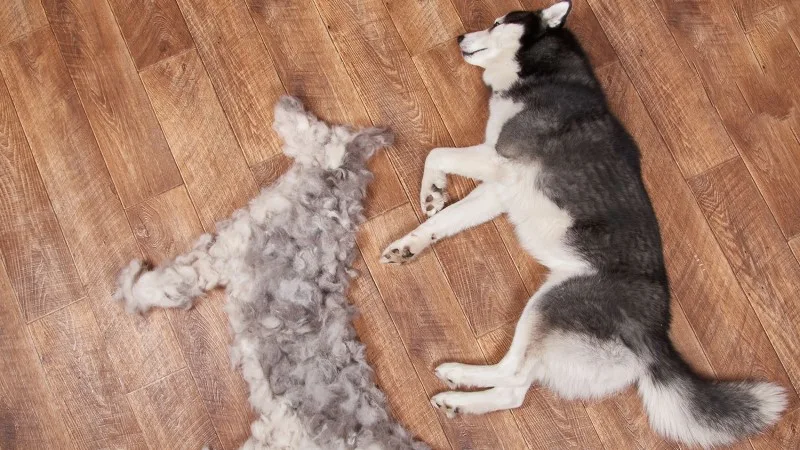
Image Source: images.ctfassets.net
Regular Dog Grooming: The Foundation of Shedding Control
The cornerstone of managing dog hair is a consistent and thorough dog grooming routine. This isn’t just about aesthetics; it’s crucial for your dog’s comfort and health, and directly impacts how much hair you find around your home.
Brushing Techniques for Dogs: More Than Just a Quick Swipe
Proper brushing is arguably the most effective way to tackle shedding. It removes loose hair before it has a chance to fall onto your furniture, clothes, and floors. The key is consistency and using the right tools for your dog’s coat type.
Understanding Your Dog’s Coat Type
Before you start brushing, identify your dog’s coat type. This will determine the best tools and frequency for brushing.
- Short-haired breeds (e.g., Labrador Retriever, Beagle): These dogs often benefit from a slicker brush or a bristle brush.
- Medium-haired breeds (e.g., Golden Retriever, German Shepherd): A slicker brush, an undercoat rake, or a de-shedding tool can be very effective.
- Long-haired breeds (e.g., Afghan Hound, Shih Tzu): A pin brush or a comb is usually best to avoid tangles. For double-coated breeds with long hair, an undercoat rake is essential.
- Wiry-haired breeds (e.g., Schnauzer, Scottish Terrier): These coats may require special grooming tools like stripping knives, but regular brushing with a firm bristle brush can help manage loose hair.
The Art of Effective Brushing
- Frequency: For most dogs, daily brushing is ideal, especially during peak shedding seasons (spring and fall). If daily isn’t feasible, aim for at least 3-4 times a week.
- Technique: Always brush in the direction of hair growth. Start with gentle strokes to accustom your dog. For dogs with thick undercoats, you might need to use slightly more pressure or a different tool to reach the deeper layers of fur.
- Gentleness: Be firm but gentle. If you encounter a tangle, don’t pull hard. Try to work it out with your fingers or a detangling spray.
- Reward: Make brushing a positive experience! Offer praise, treats, and petting. This will make your dog more cooperative for future grooming sessions.
The Power of Deshedding Tools
For dogs with dense undercoats that shed heavily, specialized deshedding tools can be a game-changer. These tools are designed to safely and effectively remove loose undercoat hair without damaging the topcoat.
Popular Deshedding Tools and How They Work
- Undercoat Rakes: These have long, widely spaced teeth that penetrate the dense undercoat to pull out loose hair. They are excellent for breeds like Huskies, Malamutes, and German Shepherds.
- Slicker Brushes: With their fine, bent wire bristles, slicker brushes are great for removing loose hair and preventing mats, especially on medium to long coats. However, some have pointed tips that can irritate the skin if used too aggressively.
- Deshedding Blades/Tools (e.g., FURminator): These tools feature sharp, specialized blades designed to reach through the topcoat and effectively remove loose undercoat hair. They are highly effective but must be used with care to avoid irritating or cutting the skin. Always follow the manufacturer’s instructions.
- Grooming Gloves: These gloves have nubs or silicone bristles that mimic the action of brushing and can be great for short-haired dogs or for a quick daily de-shedding session, especially during bath time.
Benefits of Deshedding
Regular use of deshedding tools offers several advantages:
- Significant Shedding Reduction: This is the primary benefit, leading to a cleaner home.
- Healthier Coat: By removing dead hair, you allow new, healthy hair to grow. It also helps distribute natural oils, promoting a shinier and healthier coat.
- Improved Skin Health: Removing loose hair and dander can improve air circulation to the skin, reducing the risk of irritation and infections.
- Comfort for Your Dog: Excess undercoat can trap heat and moisture, making your dog uncomfortable, especially in warmer weather. Deshedding helps them regulate their body temperature.
Bathing for Shedding Control
While brushing is paramount, bathing also plays a role in reducing dog shedding naturally. A good bath can loosen a significant amount of dead hair, making it easier to remove during the drying and brushing process.
The Right Shampoo and Conditioner
- Deshedding Shampoos: Many shampoos are formulated specifically to help loosen undercoat hair and reduce shedding. Look for those with ingredients like oatmeal, aloe vera, or omega-3 fatty acids.
- Conditioners: A good conditioner can help rehydrate the coat, making it smoother and less prone to breakage. This can, in turn, help reduce loose hairs. Some conditioners are specifically designed to help with shedding.
- Avoid Harsh Chemicals: Never use human shampoos or conditioners on your dog, as their pH levels are different and can strip natural oils, leading to dry, irritated skin and potentially more shedding.
Bathing Frequency and Technique
- Frequency: Don’t over-bathe your dog, as this can strip their coat of natural oils and lead to dryness and irritation. For most dogs, once every 4-8 weeks is sufficient, unless they get particularly dirty or your vet recommends otherwise.
- The Process:
- Brush First: Always brush your dog thoroughly before their bath to remove as much loose hair as possible. This prevents loose hair from clumping together and clogging your drains.
- Warm Water: Use lukewarm water.
- Suds and Rinse: Apply shampoo generously and lather well, working it into the coat down to the skin. Let it sit for a few minutes as per the product instructions. Rinse thoroughly to ensure no residue is left behind.
- Condition (Optional but Recommended): Apply a dog-specific conditioner, focusing on the ends of the hair. Let it sit for a few minutes before rinsing.
- Towel Dry and Brush Again: Gently towel dry your dog, squeezing out excess water. Then, while the coat is still slightly damp, brush again. This is when you’ll likely see a lot more loose hair come out, especially if you used a deshedding shampoo.
- Air Dry or Low Heat: Allow your dog to air dry as much as possible, or use a pet-specific dryer on a cool or low heat setting.
Dietary Changes for Dogs: Fueling a Healthy Coat
What goes into your dog’s body directly affects the health of their skin and coat, and consequently, their shedding. Dietary changes for dogs can be a powerful tool in reducing dog shedding naturally.
The Importance of Nutrition
A balanced diet rich in essential nutrients is crucial for healthy hair growth and retention.
- Protein: Hair is primarily made of protein (keratin). Ensure your dog’s food has a high-quality animal-based protein source as the first ingredient.
- Fatty Acids (Omega-3 and Omega-6): These are vital for skin health and coat luster. They help keep the skin moisturized and reduce inflammation, which can contribute to shedding. Sources include fish oil, flaxseed, and certain vegetable oils.
- Vitamins and Minerals: Vitamins A, E, and B complex, as well as minerals like zinc and biotin, are all essential for healthy skin and hair.
Evaluating Your Dog’s Food
- High-Quality Ingredients: Look for dog foods with whole meats, healthy fats, and digestible carbohydrates. Avoid foods with excessive fillers like corn, wheat, and soy, which can be harder to digest and may contribute to skin issues and increased shedding in some dogs.
- Consult Your Vet: If you’re unsure about your dog’s current food or suspect it’s contributing to their shedding, talk to your veterinarian. They can recommend appropriate high-quality foods or discuss potential allergies.
Dog Supplements for Shedding
If your dog’s diet is lacking, or if they have specific needs, dog supplements for shedding can be beneficial. Always consult with your veterinarian before starting any new supplement regimen.
Beneficial Supplements
- Omega-3 Fatty Acids: Fish oil (salmon oil, krill oil) is a popular and effective source of omega-3s. These can significantly improve skin hydration and reduce inflammation, leading to less shedding.
- Biotin: This B vitamin is crucial for healthy skin and coat.
- Zinc: Essential for skin cell regeneration and hair growth.
- Vitamin E: An antioxidant that helps protect skin cells.
How to Administer Supplements
- Dosage: Follow the dosage recommendations on the product label or as advised by your vet, based on your dog’s weight and specific needs.
- Integration: Many omega-3 supplements are liquid and can be easily mixed into your dog’s food.
- Consistency: Supplements often take several weeks to show noticeable results, so consistency is key.
Environmental Factors and Overall Dog Health
Beyond grooming and diet, other factors influence shedding. Maintaining a healthy environment and ensuring your dog is in good overall health are vital for reducing dog shedding naturally.
Hydration: The Unsung Hero
Just like humans, dogs need adequate water intake for healthy bodily functions, including skin and coat health. Dehydration can lead to dry, brittle hair and flaky skin, exacerbating shedding.
- Always Available Fresh Water: Ensure your dog always has access to clean, fresh water.
- Monitor Intake: If your dog seems to be drinking less than usual, or if you suspect they are dehydrated, consult your veterinarian.
Managing Your Home Environment
While you can’t stop shedding, you can manage the fallout.
- Regular Vacuuming: Invest in a good vacuum cleaner, ideally one designed for pet hair. Vacuum carpets, upholstery, and even hard floors regularly.
- Air Purifiers: High-quality air purifiers with HEPA filters can capture airborne pet dander and hair, improving air quality in your home.
- Lint Rollers and Pet Hair Removers: Keep these handy for quick clean-ups on clothes and furniture.
- Designated Dog Areas: If possible, encourage your dog to spend time in areas that are easier to clean, like rooms with hard flooring. Provide them with comfortable, washable dog beds.
Addressing Underlying Health Issues
Shedding is a natural process, but excessive or sudden changes in shedding can be a sign of underlying health problems. This is where dog health and shedding are closely linked.
When to See a Veterinarian
- Sudden or Excessive Shedding: A noticeable increase in shedding that isn’t seasonal or linked to a recent grooming session.
- Bald Patches or Thinning Coat: Areas where hair has completely fallen out, or the coat has become noticeably thinner.
- Skin Irritations: Redness, rashes, itching, flaky skin, or sores.
- Changes in Behavior: Excessive scratching, licking, or discomfort.
Potential Health Concerns Contributing to Shedding
- Allergies: Food allergies or environmental allergies (pollen, dust mites, flea bites) can cause skin irritation, itching, and increased shedding.
- Parasites: Fleas, mites, and ticks can irritate the skin and lead to hair loss and excessive shedding.
- Hormonal Imbalances: Conditions like hypothyroidism can affect coat quality and lead to shedding.
- Infections: Bacterial or fungal infections of the skin can cause inflammation and hair loss.
- Stress or Anxiety: Emotional distress can sometimes manifest in physical symptoms, including coat changes and shedding.
The Benefits of Deshedding and Coat Care
Investing time and effort into your dog’s coat care for dogs and regular deshedding offers significant rewards, both for your dog and for your household.
A Cleaner, Healthier Home
The most immediate benefit is a noticeable reduction in the amount of loose hair around your home. This means less time spent cleaning and a more pleasant living environment for everyone, including those with allergies.
A Healthier, Happier Dog
- Improved Coat Quality: Regular brushing and deshedding stimulate blood circulation to the skin, distribute natural oils, and promote the growth of a healthier, shinier, and stronger coat.
- Reduced Itching and Discomfort: Removing loose, dead hair and preventing mats can significantly reduce your dog’s discomfort, especially for breeds prone to matting.
- Better Temperature Regulation: For double-coated breeds, removing the insulating undercoat in warmer months can help prevent overheating.
- Early Detection of Skin Issues: The close inspection that comes with regular grooming allows you to spot any lumps, bumps, parasites, or skin irritations early on, making treatment easier and more effective.
Conclusion: Patience and Consistency are Key
Reducing dog shedding naturally is a journey that requires commitment. While you can’t eliminate shedding entirely, you can significantly minimize it and keep your dog’s coat in peak condition through consistent brushing, proper nutrition, occasional baths, and addressing any underlying health concerns. By implementing these easy tips, you’ll not only enjoy a cleaner home but also contribute to your dog’s overall well-being and happiness. Remember, a healthy dog is a happy dog, and a well-cared-for coat is a sign of that health.
Frequently Asked Questions (FAQ)
Q1: How often should I brush my dog to prevent shedding?
A1: For most dogs, daily brushing is ideal, especially during peak shedding seasons. If daily brushing isn’t possible, aim for at least 3-4 times a week. The frequency may vary depending on your dog’s breed and coat type.
Q2: Are deshedding tools safe for all dogs?
A2: Deshedding tools are very effective, but they must be used correctly and with care. Always follow the manufacturer’s instructions and be gentle to avoid irritating your dog’s skin or causing hair breakage. If you are unsure, consult a professional groomer or your veterinarian.
Q3: Can my dog’s diet really impact their shedding?
A3: Yes, absolutely. A high-quality diet rich in protein, essential fatty acids (like Omega-3s), vitamins, and minerals is crucial for healthy skin and coat. Poor nutrition can lead to a dull coat and increased shedding.
Q4: How do I know if my dog’s shedding is normal or a sign of a health problem?
A4: Normal shedding is usually seasonal or gradual. Signs that might indicate a health problem include sudden or excessive hair loss, bald patches, skin irritation (redness, itching, sores), and changes in coat texture. If you notice any of these, consult your veterinarian.
Q5: How often should I bathe my dog to help with shedding?
A5: While bathing can help loosen dead hair, over-bathing can strip natural oils and worsen skin dryness. For most dogs, bathing once every 4-8 weeks is sufficient, unless they get particularly dirty or your vet advises otherwise. Always brush your dog thoroughly before bathing to prevent clogged drains.