
What are the primary ways to prove you own a dog? The most common methods include dog registration papers, veterinary records, adoption paperwork, microchip registration, proof of purchase (like a bill of sale or breeder contract), and pet insurance documents. In complex situations, even DNA testing for dogs and veterinary bills can serve as supporting evidence.
Losing a beloved dog can be a devastating experience. If your dog goes missing and is found by someone else, or if you’re involved in a dispute over ownership, having concrete proof of your ownership is crucial. This guide will walk you through the essential steps and documents you’ll need to establish your legal rights as a dog owner. We’ll cover everything from the initial acquisition of your pet to ongoing care and identification, ensuring you’re prepared for any scenario.
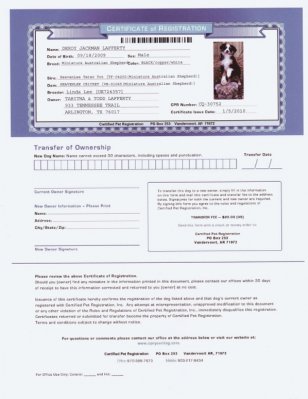
Image Source: www.cpryourdog.com
Securing Your Dog’s Identity: The Foundation of Ownership
Establishing your claim to your dog starts from the moment you bring them into your life. The methods you use to identify your dog, and the documentation that accompanies them, are your strongest allies in proving ownership.
The Importance of Documentation
Think of these documents as your dog’s personal history and your formal commitment to their well-being. They are not just pieces of paper; they are legally recognized evidence of your role as the rightful owner.
Initial Acquisition Records
How you acquired your dog significantly impacts the initial documentation you’ll receive. Each method offers distinct ways to solidify your ownership from day one.
Proof of Purchase: When Buying a Dog
If you purchased your dog from a breeder or a pet store, you should have received several key documents.
Bill of Sale
A bill of sale is a legally binding document that transfers ownership of the dog from the seller to you. It should clearly state:
- The seller’s name and contact information.
- Your name and contact information.
- A detailed description of the dog, including breed, age, sex, color, and any identifying marks.
- The date of sale.
- The purchase price.
- Any health guarantees or conditions of sale.
Always ensure you receive and keep a signed copy of the bill of sale. This is a primary piece of evidence in proving you legally bought and therefore own the dog.
Breeder Contract
Reputable breeders often provide a breeder contract in addition to a bill of sale. This contract outlines the terms of the sale, including:
- Health clearances for the puppy and its parents.
- Vaccination and deworming history.
- Return policies or rehoming clauses.
- Any breeding restrictions or requirements (e.g., spay/neuter clauses).
- Information about the dog’s lineage and pedigree.
A breeder contract further solidifies your claim by detailing the agreement under which you acquired the dog. It demonstrates a legitimate transaction and commitment from both parties.
Adoption Paperwork: Bringing Home a Rescue
Adopting a dog from a shelter or rescue organization is a rewarding experience, and the process provides its own set of ownership proof.
Adoption Agreement
When you adopt, you will sign an adoption agreement. This legally binding document serves as proof of ownership. It typically includes:
- Your personal details and contact information.
- The shelter or rescue organization’s details.
- The dog’s identification details (breed, age, sex, name, microchip number if applicable).
- The adoption fee paid.
- Your agreement to provide proper care and follow any post-adoption requirements.
This agreement clearly states that the organization has transferred custody and responsibility for the animal to you.
Ongoing Care and Identification: Building a Stronger Case
Beyond the initial acquisition, consistently caring for your dog and ensuring they are identifiable creates a continuous trail of evidence that reinforces your ownership.
Veterinary Records: A Dog’s Health History
Veterinary records are incredibly powerful in proving ownership. They document your ongoing commitment to your dog’s health and well-being. These records should include:
- Vaccination history: Proof that you are responsible for the dog’s health.
- Deworming and parasite control: Further evidence of diligent care.
- Annual check-ups: Showing consistent veterinary visits.
- Treatment for illnesses or injuries: Demonstrating your financial and emotional investment.
- Surgical records: For procedures like spaying, neutering, or other necessary operations.
- Veterinary bills: These financial records directly link you to the care provided to the specific dog.
Always ensure your veterinarian has your correct contact information and that it matches the information on your acquisition documents.
Pet Insurance Documents
If you have pet insurance documents, these are excellent supporting evidence of ownership. They show you have made financial arrangements for the dog’s potential future medical needs, indicating a long-term commitment. The policy will be in your name and list the dog as the insured pet.
Microchip Registration: Permanent Identification
A microchip is a tiny electronic chip implanted under your dog’s skin, containing a unique identification number.
Microchip Registration
Crucially, simply having a microchip isn’t enough; it must be microchip registration. This means associating the microchip’s unique number with your contact information in a database.
- How it works: When a dog is found and scanned, the microchip number is retrieved. This number is then cross-referenced with the registration database to find the owner’s contact details.
- Your role: When you get your dog microchipped, or if they are already chipped and you’re taking ownership, you MUST register the chip with your current contact information. Many databases allow you to update your details online.
Why it’s vital: If your dog is lost and found, a microchip with up-to-date registration is often the quickest and most definitive way to prove you are the owner. Animal control, shelters, and veterinary clinics routinely scan found animals for microchips.
Additional Supporting Evidence
In some challenging situations, you might need to gather more evidence to strengthen your claim.
Dog Registration Papers (Pedigree Certificates)
If your dog is a purebred, you may have dog registration papers, such as a pedigree certificate from a kennel club (like the AKC in the United States).
- What they show: These documents trace your dog’s lineage and confirm their breed and parentage. They are typically issued by recognized canine registries.
- Ownership link: While not always directly naming the current owner, these papers are often transferred with the dog during a sale and can be linked to previous ownership records that, combined with other evidence, support your claim.
Veterinary Bills as Proof
As mentioned earlier, veterinary bills are direct proof of your financial responsibility for the dog. Keeping a comprehensive file of all medical expenses incurred demonstrates that you have been actively providing care.
Pet Insurance Documents as Proof
Similarly, pet insurance documents confirm your ongoing commitment and financial investment in the animal’s welfare. These policies are specifically tied to you and your pet.
Photographs and Videos
While not legal documents, a consistent collection of photographs and videos showing you with your dog over an extended period can be compelling circumstantial evidence.
- Content: Include photos of your dog in your home, during walks in your neighborhood, at public places, and with family members.
- Timestamping: Digital photos and videos often have embedded timestamps, further validating the timeline of your relationship with the dog.
Witness Testimony
In cases of dispute, individuals who have witnessed your care and interaction with the dog over time can provide valuable testimony. This could include:
- Neighbors
- Friends
- Family members
- Veterinary staff who have seen you with the dog consistently.
DNA Testing for Dogs
In rare and complex ownership disputes, DNA testing for dogs can be a highly scientific method to establish biological relationships, though it’s not typically used to prove ownership in the traditional sense.
- How it might apply: If there’s a question about whether a puppy belongs to a specific parent dog, DNA testing can confirm that relationship. This is more common in disputes between breeders or in cases of alleged theft where a link to a known parent dog is contested.
- Limitations: DNA tests confirm biological lineage, not legal ownership. However, if you have a documented breeder contract tied to a specific parent dog, DNA evidence could support a claim of rightful ownership of the offspring.
Maintaining and Organizing Your Ownership Evidence
The best way to be prepared is to have all your documentation in order and easily accessible.
Creating a Dog Ownership Binder
A physical or digital binder can keep all your crucial documents organized. Include sections for:
- Acquisition Documents: Bill of Sale, Breeder Contract, Adoption Paperwork.
- Identification: Microchip Registration details, dog registration papers (if applicable).
- Veterinary Care: All veterinary records, vaccination certificates, veterinary bills.
- Insurance: Pet insurance documents.
- Personal Records: Photos, videos, notes about your dog’s behavior and history.
Keeping Records Updated
- Microchip Information: Regularly check and update your contact information with the microchip registry.
- Veterinary Records: Ask for copies of important records or summaries after significant visits.
- Contact Details: Ensure your name and address are consistent across all documents.
Scenarios Where Proving Ownership is Necessary
There are several situations where you might be asked to prove you own your dog.
Lost or Found Dogs
If your dog is lost and found by someone else, they may claim ownership, especially if the dog has been with them for a while. Your documentation, particularly microchip registration and vet records, will be crucial in reclaiming your pet.
Disputes with Former Partners or Roommates
If you shared a dog with a partner or roommate and the relationship ends, disputes over who gets to keep the dog can arise. The person who can best demonstrate continuous care, financial responsibility, and legal acquisition (via the documents listed) will have a stronger claim.
Allegations of Theft or Straying
If your dog is accused of straying or being stolen, having proof of ownership will help you clear your name and recover your pet.
Moving or Traveling
Some travel or accommodation providers may require proof of ownership, especially for pets.
Veterinary Emergencies
In critical situations, veterinary clinics will need to confirm you are authorized to make decisions for the animal.
What If You Don’t Have Original Documents?
If you’ve lost your original bill of sale, breeder contract, or adoption paperwork, don’t despair.
- Contact the Source: Reach out to the breeder, shelter, or previous owner to request duplicates or copies.
- Veterinarian as a Key Resource: Your veterinary records become even more critical. They serve as strong secondary evidence of your consistent care and financial commitment to the dog.
- Microchip Registry: Your microchip registration is a vital piece of evidence that can be verified directly with the registry company.
- Gather Supporting Evidence: Collect as much of the other supporting evidence (photos, witness testimony) as you can.
Legal Considerations and Advice
Proving dog ownership can sometimes involve legal processes.
Local Ordinances and Registration
Many cities and towns require dogs to be licensed and registered annually. This registration process typically involves providing proof of rabies vaccination and your contact information. A dog license is a form of official recognition of your ownership.
When to Seek Legal Counsel
If you are in a serious dispute over dog ownership, particularly in cases of alleged theft or complex family law matters, it is advisable to consult with an attorney specializing in animal law or property law. They can guide you on the specific legal requirements and strategies in your jurisdiction.
Frequently Asked Questions (FAQ)
Q1: Can a neighbor claim my dog if they found it wandering?
A1: If your dog is found wandering, a neighbor can temporarily care for it. However, if you can prove ownership (via microchip, vet records, etc.) and demonstrate you are actively searching for your pet, they generally cannot claim ownership, especially if they do not report the found dog to local authorities.
Q2: Is a photo of me with my dog enough to prove ownership?
A2: A photo is a supporting piece of evidence, but it is not sufficient on its own. It’s best used in conjunction with official documents like microchip registration, veterinary records, or adoption paperwork.
Q3: My dog is not purebred, so I don’t have registration papers. How can I prove ownership?
A3: Many dogs are not purebred, and therefore lack formal registration papers. Your primary proof of ownership will come from your adoption paperwork, bill of sale, veterinary records, and microchip registration. Consistent care and documented history are key.
Q4: If my dog is found by someone who doesn’t report it, what should I do?
A4: If you believe your dog has been found and is being kept by someone without reporting it, you may need to contact animal control or the police. They can investigate and potentially help you recover your pet, using your proof of ownership.
Q5: How important is it to keep veterinary bills?
A5: Veterinary bills are extremely important. They serve as direct financial proof of your commitment and expenditure on the dog’s care. Keep them organized with your other ownership documents.
Q6: What if my dog’s microchip registration details are out of date?
A6: If your microchip registration details are out of date, it significantly hinders your ability to be reunited with your dog if lost. Contact the microchip company immediately to update your information. This is a critical step in proving ownership.
By diligently collecting and maintaining these essential documents and proofs, you can confidently establish your ownership of your canine companion, ensuring their safety and your rights as their devoted owner.