
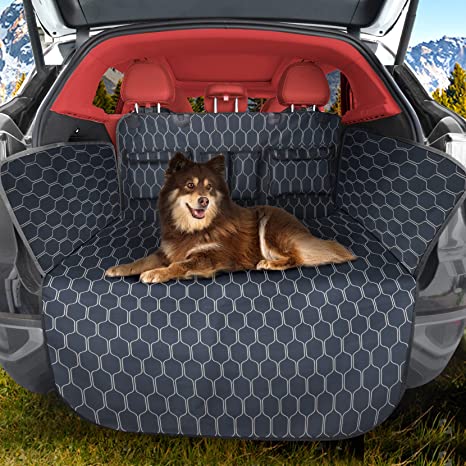
Image Source: www.xmpow.com
How to Secure a Dog in the Cargo Area of an SUV Safely
Can you safely secure a dog in the cargo area of an SUV? Yes, with the right equipment and methods, you can ensure your dog is safe and secure during SUV cargo pet travel. This guide will explore various options for securing your dog in the cargo area of your SUV, focusing on safety, comfort, and preventing distractions for the driver.
Ensuring a Secure and Comfortable Canine Companion in Your SUV’s Cargo Space
Transporting our furry best friends in our vehicles is a joy, but their safety on the road is paramount. The cargo area of an SUV, while offering space, can also present unique challenges when it comes to keeping your dog secure. This comprehensive guide will delve into the best practices and products to ensure your dog’s well-being during any SUV cargo dog restraint journey. We’ll cover everything from choosing the right vehicle dog crate to understanding the importance of a robust cargo area dog barrier.
Why Secure Your Dog in the Cargo Area?
The cargo area of an SUV often provides the most space for a dog to travel comfortably, especially for larger breeds. However, without proper securing, a dog can become a dangerous projectile in the event of sudden braking or an accident. An unrestrained dog can also distract the driver, leading to potential hazards. A secure setup not only protects your dog but also ensures a safer environment for everyone in the vehicle.
Essential Equipment for SUV Cargo Dog Travel
Several types of equipment are available to help you secure dog SUV travel effectively. Each offers different benefits, and the best choice often depends on your dog’s size, temperament, and your vehicle’s configuration.
Vehicle Dog Crates: The Gold Standard
A vehicle dog crate, often referred to as an automotive dog kennel, is widely considered the safest and most secure way to transport a dog in the cargo area.
-
Benefits of Vehicle Dog Crates:
- Containment: Prevents your dog from moving around the cargo area, reducing distractions.
- Safety: In a crash, a sturdy crate can offer protection to your dog. It also helps prevent them from becoming a projectile.
- Comfort: Provides a den-like space that can reduce anxiety for some dogs.
- Cleanliness: Keeps your cargo area cleaner by containing shedding and messes.
-
Choosing the Right Crate:
- Size: The crate should be large enough for your dog to stand up, turn around, and lie down comfortably, but not so large that they can be thrown around inside. Measure your dog from nose to tail when standing, and from the top of their head to the floor.
- Material: Wire crates are lightweight and offer good ventilation. Plastic crates offer more enclosed security and can be easier to clean. Reinforced metal crates are the most durable.
- Securement: Look for crates that have tie-down points or can be easily secured to your SUV’s cargo anchor points. Some crates are specifically designed to fit snugly in SUV cargo areas.
-
Securing the Crate:
- Always place the crate against the back of the rear seats for maximum stability.
- Use heavy-duty straps or bungee cords that are rated for significant weight to tie the crate securely to the cargo anchor points in your SUV.
- Ensure the crate does not shift forward, backward, or sideways.
Cargo Area Dog Barriers
A cargo area dog barrier is another excellent option, especially for larger dogs or if you prefer not to use a crate. These barriers create a physical separation between the cargo area and the passenger cabin.
-
Types of Barriers:
- Mesh or Wire Barriers: These typically attach to the headrests of your rear seats or directly to the vehicle. They provide visibility and ventilation.
- Solid Barriers: Made from plastic or metal, these offer more robust containment.
-
Benefits of Barriers:
- Driver Protection: Prevents dogs from jumping into the front seats, which is a major distraction.
- Space: Allows your dog more room to move than a crate.
-
Considerations for Barriers:
- Durability: Ensure the barrier is strong enough to withstand your dog leaning or pushing against it.
- Installation: Proper installation is crucial for effectiveness. Some require drilling, while others are designed for clamp-on installation.
- Not a Replacement for Restraint: While a barrier prevents your dog from reaching the front, it does not prevent them from being thrown around within the cargo area itself in a crash. Therefore, it’s often best used in conjunction with another restraint system.
Dog Seat Belts and Harnesses
For dogs who travel in the passenger area, a dog safety car harness with a seatbelt attachment is a common and effective method. However, these can also be adapted for use in the cargo area.
- How They Work: A specialized harness is worn by the dog, and a tether connects the harness to the vehicle’s seatbelt system or dedicated anchor points.
- Benefits:
- Direct Restraint: Limits the dog’s movement directly.
- Crash Protection: Designed to distribute force in a crash, minimizing injury.
- Securing in the Cargo Area:
- You can secure a dog in a harness to a sturdy anchor point in the cargo area.
- Ensure the tether is short enough to prevent the dog from reaching the edges of the cargo area or the rear seats, but long enough to allow them to stand and lie down.
- Important: Not all dog harnesses are crash-tested. Look for harnesses specifically advertised as crash-tested and certified for automotive use to ensure optimal safety.
Pet Carriers for SUV Trunks
For smaller dogs, a portable pet carrier SUV trunk can be a viable option. These are similar to crates but are often lighter and more portable.
- Considerations:
- Size: Ensure it’s appropriately sized for your dog.
- Ventilation: Check that there is adequate airflow.
- Security: Most carriers have loops or handles that can be secured with straps to prevent movement.
Trunk Dog Dividers
If you have a larger SUV with a split cargo area, a trunk dog divider can be used to create a dedicated, safe space for your dog.
- How They Function: These dividers are typically made of metal or strong mesh and attach to the existing cargo rails or the vehicle’s structure.
- Benefits:
- Zone Creation: Creates a specific area for your dog, preventing them from roaming.
- Versatility: Can be used in conjunction with other restraint methods.
Best Practices for Secure Dog Travel in SUV Cargo Areas
Regardless of the equipment you choose, a few key principles will enhance your dog’s safety and comfort.
1. Proper Installation is Key
- Read Instructions: Always read and follow the manufacturer’s instructions for any SUV cargo dog restraint system you use.
- Anchor Points: Familiarize yourself with the cargo anchor points in your SUV. These are usually sturdy metal loops or rings.
- Tight Fit: Ensure all straps and tethers are taut and that there is no slack that would allow movement.
2. Acclimate Your Dog to the Space
- Positive Associations: Introduce your dog to the cargo area and any equipment gradually. Use treats and praise to create positive associations.
- Short Trips: Start with short journeys and gradually increase the duration.
3. Ventilation and Temperature Control
- Airflow: Ensure there is adequate airflow to the cargo area. Open windows slightly if safe to do so, or use your vehicle’s ventilation system.
- Temperature: Never leave your dog unattended in a vehicle, especially during warm or hot weather, as temperatures inside can rise rapidly.
4. Regular Checks
- During Trips: If you stop during a long journey, check on your dog and ensure their restraints are still secure.
- Pre-Trip Inspection: Before each trip, inspect all equipment for wear and tear.
5. Consider Your Dog’s Personality
- Anxious Dogs: Anxious dogs might benefit more from a fully enclosed crate.
- Energetic Dogs: Highly energetic dogs might require a sturdier crate or a strong tether to prevent them from damaging equipment.
Popular and Recommended Products for Cargo Area Dog Safety
When it comes to secure dog SUV travel, investing in quality products is essential. Here are some categories and examples of what to look for:
High-Quality Vehicle Dog Crates
- Impact Crates: Known for their durability and safety features, often used for travel and by professionals.
- Gunner Kennels: These are heavy-duty crates that are crash-tested and very secure.
- Skudo Crates: A popular choice for plastic travel crates that are robust and provide good ventilation.
Reliable Dog Seat Belts and Harnesses
- Kurgo: Offers a range of crash-tested harnesses and tethers.
- Sleepypod: Their Clickit Sport harness is highly regarded for its safety and crash test ratings.
- RC Pet Products: Another brand with well-designed harnesses for travel.
Effective Cargo Barriers
- MidWest Homes for Pets: Offers versatile barriers that can fit a range of vehicles.
- Luno Life: Provides inflatable car barriers that are easy to install and remove.
- Various Universal Barriers: Many brands offer adjustable barriers that can be secured using different methods.
Specialized Pet Carriers
- Sherpa Pet Carriers: Lightweight and easy to secure for smaller breeds.
- SturdiBag: Known for their durability and ventilation, suitable for many small to medium pets.
Table: Comparing SUV Cargo Dog Restraint Options
| Restraint Type | Best For | Pros | Cons |
|---|---|---|---|
| Vehicle Dog Crate | All sizes, dogs needing containment | Maximum safety, containment, crash protection, creates den-like space | Can be bulky, may not fit all SUVs, requires securement to anchor points |
| Cargo Area Dog Barrier | Larger dogs, dogs who dislike crates | Keeps dog out of passenger area, allows more movement within cargo space | Doesn’t prevent movement within cargo area during impact, can be bypassed |
| Dog Seatbelt/Harness | Dogs of all sizes, can be used with other systems | Direct restraint, crash protection (if tested), prevents distraction | Needs secure anchor points, tether length is critical, not all harnesses are crash-tested |
| Portable Pet Carrier | Small to medium dogs | Portable, lightweight, easy to secure, good for short trips | Less durable than crates, may not offer as much crash protection |
| Trunk Dog Divider | Larger SUVs with divided cargo areas | Creates designated pet zone, good for multiple dogs or large dogs | Requires specific vehicle setup, doesn’t restrain the dog within the zone |
Frequently Asked Questions (FAQ)
Q: Is it safe to put my dog in the cargo area of my SUV without any restraints?
A: No, it is not safe. An unrestrained dog can become a projectile in an accident, causing serious injury to themselves and passengers, or they can distract the driver.
Q: What is the best way to secure a large dog in an SUV cargo area?
A: For large dogs, a sturdy, crash-tested automotive dog kennel secured to the vehicle’s anchor points is generally the safest option. Alternatively, a heavy-duty dog harness with a short, secure tether attached to an anchor point can be effective, provided the harness is certified for automotive use.
Q: Can I use a regular dog crate in the cargo area?
A: Yes, but it must be a sturdy crate that is specifically designed for travel or that you can securely anchor. Lightweight wire crates may not offer sufficient protection in a crash.
Q: How do I prevent my dog from jumping out of the cargo area when the liftgate is open?
A: Keep your dog leashed and secured before opening the liftgate. Once secured in their crate or with a tether, you can then open the liftgate.
Q: What are the rules about dogs in vehicles?
A: While specific laws vary by region, it is generally considered negligent to transport a pet in a way that endangers them or other road users. Many places have leash laws that extend to vehicles, meaning your dog should be restrained.
Q: How do I know if a dog harness is safe for car travel?
A: Look for harnesses that are specifically advertised as “crash-tested” and mention certification from organizations like the Center for Pet Safety. These have undergone rigorous testing to ensure they can withstand impact.
Q: Can I use a bungee cord to secure my dog’s crate?
A: It is not recommended. Bungee cords are not designed to handle the forces of a car accident and can stretch or break, leaving your dog unsecured. Use strong, non-elastic straps specifically designed for securing loads.
Q: My dog barks a lot in the car. How can I help?
A: Positive reinforcement training, familiarizing them with the vehicle dog crate, and ensuring they are comfortable and have enough space can help reduce anxiety and barking. Sometimes, a calming supplement or pheromone spray can also be beneficial.
By prioritizing the right equipment and employing safe practices, you can transform your SUV’s cargo area into a secure and comfortable space for your canine companion, ensuring pleasant and safe cargo SUV pet travel for everyone.