
Can you stop a dog from peeing on furniture? Yes, you can stop a dog from peeing on furniture with consistent training, proper cleaning, and understanding the underlying causes.
Is your living room becoming an unwelcome doggy bathroom? The sight and smell of dog urine on your sofa or favorite armchair can be incredibly frustrating and disheartening. Dealing with puppy peeing indoors or adult dogs suddenly developing these habits requires a swift and effective approach. This comprehensive guide will equip you with the knowledge and tools to tackle housebreaking accidents on furniture, promoting a clean and harmonious home for both you and your canine companion. We’ll delve into the reasons behind this behavior, effective solutions, and how to make the changes stick, focusing on preventing dog urination in inappropriate places.
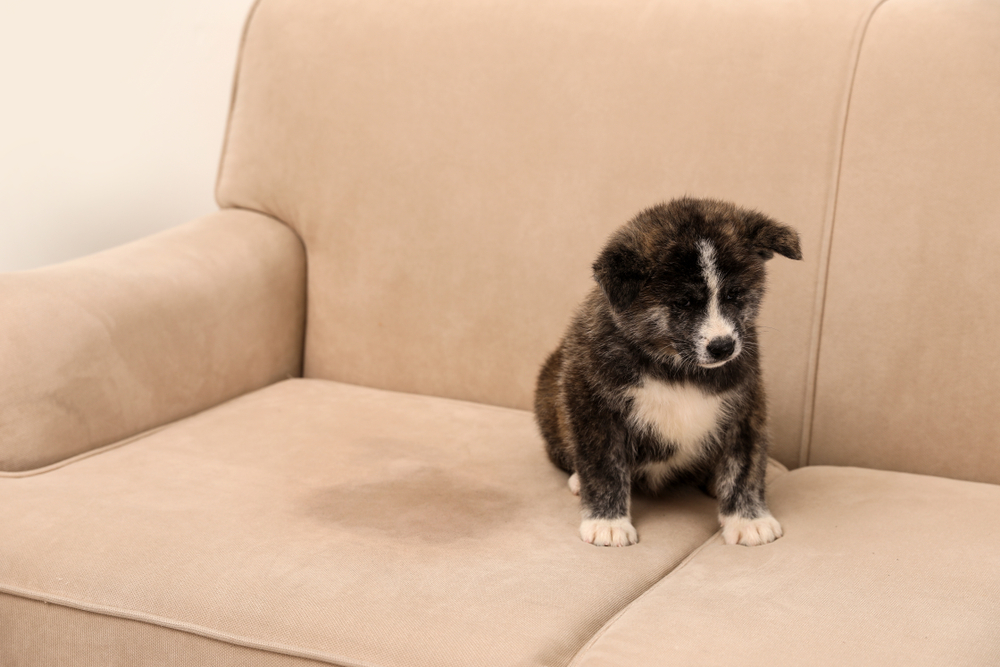
Image Source: www.madpaws.com.au
Deciphering Why Dogs Pee on Furniture
Before we can effectively stop the behavior, it’s crucial to grasp why it’s happening in the first place. Dogs, like us, communicate their needs and emotions, and urination can be a primary method for them. Several factors can contribute to a dog peeing on furniture:
- Incomplete Housebreaking: This is especially common with puppies. They are still learning the rules of the house and may have housebreaking accidents even with diligent training.
- Medical Issues: Sudden changes in urination habits, including peeing on furniture, can signal underlying medical problems. Conditions like urinary tract infections (UTIs), bladder stones, kidney disease, or even diabetes can cause increased urination or loss of bladder control.
- Anxiety and Stress: Dogs can pee indoors when they are anxious, stressed, or experiencing separation anxiety. New environments, changes in routine, loud noises (like fireworks or thunderstorms), or the absence of their owner can trigger this behavior.
- Marking Territory: Especially in intact male dogs, but also in some females and neutered/spayed dogs, peeing on vertical surfaces like furniture can be a way to dog marking territory. They are leaving their scent to communicate their presence to other animals.
- Excitement or Submissive Urination: Some dogs urinate a little when they are overly excited or when greeting people, especially if they feel submissive or fearful. This is often seen in puppies but can persist into adulthood.
- Insufficient Potty Breaks: If a dog isn’t taken outside frequently enough, especially puppies and senior dogs with less bladder control, they may have accidents indoors.
- Preference for Scented Surfaces: Sometimes, furniture might hold residual scents of other pets or previous accidents, making it a more appealing spot for your dog to relieve themselves.
When to Seek Professional Help
If you’ve ruled out immediate medical causes with your veterinarian and are still struggling with persistent furniture urination, it’s time to consult a professional. A qualified veterinarian or a certified dog behaviorist advice can help pinpoint the exact cause of the problem and develop a tailored training plan. They can assess your dog’s specific situation and offer expert guidance.
Implementing Fast and Safe Solutions
Once you have a better grasp of the potential causes, you can begin implementing strategies to stop the unwanted behavior. The key is consistency, patience, and positive reinforcement.
Step 1: Thorough Cleaning is Paramount
This is arguably the most critical step in cleaning dog urine stains and preventing repeat offenses. If your dog can still smell their urine on the furniture, they will be more likely to revisit that spot.
- Immediate Action: As soon as you discover an accident, clean it up immediately.
- Enzymatic Cleaners: Standard household cleaners may mask the odor for humans, but dogs have a superior sense of smell. You need an enzymatic cleaner specifically designed for pet urine. These cleaners contain enzymes that break down the odor-causing molecules, effectively eliminating the scent.
- How to Use Enzymatic Cleaners:
- Blot up as much urine as possible with paper towels.
- Generously apply the enzymatic cleaner to the affected area, ensuring it penetrates the fabric and padding.
- Allow the cleaner to air dry completely. This can take several hours.
- For severe or old stains, you may need to repeat the process.
- Testing: Always test enzymatic cleaners on an inconspicuous area of the furniture first to ensure they don’t damage the fabric or color.
Step 2: Reinforce Positive Potty Habits
This involves a multi-pronged approach focused on rewarding good behavior and managing the environment.
Housebreaking Revisited
- Frequent Potty Breaks: Take your dog outside very frequently. For puppies, this means every 1-2 hours, after waking up, after playing, and after eating. For adult dogs with a history of accidents, increase the frequency of trips.
- Designated Potty Spot: Choose a specific area outside for your dog to relieve themselves. Take them directly to this spot each time.
- Verbal Cues: Use a consistent verbal cue, like “Go potty” or “Hurry up,” as your dog is urinating. This helps them associate the action with the word.
- Enthusiastic Praise and Rewards: When your dog successfully eliminates in the designated spot, praise them enthusiastically and offer a high-value treat immediately. This positive reinforcement is crucial for them to understand what you want.
- Supervision: Keep a close eye on your dog, especially indoors. If you see signs they might need to go (sniffing, circling, heading towards the door), immediately take them outside.
- Confinement: When you cannot directly supervise your dog, consider using a crate or a confined area (like a playpen with appropriate bedding) where they are less likely to have accidents. This ties into dog crate training, which can be an invaluable tool for housebreaking.
Crate Training for Success
Dog crate training can be a highly effective method for preventing dog urination in the wrong places. Dogs naturally avoid soiling their sleeping and resting areas.
- Proper Crate Size: The crate should be just large enough for your dog to stand up, turn around, and lie down comfortably. If it’s too large, they might use one end as a potty area.
- Positive Association: Make the crate a positive place. Feed meals in the crate, offer special toys, and never use the crate as punishment.
- Gradual Introduction: Start with short periods of time in the crate and gradually increase the duration as your dog becomes comfortable.
- Potty Breaks After Crate Time: Always take your dog outside for a potty break immediately after they are let out of the crate.
Step 3: Discourage and Deter
These methods aim to make the furniture less appealing for urination.
Dog Pee Deterrents
There are several types of dog pee deterrents you can use:
- Commercial Sprays: Many pet stores offer sprays designed to deter dogs from marking or urinating on furniture. These often have scents that dogs dislike.
- DIY Deterrents:
- Citrus: Many dogs dislike the smell of citrus. You can try placing orange or lemon peels on or near the furniture, or use diluted citrus essential oils (ensure they are safe for pets and diluted properly).
- Vinegar: White vinegar can be effective, but its smell can be strong for humans too. Mix equal parts white vinegar and water in a spray bottle.
- Pet-Safe Repellent Mats: Some products create a mild, safe deterrent when stepped on.
- Important Considerations for Deterrents:
- Safety First: Always ensure any deterrent you use is non-toxic and safe for pets and humans.
- Effectiveness Varies: What works for one dog might not work for another. You may need to experiment.
- Not a Replacement for Training: Deterrents are best used in conjunction with proper training and cleaning, not as a standalone solution.
Physical Barriers and Management
- Coverings: Use waterproof covers or throws on your furniture, especially during the training phase. This protects your furniture and makes clean-up easier if an accident occurs.
- Temporary Barriers: Consider using baby gates or pet playpens to block access to furniture when you can’t supervise your dog.
Step 4: Addressing Specific Behavioral Triggers
If you’ve identified a specific reason for the urination, tailor your approach.
Dog Marking Territory
- Neutering/Spaying: For intact males, neutering can significantly reduce marking behavior. Spaying can also help with marking in females.
- Consistent Routine: Predictable routines for feeding, walks, and potty breaks can reduce anxiety that might lead to marking.
- Cleanliness: Regularly clean any areas where marking has occurred, especially vertical surfaces.
- Supervision: Prevent unsupervised access to areas where marking is likely.
Anxiety and Stress
- Identify the Stressor: Try to pinpoint what is causing your dog’s anxiety. Is it separation, loud noises, a new pet, or a change in the household?
- Desensitization and Counter-Conditioning: For specific fears (like thunderstorms), work with a professional on gradual exposure and positive association.
- Calming Aids: Consider pheromone diffusers, calming treats, or specialized anxiety vests. Consult your vet before using any supplements.
- Enrichment: Ensure your dog has plenty of mental and physical stimulation. A tired dog is often a less anxious dog.
Excitement or Submissive Urination
- Calm Greetings: Teach guests to greet your dog calmly. Avoid direct eye contact, boisterous petting, or overwhelming attention upon arrival.
- Ignore Accidents: When these minor accidents happen, don’t scold your dog. Clean it up without fuss. The goal is to reduce the emotional trigger.
- Build Confidence: Engage in positive training and reward confident behaviors to help your dog feel more secure.
Indoor Dog Potty Training Options
While the goal is often outdoor potty training, there are situations where indoor dog potty training might be a supplementary or primary solution, especially for very small dogs, elderly dogs, or in environments with limited outdoor access.
- Potty Pads: Place absorbent potty pads in a designated area. Gradually move the pads closer to the door or outside as your dog progresses.
- Artificial Grass Patches: These can mimic an outdoor experience and are often easier to clean than traditional potty pads.
- Transitioning: If your dog is accustomed to going on furniture, transitioning to indoor potty solutions requires similar patience and positive reinforcement as outdoor training.
Managing Accidents: The Art of Dog Accident Cleanup
Even with the best efforts, accidents can happen. How you handle them is crucial for your dog’s continued learning.
- Don’t Punish After the Fact: If you discover an accident after it has happened, do not punish your dog. They won’t connect the punishment to the past event, and it can create fear and anxiety, potentially worsening the problem.
- Interrupt, Don’t Punish: If you catch your dog in the act, calmly interrupt them with a gentle sound (like a clap) and immediately take them outside to their designated potty spot. If they finish outside, praise them.
- Clean Thoroughly: As mentioned, proper dog accident cleanup using enzymatic cleaners is vital to prevent repeat offenses.
Maintaining a Furniture-Friendly Home Long-Term
Once your dog has stopped peeing on furniture, it’s important to maintain good habits and prevent relapses.
- Continued Reinforcement: Continue to offer praise and occasional rewards for appropriate potty behavior.
- Regular Potty Schedule: Maintain a consistent schedule for potty breaks, even when your dog is fully trained.
- Monitor for Stress: Be aware of potential stressors in your dog’s life and address them proactively.
- Annual Vet Check-ups: Regular vet visits can catch any medical issues that might arise and affect bladder control.
- Introducing New Furniture: When you get new furniture, use deterrents and close supervision initially to ensure your dog doesn’t see it as a new marking opportunity.
Common Challenges and How to Overcome Them
- Stubborn Urination: Some dogs are more resistant to training. Patience and consulting a dog behaviorist advice might be necessary.
- Older Dogs Relapsing: Age can bring incontinence. Discuss options with your vet, which might include medication or specialized diapers.
- Multi-Dog Households: If you have multiple dogs, you may need to address individual training needs and potential social dynamics contributing to marking.
Table: Common Causes and Solutions
| Cause | Solutions |
|---|---|
| Incomplete Housebreaking | Frequent potty breaks, positive reinforcement, supervision, crate training. |
| Medical Issues | Veterinary examination and treatment. |
| Anxiety/Stress | Identify stressors, desensitization, calming aids, enrichment, professional behaviorist consultation. |
| Marking Territory | Neutering/spaying, consistent routine, thorough cleaning, supervision. |
| Excitement/Submissive Pee | Calm greetings, ignore accidents, build confidence, professional behaviorist consultation. |
| Insufficient Potty Breaks | Increase frequency of outdoor trips, establish a strict schedule. |
| Scented Surfaces | Thorough cleaning with enzymatic cleaners, use deterrents. |
Frequently Asked Questions (FAQ)
Q1: How long does it take to stop a dog from peeing on furniture?
A1: The timeline varies greatly depending on the dog’s age, the cause of the behavior, and the consistency of your training. Some dogs respond within weeks, while others may take several months. Patience and persistence are key.
Q2: Can I use bleach to clean dog urine?
A2: No, you should never use bleach to clean dog urine. Bleach contains ammonia, which is chemically similar to urine. Using bleach can actually encourage your dog to pee in that spot again because it reinforces the scent. Always use an enzymatic cleaner.
Q3: My dog only pees on my couch. Why?
A3: The couch might be a comfortable, soft surface that holds scent well, making it an attractive target. It could also be a prime spot where your dog feels most anxious or where they typically receive attention. Thorough cleaning and making the couch less accessible or appealing are essential.
Q4: Is it okay to yell at my dog if I catch them peeing on furniture?
A4: While it’s natural to be upset, yelling can actually make the problem worse by creating fear and anxiety, which can lead to more accidents. It’s more effective to interrupt the behavior calmly and redirect your dog to the appropriate potty spot.
Q5: What is the best dog pee deterrent for furniture?
A5: Enzymatic cleaners are the best for dog accident cleanup, as they eliminate the odor. For deterrents, many owners find success with citrus scents or commercial pet-safe sprays. However, effectiveness varies, and it’s crucial to test any deterrent in an inconspicuous area first.
Q6: Can dog crate training help prevent furniture urination?
A6: Yes, dog crate training is a highly effective method for preventing accidents because dogs generally avoid soiling their sleeping areas. It helps provide a safe space for your dog when unsupervised and aids in housebreaking.
By following these comprehensive strategies, you can effectively address and stop your dog from peeing on furniture, restoring peace and cleanliness to your home. Remember to be patient, consistent, and always choose humane and positive reinforcement methods.