
Can dogs lick other dogs’ ears too much? Yes, some dogs may lick other dogs’ ears excessively, which can sometimes lead to issues. This blog post will explore why dogs engage in this behavior and offer effective strategies to manage and stop it.
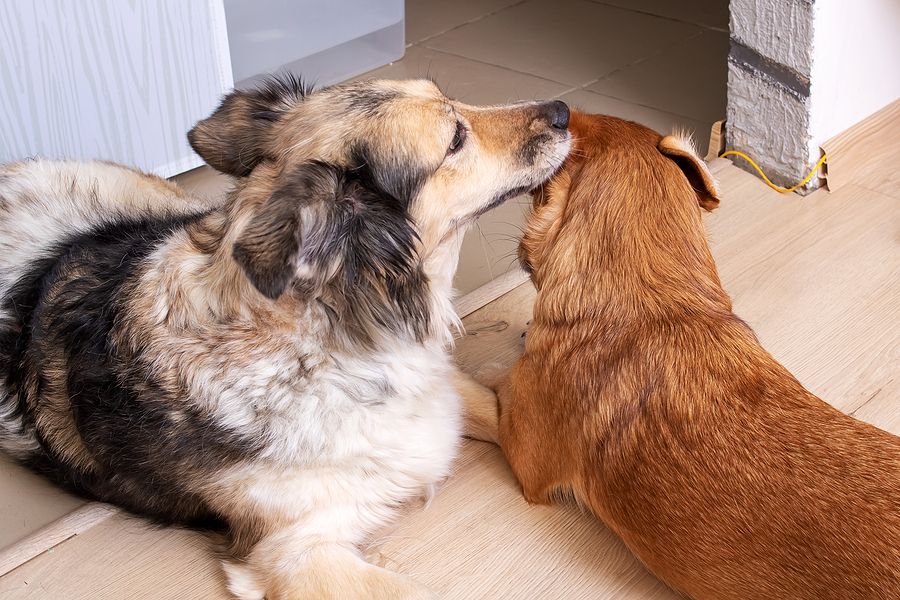
Image Source: midlandspetcare.com
Why Dogs Lick Each Other’s Ears
Social grooming is a natural and important part of canine communication and dog bonding. Dogs lick each other’s ears as a way to:
- Show Affection and Care: Licking is often a sign of affection, similar to how a mother dog licks her puppies. A dog licking another’s ears might be expressing friendship or concern.
- Gather Information: Dogs have a keen sense of smell, and ear wax and secretions can contain valuable scent information. Licking might be a way for them to “read” what’s happening with their canine companion.
- Calming Signals: Licking can be a calming behavior for dogs, both for the one doing the licking and sometimes for the one being licked. It can help reduce anxiety in social situations.
- Establish Social Hierarchy: In some cases, licking can be part of how dogs establish their pecking order within a group.
- Compulsive Behavior: For some dogs, licking can become a compulsive habit, similar to obsessive-compulsive disorder in humans. This might stem from boredom, anxiety, or even underlying medical issues.
- Attention Seeking: If a dog learns that licking another dog’s ears gets a reaction (even a negative one), they might continue the behavior to seek attention.
- Taste or Smell: Let’s be honest, some dogs just seem to enjoy the taste or smell of ear wax! While not ideal for dog hygiene, it’s a simple explanation for the behavior.
The Role of Social Grooming in Dog Packs
In wild canids, and even in domestic dog packs, social grooming, also known as allogrooming, is a vital activity. It strengthens bonds between individuals and helps maintain group cohesion. Licking is a primary method of this grooming. When dogs lick each other, especially around the sensitive ear area, they are reinforcing their social connections. This is a significant aspect of dog behavior and crucial for healthy puppy socialization.
When Licking Becomes a Problem
While generally harmless and even beneficial, excessive ear licking can become a concern. This is particularly true if:
- It causes discomfort or pain: If the dog being licked shows signs of distress, trying to pull away, or yelping, the licking is unwanted.
- It leads to irritation or infection: Constant licking can irritate the delicate skin within a dog’s ear canal, making it more susceptible to secondary infections. This is where preventing ear infections becomes paramount.
- It’s a sign of stress or anxiety: If your dog is licking ears compulsively or excessively, it might indicate an underlying stressor or anxiety.
- It’s disrupting social interactions: If your dog’s licking prevents other dogs from enjoying play or rest, it’s time to intervene.
Identifying Signs of Discomfort
It’s important to be observant of the dog whose ears are being licked. Look for:
- Moving away: The dog tries to physically escape the licker.
- Lip licking: A common sign of stress in dogs.
- Yawning: Another stress signal.
- Whale eye: The whites of the eyes become visible.
- Growling or snapping: The dog is clearly telling the licker to stop.
- Pinned ears: Ears held back against the head.
If you see any of these signs, the licking needs to stop immediately.
Strategies to Stop Dog Licking Other Dogs Ears
There are several effective ways to manage and stop this behavior, focusing on redirection, management, and training.
1. Immediate Interruption and Redirection
The most direct approach is to stop the behavior the moment it happens and then redirect the dog’s attention.
- Gentle Intervention: If you see your dog licking another dog’s ears inappropriately, gently interrupt the behavior. You can use a soft verbal cue like “enough” or “leave it.”
- Offer an Alternative: Immediately offer your dog something else to do or chew on. This could be a favorite toy, a puzzle feeder, or a high-value chew. The goal is to redirect their focus from the other dog’s ears to something appropriate.
- Positive Reinforcement: When your dog disengages from the other dog’s ears and engages with the new item, praise them enthusiastically. This helps them associate positive outcomes with choosing the alternative.
Table 1: Interruption and Redirection Techniques
| Scenario | Interruption Method | Redirection Activity | Positive Reinforcement |
|---|---|---|---|
| Dog licking another’s ears | Verbal cue (“enough”) | Offer chew toy or puzzle | Praise and a treat |
| Dog obsessively sniffing ears | Gentle leash pressure (if on) | Call for a simple command | Treat for responding |
| Dog initiating licking | Physical separation (brief) | Engage in a game or training | Calm praise for engaging |
2. Management and Environmental Control
Sometimes, the best way to stop a behavior is to prevent it from happening in the first place.
- Supervision: Always supervise your dogs when they are interacting, especially if one has a tendency to lick the other’s ears excessively. This allows you to intervene before the behavior escalates.
- Time-Outs: If the licking becomes persistent, you might need to implement brief, positive time-outs. Gently remove the licking dog from the situation for a minute or two until they are calm. Then, allow them back to re-engage, but with supervision.
- Separation: In cases where the licking is very intense or causing distress to the other dog, temporary separation might be necessary to give both dogs a break.
3. Training Techniques
Teaching your dog alternative behaviors and reinforcing good manners can go a long way.
- “Leave It” Command: This is a crucial command for any dog owner. Train your dog to “leave it” for objects, food, and even other dogs. Practice this in various controlled environments.
- How to Train “Leave It”:
- Hold a treat in your closed fist. Let your dog sniff and lick your hand.
- When your dog stops trying to get the treat and looks away or backs off, say “Yes!” and give them the treat from your other hand.
- Once they understand, place a treat on the floor and cover it with your hand. When they stop pawing or nudging, say “Yes!” and give them the treat.
- Progress to leaving the treat uncovered, saying “Leave it.” Reward them when they disengage.
- Gradually increase the difficulty by using less appealing items and practicing around distractions.
- How to Train “Leave It”:
- Recall Training: A strong recall can pull your dog away from any unwanted behavior, including ear licking. Ensure your dog comes to you reliably when called.
- Impulse Control Exercises: Games that encourage impulse control, like “stay” or waiting for a command before eating, can help a dog learn to manage their urges.
4. Addressing Underlying Issues
If the ear licking is compulsive or appears to be a sign of anxiety, it’s important to address the root cause.
- Boredom: Ensure your dog is getting enough physical and mental stimulation. Daily walks, playtime, training sessions, and puzzle toys can help prevent boredom-related behaviors.
- Anxiety: Stress and anxiety can manifest in various ways, including compulsive licking. Identify potential stressors in your dog’s environment and work to mitigate them. This might involve creating a safe space, using calming aids, or consulting with a professional.
- Medical Conditions: While less common, ear licking could sometimes be linked to an underlying medical issue. If the licking is sudden, intense, or accompanied by other symptoms, a visit to the veterinarian is recommended. They can check for canine ear cleaning needs or any other dog health concerns.
5. Socialization and Exposure
For puppies, proper puppy socialization is key to developing appropriate social behaviors. Exposure to a variety of dogs in controlled, positive settings can help them learn how to interact respectfully. However, even well-socialized adult dogs can develop this habit.
Grooming and Hygiene Considerations
Proper dog grooming and dog hygiene practices are important, though they don’t directly stop one dog licking another’s ears. However, keeping ears clean and healthy can reduce the temptation.
- Regular Ear Checks: Periodically check your dogs’ ears for redness, discharge, odor, or excessive wax.
- Gentle Cleaning: If your veterinarian recommends it, use a dog-specific ear cleaner to gently clean the outer ear canal. Never insert anything deep into the ear canal. The goal is to maintain health, not to eliminate all natural ear secretions that dogs might find interesting. Over-cleaning can sometimes lead to irritation.
- Veterinary Advice: Always consult with your veterinarian before starting any ear cleaning routine or if you suspect an ear infection. They can provide specific guidance based on your dog’s needs.
The Science Behind the Licking
Dogs’ tongues are designed for cleaning and tasting. Their saliva contains enzymes, and their sense of taste and smell is far superior to ours. What might seem unusual to us is often perfectly normal for a dog, albeit sometimes excessive. The cerumen (earwax) in a dog’s ear can contain pheromones and other scent markers that other dogs are naturally drawn to. This is part of their sophisticated chemical communication system.
When to Seek Professional Help
If you’ve tried various methods and are still struggling to manage the excessive ear licking, it’s time to seek professional guidance.
- Certified Professional Dog Trainer (CPDT-KA/SA): A trainer can help assess the behavior in context and provide tailored training plans, focusing on positive reinforcement techniques.
- Veterinary Behaviorist: For more complex cases involving anxiety, compulsive behaviors, or aggression, a veterinary behaviorist is the best resource. They can diagnose underlying medical or behavioral issues and develop a comprehensive treatment plan.
Understanding Your Dog’s Motivations
Comprehending why your dog is licking another dog’s ears is the first step to finding a solution. Is it a friendly gesture, a sign of anxiety, or something else? Observing their body language and the context in which it occurs will provide clues.
Practical Steps for Owners
Here’s a summary of actionable steps you can take:
- Observe and Analyze: Watch when and how often the licking occurs. Note the body language of both dogs.
- Interrupt and Redirect: Have toys or chews ready. Calmly interrupt the licking and offer an alternative.
- Manage the Environment: Supervise interactions closely. Separate dogs if the licking becomes overwhelming.
- Train Basic Commands: Ensure commands like “leave it” and “come” are strong.
- Provide Enrichment: Combat boredom with adequate exercise, mental stimulation, and training.
- Maintain Hygiene: Keep ears clean as advised by your vet.
- Seek Professional Help: Don’t hesitate to consult a trainer or vet behaviorist if needed.
Frequently Asked Questions (FAQ)
Q1: Is it normal for dogs to lick each other’s ears?
A1: Yes, to a degree. Social grooming is common among dogs and includes licking ears as a way to show affection, gather information, and bond. However, excessive or persistent licking can be problematic.
Q2: Can ear licking cause ear infections in dogs?
A2: While not a direct cause, excessive licking can irritate the sensitive skin in a dog’s ear canal, making it more prone to secondary bacterial or yeast infections.
Q3: What should I do if my dog is licking another dog’s ears too much?
A3: You should interrupt the behavior calmly and redirect your dog’s attention to an appropriate activity, such as a toy or chew. Positive reinforcement for disengaging is key.
Q4: How can I prevent my dog from licking other dogs’ ears?
A4: Prevention involves management, such as supervising interactions, and training, such as teaching a solid “leave it” command. Ensuring your dog has enough physical and mental stimulation can also help.
Q5: Should I clean my dog’s ears if they are being licked by another dog?
A5: It’s always a good idea to keep your dog’s ears clean as part of their regular dog hygiene routine, especially if you notice any signs of irritation or discharge. However, follow your veterinarian’s advice on how often and how to clean them. Over-cleaning can sometimes be detrimental.
Q6: My puppy seems to lick every dog’s ears. Is this normal during puppy socialization?
A6: Puppies explore the world with their mouths and often engage in social grooming as part of learning how to interact. While it’s common, you should still gently redirect excessive licking and teach them appropriate manners as they grow. Early positive experiences during puppy socialization are important.
Q7: What if the dog being licked seems to enjoy it?
A7: Even if the dog being licked appears to tolerate or enjoy it, very prolonged or intense licking can still cause irritation. It’s still advisable to manage the behavior to ensure the health and comfort of both dogs. You want to foster healthy dog bonding, not potentially harmful habits.
By implementing these strategies, you can effectively manage and stop your dog from licking other dogs’ ears excessively, ensuring a harmonious and healthy environment for all canine companions.