
Can my dog pee in her sleep? Yes, dogs can pee in their sleep. This common issue, often referred to as nocturnal urination or dog incontinence sleep, can be distressing for both you and your canine companion. This comprehensive guide delves into the various reasons behind this behavior and offers practical solutions for stopping dog accidents at night, ensuring a drier, more restful night for everyone. We’ll explore everything from puppy peeing in sleep to age-related changes and medical conditions.
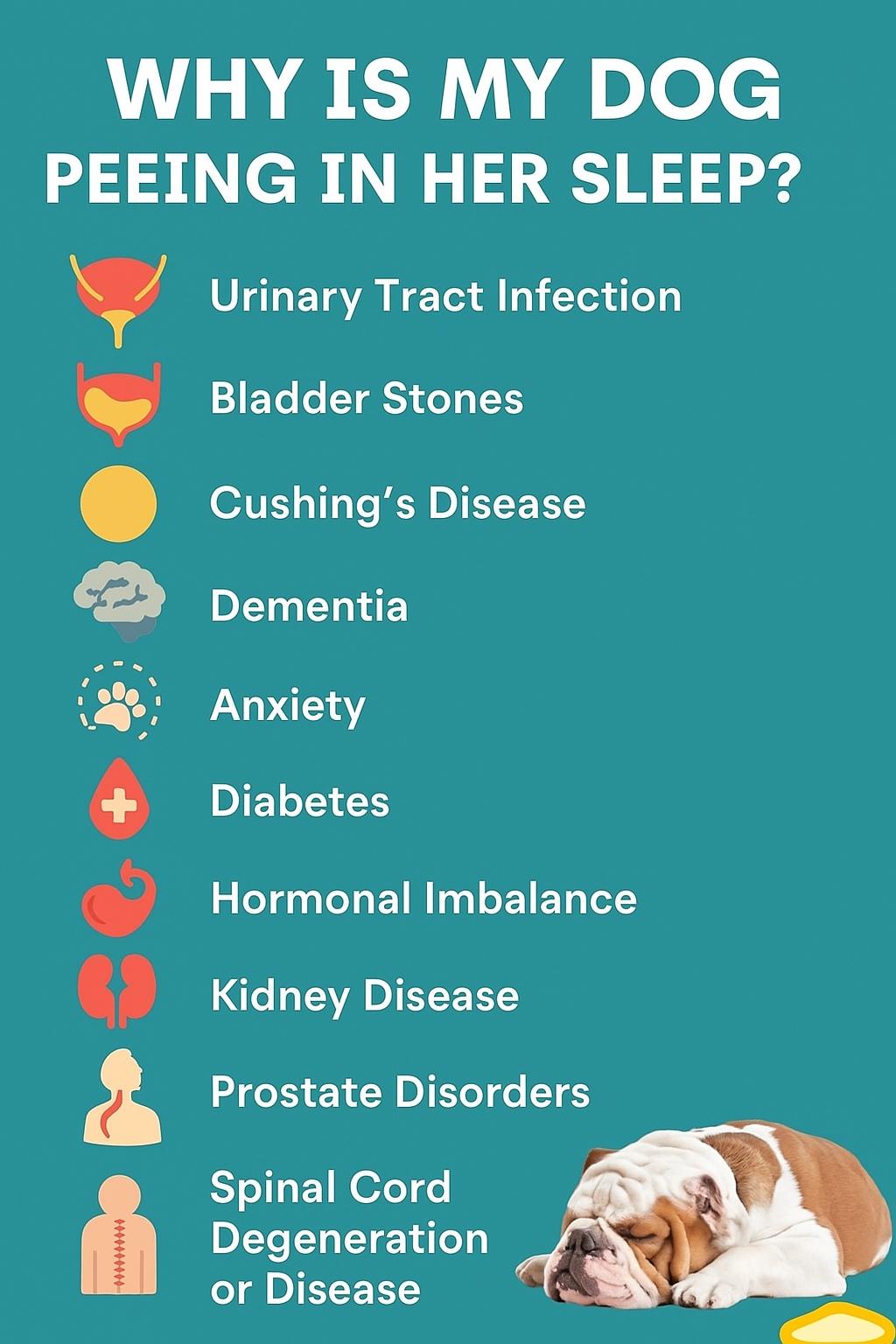
Image Source: cdn05.zipify.com
Deciphering the Reasons Behind Nocturnal Urination
Several factors can contribute to a dog peeing in her sleep. It’s crucial to identify the root cause to implement the most effective strategy for stopping dog accidents at night.
Medical Conditions
Many underlying health issues can lead to a dog wetting bed. Prompt veterinary attention is vital to rule out or treat these conditions.
Urinary Tract Infections (UTIs)
UTIs are a frequent cause of increased urination, including at night. Bacteria infect the bladder, causing inflammation and a constant urge to urinate.
- Symptoms: Frequent, small amounts of urine; straining to urinate; blood in the urine; licking the genital area; accidents inside the house, even for house-trained dogs.
- Diagnosis: Your vet will likely perform a urinalysis to detect bacteria and white blood cells.
- Treatment: Antibiotics are typically prescribed to clear the infection.
Kidney Disease
As kidney function declines, the kidneys are less able to concentrate urine. This results in the production of more dilute urine, leading to increased urination frequency and potential accidents.
- Symptoms: Increased thirst and urination, lethargy, weight loss, vomiting, poor appetite.
- Diagnosis: Blood tests and urinalysis are essential for diagnosing kidney disease.
- Treatment: Management focuses on slowing disease progression and may include dietary changes and medications.
Diabetes Mellitus
Diabetic dogs often experience increased thirst and urination due to high blood sugar levels. The body tries to flush out excess glucose through the kidneys, leading to more frequent voiding.
- Symptoms: Excessive thirst, increased appetite, weight loss, fatigue, cloudy eyes.
- Diagnosis: Blood and urine tests to check glucose levels.
- Treatment: Insulin therapy, diet adjustments, and regular monitoring are key.
Hormonal Imbalances
Certain hormonal issues can affect bladder control.
- Cushing’s Disease (Hyperadrenocorticism): This condition causes the body to produce too much cortisol, leading to increased thirst and urination.
- Addison’s Disease (Hypoadrenocorticism): A deficiency in cortisol can also impact the body’s ability to regulate electrolytes and fluid balance, sometimes leading to urinary issues.
- Hypothyroidism: While less common as a direct cause, an underactive thyroid can sometimes contribute to general lethargy and reduced bladder tone.
Bladder Stones or Tumors
Physical obstructions or irritations within the urinary tract can cause discomfort and frequent urination.
- Symptoms: Straining, pain during urination, blood in urine, frequent but small amounts of urine.
- Diagnosis: X-rays or ultrasounds can reveal stones or tumors.
- Treatment: Surgical removal is often necessary for stones and tumors.
Neurological Issues
Damage to the nerves controlling the bladder can impair a dog’s ability to sense a full bladder or to voluntarily control urination.
- Causes: Spinal injuries, intervertebral disc disease (IVDD), tumors affecting the spinal cord or brain, age-related neurological decline.
- Symptoms: Difficulty urinating, dribbling urine, hind limb weakness, hind end paralysis.
- Diagnosis: Neurological examination, imaging like MRI or CT scans.
- Treatment: Varies greatly depending on the cause, ranging from medication to surgery.
Behavioral and Age-Related Factors
Not all nocturnal urination is due to illness. Age and behavioral patterns also play a significant role.
Puppy Peeing in Sleep
Puppies have small bladders and are still developing their full bladder control. It’s normal for them to have occasional accidents, especially during deep sleep or REM cycles. This is part of the normal puppy peeing in sleep learning process.
- Causes: Immature bladder muscles, insufficient daytime potty breaks, excitement or fear, incomplete house training.
- Management: Frequent potty breaks, especially before bedtime and immediately upon waking. Positive reinforcement for successful potty trips.
Senior Dog Incontinence Sleep
As dogs age, their bladder muscles can weaken, and their ability to hold urine may decrease. This is a common cause of dog incontinence sleep.
- Causes: Reduced bladder muscle tone, cognitive dysfunction (doggy dementia), weakened sphincter muscles.
- Management: More frequent potty breaks, raised water bowls if hydration is an issue, potentially medication or supplements to improve bladder control.
Stress and Anxiety
A stressed or anxious dog may exhibit a variety of behaviors, including inappropriate urination. If your dog is fearful or experiencing separation anxiety, she might pee in her sleep as a response to her emotional state.
- Triggers: Loud noises (thunderstorms, fireworks), changes in routine, new pets or people in the household, separation from owners.
- Management: Identifying and minimizing stressors, creating a safe space, using calming aids (pheromones, calming supplements), consulting a veterinary behaviorist.
Submissive or Excitement Urination
While typically seen during greetings, some dogs may urinate involuntarily when dreaming, especially if the dream involves excitement or a startling event. This is less common for peeing in sleep and more likely upon waking.
- Management: Avoid overwhelming your dog during greetings, ensure she has opportunities to relieve herself before sleep.
How To Manage Dog Nighttime Urination
Once the cause is identified, you can implement specific strategies to manage and stop dog accidents at night.
Veterinary Consultation is Key
Before trying any home remedies, it’s essential to consult your veterinarian. They can perform a thorough examination, run diagnostic tests, and accurately diagnose the cause of your dog’s nocturnal urination.
Table 1: Diagnostic Steps Your Vet Might Take
| Diagnostic Test | Purpose | What it Checks For |
|---|---|---|
| Physical Exam | General health assessment | Overall condition, abdominal palpation |
| Urinalysis | Assess urine health and detect abnormalities | Infection (bacteria, white blood cells), blood, glucose |
| Blood Work (CBC/Chem) | Evaluate organ function and detect systemic diseases | Kidney function, liver function, diabetes, infections |
| Urine Culture | Identify specific bacteria causing infection | Bacterial presence and sensitivity to antibiotics |
| X-rays/Ultrasound | Visualize internal organs, detect stones or tumors | Bladder stones, kidney abnormalities, masses |
| Neurological Exam | Assess nerve function and spinal cord health | Reflexes, gait, sensory responses |
Adjusting Feeding and Watering Schedules
Dietary management can significantly impact nighttime urination.
- Limit Water Before Bedtime: About 2-3 hours before your dog’s last potty break of the night, consider removing their water bowl. Ensure they have had access to fresh water throughout the day. This is a critical step for how to manage dog nighttime urination.
- Feed Meals Earlier: Avoid feeding large meals close to bedtime. Digestive processes can increase thirst and urine production.
Enhancing Potty Training and Routine
Consistency is crucial for house training accidents sleep.
- Frequent Potty Breaks: For puppies and older dogs, establish a strict potty schedule. Take them out first thing in the morning, after meals, after naps, after play sessions, and right before bed.
- Nighttime Potty Breaks: If your dog is still having accidents, consider a middle-of-the-night potty break. Set an alarm to wake up and take them outside. Gradually extend the time between these breaks as they improve.
- Positive Reinforcement: Praise and reward your dog enthusiastically when they eliminate outside, especially during potty breaks. This positive association reinforces the desired behavior.
Creating a Comfortable Sleep Environment
Sometimes, the sleep environment can play a role.
- Waterproof Bedding: Invest in waterproof dog bed covers or orthopedic dog beds with washable, waterproof liners to protect the mattress. This is a practical solution for dog wetting bed issues.
- Confined Sleeping Area: For puppies or dogs prone to accidents, confining them to a crate or a smaller, easy-to-clean area can help. This is particularly useful for puppy wetting the bed. Ensure the crate is the right size – large enough for them to stand, turn around, and lie down comfortably, but not so large that they can use one end as a potty area.
- Washable Dog Beds and Blankets: Keep your dog’s sleeping area clean by regularly washing bedding.
Medical Interventions and Treatments
Depending on the diagnosis, your vet may recommend specific treatments.
Medications
- For Incontinence: Medications like phenylpropanolamine (PPA) or diethylstilbestrol (DES) can help strengthen the urethral sphincter. For older dogs, certain supplements like cranberry extract or pumpkin seed extract may support urinary health.
- For UTIs: Antibiotics are crucial for treating infections.
- For Diabetes/Cushing’s: Specific treatments for these hormonal and metabolic disorders will be prescribed.
Supplements and Therapeutics
- Proanthocyanidins (from Cranberry): These can help prevent bacteria from adhering to the bladder wall, potentially reducing UTI recurrence.
- Pumpkin Seed Extract: May have a mild diuretic effect and can support bladder muscle tone.
- Glucosamine and Chondroitin: Often used for joint health, these can also support bladder tissue health.
Surgical Options
In rare cases, surgical intervention might be considered for severe incontinence due to anatomical abnormalities or a weakened sphincter that doesn’t respond to medication.
Addressing Puppy Peeing in Sleep Specifically
Puppies are learning and developing, so patience and consistency are key when dealing with puppy peeing in sleep.
Key Strategies for Puppies
- Frequent Potty Trips: Aim for potty breaks every 2-3 hours initially, and always after waking, playing, or eating.
- Supervision: Keep a close eye on your puppy during waking hours. If you see signs of needing to go (sniffing, circling, whining), take them out immediately.
- Crate Training: A properly sized crate can be invaluable. Puppies are naturally reluctant to soil their sleeping area. If your puppy pees in the crate, it might be too large, or they may have been left for too long.
- Nighttime Potty Breaks: Be prepared to wake up at least once during the night for potty breaks, especially in the first few months.
- Limit Water Before Bed: As mentioned, this is crucial for all dogs, but especially for puppies.
Managing Dog Incontinence Sleep in Senior Dogs
Older dogs may experience a decline in bladder control, leading to dog incontinence sleep.
Tailored Care for Senior Dogs
- Increased Potty Frequency: Even if your senior dog was perfectly housetrained, you may need to increase the frequency of potty breaks.
- Assisted Potty Breaks: If your dog has mobility issues, help them get outside.
- Dietary Adjustments: Discuss with your vet if your senior dog’s diet is appropriate for their age and any health conditions they might have. Some senior diets can support kidney and urinary tract health.
- Comfortable Sleeping Surfaces: Ensure their bedding is soft and supportive, especially if they have arthritis or other mobility issues that make it hard to get up quickly.
- Monitoring for Cognitive Decline: If increased accidents coincide with other behavioral changes (disorientation, changes in sleep-wake cycles), your dog might be experiencing canine cognitive dysfunction.
Frequently Asked Questions (FAQ)
Q1: How often should I take my puppy out to pee?
A: For young puppies, every 2-3 hours is a good starting point. Always take them out after waking, playing, eating, and before bedtime.
Q2: My adult dog is suddenly peeing in her sleep. What could be the cause?
A: Sudden onset of nocturnal urination in an adult dog warrants a veterinary visit. It could indicate a urinary tract infection, kidney issues, diabetes, hormonal imbalances, or neurological problems.
Q3: Can I use doggy diapers for my dog who wets the bed?
A: Doggy diapers can be a temporary solution for managing accidents, especially during travel or recovery from illness. However, they don’t address the underlying cause and should be used under veterinary guidance. Ensure proper hygiene to prevent skin irritation.
Q4: Is it normal for my dog to pee in her sleep if she’s dreaming?
A: While dreams can sometimes cause involuntary muscle twitches, consistent peeing in sleep is usually indicative of an underlying issue rather than just dreaming. If it’s a recurring problem, consult your vet.
Q5: Are there any natural remedies to help my dog with bladder control?
A: Some supplements like cranberry extract, pumpkin seed extract, or herbs like marshmallow root may offer support for urinary tract health and bladder tone. Always discuss these with your veterinarian before use to ensure they are safe and appropriate for your dog.
Q6: My dog is peeing in her sleep, but she doesn’t seem to have any other symptoms. What should I do?
A: Even without other visible symptoms, a veterinary check-up is highly recommended. Many medical conditions that cause incontinence are not immediately obvious in other ways.
Q7: How can I stop my dog from having house training accidents sleep?
A: Consistent potty training, frequent supervised potty breaks, limiting water before bed, and addressing any underlying medical or behavioral issues are the most effective ways to prevent house training accidents sleep.
Q8: My older dog is starting to pee in her sleep. Is this just part of getting old?
A: While age-related weakening of bladder muscles can contribute to incontinence, it’s important to rule out other medical conditions that can affect older dogs. Talk to your vet about management options for senior dogs.
Stopping dog accidents at night requires patience, observation, and often, veterinary guidance. By understanding the potential causes of dog wetting bed and nocturnal urination dog, you can work towards a solution that ensures a comfortable and dry environment for your beloved pet. Whether it’s puppy peeing in sleep or incontinence in older dogs, addressing the issue promptly will lead to a happier, healthier companion.