
Can you train a dog to find shed antlers? Absolutely! Shed hunting with a dog is a rewarding adventure for both you and your canine companion. It taps into their natural instincts and provides a fantastic way to bond while enjoying the outdoors. This comprehensive guide will walk you through proven methods for shed dog training, transforming your pup into an efficient antler locator.
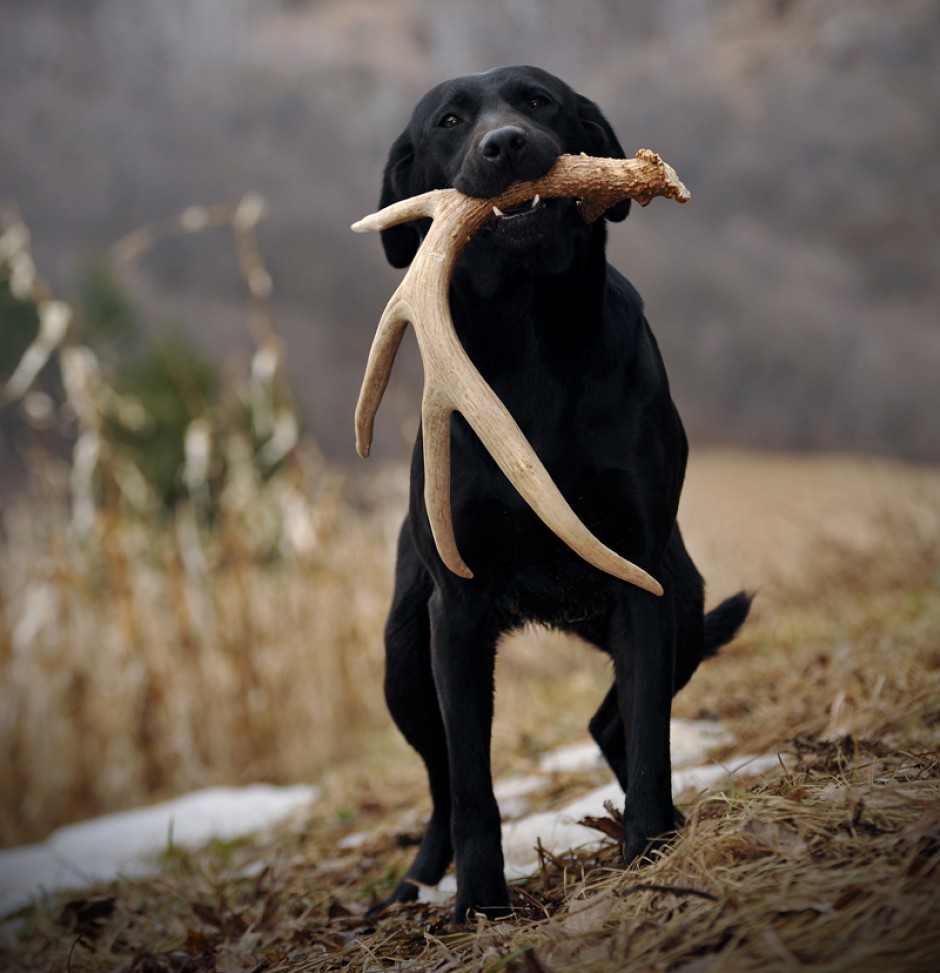
Image Source: dogbonehunter.com
Laying the Foundation: Essential Skills Before Shed Hunting
Before you even introduce your dog to shed antlers, they need a solid foundation in basic obedience training for dogs. This ensures they listen to your commands and stay focused, even when exciting smells or sights distract them.
Core Obedience Commands
A well-trained dog is crucial for successful shed hunting. Start with these fundamental dog training commands:
- “Sit”: Essential for control and focus.
- “Stay”: Keeps your dog in place while you search or retrieve.
- “Come” (Recall): The most important command for safety and efficiency.
- “Leave It”: Crucial for preventing your dog from chewing or destroying antlers they find.
- “Fetch” or “Get It”: The precursor to retrieving antlers.
Building a Strong Bond and Drive
Drive building for dogs is paramount in any working or sporting activity. You want your dog to be eager and motivated to participate. This is achieved through positive interactions and making the training fun.
The Power of Positive Reinforcement Dog Training
Positive reinforcement dog training is the most effective and humane approach. It focuses on rewarding desired behaviors, making the dog more likely to repeat them.
- High-Value Rewards: Use treats your dog absolutely loves, like small pieces of cooked chicken, cheese, or commercial training treats.
- Praise and Affection: Verbal praise (“Good boy!”, “Yes!”) and petting can be powerful motivators.
- Play: Incorporate toys your dog enjoys as rewards. A quick game of tug can be highly reinforcing.
- Timing is Key: Deliver the reward immediately after the desired behavior so your dog associates the action with the positive outcome.
Retrieving Training for Dogs: The Core Skill
Retrieving training for dogs is the bedrock of shed hunting. Your dog needs to understand the concept of finding an object, picking it up, and bringing it back to you.
Step 1: Introducing the “Toy”
Start with a retrieved item that is not yet an antler. A bumper, a slobbery tennis ball, or even a sturdy rope toy can work.
- Get Your Dog Excited: Wiggle the toy, make excited noises, and let your dog chase it.
- Encourage Grabbing: When your dog mouths the toy, praise them enthusiastically.
- The “Give” Command: Teach your dog to release the toy on command. Offer a treat in exchange for the toy, saying “Give” as they drop it.
Step 2: Building the Fetch Sequence
Once your dog is reliably grabbing and giving the toy, gradually increase the challenge.
- Short Tosses: Throw the toy a short distance and encourage your dog to bring it back.
- Increase Distance: As your dog succeeds, gradually increase the distance of the throws.
- The Retrieve Game: Make it a fun game. You throw, they fetch, they give, you praise and reward.
Introducing Shed Antlers: The Scent Training for Dogs Journey
Now, we introduce the star of the show: shed antlers! Scent training for dogs is the art of teaching them to associate the unique smell of antlers with a reward.
Sourcing Your Shed Antlers
- Freshness: While older sheds can work, fresher sheds often have a stronger scent.
- Variety: Use sheds from different animals (deer, elk, moose) if possible, as they have slightly different scent profiles.
- Cleanliness: Ensure the sheds are clean and free of any strong human or foreign scents.
Step 1: Familiarization and Scent Association
The first step is to get your dog comfortable with the scent of antlers without overwhelming them.
- Controlled Introduction: Place a shed antler on the floor in a quiet room.
- Positive Interaction: Encourage your dog to investigate the antler. If they show interest, praise and reward them.
- Scented Blanket: Rub a shed antler on a blanket or towel and let your dog interact with that. This helps them associate the scent with something familiar and positive.
Step 2: The “Find It” Game
This game directly teaches your dog to search for a specific scent.
- Hide a Shed: Start by hiding a shed antler in plain sight or just slightly out of view.
- “Find It” Command: Use a clear command like “Find it!” or “Seek!” as you show your dog the antler before hiding it.
- Guide and Reward: Let your dog sniff around. If they find it, celebrate with praise and a high-value treat.
- Gradual Difficulty: Slowly increase the difficulty by hiding the antler in more challenging spots.
Step 3: Introducing Scent Discrimination Training
This is where your dog learns to differentiate the scent of antlers from other smells.
- Multiple Scents: Place a shed antler and one or two other items with different, less interesting scents (e.g., a plain stick, a rubber toy).
- “Find It”: Give the command and encourage your dog to find the antler.
- Reward Only for the Antler: Only reward your dog when they select and bring you the shed antler. If they pick up the wrong item, calmly redirect them and try again.
- Repeat and Vary: Practice this regularly, varying the “distractor” items and hiding locations.
Advanced Shed Dog Training Techniques
Once your dog has a good grasp of basic retrieving and scent association, you can move on to more advanced shed dog training methods.
Driving Your Dog’s Interest: Building Persistence
Drive building for dogs is about nurturing their innate desire to work and succeed. For shed hunting, this means building persistence and focus.
- Controlled Frustration: Sometimes, making an antler slightly harder to get (but still achievable) can increase drive. For example, hide it under a light layer of leaves.
- Varying Rewards: Don’t always reward with food. A quick game of fetch with a favorite toy can be just as, if not more, motivating for some dogs.
- Short, Successful Sessions: Keep training sessions short and always end on a high note, with a successful find and reward. This builds confidence and enthusiasm.
Tracking Training for Dogs: Following a Scent Trail
While shed hunting is primarily about finding the dropped antler, tracking training for dogs can be beneficial, especially for locating antlers that have been moved by weather or scavengers.
- Scent Trail Basics: Lay a short, clear trail with an antler. Start with very few turns and short distances.
- “Track” Command: Use a command like “Track” or “Follow” as you begin the trail.
- Leash Guidance: Initially, use a long leash to guide your dog along the trail, rewarding them for staying on scent.
- Increasing Complexity: As your dog progresses, you can add more turns, longer distances, and distractions to the trail.
Introducing Different Environments
Shed hunting takes place in various terrains. Gradually expose your dog to different environments.
- Woodlands: Forests with varying undergrowth.
- Open Fields: Grasslands and meadows.
- Hills and Slopes: Practicing on uneven terrain.
Always supervise your dog and ensure they are comfortable and safe in these new environments.
Field Work: Putting Skills to the Test
The real fun begins when you take your training out into the field where sheds are actually found.
Pre-Field Preparation
- Physical Conditioning: Ensure your dog is in good physical shape for the demands of hiking and searching.
- Gear: Consider a brightly colored vest for visibility and a well-fitting harness.
- Water and Snacks: Always bring plenty of water and treats for your dog.
On the Hunt: What to Expect and How to Guide
- Let Them Work: Once you’re in a promising area, give your dog some freedom to explore and use their nose.
- Observe Body Language: Learn to read your dog’s signals. A sudden freeze, a tail wagging with intensity, or a focused whine can indicate they’ve found a scent.
- Gentle Guidance: If your dog is off-track, use your commands and positive encouragement to redirect them. Avoid harsh corrections.
- Reinforce Finds: When your dog finds a shed, make a big deal out of it! Praise, treats, and a quick game of fetch can reinforce the behavior.
- “Leave It” in Action: If your dog finds something other than an antler and starts to chew, use the “Leave It” command. Then, redirect them to search for the shed.
Handling Common Challenges
- Distractions: Other animals, scents, or people can be distracting. Practice scent discrimination training and obedience in increasingly distracting environments to build focus.
- Low-Scent Sheds: Older or weathered sheds may have very little scent. This is where persistent searching and a dog with good drive building for dogs will excel.
- Dog Fatigue: Keep sessions appropriate to your dog’s stamina. Overworking them can lead to burnout.
Factors Affecting Shed Hunting Success
Several elements influence how well your dog performs as a shed hunter.
Dog Breed and Natural Instincts
While many breeds can be trained, some have natural aptitudes. Breeds with strong retrieving and scenting abilities, such as:
- Labrador Retrievers
- Golden Retrievers
- German Shorthaired Pointers
- Vizslas
- Cocker Spaniels
However, with dedicated shed dog training and positive reinforcement dog training, almost any breed can become a capable shed hunter.
Age of the Dog
- Puppies: Start with basic obedience and retrieving. Introduce shed scents gradually after they have a solid foundation.
- Adult Dogs: Can be trained effectively, often picking up skills more quickly if they have prior training or scent work experience.
- Senior Dogs: May still enjoy shed hunting if they are physically capable, but training might need to be modified to accommodate their energy levels.
Consistency and Patience
Consistency is key in all dog training, and shed hunting is no exception. Regular, short training sessions are far more effective than infrequent, long ones. Patience is also vital. Every dog learns at their own pace. Celebrate small victories and don’t get discouraged by setbacks.
The Role of Scent in Shed Hunting
Sheds, especially those dropped in the fall and exposed to the elements, carry a distinct scent. This scent comes from the bone marrow, blood remnants, and the animal’s oils. Your dog’s highly sensitive nose is designed to detect these faint odor trails. Scent training for dogs teaches them to recognize and pursue this specific aroma.
Training Progression: A Sample Timeline
This is a general guideline and will vary based on your dog’s individual progress.
| Phase | Focus | Duration (Approximate) | Key Activities |
|---|---|---|---|
| Foundation (Weeks 1-4) | Basic obedience, retrieving basics, drive building. | 1 month | “Sit,” “Stay,” “Come,” “Fetch,” “Give” commands; short retrieves with toys. |
| Scent Introduction (Weeks 5-8) | Introducing shed scent, “Find It” game. | 1 month | Scent familiarization, hiding sheds in plain sight, short trails, rewarding antler finds. |
| Skill Refinement (Months 3-6) | Scent discrimination training, increasing difficulty, introducing tracking training for dogs. | 3-4 months | Hiding sheds in more complex locations, introducing distractors, practicing on different surfaces, short scent trails. |
| Field Application (Ongoing) | Real-world shed hunting practice, reinforcing skills in various environments. | Continuous | Hunting in different terrains, observing and guiding dog’s behavior, maintaining obedience and retrieve skills. |
Frequently Asked Questions (FAQ)
What is the best age to start shed dog training?
You can begin foundational obedience training for dogs and basic retrieving training for dogs with puppies as young as 8-12 weeks old. Introducing actual shed antlers and advanced scent training for dogs is generally best done when the dog is around 6 months old or older, once they have a solid grasp of basic commands and are physically mature enough for more intensive work.
How long does it take to train a dog for shed hunting?
The time it takes to train a dog for shed hunting varies greatly depending on the dog’s age, breed, prior training, and your dedication. Some dogs may show aptitude quickly, while others may take several months to a year of consistent training. Consistency and patience are more important than a rigid timeline.
My dog chews the antlers instead of bringing them back. What should I do?
This is a common issue! Reinforce the “Leave It” command strongly. When your dog picks up an antler and tries to chew, immediately use “Leave It.” When they drop it, reward them with a high-value treat. You can also try using antlers that are less appealing to chew, like larger or rougher sheds, for training purposes. Ensure your retrieving training for dogs emphasizes a soft mouth.
Can I train any breed of dog for shed hunting?
Yes, while some breeds have natural advantages due to their scenting and retrieving instincts, any dog can be trained for shed hunting with the right approach, including positive reinforcement dog training and dedicated drive building for dogs. Focus on your individual dog’s strengths and motivations.
How do I keep my dog motivated during long shed hunting trips?
Keep sessions engaging by varying your rewards. Don’t rely solely on treats; a short game of fetch with a favorite toy or enthusiastic praise can keep motivation high. Watch for signs of fatigue and take breaks. Short, successful training sessions and a positive attitude are key to maintaining your dog’s enthusiasm.
What is the most important command for shed hunting?
The “Come” or recall command is paramount for safety and control. However, the “Leave It” command is also incredibly important for preventing your dog from damaging or destroying the sheds they find.
By investing time, patience, and using proven methods for shed dog training, you can cultivate an incredible partnership with your dog, turning your outdoor adventures into exciting shed-finding expeditions!