
Can I treat a dog blister on my dog’s paw at home? Yes, for minor blisters that appear to be superficial, you can often provide effective home care for your dog’s paw blisters. However, it’s crucial to know when to seek professional veterinary help. This guide will help you navigate the best ways to treat your dog’s paw blisters safely, covering home remedies, essential vet care, and preventative measures.
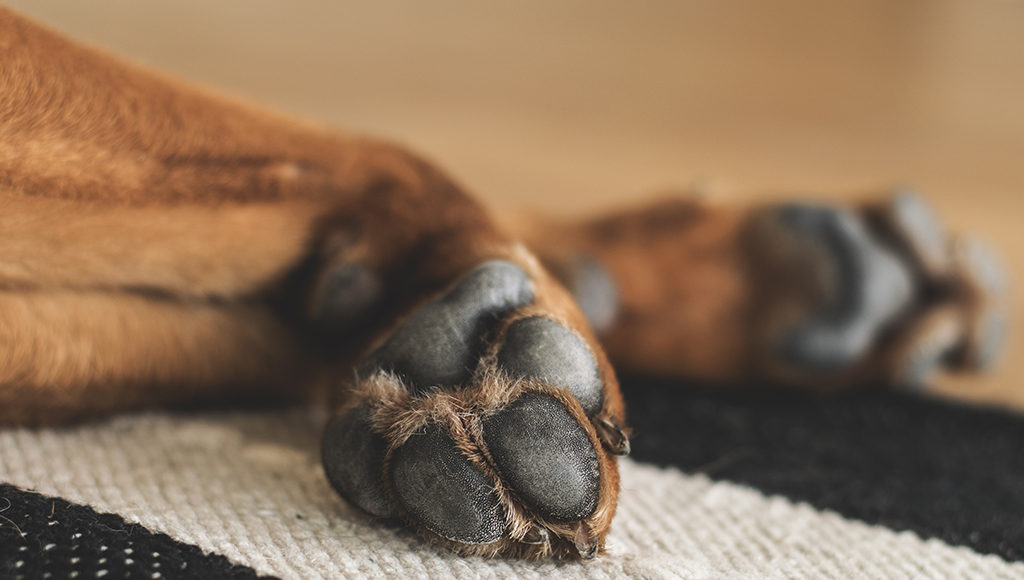
Image Source: www.petassure.com
Identifying a Dog Paw Blister
A blister on a dog’s paw is a fluid-filled sac that forms on the skin of the paw pad or between the toes. These are often caused by friction, heat, or irritants. It’s important to correctly identify a blister to ensure you’re providing the right treatment.
What a Blister Looks Like
- Appearance: Typically, a blister appears as a raised bump filled with clear or sometimes slightly cloudy fluid.
- Location: They most commonly occur on the paw pads, especially weight-bearing areas, or in the spaces between the toes.
- Discomfort: Your dog might lick or chew at the affected paw, limp, or show signs of pain when the blister is touched.
Common Causes of Blisters on Dog Paws
Fathoming the reasons behind a dog paw blister is key to effective treatment and prevention. Several factors can contribute to their development.
Friction and Irritation
- New or Ill-fitting Shoes: If your dog wears protective booties for hiking or cold weather, a poor fit can cause rubbing and friction, leading to blisters.
- Rough Surfaces: Walking on very rough, abrasive, or hot surfaces can damage paw pads and create blisters.
- Excessive Exercise: Long walks or runs, especially on unfamiliar terrain, can lead to friction blisters.
Heat and Burns
- Hot Pavement: Walking on hot asphalt, concrete, or sand in warm weather is a very common cause of paw burns and blisters. Even on moderately warm days, surfaces can become extremely hot.
- Chemical Burns: Exposure to harsh chemicals, cleaning agents, or de-icing salts can irritate and burn paw pads, resulting in blisters.
Allergic Reactions and Skin Conditions
- Contact Dermatitis: Some dogs can develop allergic reactions to things they walk on, such as certain grasses, plants, or chemicals, which can manifest as blisters.
- Infections: Bacterial or fungal infections can sometimes cause blisters or pustules on the paws.
- Autoimmune Diseases: Less commonly, certain autoimmune conditions can affect the skin on the paws and lead to blister formation.
Other Factors
- Insect Bites: Stings or bites from insects can sometimes cause localized swelling and blistering.
- Viral Infections: While rare, some viral infections can cause blisters.
Home Care for Dog Paw Blisters
When you notice a blister on your dog’s paw, the first step is to assess its severity. For minor, un-ruptured blisters, you can often manage them at home. Proper dog paw wound management is essential here.
Step-by-Step Home Treatment
-
Assess the Blister:
- Is it small and intact?
- Is there redness, swelling, or discharge?
- Does your dog seem to be in significant pain?
-
Clean the Area:
- Gentle Cleaning: Use lukewarm water to gently clean the affected paw. You can also use a saline solution (1 teaspoon of salt dissolved in 1 cup of boiled and cooled water).
- Avoid Harsh Soaps: Do not use harsh soaps, alcohol, or hydrogen peroxide, as these can further irritate the delicate skin and delay healing.
-
Antiseptic Application:
- Veterinary-Approved Antiseptic: Apply a small amount of a veterinary-approved antiseptic solution or spray specifically designed for pet wounds. Chlorhexidine or povidone-iodine (diluted to a light tea color) are often recommended by vets. Always follow product instructions carefully.
- Purpose: An antiseptic for dog paw blisters helps to prevent infection and keep the area clean.
-
Protect the Blister:
- Do Not Pop: Never pop or drain an intact blister. The intact skin acts as a natural barrier, protecting the underlying tissue from infection.
- Bandaging (Optional and with Caution): For a small, un-ruptured blister that might get irritated by licking or friction, you can carefully apply a light, non-stick sterile dressing secured with gentle medical tape. Ensure the bandage is not too tight and change it daily or if it becomes wet or dirty. Over-bandaging can trap moisture and hinder healing.
-
Prevent Licking and Chewing:
- E-Collar (Cone of Shame): The most effective way to stop your dog from licking or chewing the blister is to use an Elizabethan collar (e-collar). This prevents them from irritating the wound and potentially causing infection or further damage.
- Bitter Sprays: Some owners find success with pet-safe bitter sprays applied around the blister (not directly on it), but an e-collar is usually more reliable.
-
Rest and Comfort:
- Limit Activity: Reduce your dog’s activity level. Avoid long walks or strenuous play, especially on hard or rough surfaces, until the blister has healed.
- Soft Bedding: Ensure your dog has a comfortable, clean place to rest.
What to Avoid in Home Treatment
- Popping or Draining: This is the most common mistake. It introduces bacteria and increases the risk of infection.
- Human Ointments/Creams: Many human topical treatments are not safe for dogs and can be toxic if ingested.
- Rough Rubbing: Be very gentle when cleaning or applying any treatment.
- Tight Bandages: These can restrict blood flow and cause further injury.
Veterinary Care for Dog Paw Blisters
While home care can be effective for minor issues, it’s essential to know when to consult a veterinarian. Certain situations require professional intervention to ensure proper diagnosis and treatment.
When to See a Vet for a Dog Paw Blister
- Severe Pain or Lameness: If your dog is limping significantly or crying in pain.
- Large or Ruptured Blisters: If the blister is very large, has burst open, or appears infected (red, swollen, pus-filled, or has a foul odor).
- Multiple Blisters: If your dog has several blisters or they are appearing frequently.
- Blisters That Don’t Improve: If a blister doesn’t show signs of healing within a few days of home care.
- Suspected Burns or Chemical Exposure: If you suspect a severe burn or exposure to toxins.
- Underlying Health Concerns: If your dog has a compromised immune system or other health issues.
Veterinary Treatment Options
At the vet clinic, your dog’s paw will be thoroughly examined. Treatment will depend on the cause and severity of the blister.
- Cleaning and Debridement: The vet may clean the wound and gently remove any dead tissue.
- Antibiotics or Antifungals: If an infection is present, oral or topical antibiotics or antifungals will be prescribed.
- Pain Management: Pain relievers might be given to keep your dog comfortable.
- Bandaging: The vet will apply a sterile, protective bandage if necessary.
- Diagnostic Tests: If the cause is unclear, the vet might recommend skin scrapings, cultures, or blood tests to identify infections or underlying conditions.
- Specialized Wound Care: For severe burns or chronic issues, specialized wound treatments or therapies might be used.
Dog Paw Pad Care and Prevention
Preventing dog paw blisters is always better than treating them. Good dog paw pad care can significantly reduce the risk.
Maintaining Healthy Paw Pads
- Regular Inspection: Make it a habit to check your dog’s paws regularly for any cuts, abrasions, or signs of irritation. This is crucial for proactive dog paw wound management.
- Paw Balm: Use a good quality, pet-specific paw balm to keep the pads moisturized and supple. Dry, cracked pads are more susceptible to injury.
- Trim Paw Hair: Keep the hair between your dog’s toes trimmed. Excess hair can trap moisture, dirt, and irritants, leading to infections and discomfort.
- Avoid Extreme Temperatures: Whenever possible, avoid walking your dog on very hot or very cold surfaces. Check pavement temperature with your hand; if it’s too hot for you, it’s too hot for your dog. On hot days, walk your dog during cooler parts of the day.
- Protective Booties: If you know your dog will be exposed to harsh conditions (extreme heat, cold, rough terrain), consider using well-fitting protective booties. Introduce them gradually to allow your dog to get used to wearing them.
Routine Paw Care Tips
| Aspect of Care | Recommendation |
|---|---|
| Cleaning | After walks, gently wipe paws with a damp cloth to remove dirt, debris, and potential irritants. |
| Moisturizing | Apply a veterinarian-approved paw balm daily or several times a week, especially in dry weather. |
| Hair Trimming | Trim excess hair around the paw pads and between the toes to prevent matting and trapping debris. |
| Nail Care | Keep nails trimmed to an appropriate length. Overgrown nails can alter your dog’s gait, leading to uneven pressure on paw pads and increased injury risk. |
| Inspection | Check paws daily for cuts, cracks, foreign objects, swelling, or any changes in color or texture. |
| Temperature Check | Always test the ground temperature before walking your dog. Hot pavement can cause severe burns and blisters. |
Can I Use Human Antiseptics on Dog Paw Blisters?
Generally, it is not recommended to use human antiseptics like rubbing alcohol or hydrogen peroxide directly on a dog’s paw blister unless specifically advised by your veterinarian. These can be too harsh for a dog’s sensitive skin, may cause pain, and can hinder the healing process. Stick to veterinary-approved products.
Dog Paw Blister Treatment: Natural Remedies
While veterinary care is paramount for severe cases, some gentle natural remedies might support healing for minor blisters, always with caution and after consulting your vet.
Gentle Support for Healing
- Calendula: Diluted calendula tinctures or creams are known for their soothing and anti-inflammatory properties. Ensure it’s a pet-safe formulation and apply very sparingly.
- Aloe Vera: Pure aloe vera gel (from a fresh plant or a veterinary-approved product) can have a cooling and healing effect. Make sure it does not contain any added ingredients or latex, which can be toxic to dogs. Apply a small amount to the clean, dry blister.
Important Note: Always test any new topical treatment on a small, unaffected area of your dog’s skin first to check for any adverse reactions. And again, never use these on broken or infected blisters without veterinary guidance.
Fostering a Speedy Recovery
Once a blister has been treated, the focus shifts to ensuring it heals properly and doesn’t reoccur.
Promoting Wound Healing
- Keep Clean: Continue to keep the paw clean and dry. Change bandages as directed by your vet.
- Monitor for Infection: Watch for any signs of infection such as increased redness, swelling, heat, pus, or foul odor.
- Gradual Return to Activity: As the blister heals, slowly reintroduce your dog to normal activity levels. Avoid returning to strenuous activities too soon.
Preventing Recurrence
- Identify Triggers: If you can pinpoint what caused the blister (e.g., a specific walking route, new booties), try to avoid those triggers in the future.
- Regular Paw Maintenance: Continue with good paw care practices – moisturizing, trimming hair, and checking paws regularly.
- Appropriate Footwear: If your dog frequently develops blisters from activity, invest in high-quality, well-fitting protective booties.
Frequently Asked Questions (FAQ)
Q1: How long does a dog paw blister take to heal?
A1: A small, un-ruptured blister typically heals within a week to 10 days with proper care. Larger or infected blisters can take longer and require veterinary treatment.
Q2: Can I use Vaseline on a dog paw blister?
A2: Vaseline (petroleum jelly) is generally safe for dogs and can provide a protective barrier for minor irritations. However, it’s not an antiseptic. For a blister, it’s best to use a veterinary-approved antiseptic and then potentially a light, breathable dressing. Vaseline might trap moisture if used on a broken blister, so use with caution.
Q3: My dog chewed off the bandage. What should I do?
A3: If your dog removes a bandage, it’s crucial to prevent further interference. Reapply a new bandage securely, or ideally, use an e-collar to prevent access to the paw. If the blister is now exposed and looks worse, contact your vet.
Q4: My dog’s paw blister is leaking clear fluid. Is this normal?
A4: A small amount of clear fluid from a blister is often normal. However, if the fluid becomes cloudy, yellow, green, or has a foul odor, it indicates infection, and you should see a veterinarian.
Q5: Can my dog get blisters from an allergic reaction?
A5: Yes, allergic reactions, particularly contact dermatitis from something your dog walks on, can cause blistering on the paws. If you suspect an allergy, consult your vet for diagnosis and treatment.
Conclusion
Treating a dog blister on the paw requires careful observation and appropriate action. For minor blisters, diligent home care focusing on cleaning, antiseptic application, and preventing licking can lead to recovery. However, always err on the side of caution and seek veterinary advice if you notice any signs of infection, severe pain, or if the blister doesn’t improve. By prioritizing good dog paw pad care and understanding the potential causes, you can keep your furry friend’s paws healthy and comfortable.