
A swollen dog paw can be a worrying sight for any pet owner. Can I treat a swollen dog paw at home? Yes, for minor issues, some home care can be beneficial, but it’s crucial to determine the cause and severity. This comprehensive guide will explore the common dog paw swelling causes, effective home remedies for dog paw swelling, and how to provide the best dog injured paw treatment. We’ll also delve into dog paw inflammation, what to do if you notice a dog limping swollen paw, common dog paw infection symptoms, essential canine paw first aid, and what to do for a swollen dog toe or a dog paw abscess treatment.
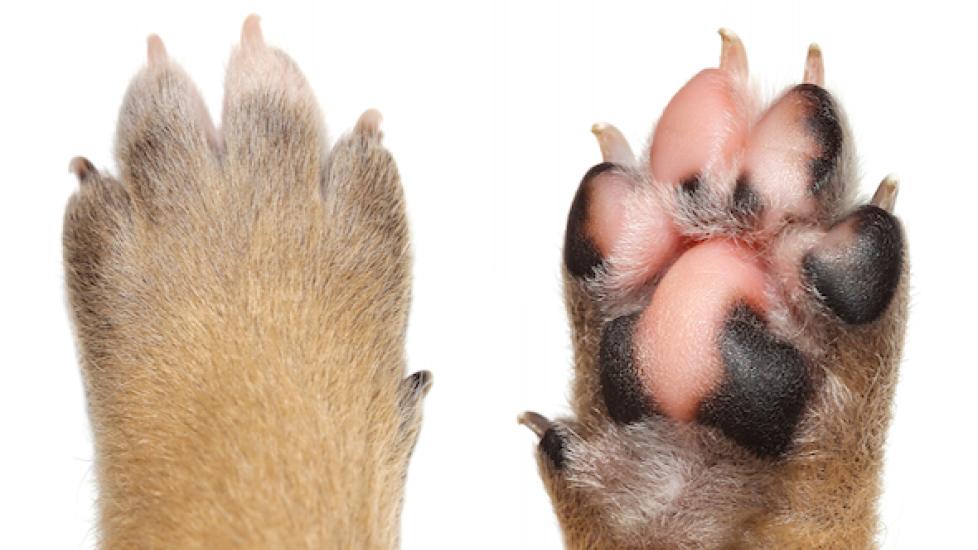
Image Source: image.petmd.com
Common Causes of Swollen Dog Paws
Swollen paws in dogs can stem from a variety of issues, ranging from minor irritations to serious injuries. Identifying the underlying reason is the first step towards effective treatment.
1. Injuries and Trauma
Direct injury is a frequent culprit for paw swelling. This can include:
- Cuts and Lacerations: Puncture wounds, scrapes, or deep cuts on the paw pads, between the toes, or on the dewclaws can lead to swelling and pain. Sharp objects like glass, metal, or thorns are common causes.
- Sprains and Strains: Overexertion or awkward landings can cause soft tissue damage to the ligaments or tendons in the paw or leg, resulting in a swollen dog toe or generalized paw swelling.
- Fractures: A broken bone in the paw or leg will cause significant swelling, pain, and often an inability to bear weight.
- Bruises: Blunt force trauma, like stepping on something hard or being hit, can cause bruising and subsequent swelling.
- Insect Bites and Stings: Bees, wasps, ants, or even certain spiders can bite or sting a dog’s paw, leading to localized swelling, redness, and pain.
2. Infections
Infections are a common and serious cause of dog paw inflammation. They can arise from:
- Bacterial Infections: These often develop in wounds that haven’t been properly cleaned or that become contaminated. Signs include redness, heat, pus, and a foul odor.
- Fungal Infections: Ringworm or yeast infections can affect the paws, causing thickening of the skin, hair loss, and swelling.
- Parasitic Infestations: Mites, such as those causing scabies or demodectic mange, can infest the paws and lead to inflammation, itching, and swelling.
3. Allergic Reactions
Just like humans, dogs can experience allergic reactions that manifest in their paws.
- Contact Dermatitis: Exposure to irritants like chemicals, harsh soaps, lawn treatments, or certain plants can cause an allergic reaction on the paw pads.
- Food Allergies: While less common to manifest solely on the paws, food allergies can contribute to generalized skin inflammation, including the paws, often accompanied by itching.
4. Foreign Objects
Objects lodged in the paw can cause irritation, infection, and swelling.
- Thorns, Splinters, and Glass: These can penetrate the paw pad or skin, leading to inflammation and potential infection if not removed.
- Burrs and Seed Heads: These can get embedded in the fur between the toes, causing irritation and swelling.
5. Autoimmune Diseases
Certain autoimmune conditions can target the skin, including the paw pads.
- Pemphigus Foliaceus: This is a common autoimmune disease that can cause crusting, ulceration, and swelling of the paw pads.
- Lupus Erythematosus: This condition can also affect the paw pads, causing redness, erosions, and swelling.
6. Other Medical Conditions
Less common causes of paw swelling include:
- Arthritis: Inflammation of the joints in the paw can lead to swelling and stiffness.
- Tumors or Cysts: Benign or malignant growths on or within the paw can cause localized swelling.
- Congestive Heart Failure: In severe cases, fluid buildup due to heart conditions can cause swelling in the extremities, including the paws.
Recognizing the Signs: Dog Paw Swelling Symptoms
Observing your dog’s behavior and examining their paws are crucial for early detection.
What to Look For:
- Visible Swelling: The most obvious sign is an enlarged paw compared to the other.
- Limping or Favoring the Paw: If your dog is limping swollen paw, it indicates pain or discomfort.
- Redness and Heat: The affected paw might appear redder than normal and feel warmer to the touch.
- Licking or Chewing: Excessive licking or chewing at the paw can be a sign of irritation, pain, or infection.
- Bleeding: Open wounds, cuts, or punctures may be present.
- Discharge or Pus: This is a strong indicator of infection, potentially requiring dog paw abscess treatment. Look for signs of dog paw infection symptoms like oozing.
- Loss of Appetite or Lethargy: If your dog is in significant pain or discomfort, they might eat less or seem less energetic.
- Changes in Paw Pad Appearance: Cracking, blistering, or ulceration of the paw pads.
Canine Paw First Aid and Home Care
For minor swelling, you can provide initial canine paw first aid at home. However, always consult your veterinarian if you are unsure about the cause or severity.
Immediate Steps:
- Assess the Situation Safely: Approach your dog calmly. If they are in pain, they might be more prone to biting. Consider using a muzzle if necessary.
- Visual Examination: Gently inspect the entire paw, including the paw pads, between the toes, and around the nails. Look for any visible foreign objects, cuts, punctures, or signs of insect bites.
- Gentle Cleaning: If there’s a minor cut or scrape, clean the area with lukewarm water and a mild, pet-safe antiseptic solution like diluted povidone-iodine or chlorhexidine. Do not use rubbing alcohol or hydrogen peroxide, as these can damage tissue and delay healing.
- Soaking (If Appropriate): For mild swelling or minor irritations, soaking the paw in lukewarm water can be soothing. You can add a small amount of Epsom salt (about one tablespoon per pint of water) to the water, as this can help reduce inflammation. Soak for 5-10 minutes, 2-3 times a day. Ensure the water is not too hot.
- Apply a Cold Compress (for Trauma): If the swelling appears to be due to a recent injury or bump, a cold compress can help reduce inflammation. Wrap ice or a frozen gel pack in a thin towel and apply it to the swollen area for 10-15 minutes at a time, several times a day.
Home Remedies for Dog Paw Swelling:
Here are some home remedies for dog paw swelling that can be used cautiously for mild cases:
- Epsom Salt Soaks: As mentioned, Epsom salt can draw out inflammation and soothe discomfort.
- Calendula Cream: This herbal remedy has anti-inflammatory properties and can help soothe irritated skin. Apply a thin layer to the clean paw.
- Aloe Vera Gel: Pure aloe vera gel (ensure it’s pet-safe and free from additives) can be cooling and help with minor skin irritations.
- Turmeric Paste (External Use Only): Turmeric has anti-inflammatory properties. Mix turmeric powder with a small amount of water or coconut oil to form a paste. Apply sparingly to the affected area, but be aware it can stain. Always ensure your dog does not ingest the paste.
Table: Home Care Guidelines for Swollen Paws
| Situation | Recommended Action | Caution |
|---|---|---|
| Minor cuts/scrapes | Clean with lukewarm water and mild, pet-safe antiseptic. | Avoid harsh disinfectants like alcohol or peroxide. |
| Mild swelling (no open wound) | Soak in lukewarm water with Epsom salt (1 tbsp per pint) for 5-10 mins, 2-3 times daily. | Ensure water is not too hot. |
| Traumatic swelling (recent) | Apply a cold compress wrapped in a towel for 10-15 mins, several times a day. | Do not apply ice directly to the skin. |
| Irritated skin (no infection) | Apply pure aloe vera gel or calendula cream. | Ensure products are pet-safe and free of harmful additives. |
| Suspicion of foreign object | Do not attempt to remove deeply embedded objects yourself. | Risk of pushing it further in or causing more damage. |
| Visible infection (pus, odor) | Seek veterinary attention immediately. Do not attempt home treatment for suspected infections. | Delaying treatment can worsen the infection and lead to serious complications. |
| Significant pain/limping | Limit activity. Prevent licking or chewing (e.g., with an Elizabethan collar). | Forceful walking can worsen injuries. |
When to See a Veterinarian
While some minor paw swelling can be managed at home, it’s crucial to recognize when professional veterinary care is necessary. Prompt diagnosis and treatment are vital for your dog’s well-being.
Seek Veterinary Attention If:
- Severe Swelling: The swelling is significant, or the paw looks abnormally misshapen.
- Inability to Bear Weight: Your dog refuses to put weight on the paw or can barely walk.
- Extreme Pain: Your dog cries out when the paw is touched, or exhibits aggressive behavior due to pain.
- Visible Wounds or Bleeding: Deep cuts, punctures, or persistent bleeding.
- Signs of Infection: Pus, foul odor, increased redness, heat, or fever. This is particularly important if you suspect a dog paw abscess treatment is needed.
- Foreign Object is Deeply Embedded: You cannot safely remove a lodged object.
- Swelling Doesn’t Improve: If home care doesn’t reduce the swelling within 24-48 hours.
- Swelling Persists After Injury: The swelling continues or worsens in the days following a known injury.
- Recurrent Swelling: If your dog frequently experiences swollen paws without a clear cause.
- Other Symptoms: Lethargy, loss of appetite, vomiting, or diarrhea accompany the paw swelling.
Veterinary Diagnosis and Treatment
Your veterinarian will perform a thorough examination to determine the cause of the paw swelling.
Diagnostic Tools:
- Physical Examination: A hands-on assessment of the paw, joints, and surrounding structures.
- Radiographs (X-rays): To check for fractures, dislocations, arthritis, or foreign objects within the bone.
- Cytology or Biopsy: Samples of skin or discharge may be taken to identify infections (bacterial, fungal) or cellular abnormalities.
- Blood Tests: To assess for systemic inflammation, infection, or underlying autoimmune conditions.
- Allergy Testing: If allergies are suspected as a cause for chronic dog paw inflammation.
Common Veterinary Treatments:
The treatment plan will depend entirely on the diagnosed cause.
- Wound Management: Cleaning, debridement (removal of dead tissue), and bandaging for cuts and abrasions. Antibiotic ointment may be prescribed.
- Antibiotics or Antifungals: For bacterial or fungal infections.
- Pain Relief and Anti-inflammatories: Medications like NSAIDs (non-steroidal anti-inflammatory drugs) specifically formulated for dogs can help manage pain and reduce swelling. Never give human pain relievers to your dog, as many are toxic.
- Surgery: For deep wounds, foreign body removal, tumor excision, or fracture repair.
- Splinting or Bandaging: To immobilize injured paws or legs, preventing further damage and promoting healing.
- Allergy Management: Antihistamines, immunotherapy, or dietary changes if allergies are the cause.
- Topical Treatments: Medicated shampoos, sprays, or creams for skin infections or irritations.
- Drainage of Abscesses: If a dog paw abscess treatment is required, your vet will surgically drain and clean the abscess, and may prescribe antibiotics.
Specific Concerns and Their Management
Let’s look at some specific scenarios related to swollen paws.
Swollen Dog Paw Pad
A swollen dog paw pad can be particularly painful. Causes include:
- Cuts or Punctures: Objects can pierce the tough pad.
- Burns: Walking on hot surfaces like asphalt in summer.
- Frostbite: Exposure to extreme cold.
- Corns or Calluses: Can become inflamed or infected.
- Allergic Contact Dermatitis: Reaction to something the pad touched.
Management: Gentle cleaning, soaking in Epsom salt, and preventing licking are initial steps. If the pad is cracked, a veterinary-approved paw balm can help with healing, but only after any infection is cleared.
Dog Limping Swollen Paw
If your dog is limping swollen paw, it’s a clear signal of pain and possibly a more significant issue.
- Causes: This combination strongly suggests injury (sprain, fracture, deep cut) or infection.
- Action: Rest is paramount. Confine your dog to a small area or leash walk only for potty breaks. Avoid jumping or running. Seek veterinary advice promptly.
Dog Paw Infection Symptoms
Recognizing dog paw infection symptoms is critical for early intervention.
- Redness and Heat: The paw feels warmer than normal and looks flushed.
- Swelling: Obvious enlargement of the paw.
- Pain: Your dog yelps or withdraws when the paw is touched.
- Discharge: Pus, blood, or a clear fluid may ooze from the paw.
- Foul Odor: A distinct unpleasant smell indicates bacterial infection.
- Licking/Chewing: Persistent attention to the paw.
- Limping: Difficulty or unwillingness to walk.
- Crusting or Scabs: Can form as the infection progresses.
Prompt veterinary care is essential for managing infections. Left untreated, they can spread, cause significant pain, and lead to systemic illness. This is especially true if a dog paw abscess treatment is needed, which requires professional drainage and antibiotics.
Swollen Dog Toe
A swollen dog toe often points to a localized problem.
- Causes:
- Interdigital Cysts: Lumps or sores that form between the toes.
- Ingrown Nails: A nail growing back into the toe.
- Foreign Body: A thorn or splinter lodged between toes.
- Insect Sting/Bite: A bee or wasp sting can cause sudden, localized swelling.
- Fungal or Bacterial Infection: Can affect the spaces between the toes.
- Tumor: A growth on the toe.
- Action: Careful examination of the spaces between the toes is needed. If you see redness, swelling, or discharge, contact your vet.
Dog Paw Abscess Treatment
A dog paw abscess treatment is a specific veterinary intervention. An abscess is a collection of pus under the skin, often caused by a puncture wound that becomes infected.
- Signs: A very painful, swollen, red area on the paw, potentially with a draining tract. The paw may feel very hot.
- Treatment: The vet will need to lance (cut into) the abscess to drain the pus. The area will be thoroughly cleaned, and a flushing solution may be used. Antibiotics are almost always prescribed to clear the infection. Pain medication will also be given. Your dog may need to wear an Elizabethan collar to prevent licking the wound.
Preventing Paw Problems
While not all paw issues can be prevented, some measures can reduce the risk of swelling and injury.
Paw Care Practices:
- Regular Paw Inspections: Get into the habit of checking your dog’s paws after walks, especially in rough terrain or areas with potential hazards like sharp objects or plants.
- Trim Paw Fur: Keep the fur between your dog’s paw pads trimmed, especially for long-haired breeds. This prevents matting, which can trap debris and moisture, leading to irritation and infection.
- Paw Balm: Use a pet-safe paw balm during dry or harsh weather conditions to keep the pads moisturized and prevent cracking.
- Avoid Hot Surfaces: Be mindful of walking your dog on hot pavement, sand, or asphalt, as this can cause burns and blisters. Stick to cooler times of the day.
- Clean Paws After Walks: Especially after walks in muddy or potentially contaminated areas, gently wash your dog’s paws with water.
- Keep Nails Trimmed: Overgrown nails can alter a dog’s gait, potentially leading to foot strain and subsequent swelling.
- Awareness of Environment: Be mindful of potential hazards in your dog’s environment, such as construction sites, areas with broken glass, or gardens treated with chemicals.
Frequently Asked Questions (FAQ)
Q1: My dog has a slightly swollen paw, and it doesn’t seem to hurt. Can I just wait and see?
A: While mild, painless swelling might resolve on its own, it’s always best to err on the side of caution. Observe your dog closely for any signs of pain, limping, or changes in the swelling. If the swelling persists for more than a day or two, or if any other symptoms develop, consult your veterinarian.
Q2: What is the best home remedy for a swollen dog paw?
A: For mild swelling without open wounds, Epsom salt soaks are a popular and effective home remedy. Soaking the paw in lukewarm water with dissolved Epsom salt for 5-10 minutes, 2-3 times a day, can help reduce inflammation and soothe discomfort. Always ensure the water is not too hot and prevent your dog from drinking the water.
Q3: Can I give my dog human pain medication for a swollen paw?
A: Absolutely not. Many human pain medications, such as ibuprofen (Advil, Motrin) and acetaminophen (Tylenol), are highly toxic to dogs and can cause severe organ damage, internal bleeding, or even death. Always consult your veterinarian for appropriate pain management for your dog.
Q4: My dog keeps licking its swollen paw. What should I do?
A: Excessive licking is a common response to irritation, pain, or a foreign object. To prevent further damage or infection from licking, you may need to use an Elizabethan collar (e-collar or “cone of shame”). This will physically prevent your dog from reaching the paw. You should also investigate the cause of the swelling to address it directly.
Q5: How can I tell if my dog’s swollen paw is infected?
A: Signs of a dog paw infection include increased redness, heat, swelling, pain, discharge (pus or foul-smelling fluid), and potentially fever or lethargy. If you notice any of these dog paw infection symptoms, it’s crucial to seek veterinary attention promptly for diagnosis and treatment, which may include a dog paw abscess treatment if an abscess has formed.
Q6: My dog stepped on something sharp, and now its paw is swollen. What’s the first aid?
A: Carefully examine the paw for any visible foreign objects. If you find a shallow splinter or thorn that can be easily grasped with clean tweezers, gently remove it. Clean the wound with lukewarm water and a pet-safe antiseptic. If the object is deeply embedded, the paw is bleeding heavily, or the swelling is significant, do not attempt to remove it yourself. Instead, control any bleeding with gentle pressure and seek immediate veterinary care for dog injured paw treatment.
By staying vigilant, providing appropriate care, and knowing when to seek professional help, you can effectively manage and treat a swollen dog paw, ensuring your canine companion gets back on their feet comfortably and quickly.