
What is a reactive dog? A reactive dog is a dog that overreacts to certain triggers, such as other dogs, people, or even specific sounds. Can I walk my reactive dog? Yes, you absolutely can walk your reactive dog with the right approach and techniques. Who is a reactive dog? This is a dog that exhibits heightened emotional responses leading to behaviors like barking, lunging, or even retreating when faced with specific stimuli. Walking a reactive dog can seem daunting, but with patience, consistent training, and a focus on stress reduction for dogs, it’s not only possible but can also lead to significant improvements in your dog’s well-being and your shared experiences. This guide will delve into expert tips and proven dog training methods to help you navigate walks with your sensitive canine companion.
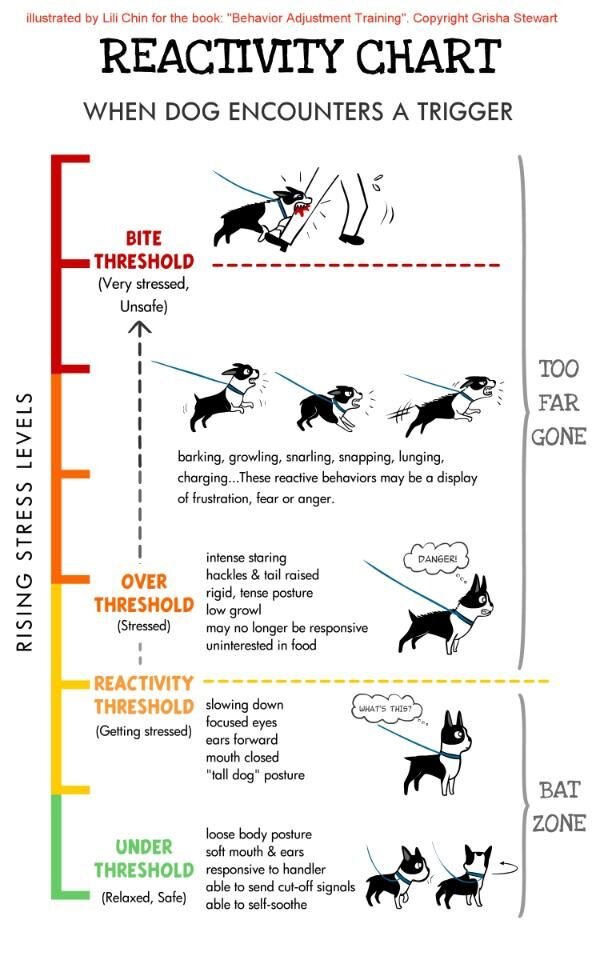
Image Source: images.squarespace-cdn.com
Setting the Stage for Success
Before you even step out the door, it’s crucial to create an environment that sets you and your dog up for success. This involves careful planning and preparation.
Essential Gear for Reactive Dogs
The right equipment can make a world of difference in managing and training a reactive dog.
- Harnesses: A well-fitting, no-pull harness is often recommended. Look for harnesses with a front-clip attachment. This allows you to redirect your dog’s attention without putting pressure on their neck.
- Leashes: A sturdy, 6-foot leash is ideal. Avoid retractable leashes, as they offer less control and can be dangerous.
- Collars: While harnesses are preferred for management, a flat buckle collar with an ID tag is essential for safety.
- Treat Pouch: Easy access to high-value treats is non-negotiable.
- Muzzle (Optional but Recommended): A basket muzzle allows your dog to pant, drink, and take treats while preventing bites. Introducing a muzzle positively is key.
Choosing the Right Time and Place
Environmental management is a cornerstone of walking a reactive dog. This means actively controlling the situations your dog is exposed to.
- Off-Peak Hours: Walk during quieter times of the day when fewer triggers are likely to be present (e.g., early mornings, late evenings).
- Familiar Routes: Start with routes you know are generally low-traffic and free of common triggers.
- Quiet Parks or Trails: Explore less populated areas where you can have more space.
Core Training Principles for Reactive Dogs
The foundation of managing leash reactivity lies in effective training. We’ll explore key behavior modification techniques that are vital for progress.
The Power of Positive Reinforcement
Positive reinforcement is about adding something desirable to increase the likelihood of a behavior. In the context of reactive dogs, this means rewarding calm behavior and desired responses to triggers.
- Reward Calmness: When your dog notices a trigger but remains calm, reward them generously.
- Reward Engagement: Reward your dog for looking at you or checking in with you, especially when triggers are present at a distance.
- Build a Positive Association: The goal is to change your dog’s emotional response to triggers from negative to positive.
Desensitization: Changing the Emotional Response
Desensitization is a gradual process of exposing your dog to a trigger at a low intensity where they don’t react. The aim is to lower their threshold for a reaction.
- Threshold Identification: Determine the distance at which your dog can see or hear a trigger without reacting. This is their threshold.
- Gradual Exposure: Begin exposing your dog to the trigger at a distance well below their threshold.
- Short, Positive Sessions: Keep sessions brief and end on a positive note, before your dog becomes stressed or overstimulated.
- Slowly Decrease Distance: Over time, and only when your dog is consistently calm, you can slowly decrease the distance to the trigger.
Counter-Conditioning: Building New Associations
Counter-conditioning pairs a trigger with something highly desirable, like high-value treats. This helps to change the dog’s emotional response from fearful or anxious to happy or expectant.
- Pairing Trigger with Reward: As soon as your dog sees or hears the trigger (at a safe distance), immediately deliver a high-value treat.
- Trigger Disappears, Reward Stops: When the trigger is no longer visible or audible, stop the treats.
- “Look at That” Game: A popular counter-conditioning technique involves rewarding your dog for simply looking at the trigger, then immediately rewarding them for looking away at you. This teaches them that seeing the trigger means good things happen.
Example Scenario: Walking Past Another Dog
| Trigger Present (Another Dog) | Dog’s Reaction | Your Action | Outcome Goal |
|---|---|---|---|
| Far away (below threshold) | Calm, neutral | Toss high-value treats to dog, praise calm behavior | Dog associates distant dogs with good things (treats) |
| Closer (approaching threshold) | Stiffens, ears up | Immediately toss treats, turn and walk away | Dog learns that approaching triggers means treats and distance |
| Too close (reacting) | Lunging, barking | Increase distance, redirect attention, de-escalate | Avoidance and creating space to prevent a full reaction |
Practical Strategies for Walks
Implementing these principles during actual walks requires careful observation and strategic maneuvering.
Managing the Walk Environment
Environmental management is about proactively creating a positive walking experience.
- Leash Handling: Keep the leash loose but secure. A tight leash can communicate tension to your dog.
- Body Language: Be aware of your own body language. Remain calm and confident. Your dog feeds off your emotions.
- Strategic Positioning: If you see a trigger approaching, position yourself between your dog and the trigger if it helps your dog feel secure. Alternatively, create more distance by stepping off the path or crossing the street.
- Using Visual Barriers: Utilize parked cars, bushes, or fences to block your dog’s view of a trigger.
Keeping Your Dog Engaged
Keeping your dog mentally stimulated and focused on you can significantly reduce reactivity.
- “Engage/Disengage” Game: This is a desensitization and counter-conditioning exercise. When your dog sees a trigger, ask for a simple behavior (like “sit” or “touch”). Reward them when they perform the behavior. As they perform, the trigger becomes less novel and less threatening.
- Sniffing Opportunities: Allow your dog ample time to sniff. Sniffing is a natural stress reliever for dogs and provides mental enrichment.
- Vary Your Pace and Direction: This can keep your dog more attentive to you.
What to Do When a Trigger Appears Unexpectedly
Even with the best planning, unexpected encounters happen.
- Create Distance: Your immediate priority is to increase the distance between your dog and the trigger. This might mean turning around, crossing the street, or stepping behind a car.
- Distract and Redirect: If your dog is starting to get aroused, try a fun recall cue or a favorite toy to grab their attention.
- Treats, Treats, Treats: When your dog is calm and focused on you despite the trigger’s presence (at a distance), shower them with high-value treats.
- Avoid Punishment: Punishing a reactive dog will likely increase their anxiety and can worsen reactivity. Focus on managing the situation and reinforcing calm behavior.
Building Better Leash Manners
Good leash manners are not just about appearance; they are a sign of a well-managed and happy dog on a walk.
Loose-Leash Walking Techniques
- Reward Loose Leash: Anytime the leash is slack, reward your dog with praise or a treat.
- “Be a Tree”: If your dog pulls, stop walking immediately. Only resume walking when the leash is slack.
- Short Bursts of Excitement: Allow for moments of excitement where your dog might naturally pull a bit, but quickly regain control using the “Be a Tree” method.
Reinforcing Calmness Around Distractions
- “Look” Cue: Teach your dog to make eye contact with you on cue. This is incredibly useful for redirecting their attention away from triggers.
- “Leave It”: Train your dog to ignore enticing items or distractions.
Long-Term Strategies for Success
Consistent effort and a commitment to your dog’s well-being are key to long-term success.
Seeking Professional Guidance
If you are struggling, don’t hesitate to seek help from qualified professionals.
- Certified Professional Dog Trainers (CPDT-KA/KS): Look for trainers who specialize in positive reinforcement and behavior modification.
- Veterinary Behaviorists (DACVB): For severe cases of reactivity or anxiety, a veterinary behaviorist can provide a diagnosis and medication options if necessary, in conjunction with training.
Patience and Consistency
Behavior modification is a marathon, not a sprint.
- Celebrate Small Victories: Acknowledge and celebrate every small improvement your dog makes.
- Don’t Get Discouraged: There will be good days and bad days. Stay consistent with your training plan.
- Listen to Your Dog: Pay close attention to your dog’s body language. If they are showing signs of stress, you need to adjust your approach and increase distance or end the session.
Frequently Asked Questions (FAQ)
How long does it take to change a reactive dog’s behavior?
The timeline for changing a reactive dog’s behavior varies greatly depending on the individual dog, the severity of the reactivity, the consistency of training, and the owner’s commitment. Some dogs show improvement in weeks, while others may take months or even longer. It’s a journey that requires patience and consistent application of dog training methods.
Can I ever walk my reactive dog in a busy park again?
The goal of desensitization and counter-conditioning is to increase your dog’s tolerance to triggers, which might eventually allow them to be in busier environments without reacting. However, for some dogs, a busy park might always be too much, and finding quieter alternatives might be a more sustainable and humane approach. Focus on making walks enjoyable and manageable for your dog, rather than striving for a specific outcome that may not be realistic for them.
What if my dog is reactive to people, not just dogs?
The same principles of desensitization and counter-conditioning apply. You would work on associating people at a distance with high-value treats. Start with people who are stationary and not directly looking at your dog, gradually working towards more dynamic situations. Environmental management is crucial here – avoiding crowded areas initially is vital.
Is it okay to use a muzzle on my reactive dog during walks?
Yes, it can be a very responsible and safe tool. A muzzle, when properly introduced using positive reinforcement, can prevent bites, protect others, and allow you to train more confidently without the constant fear of an incident. It is a tool for safety and management, not punishment.
What are the signs that my dog is becoming over-aroused or stressed?
Look for subtle cues like lip licking, yawning when not tired, whale eye (showing the whites of their eyes), a tucked tail, panting, stiffening of the body, or ears pulled back. Recognizing these early signs allows you to intervene and create distance or end the interaction before a full-blown reaction occurs, contributing to stress reduction for dogs.
How do I choose the right high-value treats?
High-value treats are foods your dog absolutely loves and rarely gets. Think small pieces of cooked chicken, cheese, hot dogs, or special dog treats. The key is that they are highly motivating. Experiment to see what your dog finds most rewarding. They should be small enough to feed quickly and frequently during training sessions.
Walking a reactive dog requires dedication, knowledge, and a commitment to using humane and effective dog training methods. By focusing on desensitization, counter-conditioning, positive reinforcement, and smart environmental management, you can transform your dog’s walking experience, foster better leash manners, and significantly improve their overall quality of life. Remember, every small step forward is a victory, and with patience and consistency, you can help your reactive dog navigate the world with more confidence and joy.