
Can I weigh my dog at home? Yes, you can easily weigh your dog at home using a few simple methods and readily available tools. Knowing your dog’s weight is crucial for their overall health and well-being. It helps in determining the correct dosage for medications, managing their diet, and identifying potential health issues early on.
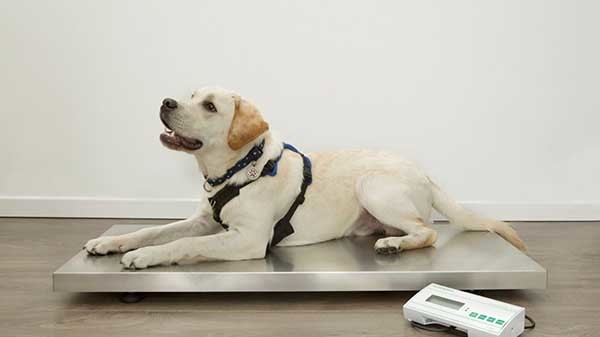
Image Source: www.marsden-weighing.co.uk
Why Knowing Your Dog’s Weight Matters
The weight of your canine companion is a fundamental indicator of their health. A proper dog weight ensures their body systems function optimally. Being significantly overweight dog symptoms or underweight dog symptoms can lead to a cascade of health problems. Regular monitoring of your dog’s weight is a proactive step in ensuring they live a long, healthy, and happy life.
The Impact of Weight on Dog Health
- Joint Health: Excess weight puts undue stress on your dog’s joints, increasing the risk of arthritis and other degenerative joint diseases.
- Cardiovascular Health: Obesity can strain the heart, leading to heart disease and high blood pressure.
- Metabolic Disorders: Overweight dogs are more prone to developing diabetes and other metabolic issues.
- Respiratory Problems: Extra weight can make breathing difficult, especially for brachycephalic (short-nosed) breeds.
- Lifespan: Studies have shown that maintaining a healthy dog weight can significantly extend a dog’s lifespan.
Identifying Weight Concerns
- Overweight Dog Symptoms: You might notice your dog has less energy, difficulty breathing after exercise, a visible lack of waistline when viewed from above, or you can’t easily feel their ribs. Their abdomen may sag.
- Underweight Dog Symptoms: Conversely, an underweight dog might appear gaunt, have protruding ribs and hip bones, and lack muscle mass. They might also seem lethargic.
Methods for Weighing Your Dog
There are several effective ways to get an accurate weight reading for your dog, depending on their size and your available equipment.
Method 1: Using Your Own Bathroom Scale (For Small to Medium Dogs)
This is often the most straightforward method for smaller breeds.
Steps:
- Weigh Yourself: Step onto your bathroom scale and note your weight.
- Hold Your Dog: Pick up your dog and step back onto the scale with them.
- Subtract Your Weight: Subtract your own weight from the combined weight. The difference is your dog’s weight.
Tips for Success:
- Calm Your Dog: Ensure your dog is calm and still on the scale. Treats and praise can be very helpful.
- Consistency: Use the same scale each time for consistent readings.
- Zero Out the Scale: Make sure the scale is on a flat, hard surface and reads zero before you start.
Method 2: Using a Pet Scale
Pet scales are specifically designed for weighing animals and offer the most accuracy, especially for smaller breeds. They are readily available online and at most pet supply stores.
Steps:
- Place the Scale: Position the pet scale on a flat, hard surface.
- Turn On the Scale: Ensure the scale is zeroed out.
- Lure Your Dog: Gently encourage your dog to step onto the scale using a treat or a favorite toy.
- Wait for the Reading: Stay with your dog until the weight reading stabilizes.
Advantages of Pet Scales:
- Accuracy: Designed for precise measurements.
- Ease of Use: Often have a platform or tray to keep pets contained.
- Portability: Many are lightweight and easy to move.
Method 3: Weighing a Large Dog (The “Human-Assisted” Method)
This method is similar to the bathroom scale technique but adapted for larger breeds that you cannot easily lift.
Steps:
- Weigh Yourself: Step onto a sturdy bathroom scale (preferably one designed for higher weight capacities) and record your weight.
- Have Someone Assist: Ask a family member or friend to help.
- Weigh with Assistance: Stand on the scale with the helper, and record this combined weight.
- Calculate: Subtract your weight from the assisted weight. This difference is your helper’s weight.
- Weigh with Dog: Now, have your helper assist you onto the scale with your dog. Ensure your helper is positioned to help stabilize both you and your dog. Record this total weight.
- Calculate Dog’s Weight: Subtract your weight and your helper’s weight from the total weight.
Important Considerations for Large Dogs:
- Sturdy Scale: Use a scale that can accurately measure weights significantly higher than a standard bathroom scale. Some veterinary clinics use industrial-sized scales.
- Safety First: Ensure your helper is capable of safely supporting you and your dog. If your dog is particularly anxious or uncooperative, this method might be challenging.
- Veterinary Clinic: If this method proves too difficult or unsafe, a veterinary clinic is the best alternative for weighing large dogs.
Method 4: The “Dog Weight Calculator” Approach (Estimation)
While not a direct measurement, a dog weight calculator can provide an estimate, especially useful if you are trying to determine a proper dog weight range before you can weigh them.
How it Works:
These calculators typically ask for your dog’s breed, age, sex, and sometimes body condition score (BCS) or visual assessment. They then compare this information to data from thousands of dogs to provide an estimated ideal weight range.
When to Use:
- Estimating Ideal Weight: To get a general idea of what your dog should weigh.
- When Direct Weighing is Difficult: As a backup if you cannot physically weigh your dog.
Limitations:
- Estimation Only: These are not precise measurements.
- Breed Variations: Individual dogs within a breed can vary significantly in size and build.
Method 5: Visiting Your Veterinarian
Your veterinarian’s office is equipped with professional scales designed for animals of all sizes. This is the most accurate and often the easiest way to weigh your dog, especially if you have a large dog or a nervous one.
Steps:
- Schedule an Appointment (Optional): You can often stop by the clinic during non-peak hours to use their scale without a full appointment, but it’s best to call ahead.
- Bring Your Dog: Leash your dog securely.
- Use the Scale: The veterinary staff will assist you in placing your dog on the scale.
Benefits of Vet Weigh-Ins:
- Accuracy: Professional, calibrated equipment.
- Expert Consultation: Your vet can immediately assess if your dog’s weight is healthy and discuss dog weight management strategies if needed.
- Safety and Comfort: Staff are experienced in handling dogs of all temperaments.
Understanding Your Dog’s Weight: What’s Ideal?
Once you have your dog’s weight, the next crucial step is determining if it’s within a healthy range. This is where a dog weight chart and a veterinarian’s expertise come into play.
Body Condition Score (BCS)
The Body Condition Score (BCS) is a more nuanced way to assess your dog’s weight than simply looking at a number on a scale. It’s a visual and tactile assessment that helps determine if your dog is too thin, too heavy, or just right. Most veterinarians use a 5-point or 9-point scale.
The 9-Point BCS Scale:
- 1-3 (Underweight): Ribs, spine, and pelvic bones are clearly visible and easily felt. Little to no fat covering. Waistline is often very prominent.
- 4-5 (Ideal Weight): Ribs are easily felt with a slight fat covering. Waistline is visible when viewed from above, and an abdominal tuck is present when viewed from the side. You should be able to feel their ribs without them being prominent.
- 6-7 (Slightly Overweight): Ribs are difficult to feel, with a moderate fat cover. Waistline may be slightly visible or absent. Abdominal tuck is less noticeable.
- 8-9 (Obese): Ribs are very difficult or impossible to feel, covered by a thick layer of fat. Waistline is absent, and there may be a fat pouch in the abdomen.
You can often find visual aids online or ask your vet for a demonstration of how to assess your dog’s BCS.
Breed-Specific Considerations
Different breeds have different ideal body shapes and sizes. A Great Dane will naturally weigh more than a Chihuahua, but both can be at their proper dog weight.
Examples of Breed Weight Ranges (Illustrative):
| Breed | Typical Adult Weight Range (lbs) |
|---|---|
| Labrador Retriever | 55-80 |
| Golden Retriever | 55-75 |
| German Shepherd | 50-90 |
| Poodle (Standard) | 40-70 |
| Beagle | 18-30 |
| Yorkshire Terrier | 4-7 |
| Bulldog | 40-50 |
Note: These are general ranges. Individual dogs can vary. Always consult your veterinarian.
Using a Dog Weight Chart
A dog weight chart can be a helpful guide, especially for puppies, as it shows expected weight gain over time based on breed and sex. For adult dogs, it can provide a general target range. However, always remember that BCS is often a more accurate indicator of health than just a number on a chart.
What to Do With Your Dog’s Weight Information
Once you know your dog’s weight and have an idea of their ideal range, you can take steps to maintain their health.
Dog Weight Management Strategies
If your dog is overweight or underweight, implementing dog weight management strategies is crucial.
For Overweight Dogs:
-
Dietary Adjustments:
- Portion Control: Measure your dog’s food accurately. Do not free-feed.
- Lower-Calorie Food: Discuss switching to a prescription weight-loss diet or a lower-calorie commercial food with your vet.
- Limit Treats: Reduce or eliminate high-calorie treats. Opt for low-calorie options like plain, boiled chicken or raw vegetables (ensure they are safe for dogs).
- No Table Scraps: Human food is often too fatty, salty, or sugary for dogs.
-
Increased Exercise:
- Gradual Increase: Start with short, frequent walks and gradually increase duration and intensity.
- Variety: Incorporate activities like fetch, swimming, or dog park visits to keep them engaged.
- Consult Your Vet: Before starting any new exercise regimen, especially if your dog has underlying health conditions.
-
Regular Weigh-Ins:
- Monitor progress every 2-4 weeks.
- Adjust food and exercise as needed in consultation with your vet.
For Underweight Dogs:
-
Dietary Adjustments:
- Increase Caloric Intake: Your vet may recommend a higher-calorie food or adding healthy supplements.
- Frequent Meals: Offer smaller, more frequent meals throughout the day.
- Palatable Foods: Some dogs with low appetite may benefit from highly palatable foods, such as wet food or food toppers, approved by your vet.
- Rule Out Medical Causes: Underweight dogs may have underlying medical conditions (e.g., parasites, digestive issues) that need to be addressed.
-
Gentle Exercise:
- Focus on maintaining muscle mass without expending too much energy. Short, gentle walks are usually sufficient.
-
Veterinary Consultation is Key: It’s essential to work closely with your veterinarian to determine the cause of underweight status and create a safe weight gain plan.
Frequently Asked Questions (FAQ)
Q1: How often should I weigh my dog?
A: For adult dogs, weighing them once a month is a good general guideline. Puppies, especially those of large breeds, may need to be weighed more frequently (e.g., weekly or bi-weekly) to monitor their rapid growth. If your dog is on a weight management plan, follow your veterinarian’s recommended schedule for weigh-ins.
Q2: My dog won’t stay still on the scale. What can I do?
A: This is common! For small dogs, try gently holding them, offering a high-value treat, and speaking in a soothing voice. For larger dogs, practice standing on the scale with them without the scale on. Reward them for calm behavior. Some pet scales have a “hold” function that can help stabilize readings for wiggly pets. If your dog is extremely anxious, a visit to the vet might be the only reliable way to get an accurate weight.
Q3: Can I use a baby scale to weigh my dog?
A: Yes, a baby scale can be very effective for weighing small dogs or puppies, especially if it has a “hold” or “zero” function. Ensure it’s placed on a flat, hard surface for accuracy.
Q4: What are the signs of an overweight dog?
A: Signs include difficulty feeling ribs, a lack of visible waistline from above, sagging abdomen, lethargy, and shortness of breath during exercise.
Q5: What is considered a healthy weight for my dog?
A: A healthy weight is one that allows your dog to feel good, have energy, and avoid health problems. It’s best determined by your veterinarian through a combination of their weight, breed standards, and Body Condition Score (BCS).
Q6: My dog is very anxious at the vet. How can I weigh them at home?
A: If your dog is anxious at the vet, focusing on home-based methods is wise. For small dogs, the bathroom scale method or a pet scale is ideal. For larger dogs, the human-assisted method requires patience and potentially a helper your dog trusts. If home weighing is too stressful, discuss desensitization techniques with your vet or consider tranquilizers for vet visits if absolutely necessary and prescribed.
Q7: My dog is a mixed breed. How do I know their ideal weight?
A: For mixed breeds, the dog weight calculator might be less precise. Focus on the Body Condition Score (BCS) as the primary indicator. Look at your dog’s build and compare them to similar-looking breeds that share characteristics. Ultimately, your veterinarian is the best resource for determining a proper dog weight for a mixed-breed dog. They can assess your dog’s individual frame, muscle mass, and overall health.
Q8: How do I weigh a puppy?
A: Puppies grow very quickly, so regular weigh-ins are important. For small puppies, use a pet scale or the bathroom scale method. For larger breeds, consult your veterinarian for their growth schedule. Many owners track puppy weight using a dog weight chart specific to their breed, noting weight gain at each vet visit.
Weighing your dog is a simple yet powerful tool in your pet care arsenal. By using these methods and consulting with your veterinarian, you can ensure your furry friend stays at a healthy dog weight for a long and vibrant life.