
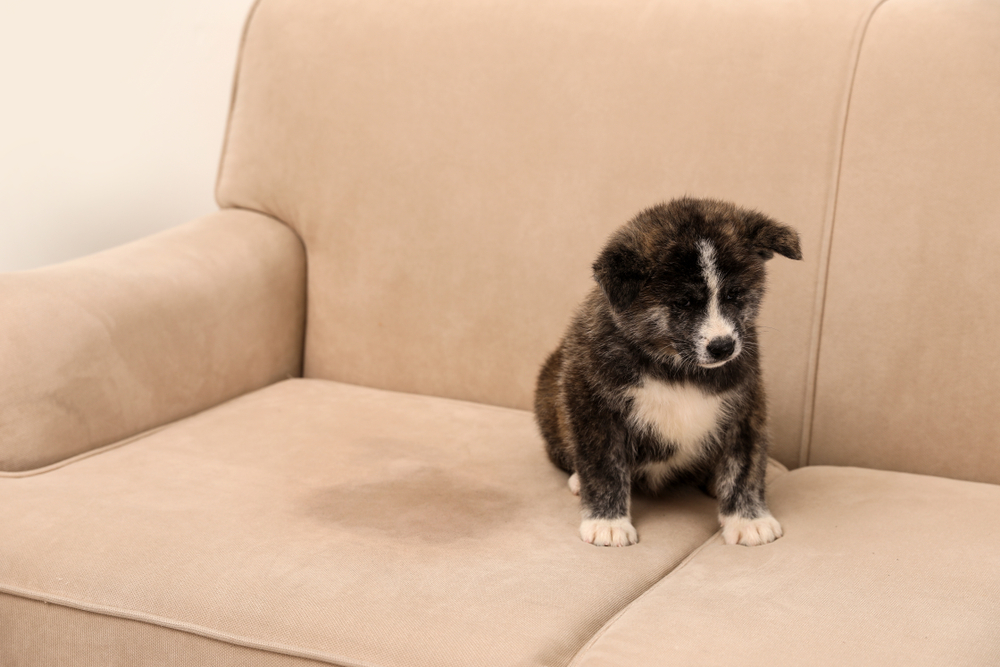
Image Source: www.madpaws.com.au
Why Does Dog Pee On Couch? Common Reasons & Solutions
Does your furry friend mistake your plush sofa for a potty spot? This common dog behavior problem can be frustrating, but understanding the underlying causes is the first step toward a solution. Your dog might be peeing on the couch due to issues with dog house training, inappropriate urination dog, puppy peeing on furniture, dog marking behavior, dog anxiety urination, dog medical issues urination, senior dog incontinence, dog potty training accidents, or even mimicking behaviors seen with cat peeing on couch. This article delves into these reasons and provides practical ways to address this undesirable habit.
Fathoming the Reasons Behind Couch Peeing
Dogs, unlike cats who often use a litter box, are typically trained to eliminate outdoors. When they choose the couch, it’s rarely out of spite. Instead, it signals a problem that needs to be identified and resolved.
House Training Setbacks and Incomplete Training
Dog house training is a fundamental aspect of pet ownership. However, various factors can lead to setbacks, resulting in dog potty training accidents indoors, including on furniture.
- Inconsistency: Irregular potty breaks, unpredictable schedules, or inconsistent commands can confuse a dog. Puppies, especially, need a very structured routine.
- Punishment: Scolding or punishing a dog after an accident can make them fearful of eliminating in front of you, leading them to hide their accidents, often on soft surfaces like the couch.
- Young Age: Puppies have small bladders and limited control. Accidents are a normal part of the puppy peeing on furniture learning process.
- Lack of Supervision: Not closely supervising a dog, especially when they are still being house-trained, means you miss opportunities to redirect them to the appropriate potty spot.
Medical Conditions Leading to Inappropriate Urination
When a dog suddenly starts peeing indoors, especially on the couch, a medical issue is a prime suspect. It’s crucial to rule these out with a veterinarian.
- Urinary Tract Infections (UTIs): UTIs cause frequent and urgent urination. Dogs with UTIs may not be able to hold their urine long enough to get outside.
- Bladder Stones or Crystals: These can cause irritation and pain, leading to accidents.
- Kidney Disease: Impaired kidney function can lead to increased thirst and urination, overwhelming a dog’s ability to control their bladder.
- Diabetes: Excessive thirst and urination are hallmark symptoms of diabetes.
- Cushing’s Disease: This hormonal disorder can cause increased thirst and urination.
- Incontinence: This can affect dogs of any age but is more common in older dogs. Senior dog incontinence can be caused by weakened bladder muscles, nerve damage, or hormonal imbalances.
- Cognitive Dysfunction Syndrome (CDS): In senior dogs, CDS can lead to confusion, disorientation, and loss of house-training skills, resulting in dog potty training accidents.
Behavioral Triggers for Couch Peeing
Beyond training and medical issues, certain behavioral patterns can lead to dogs peeing on the couch.
- Anxiety and Stress: Dog anxiety urination is a significant cause of indoor accidents. Stressors can include separation anxiety, fear of loud noises (like thunderstorms or fireworks), changes in the household (new pet, new baby, moving), or a lack of adequate mental and physical stimulation. Dogs may pee on soft, comforting items like the couch, which carries the scent of their favorite humans.
- Marking Behavior: Dog marking behavior is often seen in intact male dogs, but it can occur in females and neutered males too. Dogs mark to communicate their presence and territory. The couch, being a prominent and scent-rich piece of furniture, is a common target for marking. Submissive dogs may also mark when feeling insecure or overwhelmed.
- Excitement or Submissive Urination: Some dogs, particularly puppies and younger dogs, may urinate when excited (during greetings) or when feeling submissive. While this is often a smaller amount of urine, it can happen on the couch.
- Previous Accidents: If a dog has previously had an accident on the couch and it wasn’t thoroughly cleaned, the residual scent can act as a trigger, encouraging them to pee there again. Dogs have a strong sense of smell, and if they can still detect urine, they might think it’s an acceptable place to go.
- Preference for Soft Surfaces: Some dogs simply develop a preference for peeing on soft surfaces, and the couch is a prime example. This can be a learned behavior.
Identifying the Culprit: A Diagnostic Approach
To effectively address why your dog is peeing on the couch, you need to pinpoint the reason. This involves observation, elimination, and sometimes professional help.
Step 1: Veterinary Check-up
This is non-negotiable, especially if the behavior is new or has suddenly increased. A vet can perform a physical exam, urinalysis, blood work, and other tests to rule out any dog medical issues urination. They can diagnose conditions like UTIs, kidney problems, diabetes, and senior dog incontinence. If a medical issue is found, treatment will be the priority.
Step 2: Behavioral Assessment
If medical issues are ruled out, focus on behavioral causes.
- Observe the Circumstances: When does the peeing happen? Is it when you’re home, when you leave, during storms, or after guests arrive? This will help differentiate between separation anxiety, marking, excitement, and other triggers.
- Note the Amount: Is it a full bladder release or just a few drops? Full release might indicate a medical issue or inability to hold it, while small amounts can point to marking or excitement urination.
- Examine the Dog’s Demeanor: Does the dog seem stressed, fearful, excited, or simply relaxed when the accident occurs?
Step 3: Review the House-Training Regimen
If your dog is still in the dog house training phase, or if you suspect regression, review your methods.
- Schedule: Are potty breaks frequent enough for your dog’s age and breed? Puppies need to go out every 1-2 hours, after waking up, after eating, and after playing.
- Reinforcement: Are you consistently rewarding successful outdoor eliminations with praise and treats?
- Supervision: Are you actively supervising your dog when they are not confined?
Strategies and Solutions for Couch Peeing
Once you have a better idea of the cause, you can implement targeted solutions.
Solutions for House Training Issues
- Establish a Strict Schedule: Take your dog out frequently. Celebrate successes enthusiastically with praise and high-value treats.
- Supervise Closely: Keep your dog on a leash indoors or use baby gates to restrict their access to the couch area until they are reliable.
- Crate Training: A crate can be an invaluable tool. Dogs are naturally reluctant to soil their sleeping area, so it can help them learn to hold their bladder. Ensure the crate is the correct size.
- Positive Reinforcement: Never punish accidents. Instead, interrupt the behavior with a gentle noise (like a clap) and immediately take your dog outside. Praise them if they finish outside.
- Clean Thoroughly: Use an enzymatic cleaner specifically designed for pet odors. Regular cleaners won’t eliminate the scent completely, and your dog will be drawn back to the spot.
Managing Medical Conditions
- Follow Vet Recommendations: Adhere strictly to medication schedules and dietary changes prescribed by your veterinarian.
- Adjust Potty Breaks: For dogs with incontinence or frequent urination, more frequent potty breaks may be necessary.
- Diapers or Belly Bands: For dogs with senior dog incontinence, disposable dog diapers or male belly bands can help manage accidents.
Addressing Behavioral Causes
Solutions for Anxiety and Stress
- Identify and Mitigate Stressors: If separation anxiety is the issue, work on desensitization and counter-conditioning exercises. Leave for short periods initially and gradually increase the time. Provide puzzle toys and safe chew items to keep them occupied.
- Create a Safe Space: A comfortable bed in a quiet area can help.
- Calming Aids: Consider pheromone diffusers (like Adaptil), calming supplements, or thunder shirts.
- Professional Help: For severe anxiety, consult a certified applied animal behaviorist or a veterinary behaviorist.
- Increase Exercise and Mental Stimulation: A tired dog is a good dog. Ensure your dog gets enough physical activity and mental engagement through training, puzzle toys, and interactive play.
Solutions for Marking Behavior
- Spay or Neuter: This can significantly reduce marking behavior, especially in males.
- Clean Thoroughly: Again, enzymatic cleaners are essential to remove all traces of scent.
- Restrict Access: Prevent your dog from accessing the couch unsupervised, especially if marking is suspected.
- Manage Excitement: Teach your dog to greet guests calmly. Have them sit for greetings rather than jumping.
- Address Submissive Urination: This often improves with age and confidence-building exercises. Avoid looming over your dog; approach them from the side and keep interactions positive and low-key.
Preventing Return to the Scene of the Crime
- Enzymatic Cleaners: This cannot be stressed enough. These cleaners break down the organic matter in urine, eliminating the odor that attracts dogs back.
- Restrict Access: Until your dog is reliably house-trained and past the problem phase, prevent them from accessing the couch unsupervised.
- Change the Scent: Some people find that applying a pet-repellent scent (like citrus or eucalyptus) to the couch temporarily can deter dogs, but always test on an inconspicuous area first.
- Offer Alternatives: Provide comfortable, appealing beds and blankets for your dog to rest on.
Cleaning Up After Accidents
Proper cleaning is crucial to prevent future accidents.
- Blot Immediately: Absorb as much of the urine as possible with paper towels or an old cloth.
- Enzymatic Cleaner: Generously apply an enzymatic cleaner to the affected area. Follow the product instructions, as many require the area to remain damp for a period to work effectively.
- Rinse and Dry: After the enzymatic cleaner has done its work, rinse the area with water and blot dry.
- Washable Covers: If your couch has removable covers, wash them in hot water with an enzymatic laundry additive.
Preventing Future Accidents
Prevention is always better than cure.
- Consistent Training: Maintain a consistent routine for feeding, potty breaks, and exercise.
- Positive Reinforcement: Continue to reward good behavior.
- Adequate Stimulation: Ensure your dog has enough physical and mental outlets for their energy.
- Regular Vet Check-ups: Stay on top of your dog’s health to catch any medical issues early.
- Early Socialization: Proper socialization can help prevent anxiety-related behaviors.
When to Seek Professional Help
If you’ve tried various solutions and are still struggling with inappropriate urination dog, it’s time to seek professional guidance.
- Veterinary Behaviorist: For complex behavioral issues like severe anxiety or aggression, a veterinary behaviorist can provide a diagnosis and develop a comprehensive treatment plan.
- Certified Professional Dog Trainer (CPDT): A qualified trainer can assist with dog house training and provide tailored advice for your specific dog’s needs.
Frequently Asked Questions (FAQ)
Q1: Can I punish my dog for peeing on the couch?
A: Punishing your dog after an accident is generally not recommended. It can create fear and anxiety, making them more likely to hide future accidents rather than learn not to have them. Positive reinforcement for correct behavior is far more effective.
Q2: How long does it take to house-train a puppy?
A: Dog house training a puppy can take several weeks to several months. Consistency, patience, and positive reinforcement are key. Factors like breed, individual learning speed, and consistency of training play a role.
Q3: My senior dog suddenly started peeing on the couch. What could be wrong?
A: This is a common sign of senior dog incontinence, but it can also indicate other medical issues such as UTIs, kidney disease, or cognitive dysfunction. A veterinary check-up is essential to determine the cause.
Q4: Is it normal for puppies to pee on furniture?
A: Yes, puppy peeing on furniture is common. Puppies have developing bladders and limited control. It’s part of the dog house training process, and with consistent training and supervision, they will learn.
Q5: My dog marks the couch even though he’s neutered. What can I do?
A: While neutering reduces dog marking behavior, it doesn’t always eliminate it completely. The behavior can be linked to anxiety, excitement, or territoriality. Thorough cleaning of the marked areas and potentially behavioral modification techniques may be needed.
Q6: My cat pees on the couch, and now my dog is doing it too. Is this connected?
A: It’s possible. If a cat is exhibiting cat peeing on couch behavior, the scent can linger and attract other pets, including dogs. Also, if the cat’s behavior is a sign of stress or anxiety, your dog might be picking up on that stress and exhibiting similar behaviors. Addressing both pets’ needs and ensuring thorough cleaning of the affected areas is important.
Q7: What’s the best way to clean up dog urine from a couch?
A: The most effective method is to use an enzymatic cleaner specifically designed for pet urine. These cleaners break down the odor-causing molecules, preventing your dog from being attracted back to the spot. Blot up excess urine first, then saturate the area with the enzymatic cleaner, following the product’s instructions.