
If you’re seeing your dog bite himself, it’s often a sign of underlying discomfort or distress, and it’s important to figure out why. Does my dog bite himself because he’s bored? While boredom can contribute to the problem, biting is usually a symptom of something more specific. It could be skin irritation, allergies, anxiety, or even an injury.
Seeing your beloved companion engaging in dog chewing itself can be distressing for any pet owner. This behavior, often referred to as dog self-harm when it becomes compulsive, is rarely just a simple habit. It’s a signal, a way your dog is communicating that something is wrong. Whether it’s excessive licking dog behaviors that escalate to biting, or a focused attack on a specific body part like the dog biting paws, the root cause needs to be identified and addressed. This comprehensive guide will delve into the myriad reasons behind this behavior and provide practical solutions to help your furry friend find relief and peace.
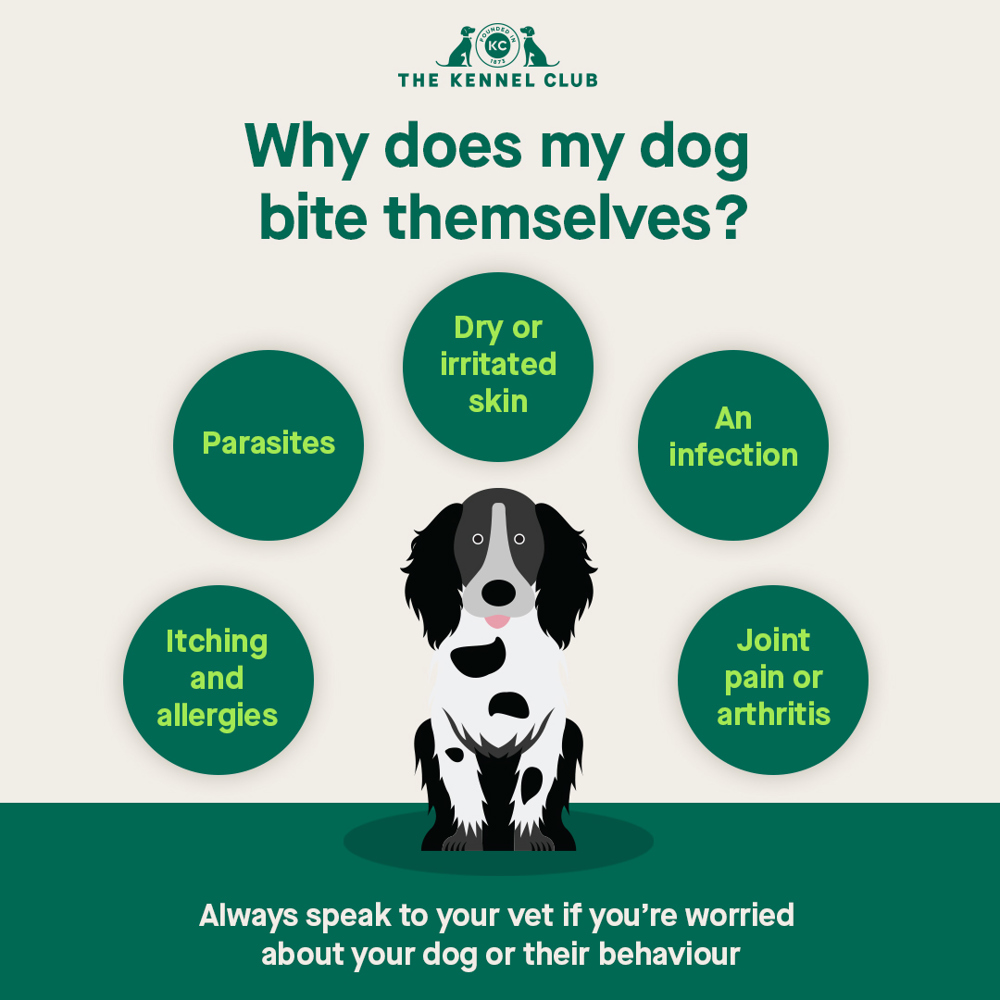
Image Source: www.thekennelclub.org.uk
Deciphering the Causes: Why the Self-Inflicted Nips?
The reasons behind a dog biting itself are diverse, ranging from physical ailments to psychological distress. Let’s explore the most common culprits.
Physical Discomfort: The Body’s Cry for Help
Physical issues are perhaps the most frequent drivers of self-biting in dogs. When a dog experiences pain or discomfort, its natural instinct is to try and alleviate it.
Skin Irritation and Allergies: The Itch That Won’t Quit
One of the most prevalent reasons for a dog biting itself is dog skin irritation and the relentless dog itchiness it causes. This can stem from a variety of sources:
- Allergies: Dog allergies are incredibly common and can manifest in numerous ways.
- Environmental Allergies (Atopy): Pollens, dust mites, mold spores, and grasses can trigger allergic reactions. These often lead to itchy skin, particularly on the paws, ears, belly, and face.
- Food Allergies/Intolerances: Certain proteins (like chicken, beef, or dairy) or grains can cause digestive upset and skin issues.
- Flea Allergy Dermatitis (FAD): Even a single flea bite can cause an intense allergic reaction in sensitive dogs, leading to severe itching and biting, especially around the base of the tail and hindquarters.
- Infections:
- Bacterial Infections: Secondary bacterial infections can develop when the skin is compromised, leading to inflammation and itching.
- Fungal Infections (e.g., Ringworm, Yeast): These can cause red, itchy patches of skin. Yeast infections often thrive in warm, moist areas like between the toes or in skin folds.
- Parasites: Beyond fleas, mites (like scabies or demodex) can cause intense itching and skin lesions, leading to compulsive biting.
- Dry Skin: Environmental factors like low humidity or over-bathing can strip the skin of its natural oils, leading to dryness and irritation.
- Contact Dermatitis: Skin reactions to irritants like certain shampoos, cleaning products, or even fabrics can cause localized irritation and biting.
Identifying Skin-Related Biting:
Look for patterns in your dog’s behavior. Does the biting occur after spending time outdoors? After a bath? Does it seem to be concentrated on specific areas?
- Paw Biting: Often a sign of allergies, interdigital cysts, or foreign objects lodged between the toes.
- Flank Biting: Can indicate fleas, allergies, or even anal gland issues.
- Base of Tail Biting: A classic indicator of fleas.
- Ear Biting/Scratching: Points towards ear infections or external ear mites.
Pain and Injury: A Localized Response
If your dog is biting a specific area, it could be due to localized pain or an injury that you might not be aware of.
- Arthritis or Joint Pain: Dogs may lick or chew at a sore joint.
- Cuts, Scrapes, or Lacerations: An open wound will naturally draw a dog’s attention. While the initial dog wound licking is a natural cleaning response, it can become obsessive and lead to further irritation if the wound isn’t healing properly or if there’s an underlying infection.
- Interdigital Cysts or Abscesses: These can form between a dog’s toes, causing significant discomfort.
- Ingrown Toenails: Painful and can lead to localized chewing.
- Anal Gland Issues: Impacted or infected anal glands can cause discomfort around the tail base, leading to scooting, licking, or biting in that area.
- Neurological Issues: In rare cases, nerve damage or conditions like lick granulomas can cause a persistent sensation that leads to biting.
Behavioral and Psychological Factors: When the Mind Takes Over
While physical causes are paramount, dog behavioral issues also play a significant role in a dog biting itself. These are often linked to the dog’s emotional state.
Anxiety and Stress: Coping Mechanisms Gone Awry
Dog anxiety biting can manifest in various forms, including self-biting. Dogs experiencing anxiety may bite themselves as a way to self-soothe or distract themselves from the stressful stimulus.
- Separation Anxiety: Dogs left alone may chew their paws or legs as a coping mechanism.
- Noise Phobias: Loud noises like thunderstorms or fireworks can trigger intense anxiety, leading to compulsive behaviors.
- Changes in Environment: Moving to a new home, the introduction of a new pet or family member, or changes in routine can all be stressful.
- Lack of Stimulation: Boredom can lead to pent-up energy and frustration, which some dogs express through self-biting.
Obsessive-Compulsive Disorder (OCD): The Cycle of Repetition
Similar to humans, dogs can develop compulsive behaviors. Self-biting can become an OCD in some dogs, often starting as a response to an itch or pain but continuing even after the initial cause is gone. This can develop into a psychological addiction, where the dog finds a strange comfort in the act itself.
Boredom and Lack of Exercise: Unleashing Pent-Up Energy
A dog that isn’t getting enough physical and mental stimulation is prone to developing problematic behaviors. If a dog has excess energy and no appropriate outlet, it might turn to self-biting as a way to expend that energy. This is particularly common in high-energy breeds that are not adequately exercised.
Identifying the Problem: A Detective’s Approach
To effectively address self-biting, you need to be a keen observer. Gathering information is key to working with your veterinarian.
What to Observe and Record:
- When does the biting occur? (e.g., after eating, when left alone, during walks, at night)
- Where on the body does the dog bite? (e.g., paws, tail base, flanks, ears)
- How frequently does it happen?
- What is the intensity of the biting? (e.g., gentle licking, intense chewing)
- Are there any visible skin changes? (e.g., redness, hair loss, sores, swelling)
- Have there been any recent changes in the dog’s environment, diet, or routine?
- Is the dog showing other signs of distress? (e.g., panting, pacing, vocalizing, loss of appetite)
When to Seek Veterinary Attention:
It’s crucial to consult your veterinarian at the first sign of persistent self-biting. They are your primary resource for diagnosing and treating the underlying causes.
Key indicators that necessitate an immediate vet visit include:
- Visible wounds or sores: Even small cuts can become infected.
- Severe redness, swelling, or discharge from the skin.
- Lameness or reluctance to bear weight on a limb.
- Behavioral changes that are sudden or extreme.
- If the biting is causing significant distress or preventing the dog from resting.
Solutions: From Vet Visits to Behavioral Training
Once the cause is identified, a tailored treatment plan can be implemented.
Veterinary Interventions: Treating the Root Cause
Your veterinarian will conduct a thorough examination, which may include:
- Physical Examination: Checking for parasites, skin lesions, and signs of pain.
- Dermatological Workup:
- Skin Scrapes: To check for mites.
- Cytology: Microscopic examination of skin cells for bacteria or yeast.
- Allergy Testing: Blood tests or intradermal skin tests can help identify allergens.
- Food Elimination Trial: A strict hypoallergenic diet can help diagnose food allergies.
- Bloodwork: To assess overall health and rule out systemic diseases.
- Biopsy: In some cases, a skin biopsy may be recommended for a definitive diagnosis.
Treatment options will vary based on the diagnosis:
- For Allergies:
- Antihistamines or Corticosteroids: To manage itching and inflammation.
- Immunotherapy (Allergy Shots): For long-term environmental allergy management.
- Medicated Shampoos and Wipes: To soothe irritated skin and treat infections.
- Dietary Changes: Switching to a prescription or hydrolyzed protein diet for food allergies.
- Flea Prevention: Consistent, effective flea control is essential for FAD.
- For Infections:
- Antibiotics (oral or topical): For bacterial infections.
- Antifungal Medications (oral or topical): For fungal infections.
- For Parasites:
- Topical or oral antiparasitic medications.
- For Pain and Injury:
- Pain medication.
- Wound care and bandaging.
- Surgery for conditions like abscesses or certain injuries.
- Joint supplements or therapies for arthritis.
- For Anal Gland Issues:
- Manual expression of anal glands.
- Antibiotics or anti-inflammatory medications if infected.
Addressing Behavioral Causes: A Holistic Approach
If physical causes are ruled out or managed, behavioral interventions become crucial.
Managing Anxiety and Stress:
- Environmental Enrichment: Provide plenty of chew toys, puzzle feeders, and opportunities for mental stimulation.
- Regular Exercise: Ensure your dog gets enough daily exercise tailored to its breed and energy level. This helps burn off excess energy and reduce stress.
- Training and Socialization: Positive reinforcement training can build confidence. Proper socialization from a young age can help prevent future anxiety.
- Calming Aids:
- Pheromone Diffusers/Sprays: Mimic natural calming pheromones.
- Thundershirts or Anxiety Wraps: Provide gentle, constant pressure that can have a calming effect.
- Supplements: L-theanine, tryptophan, or specific calming blends might be recommended by your vet.
- Medications: In severe cases, your vet might prescribe anti-anxiety medications.
- Desensitization and Counter-Conditioning: Gradually expose your dog to triggers (e.g., alone time, noises) while pairing them with positive experiences.
Tackling Boredom and Lack of Stimulation:
- Interactive Toys: Food-dispensing toys, puzzle feeders, and snuffle mats keep dogs engaged.
- Training Sessions: Short, frequent training sessions provide mental exercise.
- Nose Work/Scent Games: Engaging a dog’s natural scenting abilities can be very tiring and fulfilling.
- Playdates: Social interaction with other well-behaved dogs can be beneficial.
Addressing Compulsive Behaviors (OCD):
- Disrupt the Cycle: When you see your dog starting to bite itself, gently redirect its attention to an acceptable activity, like a toy or a training command.
- Prevent Access: In severe cases, you might need to temporarily use an Elizabethan collar (cone of shame) or a medical suit to prevent the dog from reaching the area. This is a temporary measure to break the cycle while you work on behavioral modification.
- Professional Behaviorist: For severe OCD, consult a certified applied animal behaviorist or a veterinary behaviorist. They can develop a comprehensive behavior modification plan, which may include medication.
At-Home Care and Prevention:
- Regular Grooming: Keep your dog’s coat clean and free of mats, which can trap moisture and irritants.
- Paw Care: Regularly check your dog’s paws for cuts, foreign objects, or any signs of irritation. Trim nails to prevent ingrown nails.
- Dietary Review: Ensure your dog is on a high-quality, balanced diet.
- Environmental Control: If allergies are suspected, try to minimize exposure to potential allergens. For example, wash bedding frequently, use air purifiers, and consider bathing your dog with a hypoallergenic shampoo after walks in high-pollen areas.
- Safe Chewing Options: Provide a variety of appropriate chew toys to satisfy your dog’s natural urge to chew.
When Self-Biting Becomes Lick Granuloma
A specific, often painful, consequence of chronic dog self-harm through licking and biting is the development of lick granulomas. These are raised, often ulcerated sores that form on the skin, most commonly on the lower legs, wrists, or ankles. They are essentially a self-inflicted wound that doesn’t heal due to persistent licking and chewing.
Factors contributing to lick granulomas:
- Underlying Itchiness: Allergies, parasites, or infections are often the initial trigger.
- Pain: Arthritis or other musculoskeletal pain can lead to licking the affected area.
- Boredom/Anxiety: The behavior can become a self-soothing habit.
- Genetics: Some breeds may be more prone to developing them.
Treating lick granulomas requires a multi-pronged approach:
- Stopping the Licking: This is paramount. Elizabethan collars, medical boots, or topical irritants (approved by a vet) may be necessary.
- Treating the Underlying Cause: Addressing allergies, infections, or pain is essential for long-term resolution.
- Topical Therapies: Antibiotic ointments, steroid creams, or other wound healing medications can help.
- Behavioral Modification: If anxiety or boredom is a factor, address these through training and enrichment.
- Surgical Intervention: In severe or chronic cases, surgery might be an option to remove the granuloma, but the licking must be controlled post-surgery to prevent recurrence.
Frequently Asked Questions (FAQ)
Q1: Can my dog bite himself out of boredom?
Yes, boredom can be a contributing factor, especially if it’s combined with pent-up energy or anxiety. However, it’s rarely the sole reason. Boredom often exacerbates underlying issues or leads to the development of compulsive behaviors as an outlet.
Q2: How can I stop my dog from biting its paws?
First, rule out medical causes with your vet. If it’s behavioral, try redirecting the behavior to an appropriate chew toy, increase exercise and mental stimulation, and consider using a calming spray or supplement. If the paw biting is severe, a cone may be temporarily needed.
Q3: Is it okay for my dog to lick a wound?
A little bit of licking is natural as dogs tend to clean their wounds. However, excessive dog wound licking can prevent healing, introduce bacteria, and lead to further damage. It’s best to prevent constant licking with an Elizabethan collar or a medical recovery suit if necessary.
Q4: What are the signs of dog allergies causing itching and biting?
Common signs include excessive scratching, licking, or biting at paws, ears, belly, or flanks. You might also notice redness, hair loss, skin infections, hot spots, and ear infections.
Q5: How can I help my dog with anxiety that causes biting?
Address the source of anxiety if possible. Provide a safe space, ensure sufficient exercise and mental stimulation, consider calming aids, and work on desensitization and counter-conditioning techniques. For severe anxiety, consult your veterinarian about potential behavioral medications.
Q6: What is a lick granuloma, and how is it treated?
A lick granuloma is a chronic sore caused by persistent licking and biting, usually on the legs. Treatment involves stopping the licking (often with a cone), treating any underlying medical cause (like allergies or infections), topical wound care, and behavioral modification.
By approaching this issue with patience, observation, and a strong partnership with your veterinarian, you can help your dog overcome self-biting and return to a state of comfort and well-being.