
Does your dog nibble at his paws and seem focused on his nails? This behavior, often described as dog nail biting, can be a cause for concern for many pet owners. While occasional grooming is normal, excessive or obsessive paw licking and biting can signal underlying issues. This article delves into the multifaceted reasons behind dog chewing nails, offering insights into potential medical, environmental, and behavioral triggers. We’ll explore common dog nail biting causes, address why is my dog licking his paws excessively, and provide guidance on when to seek professional help.
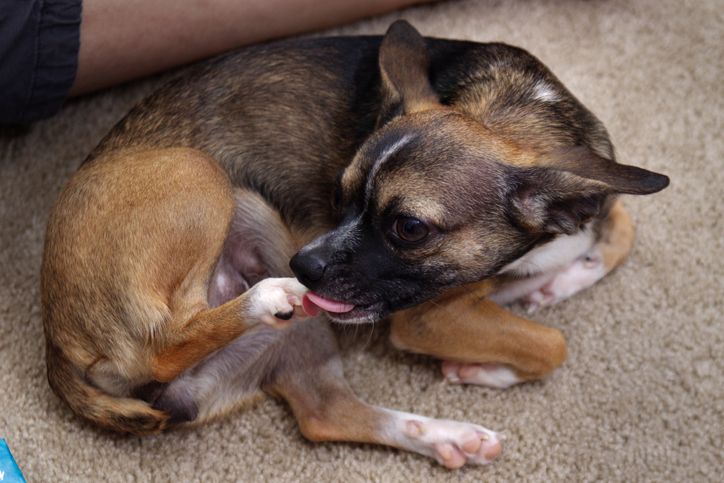
Image Source: cdn.whole-dog-journal.com
Deciphering Dog Paw Biting Reasons
A dog’s paws are intricate structures, essential for mobility, play, and exploration. Anything that causes discomfort or irritation to these sensitive areas can lead to a dog biting his nails or licking his paws. Understanding the root cause is crucial for providing the right care and relief for your canine companion.
Medical Conditions Driving Paw Issues
Many health problems can manifest as paw irritation, prompting dogs to bite or lick them. These issues range from minor irritations to more serious conditions requiring veterinary intervention.
Allergies and Dermatitis
One of the most frequent reasons for dog paw biting is allergies. Dogs can develop allergies to a variety of environmental factors or ingredients in their food.
- Environmental Allergies (Atopy): This is a common condition where dogs react to airborne allergens like pollen, dust mites, mold spores, and certain grasses. The allergens are absorbed through the skin or inhaled, leading to inflammation and itching, particularly in the paws, face, and ears. The constant itching can be so intense that dogs resort to biting or chewing their paws to find relief.
- Food Allergies: Certain proteins (like chicken, beef, dairy, or soy) or grains in a dog’s diet can trigger an allergic reaction. Similar to environmental allergies, this can cause itchy skin, leading to excessive paw licking and biting.
- Contact Dermatitis: This occurs when a dog’s skin comes into direct contact with an irritant, such as certain cleaning products, chemicals on sidewalks, rough surfaces, or even specific types of carpeting. The reaction is localized to the point of contact, often the paw pads.
Infections
Paw infections, both bacterial and fungal, are another significant cause of discomfort and subsequent biting.
- Bacterial Infections (Pyoderma): These can occur when the skin barrier on the paws is compromised, allowing bacteria to enter. Cuts, abrasions, or excessive moisture can create an environment where bacteria thrive. Symptoms include redness, swelling, pus, and itching.
- Fungal Infections (Yeast Infections): Yeast (Malassezia) is a naturally occurring organism on a dog’s skin, but an overgrowth can cause infections, especially in warm, moist areas like between the toes. This leads to itching, redness, a characteristic musty odor, and sometimes a greasy discharge.
Parasites
External parasites are notorious for causing intense itching and discomfort.
- Fleas: Flea bites, even if the fleas are no longer on the dog, can cause an allergic reaction in some dogs, leading to generalized itching.
- Mites: Mites, such as those causing sarcoptic mange (scabies) or demodectic mange, can infest the skin and cause severe irritation, hair loss, and intense itching on the paws and other body parts.
- Ticks: While less common as a direct cause of chronic biting, a tick embedded in the paw can cause local irritation and inflammation.
Pain and Injury
Dogs may bite their paws if they are experiencing pain due to an injury.
- Thorns, Glass, or Foreign Objects: Small objects can become embedded in the paw pads or between the toes, causing sharp pain and irritation.
- Cuts and Abrasions: Minor cuts or scrapes from rough surfaces can become infected or simply painful, leading to licking or biting.
- Sprains or Fractures: While less likely to manifest as focused nail biting, a more severe injury to a paw or leg might cause a dog to lick or chew the affected area.
- Arthritis or Joint Pain: Older dogs or those with joint issues might lick or chew their paws due to discomfort or stiffness in their joints.
Dry, Cracked Paws
Exposure to harsh weather conditions, such as extreme cold, ice, salt used on roads, or very hot pavement, can lead to dry, cracked, and sore paw pads. This discomfort can cause dogs to lick or chew their paws to try and soothe them.
Factors Contributing to Canine Nail Damage
Beyond direct medical issues, certain lifestyle and grooming practices can contribute to or exacerbate paw and nail problems, leading to biting.
Improper Nail Trimming
Dog grooming nail issues are a common culprit. If a dog’s nails are too long, they can force the dog’s toes into an unnatural position, causing discomfort and pain. This can make walking difficult and may lead to:
- Altered Gait: Dogs may adjust how they walk to avoid pressure on overgrown nails, potentially leading to joint strain or pain.
- Nail Splitting or Breaking: Overgrown nails are more prone to splitting, cracking, or breaking, which is painful and can lead to secondary infections.
- Ingrown Nails: In severe cases, nails can grow so long that they curve back and grow into the paw pad, causing significant pain and infection.
Over-Grooming by the Dog
Sometimes, the biting is part of a cycle of self-grooming that has become excessive. This is often linked to an underlying itchiness or discomfort, but the act of grooming itself can become a habit.
Behavioral and Psychological Triggers for Dog Obsessive Paw Licking
When medical causes have been ruled out, behavioral or psychological factors often emerge as the primary drivers for dog obsessive paw licking and nail biting.
Boredom and Lack of Stimulation
Dogs are intelligent and active creatures. If they are not provided with sufficient mental and physical stimulation, they can develop destructive or repetitive behaviors as a way to cope with boredom.
- Insufficient Exercise: A dog that doesn’t get enough walks, playtime, or opportunities to run may have pent-up energy that manifests as paw chewing.
- Lack of Mental Engagement: Puzzle toys, training sessions, and interactive games are crucial for a dog’s mental well-being. Without these, a dog can become restless and anxious.
Anxiety and Stress
Anxiety is a significant factor in many compulsive behaviors, including paw biting.
- Separation Anxiety: Dogs suffering from separation anxiety may exhibit compulsive behaviors, including excessive licking or chewing of their paws, when left alone. This is a way for them to self-soothe.
- Environmental Stressors: Loud noises (thunderstorms, fireworks), changes in the household (new pet, new baby, moving house), or an unstable routine can cause stress and lead to anxiety-related paw biting.
- General Anxiety: Some dogs are naturally more prone to anxiety due to their genetics or past experiences.
Compulsive Behavior (Canine Compulsive Disorder)
In some cases, paw biting can escalate into a full-blown compulsive disorder, similar to Obsessive-Compulsive Disorder (OCD) in humans. This is often triggered by an initial physical or environmental factor, but the behavior becomes ingrained even after the original cause is gone.
- Stereotypical Behaviors: Paw biting can become a self-soothing repetitive behavior that the dog engages in when feeling anxious, bored, or stressed.
- Reinforcement: If the dog experiences even temporary relief from discomfort or anxiety by biting, this can inadvertently reinforce the behavior.
Attention-Seeking Behavior
Dogs are adept at learning what gets them attention from their owners. If a dog finds that paw biting or licking elicits a strong reaction from its owner (even a negative one), it might repeat the behavior to get noticed.
Identifying the Culprit: A Diagnostic Approach
Pinpointing the exact reason for your dog’s nail biting requires careful observation and, often, professional guidance.
When to Seek Veterinarian Advice Dog Nail Biting
It is crucial to consult your veterinarian if you notice any of the following:
- Sudden onset or increase in paw biting.
- Visible signs of injury: Redness, swelling, bleeding, hair loss, or lameness.
- Your dog seems to be in pain.
- The behavior is persistent and not improving with home care.
- You suspect an infection or allergy.
Your veterinarian will perform a thorough physical examination, paying close attention to your dog’s paws and overall health. They may recommend diagnostic tests to identify the underlying cause.
Diagnostic Tools and Examinations
- Physical Examination: The vet will meticulously check the paws for any signs of injury, foreign objects, infections, or parasites. They will also assess the overall condition of the skin and nails.
- Skin Scrapes and Cytology: These tests involve collecting skin cells or debris from the affected area to look for microscopic evidence of parasites (like mites) or infectious agents (bacteria, yeast).
- Allergy Testing: If allergies are suspected, your vet might recommend an elimination diet trial to identify food allergies or intradermal skin testing/blood tests for environmental allergies.
- X-rays: If a physical injury or underlying bone issue is suspected, X-rays can provide valuable information.
- Fungal Culture: To confirm or rule out a fungal infection.
Ruling Out Medical Causes: The First Step
Before considering behavioral modification, it’s paramount to rule out any underlying medical conditions. Treating an infection, allergy, or injury will often resolve the paw biting behavior.
Addressing the Root Cause: Treatment and Management Strategies
Once the cause of the paw biting is identified, a tailored treatment plan can be implemented.
Medical Treatments
- Allergies: Treatment for allergies may involve prescription medications (antihistamines, corticosteroids, or immunotherapy), specialized hypoallergenic diets, and topical treatments to soothe the skin.
- Infections: Bacterial infections are typically treated with oral or topical antibiotics. Fungal infections are managed with antifungal medications.
- Parasites: Parasitic infestations require specific antiparasitic medications, such as spot-on treatments or oral medications, to eliminate the pests.
- Pain and Injury: Pain relief medication may be prescribed, and any wounds will need to be cleaned and treated. Foreign objects will be surgically removed.
Grooming and Nail Care
Proper dog grooming nail issues are essential for preventing discomfort.
- Regular Nail Trims:
- Frequency: Nails should be trimmed every 2-4 weeks, or as needed, so they don’t touch the ground when the dog is standing.
- Technique: Use sharp, high-quality nail clippers designed for dogs. Cut only the tip of the nail, avoiding the quick (the pink part containing blood vessels and nerves). If you cut too much, use styptic powder to stop bleeding.
- Desensitization: Get your dog accustomed to having his paws handled from a young age. Reward him with treats and praise during grooming sessions.
- Paw Pad Care:
- Moisturizing: Use a pet-safe paw balm to keep paw pads from drying and cracking, especially in harsh weather.
- Cleaning: After walks, gently clean your dog’s paws to remove any irritants or debris.
Behavioral Modifications and Environmental Enrichment
If the paw biting is rooted in behavioral issues, a multi-pronged approach is necessary.
- Increase Exercise and Mental Stimulation:
- Daily Walks: Ensure your dog gets adequate daily exercise, tailored to their breed, age, and health.
- Playtime: Engage in interactive games like fetch, tug-of-war, or hide-and-seek.
- Puzzle Toys: Provide food-dispensing toys or puzzle feeders that challenge your dog mentally.
- Training: Regular training sessions can provide mental stimulation and strengthen your bond.
- Manage Anxiety and Stress:
- Routine: Maintain a consistent daily routine for feeding, walking, and playtime.
- Safe Space: Provide a comfortable and quiet den-like area where your dog can retreat when feeling anxious.
- Calming Aids: Consider pheromone diffusers, calming supplements (consult your vet first), or thunder shirts for dogs prone to anxiety.
- Desensitization and Counter-Conditioning: For specific fears (like thunderstorms), work with a qualified professional to gradually expose your dog to the trigger while associating it with positive experiences.
- Redirecting the Behavior:
- When you catch your dog biting its nails, distract them with a toy or a command.
- Immediately redirect their attention to an acceptable activity.
- Reward them enthusiastically for engaging in the new activity.
- Avoid Reinforcing the Behavior:
- Do not scold or punish your dog for paw biting, as this can increase anxiety and worsen the problem.
- Avoid overly fussing over your dog when they are biting their paws, as this can be interpreted as attention.
- Professional Help:
- Veterinary Behaviorist: For severe cases of anxiety or compulsive disorders, a board-certified veterinary behaviorist can provide specialized diagnosis and treatment plans, which may include medication and extensive behavior modification.
- Certified Professional Dog Trainer (CPDT-KA/KSA): A qualified trainer can assist with behavior modification techniques and provide strategies for managing boredom and anxiety.
Preventing Paw Problems
Proactive care can prevent many instances of dog nail biting.
- Regular Veterinary Check-ups: Annual or semi-annual check-ups allow your vet to catch potential problems early.
- Balanced Diet: A nutritious diet supports overall health, including skin and coat health.
- Environment Awareness: Be mindful of what your dog walks on. Avoid treated lawns or areas with chemicals. Wipe paws after walks.
- Proper Grooming: Regular nail trims, paw pad checks, and keeping paws clean are essential.
- Mental and Physical Stimulation: Ensure your dog has an outlet for their energy and intelligence.
Frequently Asked Questions (FAQ)
Q1: Is it normal for a dog to lick its paws?
It’s normal for dogs to lick their paws occasionally as part of their grooming routine. However, excessive licking, especially if it leads to redness, irritation, or hair loss, is not normal and warrants investigation.
Q2: How can I stop my dog from biting its nails?
Stopping nail biting depends on the cause. If it’s medical, treat the underlying condition. If it’s behavioral, increase exercise and mental stimulation, manage anxiety, and redirect the behavior. Consulting your veterinarian is always the first step.
Q3: Can I trim my dog’s nails if they are bleeding from being chewed?
If your dog’s nails are bleeding due to chewing, it’s important to assess the severity. If it’s a minor nick, you can apply styptic powder or cornstarch to help stop the bleeding. However, if the bleeding is significant or you suspect an infection, it’s best to consult your veterinarian. You should also avoid trimming the nails yourself until the area has healed to prevent further injury.
Q4: What are the signs of a dog nail infection?
Signs of a dog nail infection can include redness, swelling around the nail bed, pus, pain (your dog may yelp or pull away when the paw is touched), a foul odor, and sometimes discharge.
Q5: My dog’s nails are very long and seem to be causing him discomfort. What should I do?
If your dog’s nails are long and causing discomfort, schedule an appointment with your veterinarian or a professional groomer for a nail trim. If you’re unsure about how to trim them safely, it’s best to seek professional help to avoid injuring your dog or causing further pain.
Q6: What is the difference between dog nail biting and dog chewing nails?
These terms are often used interchangeably. Both refer to a dog biting or gnawing at its nails or paws. The underlying reasons can be the same, ranging from medical issues to behavioral problems.
Q7: Can diet affect my dog’s paw health?
Yes, a balanced diet is crucial for overall health, including skin and coat. Nutritional deficiencies or imbalances can contribute to dry, brittle nails or skin irritation, which might lead to paw chewing. Allergies to certain food ingredients are also a common cause of paw licking.
By understanding the diverse reasons behind your dog’s nail-biting behavior, you can take appropriate steps to ensure their comfort and well-being, leading to a happier, healthier life for your beloved pet. Always consult with your veterinarian to get a proper diagnosis and treatment plan.