
Why Does My Dog Chew On Her Nails?
If you’ve noticed your dog repeatedly chewing on her nails, you’re likely wondering why. This behavior can stem from a variety of reasons, ranging from simple boredom to underlying medical or psychological issues. In short, dog nail biting can be a sign of itchiness, pain, anxiety, boredom, or a learned behavior. Addressing the root cause is key to stopping this habit.
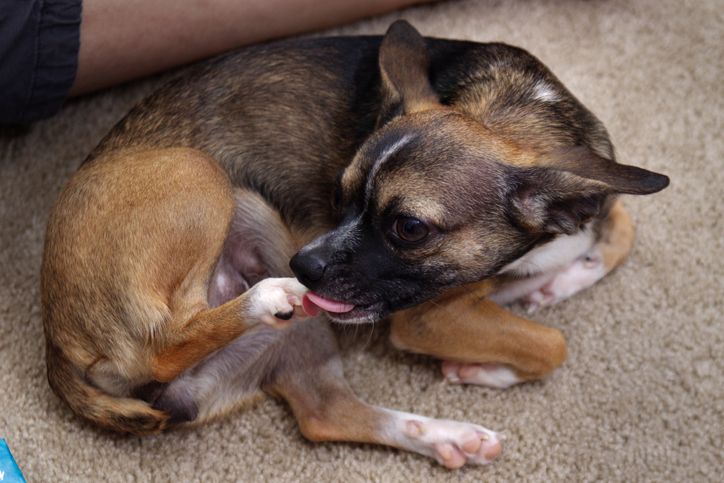
Image Source: cdn.whole-dog-journal.com
Fathoming the Reasons for Dog Nail Chewing
Your dog’s paws are highly sensitive and play a crucial role in their overall well-being. When a dog starts licking paws and nails excessively, or exhibits dog nail biting, it’s a signal that something might be amiss. This behavior, often referred to as dog excessive grooming, can have multiple explanations, and pinpointing the exact reason requires careful observation and sometimes, veterinary consultation. Let’s delve into the common culprits behind this canine compulsion.
Physical Discomfort and Health Nail Issues
One of the most frequent reasons for canine nail licking is physical discomfort. Imagine having something irritating your toes constantly – you’d likely try to fix it too!
Allergies
Allergies are a leading cause of itchy paws in dogs. These can be environmental (pollen, dust mites, mold), food-related (certain proteins like chicken or beef, grains), or contact allergens (grass, cleaning products). When a dog’s paws become itchy due to allergies, they often resort to licking and chewing to find relief.
- Environmental Allergies (Atopy): These are common and can cause itchy paws, ears, and belly. Symptoms might worsen during certain seasons.
- Food Allergies: Dogs with food allergies might show itchiness across their body, but paws are a frequent target. Other symptoms can include digestive upset and ear infections.
- Contact Allergies: Direct contact with an irritant can cause localized itching and inflammation on the paw pads and between the toes.
Infections
Paw infections, often secondary to allergies or injuries, can lead to significant discomfort and encourage chewing.
- Bacterial Infections: These can occur when the skin barrier is compromised, leading to redness, swelling, and pain.
- Fungal Infections (Yeast): Yeast infections are particularly common in dogs with allergies. They often cause a musty odor and a greasy, red, or inflamed appearance between the toes and on the paw pads. The itching can be intense.
Injuries and Foreign Objects
A dog might chew on its nails if there’s an injury or something stuck in its paw.
- Ingrown Nails: If a nail is too long and curves inward, it can press into the paw pad, causing pain and irritation.
- Cracked or Broken Nails: Trauma can lead to a cracked or broken nail, which is painful and prone to infection.
- Foreign Objects: Thorns, splinters, glass shards, or even small pebbles can become embedded in the paw, prompting the dog to lick and chew at the area.
Parasites
External parasites can also cause itchiness and lead to dog paw obsession.
- Fleas: While fleas might not directly reside on the paws, their bites can cause generalized itching, and some dogs develop a specific allergy to flea saliva, leading to intense scratching and licking of extremities.
- Mites: Demodex mites or sarcoptic mange mites can affect the paws, causing intense itching, hair loss, and skin irritation.
Behavioral and Psychological Factors
Beyond physical ailments, your dog’s mental state can significantly influence their nail-chewing habits.
Anxiety and Stress
Many dogs resort to chewing as a way to cope with anxiety or stress. This is often categorized as dog anxiety chewing.
- Separation Anxiety: When left alone, some dogs become anxious and may engage in compulsive behaviors like chewing their paws or nails to self-soothe.
- Environmental Stressors: Loud noises (fireworks, thunderstorms), changes in routine, new people or pets in the home, or even boredom can trigger anxiety.
- Compulsive Disorders: In some cases, the behavior can become a compulsive disorder, where the dog feels an irresistible urge to perform the action, even without an obvious trigger. This is a form of dog behavioral problems nails.
Boredom and Lack of Stimulation
A dog that isn’t getting enough mental and physical exercise may develop destructive or obsessive behaviors, including excessive nail licking. This is a classic case of dog self-soothing behavior when they have nothing better to do.
- Insufficient Exercise: A dog with pent-up energy might seek an outlet, and chewing on their own paws can become a self-gratifying activity.
- Lack of Mental Stimulation: Puzzle toys, training sessions, and interactive play are crucial for a dog’s mental health. Without them, dogs can become bored and develop unwanted habits.
Learned Behavior and Attention Seeking
Sometimes, dogs learn that a certain behavior gets them attention, even if it’s negative attention.
- Seeking Attention: If you consistently react when your dog chews its nails, even by scolding or petting them to stop, they might learn that this behavior is a way to get you to interact with them.
- Habit Formation: Over time, what might have started as a response to a minor itch can become a deeply ingrained habit that the dog performs even when the original cause is gone.
Other Potential Causes
While less common, other factors can contribute to dog licking paws and nails.
Neurological Issues
In rare cases, neurological problems could cause abnormal sensations in the paws, leading to licking or chewing. This is more likely if other neurological signs are present.
Gastrointestinal Upset
Some dogs with gastrointestinal issues may experience discomfort that manifests as generalized restlessness, leading them to lick their paws.
Diagnosing the Root Cause
Identifying why your dog chews her nails requires a systematic approach.
Veterinary Examination
The first and most crucial step is a visit to your veterinarian. They can rule out or diagnose any underlying medical conditions.
- Physical Exam: The vet will thoroughly examine your dog’s paws, nails, and surrounding skin for signs of infection, injury, parasites, or inflammation.
- Allergy Testing: If allergies are suspected, your vet may recommend intradermal skin testing or blood tests to identify specific allergens.
- Skin Scrapes: To check for mites, skin scrapes can be performed.
- Fungal/Bacterial Cultures: If infection is suspected, samples may be sent to a lab for culture.
- Dietary Elimination Trials: For suspected food allergies, a strict elimination diet is often recommended.
Behavioral Assessment
If medical causes are ruled out, your vet or a certified applied animal behaviorist can help assess for behavioral or psychological triggers.
- Observation: Keeping a log of when the chewing occurs, what might have triggered it, and the dog’s overall demeanor can provide valuable clues.
- Environmental Review: Assessing your dog’s daily routine, exercise levels, and potential stressors in their environment is important.
Addressing Dog Nail Biting: Strategies and Solutions
Once the cause is identified, you can implement targeted strategies.
Medical Management
If a medical issue is diagnosed, treatment will focus on resolving that problem.
- Allergies: Treatment might include hypoallergenic diets, medications to control itching (antihistamines, corticosteroids, Apoquel, Cytopoint), or immunotherapy (allergy shots).
- Infections: Antibiotics or antifungal medications will be prescribed for bacterial or yeast infections. Topical treatments like medicated shampoos or wipes may also be used.
- Parasites: Appropriate antiparasitic medications will be recommended.
- Injuries: Wounds will be cleaned and bandaged, and nail trims or repairs might be necessary. Keeping nails trimmed to an appropriate length is essential to prevent ingrown nails.
Behavioral Interventions
When behavioral or psychological factors are at play, a multi-faceted approach is needed.
Increasing Physical and Mental Stimulation
Combatting boredom is key.
- Exercise: Ensure your dog gets adequate daily exercise. This includes walks, runs, and playtime. Tailor the intensity and duration to your dog’s breed, age, and health.
- Mental Enrichment:
- Puzzle Feeders: Use food puzzles and slow feeders to make mealtimes more engaging.
- Training Sessions: Regular short training sessions can tire out a dog mentally. Teach new tricks or reinforce basic commands.
- Interactive Toys: Rotate toys to keep them novel and exciting.
- Nose Work: Hide treats around the house or yard for your dog to find.
Managing Anxiety and Stress
- Create a Safe Space: Provide a comfortable, quiet den-like area where your dog can retreat when feeling stressed.
- Routine: Maintain a predictable daily routine, as this can reduce anxiety.
- Desensitization and Counter-Conditioning: For specific fears (e.g., thunderstorms), gradually expose your dog to the trigger at a low intensity while pairing it with positive experiences (treats, praise). Consult a professional for guidance.
- Calming Aids: Pheromone diffusers, calming supplements, or prescription anti-anxiety medications may be recommended by your vet in severe cases.
- Avoid Punishment: Punishing a dog for anxiety-related behaviors can worsen the anxiety.
Redirecting the Behavior
When you catch your dog chewing its nails, redirect their attention to a more appropriate activity.
- Offer a Toy: Immediately give them a favorite chew toy or a puzzle toy.
- Engage in Play: Start a short game of fetch or tug-of-war.
- Training Cue: Use a cue like “touch” and reward them for interacting with your hand or a target stick.
Preventing Access
In some cases, preventing access to the paws can be a temporary measure while addressing the root cause.
- Bitter Sprays: Apply pet-safe bitter sprays to the paws, but be cautious as some dogs may still lick.
- Protective Booties or Socks: During periods of intense chewing, booties or socks can prevent further damage. Ensure they are comfortable and don’t restrict circulation.
- E-Collars (Cone of Shame): In severe cases, a veterinary-prescribed Elizabethan collar might be necessary to prevent self-trauma, especially if there’s an open wound.
Grooming and Nail Care
Proper nail care is essential.
- Regular Trims: Keep your dog’s nails trimmed to a healthy length. Overgrown nails can curl into the paw pads, causing pain and irritation. If you’re not comfortable doing this yourself, have a groomer or vet do it.
- Paw Inspections: Make paw inspection a regular part of your grooming routine. Check for cuts, redness, swelling, or anything unusual.
When to Seek Professional Help
It’s important to seek professional help if:
- The dog nail biting is sudden and severe.
- You observe any signs of infection, such as redness, swelling, pus, or a foul odor.
- Your dog appears to be in pain.
- The behavior is not improving with home management strategies.
- You suspect a significant underlying health or behavioral issue.
A veterinarian can provide a diagnosis and treatment plan. For behavioral issues, a certified professional dog trainer or veterinary behaviorist can offer specialized guidance and training programs.
Frequently Asked Questions (FAQ)
Q1: Can nail biting be a sign of a serious health problem in dogs?
A1: Yes, while it can be mild, dog nail biting can sometimes indicate serious issues like severe allergies, infections, or even neurological problems. It’s always best to consult a veterinarian to rule out any underlying health conditions.
Q2: My dog only chews one paw. What could this mean?
A2: If your dog is fixated on one paw, it strongly suggests a localized issue with that specific paw. This could be an injury, an embedded foreign object, a specific skin irritant, or a localized infection. A veterinary examination is crucial to identify the cause.
Q3: How can I stop my dog from chewing their nails if it’s due to boredom?
A3: To combat boredom-induced dog excessive grooming, increase your dog’s physical and mental stimulation. This includes longer walks, more playtime, puzzle toys, training sessions, and scent games. Providing appropriate chew toys can also redirect the behavior.
Q4: Is it normal for dogs to lick their paws occasionally?
A4: Occasional paw licking is normal for dogs, especially after being outside or when grooming themselves. However, persistent, intense canine nail licking, or chewing that causes redness or damage, is not normal and warrants investigation.
Q5: What are some safe alternatives to prevent my dog from chewing its nails?
A5: Safe alternatives include redirecting the behavior with a favorite toy or treat, providing more exercise and mental stimulation, and ensuring their nails are properly trimmed. For specific situations, your vet might suggest protective booties or a cone.
Q6: Can anxiety cause my dog to obsessively chew its nails?
A6: Absolutely. Dog anxiety chewing is a common way for dogs to cope with stress, fear, or separation anxiety. Identifying and managing the source of anxiety is key to resolving this behavior.
Q7: My dog’s nails are overgrown. Could this be why she’s chewing them?
A7: Yes, overgrown nails can become uncomfortable, curl into the paw pads, and cause pain, which can lead to dog licking paws and nails or chewing to try and get relief. Regular nail trims are essential for preventing this.
In conclusion, dog nail biting is a multifaceted behavior with numerous potential origins. By carefully observing your dog, consulting with your veterinarian, and implementing appropriate interventions, you can help your canine companion find comfort and break this habit.