
Does your dog have a habit of gently, or perhaps not so gently, chewing on your other dog’s ears? This common behavior, often referred to as dog ear chewing or inter-dog ear biting, can be puzzling for pet parents. Can I stop my dog from chewing on another dog’s ears? Yes, you can manage and redirect this behavior, but first, it’s crucial to grasp why it’s happening. The reasons range from playful interaction and social bonding to more serious issues like stress or resource guarding.
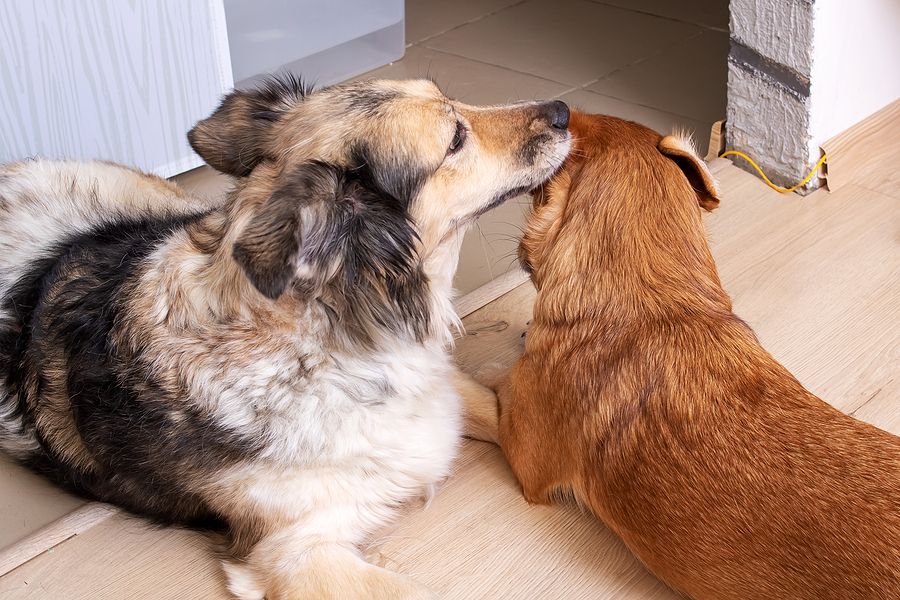
Image Source: midlandspetcare.com
Common Causes Behind Dog Ear Chewing
When you witness your dog engaging in canine ear nipping, it’s natural to feel concerned. Is it aggression? Is it a sign of affection? Let’s delve into the multifaceted reasons behind this prevalent canine behavior.
Play Behavior Dogs Engage In
For many dogs, especially puppies and younger dogs, ear chewing is a form of play. This stems from their natural instinct to explore the world and interact with their littermates. Puppies often mouth and chew on each other’s ears, tails, and paws as they learn social cues and bite inhibition. This play behavior dogs exhibit helps them establish boundaries and learn appropriate interaction levels.
How Play Chewing Looks
- Gentle Mouthing: The chewing is often soft and exploratory.
- Reciprocal Play: The dog being chewed on might also chew back or engage in other playful behaviors like play bowing.
- Reluctance to Stop: If the chewing becomes too rough, the recipient dog might yelp or move away, but often, they will re-engage in play.
- No Signs of Distress: The dog receiving the attention appears relaxed and not in pain.
Social Bonding and Grooming
In a multi-dog household, dog grooming behavior extends beyond self-grooming. Dogs often groom each other, and this can include licking and gentle chewing on ears. This is a way for them to strengthen their social bonds and establish a hierarchy within the pack. It’s a sign of affiliation and can be seen as a form of mutual care.
Interpreting Social Grooming
- Mutual Grooming: Both dogs might engage in licking and gentle chewing on each other.
- Calm Demeanor: The dogs appear relaxed and comfortable during the interaction.
- Lack of Force: The chewing is not aggressive or painful.
- Affectionate Gestures: This behavior is often accompanied by other affiliative actions like leaning into each other or sleeping close.
Puppy Ear Chewing – A Developmental Stage
Puppy ear chewing is particularly common. As mentioned, it’s a vital part of their development. They are learning about their bodies and the bodies of others. This phase is essential for their social development. While it’s natural, it’s important to ensure it doesn’t become too rough, as this can hinder their ability to interact appropriately with other dogs and people later on.
Stages of Puppy Development and Chewing
- Teething: Puppies chew to relieve gum discomfort during teething. This can extend to play with littermates.
- Socialization: Learning how to interact with other dogs through play, which includes mouthing and nipping.
- Exploration: Using their mouths to investigate everything, including their playmates.
Stress-Related Chewing Dogs Experience
Sometimes, ear chewing can be a manifestation of anxiety or stress. If a dog is feeling insecure, overwhelmed, or bored, they might engage in repetitive behaviors, including chewing on a companion’s ears. This type of chewing is often more intense or persistent than playful chewing. It can also be a sign of stress-related chewing dogs exhibiting displacement behaviors.
Signs of Stress-Related Ear Chewing
- Excessive or Rough Chewing: The chewing is forceful and may cause discomfort.
- Recipient Dog’s Reaction: The dog whose ears are being chewed might seem anxious, try to escape, or show appeasement signals like lip licking or yawning.
- Other Stress Indicators: Pacing, panting, whining, or destructive behavior elsewhere.
- Contextual Clues: The chewing occurs during specific stressful events (e.g., thunderstorms, separation).
Dominance Behavior in Dogs
While often misinterpreted, dominance behavior in dogs can sometimes manifest in ear chewing. However, it’s crucial to differentiate this from play. In a dominance context, the chewing might be more assertive and used to assert control or position within the social hierarchy. It’s not necessarily about inflicting pain but about demonstrating their standing.
Asserting Social Standing
- One-Sided Chewing: One dog consistently targets the other’s ears without reciprocity.
- Body Language: The chewing dog might exhibit stiff body posture, direct eye contact, or a raised tail.
- Recipient Dog’s Submission: The dog being chewed on may show submissive signals like cowering or rolling onto their back.
- Control of Resources: This might occur more frequently when valuable resources are nearby.
Territorial Marking Dogs Use
Less commonly, but still a possibility, is territorial marking dogs might use scent marking. While not directly through chewing, a dog might chew on another dog’s ear to transfer their scent. This can be a way of marking their “pack” or territory.
Scent Transfer and Territory
- Chewing on Specific Areas: Focusing on areas with a higher concentration of scent glands.
- After an Event: This behavior might occur after a dog has been away from home or after meeting a new dog.
- Subtle Behavior: This is usually a less obvious form of interaction compared to play or aggression.
Resource Guarding Dogs Exhibit
Resource guarding dogs might chew on another dog’s ears as a way to assert ownership over a prized possession, a person, or even a specific spot. The chewing can be a low-level threat to deter the other dog from approaching the guarded resource.
Protecting Valued Items
- Chewing Near Resources: The ear chewing happens when the guarded item (toy, bed, food bowl) is present.
- Growling or Snapping: This might escalate from ear chewing if the other dog approaches the resource.
- Protective Stance: The chewing dog may position themselves between the resource and the other dog.
Diagnosing the Specific Reason for Dog Ear Chewing
To effectively address dog ear chewing, you need to accurately pinpoint the underlying cause. Observe your dogs closely, noting the context, the body language of both dogs, and the intensity of the interaction.
Observing Body Language is Key
The non-verbal cues your dogs display are the most telling. A relaxed dog will have loose body posture, soft eyes, and a wagging tail (though tail wags can vary in meaning). An anxious or aggressive dog might have a stiff body, hard stares, pinned-back ears, or a tucked tail.
What to Look For in Body Language
| Dog Behavior | Possible Meaning |
|---|---|
| Loose body, play bow, wagging tail | Playful interaction |
| Licking, gentle mouthing, reciprocal grooming | Social bonding, grooming |
| Stiff body, hard stare, growling, snapping | Dominance, resource guarding, or aggression |
| Lip licking, yawning, whale eye, trying to flee | Stress, anxiety, discomfort |
| Persistent, forceful chewing | Stress, boredom, or dominance |
| Chewing near a prized item | Resource guarding |
The Role of Breed and Age
Certain breeds are more prone to certain behaviors. High-energy breeds might engage in more boisterous play that includes mouthing. Older dogs might chew more out of anxiety or cognitive decline, while puppy ear chewing is almost always developmental.
Environmental Factors
The environment also plays a role. A stressed environment, lack of mental stimulation, or a new addition to the household can all contribute to changes in behavior, including increased inter-dog ear biting.
Strategies for Managing Dog Ear Chewing
Once you’ve identified the likely cause, you can implement appropriate strategies. The goal is not necessarily to eliminate all ear chewing, but to ensure it’s healthy, consensual, and not causing distress.
Encouraging Appropriate Play
If the ear chewing is part of play, ensure your dogs have enough outlets for their energy. Provide a variety of engaging toys and schedule regular exercise and interactive play sessions.
Promoting Healthy Play
- Supervise Play: Always supervise interactions, especially between younger dogs.
- Provide Chew Toys: Offer appropriate chew toys for both dogs to redirect chewing energy.
- Intervene if Too Rough: If one dog is being too rough, interrupt the play gently and redirect them.
- Teach “Leave It”: Train both dogs to disengage from an object or another dog when asked.
Addressing Dominance and Resource Guarding
If you suspect dominance behavior in dogs or resource guarding dogs, a professional dog trainer or behaviorist is your best bet. They can help you implement positive reinforcement techniques to manage these behaviors.
Techniques for Management
- Management: Prevent situations where resource guarding or dominance displays are likely to occur.
- Positive Reinforcement: Reward calm behavior and desensitize dogs to triggers.
- Hierarchy Management: Focus on clear communication and consistent rules for all dogs.
- Avoid Punishment: Punitive methods can worsen aggression and anxiety.
Reducing Stress and Anxiety
If stress-related chewing dogs exhibit this behavior, identifying and mitigating the stressors is paramount. This could involve creating a safe space, using calming aids, or consulting with a veterinarian or behaviorist.
Calming Techniques
- Establish a Routine: Predictable schedules can reduce anxiety.
- Provide Enrichment: Puzzle toys, scent work, and training sessions can provide mental stimulation.
- Safe Haven: Ensure each dog has a quiet, secure place they can retreat to.
- Consult Professionals: For severe anxiety, seek advice from a vet or certified applied animal behaviorist.
Redirecting Unwanted Chewing
When you see ear chewing that you deem inappropriate, gently redirect the dog. Offer them a high-value chew toy or engage them in a different activity.
Redirection Tactics
- Positive Interruption: Use a happy sound or a cue to get their attention.
- Offer an Alternative: Immediately provide a more appropriate chew item.
- Reinforce Good Behavior: Praise and reward the dog when they choose the correct chew toy or engage in a calmer behavior.
When to Seek Professional Help
While some dog ear chewing is normal, there are times when professional intervention is necessary. If the chewing is aggressive, causing injury, or accompanied by other concerning behaviors, it’s time to call in the experts.
Red Flags Indicating Professional Intervention
- Aggression: Growling, snapping, or biting during ear chewing.
- Injury: The recipient dog shows signs of pain or has damaged ears.
- Constant or Obsessive Chewing: The behavior is persistent and doesn’t stop with redirection.
- Fear or Avoidance: The recipient dog actively tries to avoid the other dog due to the ear chewing.
- No Improvement: Despite your best efforts, the behavior continues or worsens.
Frequently Asked Questions (FAQ)
Q1: Is it normal for my dogs to chew on each other’s ears?
A1: Yes, to a degree, it can be normal. It’s often a part of play, social bonding, and grooming. However, the intensity and context matter. Gentle mouthing during play is different from forceful, painful chewing.
Q2: My puppy is chewing on my older dog’s ears. Is this okay?
A2: Puppy ear chewing is a developmental stage. If the older dog tolerates it and it’s not causing distress, it’s usually fine. However, if the older dog seems bothered or the puppy is too rough, you may need to intervene and teach the puppy gentle play.
Q3: Can ear chewing indicate aggression between my dogs?
A3: It can, but it’s not always the case. Pay close attention to body language. If the chewing is accompanied by stiffness, growling, snapping, or a clear indication of distress from the recipient dog, it could be a sign of aggression or dominance.
Q4: How can I stop my dog from chewing on my other dog’s ears if it’s bothering the other dog?
A4: You should redirect the chewing behavior. When it happens, gently interrupt it and immediately offer your dog a more appropriate chew toy or engage them in a different game. Ensure the dog being chewed on has the option to disengage. If the recipient dog is consistently bothered, seek professional advice.
Q5: My dog seems stressed and is now chewing on the other dog’s ears. What should I do?
A5: If you suspect stress-related chewing dogs are involved, try to identify the stressor. Provide a calm environment, ensure adequate exercise and mental stimulation, and consider calming aids or professional behavioral advice.
Q6: Is there a difference between play biting and actual aggression when it comes to ears?
A6: Yes, there is. Play biting is usually soft, includes reciprocal behavior, and the dogs appear relaxed. Aggression is often harder, may involve growling or snapping, and the recipient dog shows clear signs of discomfort or fear.
Q7: My dog is always chewing on the other dog’s ears, even when they’re resting. What does this mean?
A7: This could indicate a few things. It might be a way of asserting social status (dominance behavior in dogs), a mild form of resource guarding dogs (if they’re guarding their resting spot), or simply an ingrained habit that needs redirection. Consistent supervision and redirection are key.
Q8: Can breed play a role in how much dogs chew on each other’s ears?
A8: Yes. Some breeds are naturally more playful and mouthy than others. High-energy breeds might engage in more boisterous play behavior dogs exhibit, which can include mouthing and chewing.
By closely observing your dogs and understanding the nuances of their interactions, you can decode why your dog chews on your other dog’s ears and ensure a harmonious, healthy relationship for both pets.