
Yes, a dog can cough after drinking water due to several reasons, the most common being water aspiration. This occurs when water accidentally enters the trachea (windpipe) instead of going down the esophagus into the stomach. Other potential causes include swallowing difficulties, laryngeal issues, or even underlying conditions like tracheal collapse.
It can be alarming to see your furry friend cough after taking a sip of water. While sometimes it’s a minor, fleeting occurrence, persistent coughing can signal a more serious health problem. This detailed guide aims to shed light on why this happens and what you can do about it.
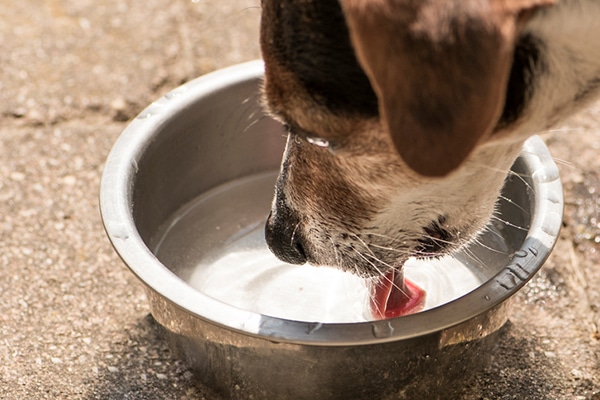
Image Source: www.dogster.com
Deciphering the Cough: Common Causes of Post-Drink Coughing
Your dog’s respiratory and digestive systems are intricately connected. When drinking, a delicate coordination is required to ensure liquids go down the “food pipe” (esophagus) and not the “windpipe” (trachea). When this coordination falters, coughing is the body’s natural reflex to expel the foreign substance from the airway.
Water Aspiration: The Primary Culprit
Water aspiration is the most frequent reason for coughing after drinking. Imagine a dog gulping down water too quickly, or perhaps their throat muscles aren’t working quite right. In these instances, a small amount of water can bypass the epiglottis, the flap that should seal off the airway during swallowing, and enter the trachea.
How it Happens:
- Rapid Drinking: When a dog is very thirsty or excited, they may drink very fast, taking in large gulps. This can overwhelm their swallowing mechanism, leading to accidental inhalation of water.
- Weakened Swallowing Muscles: Age, illness, or neurological conditions can weaken the muscles involved in swallowing. This makes it harder for dogs to control the passage of food and water.
- Anatomical Abnormalities: Some dogs may have subtle anatomical differences in their throat that predispose them to aspirating.
The cough that follows water aspiration is the body’s attempt to clear the airways of the water. While a small amount of water might not cause lasting harm, repeated aspiration can lead to more severe issues.
Swallowing Difficulties: More Than Just a Mishap
Beyond simple rapid drinking, there are underlying swallowing difficulties, medically known as dysphagia, that can cause coughing after water intake. Dysphagia can stem from a variety of causes, affecting the coordination of the muscles in the mouth, pharynx, and esophagus.
Factors Contributing to Swallowing Difficulties:
- Neurological Issues: Diseases affecting the nerves and muscles that control swallowing, such as canine distemper, rabies, or even brain tumors, can impair a dog’s ability to swallow properly. Degenerative neurological diseases can also play a role.
- Oral and Pharyngeal Problems: Issues within the mouth or throat, such as inflammation, tumors, or foreign objects, can obstruct or make swallowing painful, leading to coughing. Dental problems can also contribute.
- Esophageal Issues: While less common for immediate coughing after drinking, esophageal problems like megaesophagus (an enlarged esophagus that doesn’t move food down properly) or strictures can indirectly lead to aspiration if food or liquid pools in the esophagus and then enters the airway.
When a dog has trouble swallowing, the water might not be directed correctly down the esophagus, increasing the chance of it entering the airway and causing a cough.
Laryngeal Issues: The Voice Box’s Role
The larynx, or voice box, plays a crucial role in protecting the airway. It houses the vocal cords and the epiglottis, which normally seals off the trachea during swallowing. Problems with the larynx can directly lead to coughing after drinking.
Common Laryngeal Issues:
- Laryngeal Paralysis: In this condition, the nerves controlling the laryngeal muscles weaken, causing the cartilage in the larynx to not open or close properly. This can lead to a characteristic “barked” or raspy cough, especially when excited or after drinking. The inability of the larynx to seal effectively can allow water to enter the trachea.
- Inflammation of the Larynx (Laryngitis): While usually caused by infection or irritation, severe laryngitis can make the area swollen and sensitive, potentially causing discomfort and coughing when a dog drinks.
- Tumors in the Larynx: Growths in the larynx can obstruct normal function, making swallowing difficult and increasing the risk of aspiration.
Tracheal Collapse: A Structural Weakness
Tracheal collapse is a progressive condition where the rings of cartilage that keep the trachea rigid weaken and flatten. This causes the airway to narrow or even close off, particularly during inhalation or when the dog is excited or exerting themselves.
How Tracheal Collapse Leads to Coughing After Drinking:
While tracheal collapse doesn’t directly cause water to enter the airway, the compromised structure of the trachea makes it more susceptible to irritation. When water is aspirated, even in small amounts, it can trigger a more severe or prolonged cough due to the already sensitive and narrowed airway. Dogs with tracheal collapse may also cough from drinking if the act of swallowing puts pressure on the weakened trachea, or if they are panting heavily after drinking due to excitement, which exacerbates the collapse.
Kennel Cough: An Infectious Contributor
While not directly caused by drinking water, kennel cough (also known as infectious tracheobronchitis) is a highly contagious respiratory disease in dogs that causes inflammation of the trachea and bronchi. Dogs suffering from kennel cough often have a characteristic hacking, honking cough.
Connection to Post-Drink Coughing:
A dog with kennel cough may cough after drinking water because their airways are already severely irritated and sensitive. The physical act of swallowing and the presence of liquid in the throat can further trigger the inflamed trachea, leading to a coughing fit. It’s an exacerbation of an existing condition.
Digestive Upset and Related Issues
Sometimes, coughing after drinking can be linked to digestive upset. If a dog is experiencing nausea or has a blockage in their digestive tract, they might cough as a reflex or due to abdominal discomfort.
How Digestion Impacts Coughing:
- Nausea: A dog feeling nauseous might gag or cough when they ingest liquids, as their body tries to expel something it perceives as wrong.
- Acid Reflux (Gastroesophageal Reflux): If stomach acid backs up into the esophagus, it can irritate the throat and trigger a cough. Drinking water might exacerbate this by increasing the volume in the stomach, potentially pushing more acid upwards.
- Esophageal Spasms: In some cases, the esophagus can experience spasms, which might be triggered by the presence of liquid, leading to a cough.
Reverse Sneezing: A Misunderstood Phenomenon
Reverse sneezing is often mistaken for a cough. It’s a sudden, forceful inhalation that sounds like a snorting, gasping, or honking fit. It’s caused by spasms in the throat and palate.
Why it Might Seem Like Coughing After Drinking:
During reverse sneezing, a dog might inhale sharply, and if they were just drinking, it could be mistaken for a cough. Sometimes, irritation in the throat from drinking, or even just the excitement of getting water, can trigger a bout of reverse sneezing. It’s important to distinguish this from a true cough.
The Dangers of Water Inhalation and Aspiration Pneumonia
Water inhalation itself can be a problem, but the real concern arises when it leads to aspiration pneumonia. This serious condition occurs when foreign material, such as water, food, vomit, or saliva, is inhaled into the lungs.
The Pathway to Aspiration Pneumonia
When water or other substances enter the trachea, they can bypass the lung’s natural defense mechanisms. The lungs are not equipped to handle liquids, and the presence of foreign material can lead to inflammation and infection.
Progression of the Condition:
- Inhalation: Water enters the trachea and bronchi.
- Inflammation: The lungs react to the foreign substance, causing inflammation.
- Bacterial Growth: Bacteria present in the inhaled material or normally residing in the mouth can thrive in the moist environment of the lungs.
- Infection: This leads to an infection within the lung tissue, known as pneumonia.
Signs and Symptoms of Aspiration Pneumonia
Recognizing the signs of aspiration pneumonia is crucial for prompt veterinary intervention.
- Persistent Cough: Often a wet, deep cough.
- Difficulty Breathing: Labored breathing, rapid breathing, or shallow breaths.
- Lethargy: Reduced energy levels and weakness.
- Fever: Elevated body temperature.
- Loss of Appetite: Reluctance to eat or drink.
- Nasal Discharge: Sometimes a clear or colored discharge from the nose.
- Gagging or Choking: Especially during or after drinking.
Table: Differentiating Cough Triggers
| Trigger | Typical Cough Sound/Description | Other Accompanying Signs |
|---|---|---|
| Water Aspiration | Sudden, often hacking, may sound wet. | Gagging, sputtering, shaking head. |
| Laryngeal Paralysis | Hoarse bark, honking, increased noise during exertion. | Exercise intolerance, noisy breathing. |
| Tracheal Collapse | Dry, hacking, “goose honk” sound, worse with excitement. | Can occur with eating/drinking, but also unrelated exertion. |
| Kennel Cough | Dry, hacking, forceful, persistent. | May have nasal discharge, sneezing. |
| Digestive Upset | May be a gagging cough, sometimes associated with retching. | Vomiting, loss of appetite, abdominal discomfort. |
| Reverse Sneezing | Snorting, honking, gasping sounds, usually brief. | Head held forward, eyes may bulge. |
When to Seek Veterinary Attention
While an occasional cough after drinking might be a minor issue, it’s essential to know when to consult your veterinarian. Persistent coughing, or coughing accompanied by other concerning symptoms, warrants professional evaluation.
Red Flags: When to Worry
- Frequency: If the coughing occurs every time your dog drinks, or multiple times a day.
- Severity: If the cough is severe, painful-sounding, or causes your dog to struggle to breathe.
- Associated Symptoms:
- Lethargy or weakness
- Loss of appetite
- Weight loss
- Difficulty breathing or rapid breathing
- Fever
- Nasal discharge
- Vomiting or gagging unrelated to coughing
- Changes in bark sound
What Your Veterinarian Will Do
When you bring your dog in for a coughing issue, your vet will conduct a thorough examination.
Diagnostic Process:
- History Taking: The veterinarian will ask detailed questions about your dog’s symptoms, including when the coughing started, its frequency, triggers, and any other changes in behavior or health.
- Physical Examination: This includes listening to the heart and lungs with a stethoscope, checking for signs of pain, and assessing the dog’s general condition.
- Neurological Exam: To assess for any abnormalities in nerve function that could affect swallowing or breathing.
- Further Diagnostics (if needed):
- X-rays (Radiographs): Chest X-rays are vital for diagnosing pneumonia, identifying issues with the trachea or larynx, and assessing the heart.
- Bronchoscopy: A procedure where a flexible camera is inserted into the airways to visualize the trachea and bronchi, allowing for the diagnosis of conditions like tracheal collapse or inflammation. Biopsies can also be taken.
- Laryngoscopy: Visual examination of the larynx to identify paralysis, inflammation, or tumors.
- Barium Swallow Study: If esophageal issues are suspected, this study uses a contrast agent to visualize the passage of food and liquid through the esophagus.
- Blood Tests: To check for infection, inflammation, or other underlying health issues.
Managing and Preventing Post-Drink Coughing
The approach to managing and preventing coughing after drinking depends heavily on the underlying cause.
Dietary and Feeding Modifications
Simple changes to how and when your dog drinks can make a big difference.
Tips for Safer Drinking:
- Slow Down Drinking:
- Elevated Water Bowls: For some dogs, especially those with tracheal issues, an elevated bowl can help them drink in a more natural, upright position, reducing the risk of aspiration.
- Water Slow Feeder Bowls: These bowls have internal structures that limit the amount of water accessible at one time, encouraging slower lapping.
- Limit Access: If your dog drinks excessively fast when very thirsty, offer smaller amounts of water more frequently.
- Consistency of Food: For dogs prone to choking or aspiration, mixing dry kibble with a bit of water or broth to soften it can make it easier to swallow. However, this should be done under veterinary guidance, as excessive moisture can sometimes worsen certain conditions.
- Avoid Feeding/Drinking When Excited: Try to ensure your dog is relatively calm before and after drinking.
Medical Interventions and Treatments
Treatment is tailored to the specific diagnosis.
Treatment Strategies:
- For Aspiration Pneumonia: Antibiotics are crucial to fight the infection. Supportive care may include oxygen therapy, nebulization, and IV fluids if the dog is dehydrated or has difficulty breathing.
- For Laryngeal Issues: Depending on the severity, treatments can range from medication to reduce inflammation to surgical correction, such as a laryngeal tie-back procedure for laryngeal paralysis.
- For Tracheal Collapse: Management often involves controlling secondary inflammation with medications like corticosteroids or bronchodilators. In severe cases, surgical intervention may be considered, though it carries risks. Weight management is also critical.
- For Swallowing Difficulties: Treatment will target the underlying cause, whether it’s neurological, inflammatory, or anatomical. Dietary modifications and specialized feeding techniques may be necessary.
- For Kennel Cough: Treatment typically involves rest, avoiding irritants like smoke, and sometimes cough suppressants or antibiotics if a secondary bacterial infection is present.
- For Digestive Upset: Treating nausea, acid reflux, or other gastrointestinal issues with appropriate medications and dietary changes will resolve the associated coughing.
Lifestyle Adjustments
Making a few lifestyle changes can help manage the condition and prevent recurrence.
Lifestyle Considerations:
- Avoid Over-Excitement: Try to keep your dog calm, especially after eating or drinking.
- Manage Exercise: For dogs with conditions like tracheal collapse or laryngeal paralysis, avoid strenuous exercise that can trigger coughing fits.
- Weight Management: Obesity can exacerbate many respiratory and orthopedic conditions that can contribute to coughing.
- Environmental Factors: Avoid smoke, strong perfumes, or other irritants that can aggravate the respiratory tract.
Frequently Asked Questions (FAQ)
Q1: Is it normal for my puppy to cough after drinking water?
A1: Puppies are still learning to coordinate their swallowing. Occasional, mild coughing after drinking can happen as they develop. However, if it is frequent, severe, or accompanied by other symptoms like difficulty breathing, it’s best to consult your veterinarian to rule out any underlying issues.
Q2: Can my dog choke on water?
A2: Yes, dogs can choke on water if it enters their airway instead of their esophagus. This is essentially water aspiration. The coughing reflex is the body’s way of trying to dislodge the water.
Q3: My dog coughs after eating too. Does this mean it’s the same problem?
A3: Coughing after both eating and drinking often points to issues with the coordination of swallowing or problems with the larynx or pharynx that affect the passage of both solids and liquids. It could also be a sign of digestive upset that is triggered by ingestion. It’s important to discuss both behaviors with your vet.
Q4: What if my dog makes a honking noise after drinking?
A4: A honking cough, especially after drinking or when excited, can be a hallmark sign of tracheal collapse or laryngeal paralysis. These conditions affect the structure and function of the airway, leading to the characteristic sound.
Q5: How can I prevent my dog from aspirating water?
A5: You can help prevent aspiration by ensuring your dog drinks slowly, using elevated bowls or slow feeder bowls, and avoiding drinking when they are overly excited or panting heavily. If your dog has known swallowing difficulties, consult your vet for specific feeding strategies.
Q6: Can a dog get aspiration pneumonia from just drinking water?
A6: Yes, if enough water is aspirated into the lungs, it can lead to inflammation and secondary bacterial infection, resulting in aspiration pneumonia. This is why it’s important to address coughing after drinking promptly.
Q7: My dog recently had kennel cough. Is it normal for him to still cough after drinking?
A7: Dogs recovering from kennel cough can have lingering irritation in their airways for some time. The act of drinking may trigger a cough due to this sensitivity. However, if the coughing is worsening or accompanied by new symptoms, a veterinary check-up is recommended to ensure there are no secondary complications.
Q8: What are the signs of reverse sneezing in dogs?
A8: Reverse sneezing sounds like a snorting, honking, or gasping fit. Dogs typically stand with their elbows out and head extended forward during an episode. It’s caused by spasms in the throat, not the lungs, and is usually benign, but if it’s a new or frequent occurrence, it’s good to have it checked by a vet.
By understanding the various reasons behind your dog’s cough after drinking and knowing when to seek professional help, you can ensure your canine companion stays healthy and happy. Always prioritize your veterinarian’s advice when it comes to your pet’s health.