
White flakes in your dog’s fur can be a common and sometimes concerning issue for pet owners. These flakes can stem from a variety of sources, ranging from simple dryness to underlying medical conditions.
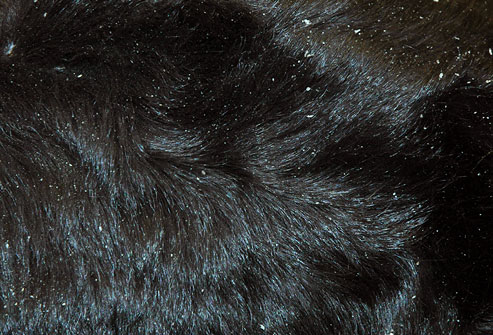
Image Source: emlabradors.com
Common Causes of White Flakes in Dog Fur
1. Dry Skin (Xerosis)
Just like humans, dogs can experience dry skin. This can be due to environmental factors, diet, or even age. When a dog’s skin becomes too dry, the outer layer can start to shed, appearing as white flakes. This is often a primary reason for dog flaky skin.
- Environmental Factors: Low humidity, especially during winter months or in arid climates, can strip moisture from a dog’s skin. Frequent bathing with harsh shampoos can also contribute to dryness.
- Dietary Deficiencies: A lack of essential fatty acids, such as Omega-3 and Omega-6, in your dog’s diet can lead to dry, flaky skin. These nutrients are crucial for maintaining a healthy skin barrier.
- Age: Older dogs may produce less natural oil, leading to drier skin.
2. Dandruff
Dandruff in dogs is essentially the same as in humans – it’s an excessive shedding of dead skin cells. While dry skin can cause mild flaking, true dandruff suggests a more active shedding process, often accompanied by itchiness. This can lead to an itchy scalp dog might experience, though it’s generalized across their body.
- Seborrheic Dermatitis: This is a common skin condition in dogs that causes flaky skin and can lead to an oily or dry coat. It can be primary (genetic) or secondary (caused by other factors). Seborrhea in dogs often presents with greasy scales and an unpleasant odor.
- Allergies: Environmental allergies (atopy) or food allergies can manifest as skin issues, including dandruff and flakiness. The dog’s immune system overreacts to allergens, causing inflammation and skin cell turnover.
- Parasites: Fleas, mites, and other external parasites can cause irritation and inflammation, leading to scratching and subsequent flaking.
3. Environmental Irritants
Exposure to certain substances can irritate a dog’s skin and cause flaking.
- Shampoos and Conditioners: Using dog shampoos that are too harsh or not rinsing them out thoroughly can strip natural oils and leave the skin dry and flaky. Similarly, using human shampoos can be detrimental.
- Irritating Substances: Contact with certain plants, chemicals, or even dry air can irritate a dog’s skin.
4. Nutritional Imbalances
A dog’s diet plays a vital role in skin and coat health.
- Lack of Essential Fatty Acids: As mentioned, Omega-3 and Omega-6 fatty acids are crucial for maintaining healthy skin and a shiny coat. Deficiencies can result in dry skin on dog and flaking.
- Low-Quality Food: Dog foods with poor-quality ingredients might not provide the necessary nutrients for optimal skin health.
5. Skin Infections
Bacterial or fungal infections can cause inflammation, irritation, and excessive shedding of skin cells.
- Bacterial Infections (Pyoderma): These often occur secondary to other skin conditions like allergies or wounds, leading to redness, pustules, and flaking.
- Fungal Infections (e.g., Ringworm, Yeast Infections): A fungal infection dog fur can become a problem, often causing circular patches of hair loss with scaling and redness. Yeast infections can lead to greasy, flaky skin, often with a distinct odor.
6. Excessive Shedding
While not always the cause of distinct white flakes, increased shedding can sometimes be mistaken for it. Causes of dog shedding are numerous, including seasonal changes, stress, and underlying health issues. If the shedding is excessive and accompanied by visible skin issues, it warrants further investigation.
7. Puppy Flaky Skin
Young puppies can also experience flaky fur puppy issues. This is often due to their developing skin barrier, sensitivity to environmental factors, or dietary adjustments as they transition to solid food.
Identifying the Cause: Signs and Symptoms
To effectively address white flakes, it’s important to observe your dog for additional symptoms.
- Itching: Is your dog scratching excessively? This can point to allergies, parasites, or dog skin irritation.
- Redness or Inflammation: Red patches on the skin are a clear sign of inflammation, which could be due to allergies, infections, or irritants.
- Hair Loss: Some conditions that cause flaking also lead to hair loss.
- Oily or Greasy Coat: While some flakes are dry, others can be associated with an oily residue, which is characteristic of seborrhea.
- Odor: Certain skin infections, particularly yeast infections, can produce a distinctive musty or foul odor.
- Behavioral Changes: A dog experiencing discomfort may become restless, lethargic, or even aggressive.
Solutions and Treatment Strategies
Once you have a better idea of the potential cause, you can explore various solutions.
1. Dietary Adjustments
- High-Quality Diet: Ensure your dog is eating a well-balanced, high-quality dog food. Look for brands that list a named meat source as the first ingredient.
- Omega Fatty Acids: Supplementing your dog’s diet with Omega-3 and Omega-6 fatty acids can significantly improve skin and coat health. These can be found in fish oil, flaxseed oil, or specific skin and coat supplements. Always consult your veterinarian before adding supplements.
- Hypoallergenic Diet: If food allergies are suspected, your veterinarian may recommend a trial of a limited-ingredient or hydrolyzed protein diet.
2. Grooming and Bathing Practices
- Regular Brushing: Consistent brushing helps distribute natural oils, remove loose hair and dead skin cells, and allows you to check your dog’s skin regularly. This is a fundamental part of good dog grooming tips.
- Appropriate Bathing Frequency: Avoid over-bathing, which can strip natural oils. Consult your veterinarian about the ideal bathing frequency for your dog’s breed and skin type.
- Gentle Shampoos: Use a mild, veterinarian-approved oatmeal-based or hypoallergenic dog shampoo. Avoid shampoos with harsh chemicals, artificial fragrances, or dyes. Shampoos specifically formulated for dandruff in dogs can also be beneficial.
- Thorough Rinsing: Always rinse your dog’s coat thoroughly to ensure no shampoo residue remains, which can cause irritation.
- Conditioners: Dog-specific conditioners can help rehydrate the skin and coat after bathing.
3. Environmental Management
- Humidifier: If you live in a dry climate, using a humidifier in your home can help keep your dog’s skin hydrated.
- Avoid Irritants: Keep your dog away from known irritants like certain household cleaners, pesticides, or plants that can cause dog skin irritation.
4. Veterinary Consultation and Medical Treatment
It’s crucial to consult your veterinarian if the white flakes are persistent, severe, or accompanied by other concerning symptoms.
- Diagnosis: Your vet can perform diagnostic tests to identify the underlying cause, such as skin scrapings for mites, cytology for bacteria or yeast, or allergy testing.
- Medicated Shampoos: For conditions like seborrhea or fungal infections, your vet may prescribe medicated shampoos containing ingredients like sulfur, salicylic acid, or antifungals.
- Topical Treatments: Sprays or mousses may be recommended to soothe irritated skin and reduce flaking.
- Oral Medications: If allergies, bacterial infections, or significant inflammation are present, your vet might prescribe oral medications like antibiotics, antifungals, antihistamines, or steroids.
- Parasite Treatment: If fleas, mites, or other parasites are the culprit, your vet will recommend appropriate topical or oral treatments.
Specific Conditions and Their Management
Let’s delve deeper into some of the specific conditions that cause white flakes.
Seborrhea in Dogs
Seborrhea is a common dermatological condition characterized by abnormal shedding of skin cells. It can be inherited (primary seborrhea) or acquired due to other underlying issues (secondary seborrhea).
- Primary Seborrhea: This is a genetic condition, often seen in breeds like Cocker Spaniels, West Highland White Terriers, and Basset Hounds. It typically begins in young adulthood and is a lifelong condition.
- Secondary Seborrhea: This is far more common and is a symptom of another problem, such as:
- Allergies: Food allergies, environmental allergies (atopy), or flea allergy dermatitis.
- Endocrine Disorders: Hypothyroidism or Cushing’s disease.
- Nutritional Deficiencies: Lack of essential fatty acids.
- Parasitic Infestations: Mites (Demodex, Sarcoptes).
- Bacterial or Fungal Infections: Secondary bacterial or yeast overgrowth.
Management of Seborrhea:
- Dietary Support: High-quality food and Omega-3 fatty acid supplements are essential.
- Regular Grooming: Frequent brushing helps manage the flakes.
- Medicated Baths: Veterinarian-prescribed shampoos containing ingredients like selenium sulfide, coal tar, salicylic acid, or benzoyl peroxide are often necessary. The frequency of bathing will depend on the severity of the condition.
- Topical Treatments: Medicated sprays or wipes can help control itching and flaking between baths.
- Treating Underlying Causes: If seborrhea is secondary, addressing the primary issue (e.g., allergies, infections) is paramount.
Fungal Infections Dog Fur
A fungal infection dog fur might appear as circular patches of dry, flaky skin with hair loss. The most common fungal infection is ringworm (dermatophytosis), which is zoonotic, meaning it can be transmitted to humans. Yeast infections (Malassezia dermatitis) are also common, especially in dogs with allergies or hormonal imbalances.
Symptoms of Fungal Infections:
- Circular patches of hair loss with scaling.
- Red, inflamed skin.
- Itchiness.
- Thickened, greasy skin with a characteristic odor (yeast infections).
Treatment for Fungal Infections:
- Antifungal Shampoos and Conditioners: Medicated baths are a primary treatment.
- Topical Antifungal Treatments: Creams, ointments, or sprays may be applied directly to affected areas.
- Oral Antifungal Medications: For severe or widespread infections, oral medications prescribed by a veterinarian are often necessary.
- Environmental Decontamination: For ringworm, it’s essential to clean and disinfect the environment (bedding, carpets, furniture) to prevent reinfection and spread.
Allergies and Dog Skin Irritation
Allergies are a very common cause of dog skin irritation and can lead to flaking, itching, and secondary infections.
- Environmental Allergies (Atopy): Dogs can be allergic to pollens, molds, dust mites, and other environmental allergens. Symptoms often worsen seasonally.
- Food Allergies: Reactions to certain proteins or other ingredients in dog food.
- Flea Allergy Dermatitis: An allergic reaction to flea saliva, even a single bite can cause intense itching and skin problems.
Managing Allergies:
- Allergy Testing and Immunotherapy: For environmental allergies, your vet may recommend intradermal skin testing or blood tests to identify allergens and develop a personalized immunotherapy (allergy shot) plan.
- Dietary Management: Strict adherence to a hypoallergenic diet is crucial for food allergies.
- Flea Prevention: Year-round, effective flea control is essential for all dogs, especially those with flea allergies.
- Symptomatic Relief: Your vet may prescribe medications like antihistamines, corticosteroids, or Apoquel/Cytopoint to manage itching and inflammation.
When to See a Veterinarian
It’s always best to err on the side of caution when it comes to your dog’s health. You should consult your veterinarian if:
- The flaking is severe or widespread.
- Your dog is excessively scratching or seems uncomfortable.
- You notice redness, inflammation, or sores on the skin.
- There is hair loss associated with the flaking.
- You observe any unusual odor from the skin.
- The flaking persists despite home care measures.
A veterinarian can accurately diagnose the cause of the white flakes and recommend the most effective treatment plan tailored to your dog’s specific needs. Ignoring persistent skin issues can lead to more severe problems down the line.
Frequently Asked Questions (FAQ)
Q1: Can I use human dandruff shampoo on my dog?
A1: It is generally not recommended. Human shampoos can be too harsh for a dog’s skin pH and can strip natural oils, potentially worsening the problem. Always use shampoos specifically formulated for dogs.
Q2: How often should I bathe my dog if they have flaky skin?
A2: The frequency of bathing depends on the cause of the flaking. For mild dryness, bathing once every 2-4 weeks with a gentle shampoo might suffice. For more severe conditions like seborrhea, your vet might recommend medicated baths more frequently, even weekly, until the condition is under control.
Q3: Is dandruff contagious to humans or other pets?
A3: True canine dandruff (keratinization disorders) is not contagious. However, some causes of flaking, like fungal infections (ringworm) or parasitic infestations (mange), can be contagious to humans and other animals.
Q4: What are some natural remedies for dog flaky skin?
A4: While some natural remedies can help with mild dryness, it’s essential to consult your vet before trying them, especially if the condition is severe. Options include:
* Oatmeal Baths: Colloidal oatmeal shampoos or baths can be soothing.
* Omega-3 Fatty Acid Supplements: Fish oil or flaxseed oil can improve skin hydration.
* Coconut Oil: Applied topically in small amounts, it can moisturize.
* Humidifier: For dry indoor environments.
* Regular Brushing: To distribute natural oils.
Q5: Can stress cause my dog to have white flakes?
A5: While stress can impact overall health and coat quality, it’s not typically a direct cause of significant white flakes. However, stress can exacerbate underlying skin conditions or lead to increased grooming or licking, which might contribute to skin irritation and flaking.
By diligently observing your dog and working closely with your veterinarian, you can effectively address the issue of white flakes in their fur and ensure they have healthy, comfortable skin and a beautiful coat.