
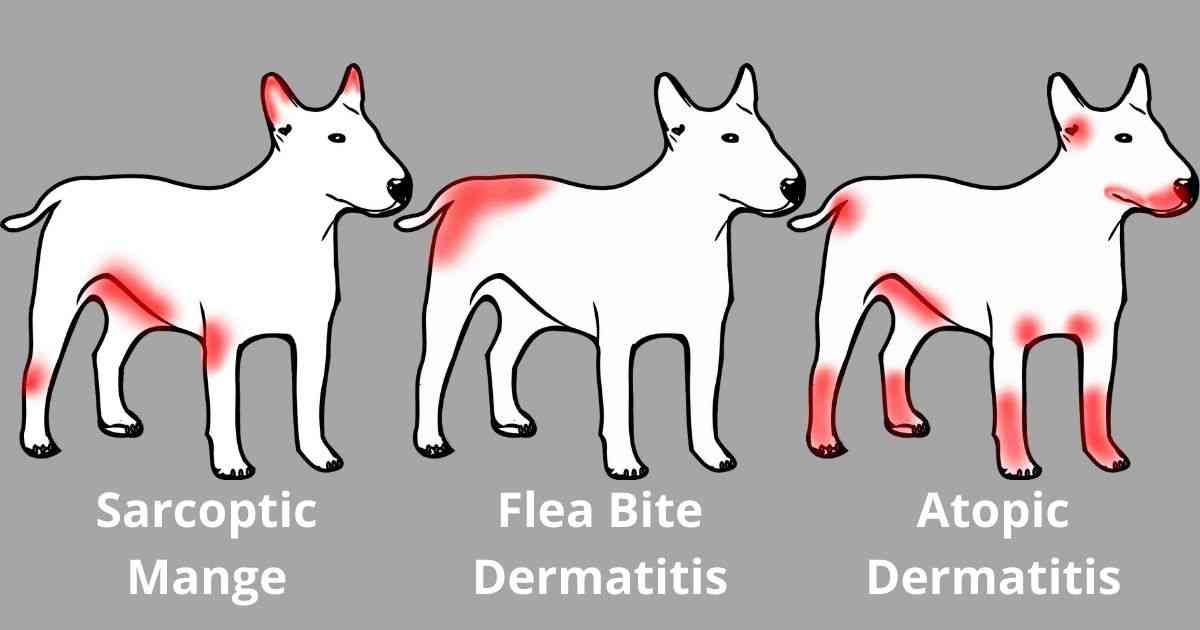
Image Source: www.walkervillevet.com.au
Why Does My Dog Itch But No Fleas? Common Causes Explained
Your dog is scratching persistently, but a thorough check reveals no fleas. This is a common and frustrating situation for many pet owners. So, why does my dog itch but no fleas? The most common reasons for a dog to itch without visible fleas include skin allergies, environmental triggers, food sensitivities, skin infections, dry skin, and other less common parasitic infestations.
It’s natural to jump to the conclusion of fleas when you see your dog scratching. Fleas are a frequent culprit behind itchy skin in dogs, but they are far from the only cause. When the flea hunt comes up empty, it can leave you feeling a bit lost. However, there are many other potential reasons for your canine companion’s discomfort. Let’s dive into the common causes of itching when fleas aren’t the offenders.
Deciphering Skin Allergies: A Multi-Faceted Issue
Skin allergies are a leading cause of persistent itching in dogs, even when fleas are absent. These allergies are essentially an overreaction of the dog’s immune system to substances that are typically harmless. When the immune system mistakenly identifies these substances as threats, it releases chemicals like histamine, which cause inflammation and that tell-tale itch.
Environmental Allergens: The Invisible Irritants
Environmental allergens, also known as atopy, are airborne substances that trigger allergic reactions. Think of it as hay fever for dogs. These allergens are all around us, in our homes and outdoors, and can cause significant discomfort.
Pollen: A Seasonal Scourge
Pollen from trees, grasses, and weeds is a prime culprit, especially during certain seasons. As pollen counts rise, so does the likelihood of your dog experiencing itchy skin, watery eyes, and sneezing. The allergens get inhaled or land on your dog’s skin and coat, initiating an inflammatory response.
- Symptoms often include:
- Intense itching, particularly on the paws, face, ears, and belly.
- Red, inflamed skin.
- Hair loss due to excessive scratching.
- Secondary skin infections (we’ll discuss these later).
- Paw licking and chewing.
- Recurrent ear infections.
Dust Mites: Tiny Troublemakers
Dust mites are microscopic creatures that live in household dust. They thrive in soft furnishings like carpets, upholstery, and bedding. While you can’t see them, their waste products can be potent allergens for sensitive dogs. Unlike seasonal pollen allergies, dust mite allergies can be a year-round problem.
- Management Strategies:
- Regularly vacuuming with a HEPA filter vacuum.
- Washing bedding frequently in hot water.
- Using allergen-proof covers on beds and furniture.
- Reducing humidity in the home.
Mold and Mildew: Damp Environment Dangers
Mold spores and mildew thrive in damp environments, such as basements, bathrooms, or areas with water leaks. Dogs can inhale these spores, leading to allergic reactions. Ensuring proper ventilation and addressing any moisture issues in your home is crucial.
Other Environmental Triggers
Even everyday items can trigger allergies:
- Cleaning products: Harsh chemicals in sprays and detergents.
- Fragrances: Perfumes, air fresheners, and scented candles.
- Certain fabrics: Synthetic materials or dyes in pet bedding or toys.
Food Sensitivities: When Diet Causes Distress
Food sensitivities or intolerances can manifest as itchy skin, digestive upset, or both. Unlike true food allergies, which involve an immune system response to a protein, sensitivities are often a reaction to an ingredient that the dog’s digestive system struggles to process. However, the resulting symptoms can be very similar, including itching.
Common Food Allergens
While any food ingredient can theoretically cause a reaction, certain components are more frequently implicated:
- Proteins: Chicken, beef, dairy, and lamb are common culprits.
- Grains: Wheat and corn are often cited, though it’s usually the protein within them that causes issues.
- Additives: Artificial colors, flavors, and preservatives.
Identifying Food Sensitivities
Pinpointing a food sensitivity usually requires a strict elimination diet under veterinary supervision.
- The Elimination Phase: Your vet will recommend a novel protein and carbohydrate diet that your dog has never eaten before. This means no treats, chews, or table scraps – only the prescribed food. This diet is typically fed for 8-12 weeks.
- The Challenge Phase: If your dog’s itching improves significantly on the elimination diet, your vet will reintroduce one ingredient at a time (e.g., chicken) for a week or two. If the itching returns, you’ve likely identified an offending ingredient.
- The Maintenance Phase: Once the offending ingredients are identified, you can transition your dog to a long-term diet that excludes them.
It’s important to remember that a true food allergy is different from a food intolerance. A food allergy involves the immune system and can be life-threatening in severe cases, while an intolerance is a digestive issue. However, both can lead to itchy skin.
Fathoming Skin Infections: The Secondary Itch
When a dog’s skin barrier is compromised, often due to allergies or other irritants, it becomes more susceptible to skin infections. These infections can cause significant itching and discomfort, even if the initial cause wasn’t infectious.
Yeast Infections: The Greasy, Smelly Culprit
Yeast infections, medically known as Malassezia dermatitis, are common in dogs, especially those with underlying allergies. Yeast is a normal inhabitant of the skin, but an overgrowth can occur when the skin’s environment changes.
-
Signs of Yeast Infections:
- Intense itching, often accompanied by a greasy feel to the skin.
- A distinct musty, yeasty odor.
- Redness and inflammation.
- Thickened skin, sometimes with a leathery appearance.
- Commonly affects the ears, paws, groin, armpits, and chin.
-
Treatment: Antifungal shampoos, topical treatments, and sometimes oral antifungal medications are prescribed by veterinarians. Addressing the underlying cause of the overgrowth (like allergies) is crucial for long-term management.
Bacterial Infections: The Red and Pustular Problem
Bacterial infections, most commonly caused by Staphylococcus bacteria, can also lead to significant itching. These are often secondary to allergies or other skin damage.
-
Signs of Bacterial Infections:
- Red bumps or pustules (pimples) on the skin.
- Crusty lesions, especially around the muzzle, paws, and tail base.
- Hair loss.
- Itching, which can be intense.
- Warmth to the touch in affected areas.
-
Treatment: Antibiotics, both topical and oral, are typically used to treat bacterial skin infections. Medicated shampoos can also be beneficial. Again, managing the underlying condition that predisposed the dog to infection is vital.
The Challenge of Dry Skin: Lacking Moisture Leads to Itch
Just like humans, dogs can suffer from dry skin. When the skin lacks adequate moisture, it can become itchy, flaky, and irritated. Several factors can contribute to dry skin in dogs.
- Environmental Factors: Low humidity, especially during winter months when heating systems are in use, can strip moisture from the skin.
- Bathing Habits: Over-bathing or using harsh shampoos can strip the skin of its natural oils.
- Diet: A diet lacking essential fatty acids can impact skin health and hydration.
- Age: Older dogs may have drier skin due to reduced oil production.
Providing Itch Relief for Dry Skin:
- Dietary Supplements: Omega-3 and Omega-6 fatty acid supplements can help improve skin hydration and reduce inflammation.
- Moisturizing Shampoos and Conditioners: Use gentle, hypoallergenic shampoos designed for dogs, and consider conditioning treatments.
- Humidifiers: Running a humidifier in your home, especially in the rooms where your dog spends the most time, can help.
- Reduced Bathing: Bathe your dog only when necessary and use lukewarm water.
Other Parasites Beyond Fleas: Don’t Forget the Microscopic Invaders
While fleas are the most common external parasite, other microscopic critters can also cause intense itching.
Mites: The Tiny Titans of Itch
Ear mites are tiny parasites that live in the ear canals of dogs and cats. They feed on earwax and oils, causing intense irritation, inflammation, and that characteristic head-shaking and scratching.
-
Signs of Ear Mites:
- Excessive head shaking and scratching at the ears.
- Dark, crumbly discharge in the ear canal that resembles coffee grounds.
- Redness and inflammation of the ear canal.
- Pain or sensitivity when the ears are touched.
-
Treatment: Ear mites are treatable with specific ear drops or topical medications prescribed by a veterinarian. It’s crucial to treat all pets in the household, as ear mites are highly contagious.
Other types of mites, like sarcoptic mange (scabies) and demodectic mange, can also cause severe itching and hair loss. These are diagnosed through skin scrapings and treated with specific antiparasitic medications.
When to Seek Veterinary Help: Recognizing the Red Flags
While minor itching can sometimes be managed at home, persistent or severe itching warrants a visit to the veterinarian. It’s important to seek professional advice to get an accurate diagnosis and appropriate treatment plan.
Consult your vet if you notice any of the following:
- Intense or constant scratching that disrupts your dog’s sleep or activities.
- Red, inflamed, or broken skin.
- Hair loss, bald patches, or thinning coat.
- Pus, discharge, or foul odor from the skin or ears.
- Lethargy or loss of appetite, which can indicate a more severe underlying issue.
- Your dog’s discomfort is not improving with home care.
Your veterinarian will likely perform a thorough physical examination, ask detailed questions about your dog’s history and diet, and may recommend diagnostic tests such as:
- Skin scrapings: To look for mites or other parasites.
- Cytology: To examine skin cells for yeast or bacteria.
- Allergy testing: Blood tests or intradermal skin testing to identify environmental allergens.
- Food elimination trial: To diagnose food sensitivities.
- Bacterial or fungal cultures: To identify specific infectious agents.
Tailoring Your Approach: Effective Itch Relief Strategies
Once the underlying cause of your dog’s itching is identified, your veterinarian will recommend a targeted treatment plan. This plan will focus on providing itch relief and addressing the root of the problem.
Medical Treatments
- Antihistamines: While not as effective in dogs as in humans, some antihistamines can provide mild relief for allergic itching.
- Corticosteroids: These medications (oral or injectable) are potent anti-inflammatories that can quickly reduce itching and inflammation. However, they are usually used for short-term relief due to potential side effects.
- Immunosuppressive Drugs: For severe allergies, medications like Apoquel or Cytopoint may be prescribed. These target specific pathways involved in the allergic itch response.
- Topical Therapies: Medicated shampoos, conditioners, mousses, and sprays containing ingredients like chlorhexidine, miconazole, or hydrocortisone can help manage infections and inflammation.
- Antibiotics and Antifungals: As mentioned, these are crucial for treating bacterial and yeast infections.
- Parasiticides: If mites are the cause, specific treatments will be administered. Consistent parasite control for fleas and ticks is also essential to rule out these common culprits, even if they aren’t currently visible.
Lifestyle and Environmental Modifications
- Dietary Changes: Implementing a hypoallergenic diet or adding supplements as recommended by your vet.
- Environmental Control: Reducing exposure to known environmental allergens, such as frequent cleaning, air purifiers, and avoiding dusty areas.
- Bathing Routine: Establishing an appropriate bathing schedule with the right medicated or hypoallergenic shampoos.
- Paw Care: Regularly cleaning and inspecting your dog’s paws, as they are common areas for allergens to accumulate and infections to start.
Frequently Asked Questions (FAQ)
Q1: Can my dog’s itching be caused by stress?
A1: Yes, stress and anxiety can sometimes manifest as excessive licking or scratching, a behavior known as psychogenic pruritus. However, it’s essential to rule out underlying medical causes first, as stress-induced itching is less common than other causes.
Q2: How often should I bathe my dog if they are itchy?
A2: The frequency of bathing depends on the cause of the itching. If it’s due to dry skin or a mild allergy, bathing once every 2-4 weeks with a gentle shampoo might be beneficial. For skin infections, your vet may recommend more frequent bathing with a medicated shampoo, perhaps daily or every few days, for a period. Always follow your veterinarian’s specific advice.
Q3: Can I give my dog human allergy medication?
A3: It is strongly advised not to give your dog human allergy medications without explicit veterinary guidance. Many human medications are toxic to dogs, and dosages need to be adjusted based on a dog’s weight and metabolism. Always consult your veterinarian before administering any medication.
Q4: My dog is scratching less, but still has some itchiness. What should I do?
A4: Even if your dog’s itching has improved, it’s important to complete the full course of treatment prescribed by your veterinarian. If itchiness persists, even at a lower level, schedule a follow-up appointment to discuss the ongoing symptoms and potential adjustments to the treatment plan.
Q5: What are the signs that my dog has a skin infection?
A5: Signs of skin infections include redness, swelling, pustules (pimples), crusting, hair loss, increased itchiness, a greasy feel to the skin, and often a foul odor. Prompt veterinary attention is crucial for treating skin infections effectively.
By carefully observing your dog and working closely with your veterinarian, you can uncover the reasons behind their itchiness and provide them with the necessary relief for a happier, healthier life.