
Does your dog’s wet nose often find its way to your ear, followed by a dedicated licking session? You’re not alone! Many dog owners wonder, “Why does my dog lick my ears so much?” The answer lies in a complex mix of canine communication, instinctual behaviors, and expressions of affection. This seemingly peculiar habit is deeply rooted in how dogs interact with their world and their beloved humans.
Dogs lick for a variety of reasons, and ear licking is just one manifestation of their multifaceted communication system. It’s important to look beyond the act itself and decipher what your furry friend is trying to convey. This exploration will delve into the primary motivations behind dog ear licking, offering insights into dog behavior and how to interpret these gestures of canine affection. We’ll cover everything from instinctual puppy behaviors to potential stress signals, providing a comprehensive guide to this common canine behavior.
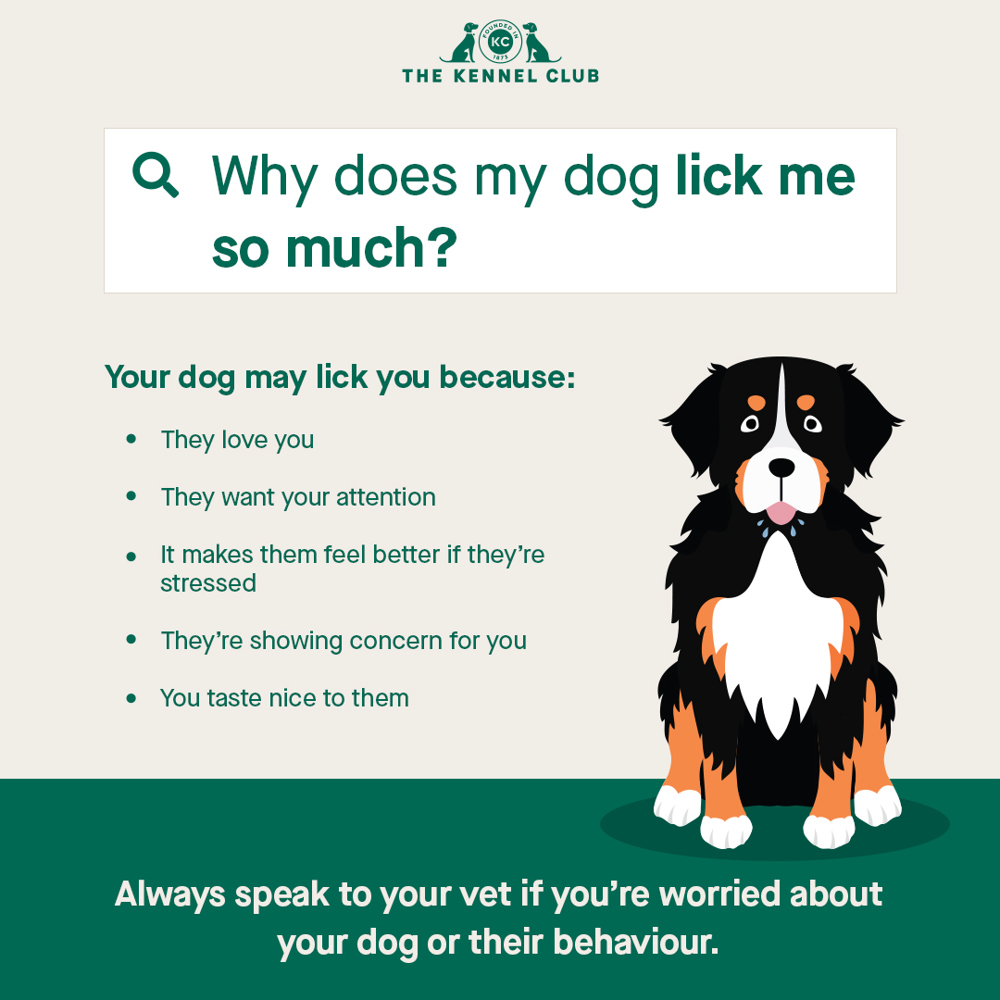
Image Source: www.thekennelclub.org.uk
Instincts and Social Bonding: The Puppy Connection
Puppy licking, especially around the face and ears, is a deeply ingrained instinct. In a litter, puppies lick their mother’s muzzle to encourage her to regurgitate food. This behavior is crucial for survival and strengthens the bond between mother and offspring. When your puppy licks your ears, they are often channeling these early social instincts. They see you as their caregiver, their protector, and their pack leader.
- Appeasement and Submission: Licking can be a sign of deference. A puppy licking an adult dog’s face, or in this case, your face and ears, is a way of saying, “I am not a threat, and I respect your position.”
- Seeking Attention: Just as they would lick their mother for care, puppies may lick you to get your attention. They might want food, a play session, or simply some reassurance.
- Grooming Behavior: Dogs are naturally clean animals, and grooming is an important part of their social structure. Licking can be a form of mutual grooming, a way to show they care about your well-being and want to keep you “clean” and part of the pack. This extends to dog grooming in a broader sense, where licking is a fundamental aspect of maintaining social hygiene.
Decoding the Lick: What Your Dog is Trying to Say
Beyond the puppy stage, dog licking reasons become more nuanced. While affection is a primary driver, other factors can also influence this behavior.
1. Affection and Bonding
This is perhaps the most heartwarming reason. When your dog licks your ears, they are often expressing their deep love and connection to you. It’s a way of saying, “I love you, you are my person, and I feel safe and happy with you.” This tactile communication is a powerful form of canine affection.
- Oxytocin Release: Similar to how petting your dog releases oxytocin (the “love hormone”) in both of you, your dog’s licking can also trigger this hormone release in themselves, reinforcing the positive bond.
- Sensory Exploration: Your ears have a unique scent and taste. Dogs explore the world through their senses, and licking your ears is a way for them to gather information about you and your current state.
2. Taste and Smell
Let’s be honest, your ears might actually taste interesting to your dog! Sweat glands are active in this area, and the salty residue could be appealing. Additionally, the natural oils and wax in your ears have a unique scent that your dog might find intriguing or even comforting.
- Mineral Content: Some theories suggest dogs may lick for mineral intake, although this is less common and usually more associated with licking dirt or rocks.
- Your Scent: Your scent is your signature. Licking your ears is a very intimate way for your dog to engage with your personal scent.
3. Comfort and Stress Relief
While dog licking paws or grooming excessively can be signs of distress, licking you, particularly your face and ears, can sometimes be a self-soothing mechanism for your dog, especially if they associate the behavior with comfort.
- Anxiety Relief: If your dog experiences dog anxiety, they might lick to calm themselves down. If you are present and they feel safe with you, they might direct this licking towards you.
- Learned Behavior: If your dog licks your ear and you respond positively (e.g., petting them, giving them a treat), they learn that this behavior garners positive attention, reinforcing it.
4. Seeking Attention and Communication
Dogs are intelligent creatures, and they learn what actions get a reaction from their humans. If licking your ear results in you talking to them, petting them, or even playfully pushing them away, they’ve learned it’s an effective way to engage you.
- Initiating Interaction: It’s a direct way to say, “Hey, I’m here, and I want something from you!” This can be for play, food, or a potty break.
- Mirroring Social Behavior: In wolf packs, licking is a form of social interaction and appeasement. Your dog may be trying to mirror these social behaviors with their human pack.
5. Grooming
Dogs groom themselves and each other as a sign of cleanliness and social bonding. Your dog might view licking your ears as a form of mutual grooming, a way to show they care about your appearance and well-being. This is a natural extension of dog grooming behaviors observed in social canines.
- “Cleaning” You: They might perceive your ears as needing a little tidy-up and are offering their services as part of their pack duty.
When Ear Licking Might Signal a Problem
While often a harmless and affectionate gesture, excessive or compulsive ear licking can sometimes indicate underlying issues. It’s crucial to distinguish between occasional, affectionate licking and a persistent, obsessive behavior.
- Compulsive Behavior: If your dog licks your ears to the point where it becomes disruptive, causes you discomfort, or seems obsessive, it could be a sign of a compulsive disorder, often stemming from anxiety or boredom.
- Underlying Health Issues: In rare cases, excessive licking can be linked to nutritional deficiencies or medical conditions. However, this is less common when focused solely on ear licking.
- Stress and Anxiety: As mentioned, licking can be a self-soothing behavior. If your dog is exhibiting other signs of stress or anxiety, such as dog licking paws, tail chasing, or vocalization, the ear licking might be part of a larger pattern.
If you notice these warning signs, it’s advisable to consult with your veterinarian or a certified professional dog trainer. They can help assess your dog’s overall health and behavior to rule out any medical conditions and provide guidance on managing anxiety or compulsive behaviors.
Discouraging Undesired Licking Without Damaging the Bond
If the ear licking is becoming too much, or if you simply prefer it to stop, there are gentle ways to redirect the behavior without harming your relationship with your dog.
Redirecting the Behavior
The key is to interrupt the licking and redirect your dog’s attention to an acceptable activity.
- Offer a Toy: When your dog starts licking your ears, gently pull away and immediately offer them a chew toy or a puzzle feeder. This gives them something else to focus their mouth and energy on.
- Engage in Play: Initiate a game of fetch or tug-of-war. Physical and mental stimulation is often a great way to curb unwanted behaviors.
- Teach a “Leave It” Command: This command can be invaluable. When your dog starts to lick your ears, say “Leave it” and reward them with a treat when they disengage.
Positive Reinforcement
Reward your dog for desired behaviors. If your dog comes to you for affection but doesn’t lick your ears, reward them with praise and petting. This reinforces that good things happen when they interact with you in ways you prefer.
Consistency is Key
Ensure everyone in the household is consistent with the approach. If some family members allow or even encourage ear licking while others discourage it, your dog will become confused.
Comparative Canine Behaviors: Beyond the Ears
It’s helpful to see ear licking in the context of other common dog licking reasons.
| Behavior | Potential Meaning | When to Be Concerned |
|---|---|---|
| Dog Ear Licking | Affection, attention, grooming, taste/scent, comfort. | Excessive, compulsive, or accompanied by other stress signs. |
| Dog Licking Face | Affection, appeasement, seeking attention, greeting. | Can be part of normal greeting, but excessive licking might indicate anxiety. |
| Dog Licking Paws | Grooming, boredom, allergies, pain, anxiety, compulsive disorder. | Persistent, excessive, or if the dog is limping or showing irritation. |
| Licking Surfaces | Boredom, nutritional deficiencies, gastrointestinal issues, anxiety. | If the dog licks walls, furniture, or inanimate objects excessively. |
| Licking Owners | Affection, seeking attention, greeting, appeasement. | Generally positive, but can be overwhelming if excessive. |
Fathoming Puppy Licking in a New Light
For new puppy owners, puppy licking can be a delightful but sometimes puzzling behavior. As we’ve discussed, it’s a continuation of their early life instincts. By providing gentle guidance, redirection, and plenty of positive reinforcement, you can help your puppy channel these instincts into appropriate behaviors. Remember, their world is still new, and they are learning how to interact with you and their environment.
The Science Behind the Lick
The act of licking involves a complex interplay of sensory input and neurological responses in dogs.
- Tactile Receptors: The tongue is covered in highly sensitive tactile receptors that provide detailed information about texture, temperature, and moisture. When your dog licks your ear, they are gathering a wealth of sensory data.
- Olfactory and Gustatory Input: The nose and mouth are closely linked. The scent of your ear wax and skin, combined with any residual oils or sweat, provides gustatory (taste) information. This sensory input is processed in the canine brain, contributing to their overall perception of you and the interaction.
- Endorphin Release: Licking can be a pleasurable activity for dogs, releasing endorphins that have a calming and mood-boosting effect. This is one reason why a dog might lick itself or you when feeling content or seeking comfort.
Addressing Specific Scenarios
My dog licks my ears when I’m sad.
This is often a sign of empathy and a desire to comfort you. Dogs are highly attuned to human emotions and body language. If they sense you’re distressed, they may try to comfort you with licking, which is their way of showing support and trying to cheer you up. It’s a beautiful example of canine affection.
My dog licks my ears when I wake up.
This is likely a greeting and an expression of happiness at seeing you. It’s similar to how they might lick your face. They’re excited to see you and reaffirming their bond.
My dog licks my ears when they are anxious.
If your dog exhibits other signs of anxiety, such as pacing, whining, or destructive behavior, the ear licking might be a displacement behavior or a self-soothing mechanism. In such cases, identifying and addressing the source of their anxiety is crucial.
Conclusion: Cherish the Licks, but Observe Critically
The occasional, gentle lick on your ear is usually a delightful sign of your dog’s love and connection. It’s a natural part of dog communication and a powerful expression of canine affection. By understanding the various dog licking reasons, you can better appreciate your dog’s unique ways of showing they care.
However, always observe your dog’s overall behavior. If the ear licking is excessive, compulsive, or accompanied by other signs of stress or ill health, it’s important to seek professional advice. With a little insight and consistent positive training, you can enjoy the affectionate licks while ensuring your dog is happy and well-adjusted.
Frequently Asked Questions (FAQ)
Q1: Is ear licking a sign of aggression in dogs?
A1: No, ear licking is almost never a sign of aggression. It’s typically a sign of affection, appeasement, or a desire for attention. Aggression in dogs usually manifests through different body language signals such as growling, baring teeth, or stiffening.
Q2: Should I let my dog lick my ears?
A2: Generally, it’s fine to let your dog lick your ears if you are comfortable with it and it’s not excessive. If it becomes bothersome, you can gently redirect the behavior. The important thing is to be consistent with your response.
Q3: My puppy licks my ears constantly. Is this normal?
A3: Yes, puppy licking, especially around the face and ears, is very normal. It’s an instinctual behavior related to social bonding and seeking care, much like they would with their mother. As they grow, this behavior may naturally decrease or you can redirect it with training.
Q4: Can ear licking indicate a medical problem?
A4: While ear licking itself is rarely a direct symptom of a medical problem in your dog towards you, if your dog is licking its own ears excessively or you notice discharge or odor, that could indicate an ear infection or allergy that requires veterinary attention. In rare instances, if your dog is suddenly obsessively licking something that tastes salty, it could hint at a mineral deficiency, but this is uncommon and usually seen with licking dirt or rocks, not human ears.
Q5: How can I stop my dog from licking my ears if I don’t like it?
A5: You can stop your dog by gently withdrawing your ear and redirecting their attention to a toy or a different activity. Use positive reinforcement by rewarding them when they stop licking your ears and engage with the alternative. Consistency is key.