
What is the reason behind a dog licking another dog’s ear? Dogs lick each other’s ears for a variety of reasons, ranging from ingrained grooming behavior and social bonding to appeasement gestures, expressions of affection display, dominance signaling, and even as a way to cope with anxiety relief or exhibit compulsive behavior. This action is a complex form of canine communication, offering a window into their social dynamics and emotional states.
Dogs are social creatures, and their interactions with each other are rich with meaning. Among the many ways they communicate, licking is a prevalent and significant behavior. While we often see dogs lick their humans, when they turn their attention to grooming a fellow canine, particularly focusing on the sensitive area of an ear, it can leave owners curious and sometimes concerned. This behavior, often referred to as allogrooming, is far from random. It’s a nuanced language spoken through touch, scent, and social cues.
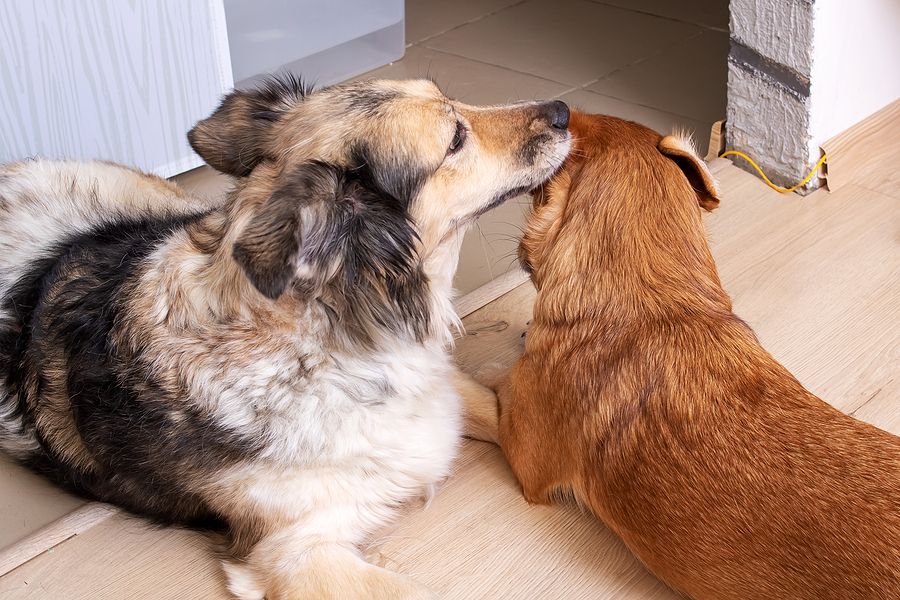
Image Source: midlandspetcare.com
Grasping the Nuances of Canine Ear Licking
The act of one dog licking another’s ear is a fascinating aspect of canine communication. It’s a behavior rooted in their ancestral past, refined through millennia of social living. To truly comprehend why this happens, we need to delve into the various motivations that drive this seemingly simple action.
The Role of Grooming Behavior
At its core, licking is a natural and essential part of a dog’s grooming behavior. In the wild, wolves and wild canids meticulously groom each other. This isn’t just about cleanliness; it’s a vital social activity that reinforces pack bonds and ensures the health and well-being of the group.
- Hygiene: Ears can accumulate dirt, wax, and debris. Licking can help keep them clean, preventing potential infections or discomfort. Think of it as a doggy spa treatment!
- Scent Management: A dog’s ears contain scent glands. Licking them can remove or redistribute these scents, which plays a role in how dogs perceive each other.
- Learned Behavior: Puppies learn grooming habits from their mother and littermates. They observe and replicate these behaviors as they grow.
The Power of Social Bonding
Beyond simple hygiene, social bonding is a primary driver for inter-dog licking. This affectionate behavior strengthens relationships and establishes a sense of community within a multi-dog household.
- Affection Display: Licking is a clear way dogs show they care for each other. It’s akin to a human hug or a friendly pat on the back.
- Reinforcing Pack Cohesion: By grooming each other, dogs reinforce their group identity and create a stronger sense of belonging. This is crucial for social animals.
- Building Trust: Mutual grooming fosters trust and security between dogs. When one dog allows another to groom its sensitive ears, it signifies a high level of comfort and trust.
Appeasement Gestures and De-escalation
In certain contexts, licking can serve as an appeasement gesture. When a dog feels uncertain or wishes to de-escalate a potentially tense situation, they might lick another dog, especially around the face and ears.
- Submissive Signals: Lower-ranking dogs may lick higher-ranking dogs as a sign of respect and to signal their non-threatening intentions.
- Calming Signals: Licking can also be a way to communicate “I am not a threat” and to calm an agitated or overly boisterous companion.
Displaying Affection and Comfort
One of the most heartwarming reasons dogs lick each other’s ears is simply as an affection display. It’s a tangible way they express their fondness and enjoy each other’s company.
- Mutual Affection: When two dogs are close friends, you’ll often see them grooming each other as a sign of their deep bond.
- Comfort and Security: The act of grooming can be very comforting for dogs, and they often seek it out from companions they feel safe with.
Dominance Signaling and Social Hierarchy
While often perceived as gentle, licking can also be a component of dominance signaling and establishing social hierarchy. The direction and context of the licking are key.
- Establishing Rank: A dog may lick another dog’s ears as a way to assert their position in the social order. This is usually subtle and part of a broader communication exchange.
- Asserting Control: In some instances, a dominant dog might lick a subordinate dog’s ears to reinforce their status.
Scent Marking and Information Gathering
A dog’s sense of smell is incredibly powerful, and scent plays a crucial role in their interactions. Ears are a rich source of olfactory information.
- Information Exchange: Licking can transfer scent information between dogs. They might be gathering data about the other dog’s health, diet, or emotional state.
- Territorial Marking (Less Common for Ear Licking): While less direct than urine marking, licking can play a minor role in scent distribution within a shared territory.
Anxiety Relief and Coping Mechanisms
For some dogs, licking can become a self-soothing behavior, particularly when experiencing stress or anxiety. This can manifest as excessive licking of themselves, their environment, or other dogs.
- Repetitive Behavior: If a dog is anxious, they might engage in repetitive licking as a way to calm themselves down.
- Seeking Comfort: If they associate licking with positive interactions, they might lick a companion as a way to seek comfort during stressful times.
The Potential for Compulsive Behavior
In rarer cases, excessive ear licking can indicate a compulsive behavior, similar to Obsessive-Compulsive Disorder (OCD) in humans. This usually accompanies other repetitive or unusual behaviors.
- When to Worry: If the licking is constant, intense, causes irritation to the ear, or is accompanied by other signs of distress, it’s a cause for concern.
- Underlying Causes: Compulsive behaviors often stem from underlying anxiety, boredom, or neurological issues.
Exploring Specific Scenarios of Ear Licking
Let’s break down some common scenarios and the likely reasons behind them.
Puppy Licking Older Dog’s Ear
When a puppy licks an older dog’s ear, it’s usually a combination of behaviors:
- Learning Social Cues: The puppy is learning how to interact with other dogs and is mimicking behaviors they’ve seen or learned from their mother.
- Seeking Attention: Puppies are naturally curious and attention-seeking. Licking is a way to engage with the older dog.
- Appeasement: If the older dog is a bit imposing or the puppy is feeling a little unsure, the licking can be an appeasement gesture.
One Dog Constantly Licking Another’s Ear
If one dog is persistently licking another’s ear, especially if the recipient dog seems uncomfortable or tries to move away, it could indicate a few things:
- Overly Enthusiastic Affection: The licking dog might just be very fond of their companion and showing it in an overzealous way.
- Anxiety or Boredom: The licking dog might be exhibiting signs of anxiety or boredom and using the interaction as a coping mechanism.
- Dominance Display: It could be a subtle way of asserting dominance, especially if it’s directed at a specific dog.
Dogs Grooming Each Other After Play
This is a very common and positive interaction.
- Post-Play Ritual: After energetic play, dogs often engage in mutual grooming as a way to transition back to a calmer state and reaffirm their bond.
- Reinforcing Social Ties: This reinforces their connection and shows that their play was friendly and that they are still comfortable with each other.
Licking a Specific Ear
If a dog consistently licks one particular ear of their companion, it might be due to:
- Scent Concentration: That ear might have a more interesting scent due to its position or the dog’s natural scent glands.
- Learned Association: Perhaps licking that ear in the past led to a positive outcome (e.g., the other dog relaxed or responded favorably).
Factors Influencing Ear Licking Behavior
Several factors can influence why your dogs engage in ear licking:
Breed and Temperament
While not definitive, some breeds may be more prone to social grooming or anxious behaviors. A dog’s individual temperament also plays a significant role. A naturally anxious dog might lick more, while a confident dog might tolerate it more readily.
Socialization History
Dogs who were well-socialized as puppies and have positive experiences with other dogs are more likely to engage in healthy social grooming. Poor socialization can lead to misinterpretations of social cues and more anxious behaviors.
Environment and Stressors
A stressful environment can trigger licking behaviors as a coping mechanism. Loud noises, new people or pets, or changes in routine can all contribute to a dog’s anxiety.
Health of the Dogs Involved
- Recipient Dog: If the dog whose ear is being licked has an ear infection or irritation, it might attract the attention of the other dog. The licking could be an attempt to clean it, or the smell of infection might be appealing to the licking dog in an odd way.
- Licking Dog: If the licking dog is experiencing discomfort or anxiety, they might engage in this behavior as a self-soothing mechanism.
When to Seek Professional Advice
While ear licking is often a normal and healthy part of a dog’s social repertoire, there are times when you should consult a veterinarian or a professional dog behaviorist.
Red Flags to Watch For:
- Excessive and Persistent Licking: If the licking is constant and seems obsessive, it’s a concern.
- Recipient Dog Shows Distress: If the dog being licked appears uncomfortable, tries to escape, or shows signs of pain or irritation.
- Physical Irritation: If the licking causes redness, sores, or hair loss on the ear.
- Accompanying Behaviors: If the licking is paired with other signs of anxiety, such as excessive panting, pacing, or destructive behavior.
- Sudden Change in Behavior: If your dogs have never engaged in this behavior before, and it starts suddenly, investigate the cause.
What a Professional Can Help With:
- Diagnosing Underlying Medical Conditions: A vet can rule out ear infections or other medical issues.
- Behavioral Assessment: A behaviorist can help identify if the licking is a sign of anxiety, boredom, or a more serious behavioral issue.
- Developing a Management Plan: They can provide strategies for managing and modifying the behavior if it’s problematic.
FAQ: Common Questions About Dog Ear Licking
Here are some frequently asked questions about why dogs lick each other’s ears:
Q1: Is it normal for my dogs to lick each other’s ears?
A1: Yes, it is generally normal for dogs to lick each other’s ears. It’s a natural behavior with various social and hygienic functions.
Q2: My puppy is constantly licking my older dog’s ear. Is this okay?
A2: In most cases, yes. The puppy is likely learning social cues and showing affection. As long as the older dog is tolerant and not showing signs of distress, it’s usually fine. Monitor the interaction to ensure it remains positive.
Q3: My dog seems obsessed with licking the other dog’s ear. Should I be worried?
A3: If the licking is excessive, causes irritation, or the dog being licked shows discomfort, it’s worth investigating. It could indicate anxiety, boredom, or a compulsive behavior. Consulting a vet or behaviorist is recommended.
Q4: Can ear licking be a sign of aggression?
A4: While licking can sometimes be related to dominance signaling, it’s rarely a direct sign of aggression. It’s usually a more subtle communication within the social hierarchy. True aggression will be displayed with more overt body language like growling, snarling, or snapping.
Q5: How can I stop my dog from licking the other dog’s ear if I don’t like it?
A5: If you wish to discourage the behavior, redirect the licking dog to a more appropriate activity, such as playing with a toy or engaging in a different form of interaction with you. Positive reinforcement for alternative behaviors is key. Avoid punishment, as it can create anxiety.
Conclusion: Decoding the Licks
The act of one dog licking another dog’s ear is a rich tapestry of canine communication. It’s a behavior that spans from the practicalities of grooming behavior and health maintenance to the profound depths of social bonding and affection display. Whether it’s an appeasement gesture, a subtle form of dominance signaling, a way to process information through scent marking, or even a coping mechanism for anxiety relief or compulsive behavior, each lick tells a story. By observing the context, the body language of both dogs, and the frequency of the behavior, you can gain a deeper appreciation for the complex social lives of your canine companions. When in doubt, or if the behavior seems extreme, don’t hesitate to seek professional guidance to ensure the well-being of your furry family members.