
Does your dog choose your lap or body as their favorite sleeping spot? Yes, dogs like sleeping on their owners for a variety of reasons, including seeking comfort, security, warmth, bonding, and responding to their innate pack behavior. It’s a common and often heartwarming behavior that stems from a deep well of canine psychology and instinct. This intimate act of sharing sleep space tells us a lot about the bond you share and your dog’s fundamental needs.
When your furry friend curls up against you, it’s more than just a cute habit. It’s a testament to the strong connection you have, built on trust and affection. Let’s dive into the fascinating reasons behind this endearing behavior.
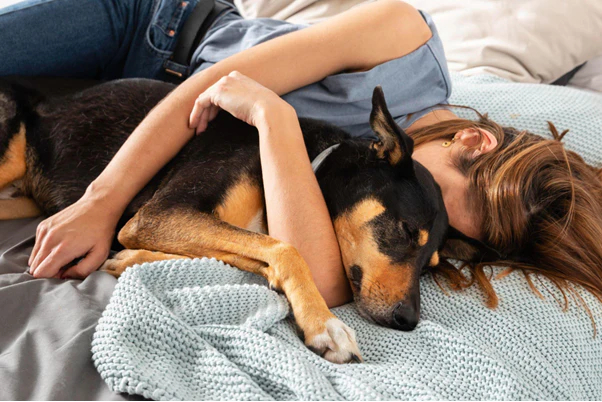
Image Source: blogscdn.thehut.net
Deciphering Canine Comfort and Security
Dogs, much like humans, seek out environments and individuals that make them feel safe and at ease. When your dog sleeps on you, they are tapping into a primal need for security.
The Comfort Factor
Your body offers a uniquely comforting presence. Think about it:
- Familiarity: Your scent is the most familiar and reassuring smell in their world. It signals safety and belonging.
- Softness and Support: Your body, particularly your bed, provides a soft and often warmer surface than other parts of the house. This physical comfort is undeniable.
- Body Heat: Dogs have a higher body temperature than humans. However, they also enjoy warmth, and your body provides a constant, reliable source of heat, especially on cooler nights. This is particularly true for puppies and senior dogs who may have trouble regulating their body temperature.
The Security Blanket of Your Presence
The feeling of security is paramount for any animal, and dogs are no exception.
- Protection: Historically, dogs slept in packs for protection. By sleeping on you, your dog perceives you as a protector. They feel safe from potential threats when they are physically close to their trusted human.
- Reduced Anxiety: If your dog experiences separation anxiety or general nervousness, your physical presence can be incredibly calming. It reassures them that you are near and that everything is alright. This physical contact acts as a constant form of reassurance.
The Intricacies of Canine Bonding
The act of sleeping together is a powerful bonding experience for dogs. It reinforces the social connections they have with their human family members.
Strengthening the Bond
- Proximity Breeds Affection: Simply put, being close to you makes them feel good. This closeness fosters affection and strengthens the emotional ties between you.
- Shared Experience: Sleeping is a vulnerable state. By sharing this vulnerable time with you, your dog is expressing a deep level of trust. They are trusting you to keep them safe while they rest.
- Emotional Reassurance: Your heartbeat, your breathing, and the subtle movements you make while sleeping all contribute to a sense of normalcy and reassurance for your dog. It’s a constant reminder that their pack leader is present and well.
Pack Behavior and Your Role
In the wild, wolves (the ancestors of our domestic dogs) sleep in a pile, huddling together for warmth and security. This innate pack behavior extends to our homes. You are your dog’s pack.
- Social Hierarchy: While not always about dominance, pack dynamics often involve sleeping in close proximity to leaders. Your dog may see you as their pack leader and wants to be near the “head” of the pack.
- Comfort in Numbers: Even if they don’t perceive a direct threat, the presence of a familiar, trusted pack member (you!) provides immense psychological comfort and reduces the feeling of being alone.
The Power of Scent
Your dog’s sense of smell is incredibly powerful, and scent plays a significant role in their emotional well-being.
- Familiarity and Safety: Your unique scent is the ultimate olfactory comfort for your dog. It’s a constant reminder of home, safety, and your presence. When they sleep on you, they are literally enveloped in the scent that means “home” and “safety” to them.
- Emotional Regulation: Certain scents can have a calming effect on dogs. Your scent, being linked to positive experiences and reassurance, can help regulate their emotions and promote relaxation.
Exploring Specific Scenarios
Let’s look at why this behavior might be more pronounced in certain situations or with certain dogs.
Puppies and Their Need for Security
Puppies are essentially babies, and like human babies, they have a strong need for comfort and security.
- Separation Anxiety: Having just left their mother and littermates, puppies can experience significant anxiety when separated from their new human family. Sleeping on you provides immediate reassurance that they are not alone.
- Cold and Vulnerable: Puppies have less body fat and struggle to regulate their temperature. The warmth from your body is crucial for their well-being and comfort.
Senior Dogs Seeking Solace
As dogs age, they may experience physical changes and increased anxiety.
- Joint Pain and Stiffness: Senior dogs might find your body a softer, more accommodating place to rest than a hard floor or even their own bed.
- Heightened Sensitivity: Changes in vision or hearing can make them feel more vulnerable. Your presence offers the security and reassurance they need.
- Desire for Warmth: Like puppies, older dogs may have a harder time staying warm, making your body’s heat a welcome source of comfort.
Dogs with Anxiety
For dogs prone to anxiety, sleeping on their owner is a coping mechanism.
- Constant Reassurance: The physical contact provides continuous reassurance that their safe person is nearby.
- Grounding Effect: The rhythmic breathing and heartbeat can have a grounding effect, helping to calm a racing mind.
- Building Trust: For dogs rescued from difficult situations, sleeping on you can be a significant step in building trust and feeling secure in their new environment.
The Science Behind the Snuggle
While we can infer a lot from canine behavior, scientific research also sheds light on why dogs seek human contact.
Oxytocin Release
Studies have shown that when dogs and humans interact positively, particularly through physical touch and eye contact, both species release oxytocin. This hormone is often called the “love hormone” or “bonding hormone.”
- Mutual Bonding: When your dog sleeps on you, it facilitates this oxytocin release, deepening your mutual bond and increasing feelings of affection and trust.
- Stress Reduction: Oxytocin also has stress-reducing effects, contributing to the overall sense of comfort and well-being for both you and your dog.
Physiological Responses
The physiological responses to being close to a trusted companion are evident.
- Lowered Heart Rate: Studies have indicated that petting a dog can lower a person’s heart rate. Similarly, your dog’s heart rate might slow down when they are in close physical contact with you, indicating relaxation and security.
- Calmer Breathing Patterns: The rhythmic breathing of a sleeping human can also be incredibly soothing for a dog, contributing to their comfort and sense of reassurance.
Is it Okay for My Dog to Sleep on Me?
Generally, yes! If your dog enjoys sleeping on you, and it doesn’t cause you discomfort or disrupt your sleep, it’s a perfectly healthy and beneficial behavior.
Benefits of Shared Sleep
- Enhanced Bonding: As discussed, it strengthens your relationship.
- Improved Canine Well-being: It provides essential comfort, security, and reassurance for your dog.
- Mutual Stress Reduction: The oxytocin release benefits both parties.
Potential Considerations
- Hygiene: Ensure your dog is clean and free of parasites.
- Sleep Disruption: If your dog is restless or takes up too much space, it might affect your sleep quality.
- Separation Anxiety: While sleeping on you helps with anxiety when you’re present, ensure your dog can also comfortably sleep alone for periods. You don’t want them to become overly dependent.
- Medical Conditions: If your dog suddenly starts sleeping on you more than usual, and they have underlying health issues, it might be a sign they are seeking extra comfort or are experiencing pain. Consult your veterinarian if you have concerns.
Fathoming the Depth of Canine Affection
Ultimately, your dog sleeping on you is a profound expression of affection and trust. It’s their way of saying, “I feel safe with you, I love you, and you are my pack.”
- Unconditional Love: This behavior is a pure demonstration of their unconditional love. They choose to be near you, to share their most vulnerable moments with you.
- Emotional Connection: It signifies a deep emotional connection, where they rely on your presence for comfort and security.
- Loyalty: Sleeping on you is an act of loyalty, a physical manifestation of their devotion.
Alternatives and How to Encourage It (If You Wish)
If you want to encourage your dog to sleep on you, or if you have a dog that is hesitant, consider these tips:
- Positive Reinforcement: Reward your dog with praise and gentle petting when they lie near you.
- Create a Cozy Environment: Make your bed an inviting place, perhaps with a familiar blanket or toy that smells like them.
- Gradual Introduction: If your dog is not used to it, start by letting them sleep on your lap while you are awake, gradually progressing to them settling beside you as you fall asleep.
- Respect Their Space: Never force your dog to sleep on you if they show signs of discomfort. They may prefer their own designated sleeping area, and that’s perfectly fine too.
When Your Dog Prefers Their Own Bed
It’s also important to acknowledge that not all dogs will want to sleep on their owners. This doesn’t mean they love you any less!
- Independence: Some dogs are naturally more independent and prefer their own space.
- Temperature Regulation: Some breeds might overheat easily and prefer a cooler, less insulated sleeping spot.
- Past Experiences: Rescue dogs might have had negative experiences with confinement or close physical contact and may prefer their own secure den.
The key is to provide your dog with a safe, comfortable, and loving environment, and to cherish the ways they express their affection and trust – whether that’s snuggled up against you or peacefully snoozing in their own cozy bed.
Frequently Asked Questions (FAQ)
Q1: Why does my dog want to sleep on my head?
A1: Some dogs sleep on or near their owner’s head to be closer to your scent, which is strongest there. It can also be a way to feel extra secure, placing themselves near the perceived “leader” of the pack. It’s a sign of deep affection and trust.
Q2: Is it bad if my dog sleeps on my bed?
A2: For most dogs and owners, it’s not bad at all! It can actually strengthen your bond and provide your dog with a sense of comfort and security. However, ensure good hygiene and consider if it disrupts your sleep. If your dog has anxiety issues, sleeping with you can be a great source of reassurance.
Q3: My dog always sleeps on my feet. What does that mean?
A3: Sleeping at your feet is a common behavior and often signifies protection. Your dog may feel like they are guarding you while you sleep, or simply wants to be close enough to sense your comfort and warmth. It’s a sign of trust and affection.
Q4: Can my dog’s desire to sleep on me be a sign of anxiety?
A4: Yes, it can be. If your dog seems restless, panting, or otherwise anxious when you’re not physically present, their need to sleep on you might be a coping mechanism for anxiety. Your proximity provides reassurance and a sense of security. However, it can also simply be a sign of deep bonding and comfort.
Q5: How can I encourage my dog to sleep on my bed if they prefer their own?
A5: Start by making your bed more appealing with their favorite blanket or a toy. Reward them with praise and affection when they come up. You can also try sleeping with a favorite blanket of theirs so your scent is on it. Gradually introduce them to sleeping near you while you are awake, building trust and positive associations.
Q6: Does my dog sleeping on me mean they see me as their pack leader?
A6: It can be an indicator of this, as dogs often seek close proximity with those they perceive as part of their social group or leaders within their pack behavior. However, it’s more broadly a sign of bonding, trust, and seeking comfort and security. Your dog likely feels a deep connection and affection for you, regardless of formal “leader” status.