
Can a dog pee on the couch out of spite? No, dogs do not pee on the couch out of spite. This common misconception is far from the truth. Your dog isn’t trying to get back at you or express anger; there are almost always underlying reasons for this frustrating behavior.
What is dog marking behavior? Dog marking behavior is a natural canine instinct to deposit small amounts of urine on various objects in their environment. This is a form of communication, conveying information about their presence, status, and territory to other dogs.
Is your beloved canine companion leaving unwelcome puddles on your furniture? You’re not alone. Many dog owners grapple with the perplexing issue of dog inappropriate urination, particularly when it occurs on the couch. This behavior can be baffling, frustrating, and downright messy. But before you resign yourself to a life of permanent upholstery protection, let’s delve into the real reasons behind this canine conundrum and explore effective solutions.
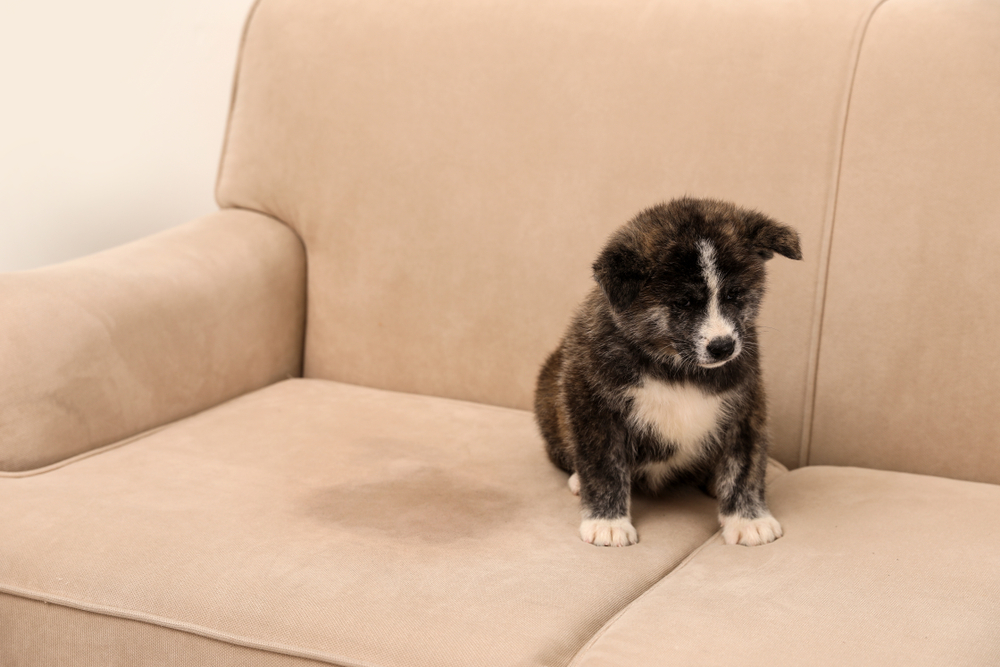
Image Source: www.madpaws.com.au
Decoding the Reasons for Couch Urination
Your dog isn’t aiming to ruin your favorite sofa. Instead, their actions are driven by a variety of factors, ranging from basic biological needs to complex emotional states. Grasping these underlying causes is the first step to resolving the problem.
1. Incomplete House Training and Accidents
For puppies and newly adopted dogs, accidents are a normal part of puppy potty training accidents. Their bladders are still developing, and they haven’t yet learned the rules of where it’s acceptable to relieve themselves. Even well-trained adult dogs can have setbacks.
- Puppies: Their bladder control is not fully developed. They need frequent opportunities to go outside and consistent reinforcement when they do.
- New Environments: A new dog, whether a puppy or an adult, needs time to adjust to your home and learn your house rules. They may not yet associate the couch with your designated potty area.
- Inconsistent Training: If house training was not thorough or consistent, your dog might not fully grasp the concept. This can lead to slips.
2. Medical Issues: When Health is the Cause
Sometimes, dog medical issues peeing are the culprit. Urinary tract infections (UTIs), kidney disease, diabetes, Cushing’s disease, and even bladder stones can affect dog bladder control. These conditions can cause:
- Increased Urination: Your dog might simply need to go more often than usual.
- Urgency: They may not be able to hold it, leading to accidents.
- Pain or Discomfort: The act of urinating might be painful, causing them to associate it with negative experiences and potentially avoid designated potty areas.
If your dog has suddenly started peeing on the couch or experiencing more frequent accidents, a veterinary check-up is crucial.
Signs of Potential Medical Issues:
- Frequent, small urinations.
- Straining to urinate.
- Blood in the urine.
- Increased thirst and urination.
- Lethargy or changes in appetite.
3. Emotional and Behavioral Triggers
Dogs are sensitive creatures, and their emotions can directly impact their potty habits. Several behavioral issues can manifest as dog urination problems on furniture.
a) Dog Anxiety Peeing and Stress Peeing
Dog anxiety peeing and dog stress peeing are common responses to fear, uncertainty, or emotional distress.
- Separation Anxiety: When left alone, some dogs become so anxious that they urinate or defecate indoors, often on items that carry their owner’s scent, like the couch.
- New People or Pets: The arrival of a new family member, whether human or animal, can disrupt a dog’s routine and cause stress, leading to accidents.
- Loud Noises: Fireworks, thunderstorms, or construction can trigger fear and anxiety, resulting in urination.
- Changes in Routine: Moving to a new home, changes in feeding schedules, or the absence of a family member can all contribute to stress.
b) Dog Marking Behavior and Scent Marking
Dog marking behavior is a natural communication method. Dogs use their urine to leave their scent and communicate information to other dogs. This can happen for several reasons:
- Territorial Marking: If your dog feels their territory is being challenged, they might mark to re-establish their presence. This can be triggered by new pets in the house, visitors, or even sounds from outside.
- Excitement or Greeting: Some dogs, especially younger ones, may urinate a small amount when excited or during greetings. This is often a sign of submissiveness or over-arousal rather than a territorial issue.
- Presence of Other Dogs: If there are other dogs in the household or if neighborhood dogs are frequently visible, your dog might feel compelled to mark their territory.
Dog scent marking can involve urine, but also feces, scratching, or even facial rubbing. On furniture, it’s a way for them to claim ownership of a highly valued and scent-rich item.
c) Submissive Urination
This is a common behavior in puppies and anxious dogs. When a dog feels intimidated or submissive, they may urinate involuntarily. This is often accompanied by other submissive signals like averted gaze, tail tucking, and rolling onto their back. If the couch is a place where they often interact with people they feel submissive towards, they might mark it.
4. Seeking Attention
While less common, some dogs may learn that peeing on the couch elicits a strong reaction from their owners. If they are feeling neglected or not getting enough positive attention, they might resort to this behavior to get you to engage with them.
Strategies for Stopping Couch Urination
Now that we’ve explored the “why,” let’s focus on the “how” to prevent this frustrating behavior. A multi-faceted approach, combining training, environmental management, and addressing underlying issues, is usually most effective.
1. Reinforce Proper House Training
If your dog isn’t fully house-trained or has had regressions, it’s time to go back to basics.
- Frequent Potty Breaks: Take your dog out frequently, especially after waking up, after playing, after eating, and before bedtime.
- Positive Reinforcement: When your dog eliminates outside, praise them enthusiastically and offer a high-value treat immediately. This creates a strong positive association with the correct behavior.
- Supervision: When you can’t actively supervise your dog, confine them to a safe, potty-proof area like a crate or a room with easy-to-clean flooring.
- Clean Up Accidents Properly: Use an enzymatic cleaner specifically designed for pet odors. Regular cleaners can mask the smell for humans but not for dogs, and the lingering scent can encourage them to return to the same spot.
Sample Daily Potty Schedule for a Young Dog:
| Time | Activity |
|---|---|
| Upon Waking | Potty break outside |
| After Breakfast | Potty break outside |
| Mid-Morning | Potty break outside |
| After Playtime | Potty break outside |
| After Lunch | Potty break outside |
| Mid-Afternoon | Potty break outside |
| Before Dinner | Potty break outside |
| After Dinner | Potty break outside |
| Before Bed | Final potty break outside |
2. Address Medical Concerns Promptly
As mentioned earlier, dog medical issues peeing can be a significant factor.
- Schedule a Vet Visit: If you suspect a medical reason, contact your veterinarian immediately. They can perform diagnostic tests to identify any underlying conditions.
- Follow Treatment Plans: Adhere strictly to your vet’s recommended treatment plan, which may include medication, dietary changes, or specialized care.
3. Manage Anxiety and Stress
If anxiety is the root cause of dog anxiety peeing or dog stress peeing, creating a calm and predictable environment is key.
- Identify Triggers: Try to pinpoint what causes your dog’s anxiety. Is it loud noises, being left alone, or changes in routine?
- Desensitization and Counter-Conditioning: Gradually expose your dog to their triggers in a controlled manner while pairing them with positive experiences. For example, if they are anxious about thunderstorms, play recordings of thunder at a low volume while giving them treats.
- Provide a Safe Space: Ensure your dog has a comfortable den or crate where they can retreat when feeling anxious.
- Exercise and Mental Stimulation: A tired dog is a happy dog. Ensure your dog gets enough physical exercise and mental enrichment through puzzle toys, training sessions, and interactive play.
- Calming Aids: Consider using calming pheromone diffusers, special collars, or natural supplements designed to reduce anxiety. Consult your vet before using any supplements.
- Professional Help: For severe anxiety, a certified professional dog trainer or a veterinary behaviorist can provide tailored strategies.
4. Prevent Marking Behavior
To curb dog marking behavior and dog scent marking:
- Clean Thoroughly: Ensure any soiled areas are meticulously cleaned with an enzymatic cleaner.
- Restrict Access: While you are working on training, consider temporarily restricting your dog’s access to the couch when you cannot supervise them.
- Deterrent Sprays: Use commercial deterrent sprays designed for pet accidents. These often have scents that dogs dislike.
- Increase Exercise and Mental Stimulation: A dog that is well-exercised and mentally stimulated is less likely to feel the need to mark excessively.
- Neutralize Excitement: If your dog marks due to excitement during greetings, manage greetings carefully. Ask visitors to ignore the dog initially until they calm down.
5. Address Submissive Urination
If submissive urination is the issue:
- Avoid Intimidation: Don’t loom over your dog, make direct eye contact for too long, or use harsh tones.
- Calm Greetings: Approach your dog calmly and let them come to you.
- Positive Interactions: Focus on positive reinforcement training and create a confident, secure relationship.
6. Redirect and Reward Positive Behavior
- Interrupt and Redirect: If you catch your dog in the act, interrupt them with a calm sound (like a clap) and immediately take them outside to their designated potty spot. If they finish there, praise and reward them.
- Reward Dryness: Make a point of celebrating when your dog doesn’t have an accident, especially if it’s an area they’ve previously marked.
7. Environmental Management
Sometimes, the simplest solutions involve making the couch less appealing or accessible.
- Cover the Couch: Use waterproof couch covers or throws. This protects your furniture and can make the surface less desirable for your dog.
- Make it Less Appealing: Some dogs dislike certain textures or scents. Experiment with different types of covers or strategically placed deterrent mats.
- Limit Access: When you are not home or cannot supervise, use baby gates or keep your dog in a designated dog-proofed area.
Frequently Asked Questions (FAQ)
Q1: My dog only pees on the couch when I leave the house. What does this mean?
This is a classic sign of separation anxiety. Your dog is likely experiencing distress when you’re gone, and urinating on your belongings, which carry your scent, is a common manifestation of this anxiety. Addressing the separation anxiety through training, environmental enrichment, and potentially professional help is crucial.
Q2: Is it normal for puppies to pee on the couch?
Yes, it’s common for puppies to have puppy potty training accidents, including on furniture, as they are still learning dog house training and developing dog bladder control. Consistency, frequent potty breaks, and positive reinforcement are essential.
Q3: My vet found no medical issues. What else could be causing my dog to pee on the couch?
If medical issues are ruled out, the causes likely lie in behavioral or training-related factors. These can include:
* Incomplete dog house training.
* Dog anxiety peeing or dog stress peeing due to environmental changes or separation anxiety.
* Dog marking behavior if there are new pets or perceived territorial threats.
* Submissive urination in anxious dogs.
* Seeking attention.
Q4: How do I stop my dog from marking the couch?
To stop dog scent marking on the couch, thorough cleaning with enzymatic cleaners is paramount. Restricting access to the couch when unsupervised, using deterrents, and addressing any underlying anxiety or territorial issues are also important steps. Increasing exercise and mental stimulation can also help reduce the urge to mark.
Q5: My older dog suddenly started peeing on the couch. What should I do?
Sudden changes in elimination habits in older dogs are often a strong indicator of dog medical issues peeing. It’s essential to schedule a veterinary appointment immediately to rule out conditions like UTIs, kidney problems, diabetes, or cognitive dysfunction. If medical issues are ruled out, behavioral reasons such as increased anxiety or cognitive changes might be considered.
Q6: Can I use a regular cleaner to clean up dog urine on the couch?
No, regular cleaners are generally not effective at eliminating pet urine odors completely. Dogs have a much stronger sense of smell than humans. If the odor remains, your dog will likely be drawn back to the same spot. Always use an enzymatic cleaner specifically designed for pet messes.
Q7: How long does it take to break a dog of peeing on the couch?
The timeline varies greatly depending on the dog, the cause of the behavior, and the consistency of your training efforts. It can range from a few weeks to several months. Patience, consistency, and addressing the root cause are key to success.
Conclusion
While dog inappropriate urination on the couch is a frustrating challenge, it is rarely an insurmountable one. By systematically investigating the potential causes – from medical ailments and incomplete dog house training to dog anxiety peeing and dog marking behavior – you can develop a tailored plan to resolve the issue. Remember that your dog is communicating a need or a feeling, and with patience, consistency, and the right approach, you can restore harmony to your home and protect your cherished furniture. If you are struggling, don’t hesitate to seek professional guidance from your veterinarian or a certified dog trainer.