
Does your dog drag its rear end across the carpet, leaving a trail of fur and a whole lot of questions? Yes, your dog scooting across the floor is a common behavior, and it’s usually a sign that something is bothering their rear end. This “scooting behavior,” also known as “dog butt dragging” or “pawing at hindquarters,” can be caused by a variety of issues, ranging from mild irritation to more serious medical conditions. This detailed guide will delve into the common reasons behind this behavior, what you can do about it, and when it’s time to seek professional help from your veterinarian.
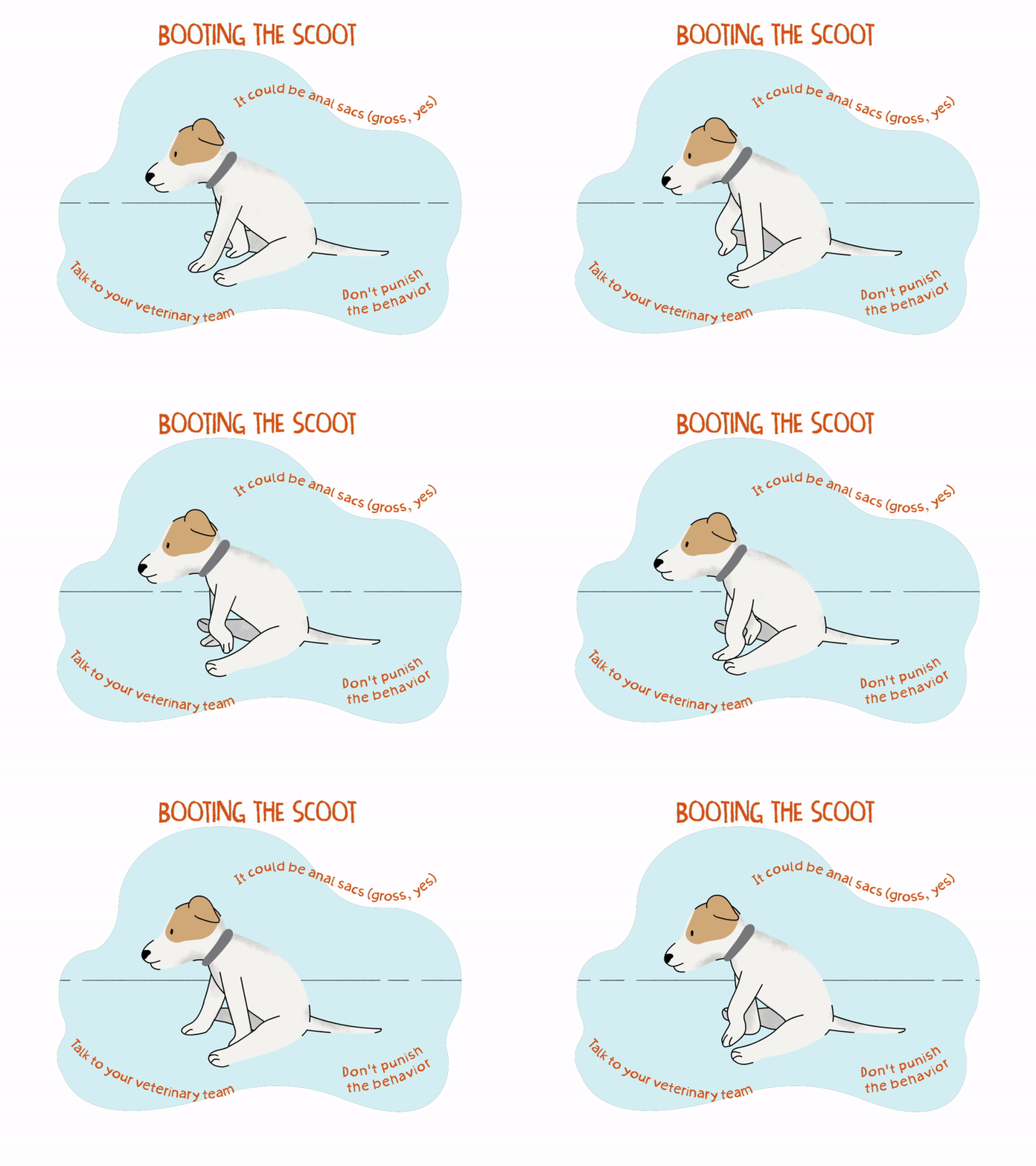
Image Source: www.banfield.com
Deciphering Dog Scooting: What’s Really Going On?
When your dog starts scooting, they’re essentially trying to relieve some form of pressure, itching, or discomfort. Think of it like a human scratching an itch or shifting to get comfortable, but on a much larger scale and often with more urgency. The friction against the floor can temporarily alleviate the sensation, but it rarely addresses the root cause.
Common Culprits Behind the Scoot
There are several reasons why your dog might be scooting. Let’s explore some of the most frequent causes:
Anal Gland Issues: The Primary Suspect
The most common reason for scooting is problems with a dog’s anal glands. These are two small sacs located on either side of a dog’s anus, about the size of a pea.
- What are Anal Glands For? Anal glands produce a foul-smelling, liquid secretion that dogs use for marking their territory. When a dog defecates, a small amount of this fluid is usually expressed, contributing to their unique scent. This scent helps other dogs identify them.
- Why Do They Cause Problems? Sometimes, these glands don’t express properly during a bowel movement. This can happen for various reasons, including:
- Impaction: The most frequent issue is impaction, where the ducts become blocked, and the glands fill up with fluid, causing pressure and discomfort.
- Inflammation (Anal Sacculitis): The glands can become inflamed due to infection, allergies, or irritation.
- Infection: Bacteria or yeast can grow within the impacted glands, leading to pain, swelling, and even abscess formation.
- Tumors: Though less common, tumors can develop in or around the anal glands, causing significant discomfort.
When these glands are full, inflamed, or infected, they cause significant discomfort from anal glands. This discomfort can feel like an itchy butt or a general sense of irritation in the rectal area, leading to the characteristic scooting behavior as the dog attempts to relieve the pressure or itch.
Fleas and Parasites: Tiny Terrors
Fleas are a notorious cause of itchy butt and general skin irritation in dogs.
- Fleas: When a dog has fleas, these tiny parasites can cause intense itching all over their body, including the rear end. Flea bites, especially around the base of the tail and hindquarters, can be particularly irritating. Some dogs are also allergic to flea saliva, making even a few flea bites cause a severe reaction.
- Other Parasites: Intestinal parasites like tapeworms can also contribute to scooting. Tapeworm segments, which look like grains of rice, can sometimes migrate to the anus and cause irritation as they exit the body.
Allergies: A Persistent Itch
Allergies are a widespread problem in dogs and can manifest in many ways, including skin issues and rear end irritation.
- Food Allergies: Certain ingredients in a dog’s diet can trigger an allergic reaction, leading to itchy skin, particularly in the paws, ears, and hindquarters.
- Environmental Allergies (Atopy): Dogs can be allergic to pollens, dust mites, mold, and other environmental allergens. These allergies often worsen seasonally but can be present year-round. The itching associated with allergies can be intense and often leads to pawing at hindquarters or scooting to find relief.
Skin Irritation and Infections
Beyond fleas and allergies, other skin-related issues can cause a dog to scoot.
- Diarrhea or Loose Stool: If a dog has diarrhea, the sticky stool can adhere to the fur around their anus, causing irritation and a feeling of being unclean. The dog might scoot to try and clean themselves or relieve the discomfort.
- Fecal Residue: Even with normal stools, sometimes small amounts of feces can stick to the fur, especially in dogs with long hair around their rear end.
- Yeast or Bacterial Infections: The moist environment around the anus can be prone to yeast or bacterial infections, especially if there’s underlying irritation from other causes. These infections cause redness, itching, and a burning sensation.
- Anal Tumors or Growths: While less common, growths or tumors around the anus can cause pain and irritation, leading to scooting. These can be benign or malignant.
Constipation or Bowel Issues
Difficulty passing stool can also lead to discomfort that prompts scooting.
- Constipation: When a dog is constipated, they may strain during defecation, and the hardened stool can sometimes irritate the anal glands or the rectal lining, causing a need to scoot.
- Inflammatory Bowel Disease (IBD) or Other GI Issues: Chronic digestive problems can lead to changes in stool consistency and frequency, which can indirectly affect the anal area and encourage scooting.
Neurological Issues (Rare)
In very rare cases, neurological problems affecting the nerves controlling the anal or hindquarters region could lead to a sensation of irritation or a lack of proper bowel control, resulting in scooting. This is typically accompanied by other neurological signs.
Recognizing the Signs: More Than Just Scooting
While scooting is the most obvious sign, a dog experiencing discomfort in their rear end might exhibit other behaviors too.
How to Spot the Problem Early
- Excessive Licking or Chewing: Your dog might repeatedly lick or chew at their anal area or tail base.
- Straining to Defecate: You might notice your dog struggling or taking longer than usual to pass stool.
- Scooting Immediately After Defecation: This is a classic sign that something is wrong with the anal glands or the stool itself.
- Foul Odor: A strong, fishy odor emanating from your dog’s rear end is a common indicator of anal gland issues, particularly infection or impaction.
- Redness or Swelling: Inspecting the area might reveal redness, swelling, or even small sores around the anus.
- Visible Blood or Pus: In cases of infection or abscess, you might see blood or pus around the anus.
- Changes in Behavior: Your dog might seem restless, uncomfortable, or even aggressive when their rear end is touched.
Practical Steps for a Happier Hindquarters
If you notice your dog scooting, it’s essential to investigate the cause. Here’s a breakdown of what you can do:
1. Gentle Observation and At-Home Checks
Start by observing your dog’s behavior closely.
- Check for Fleas: Part their fur, especially around the tail base and groin area. Look for live fleas or flea dirt (small, dark specks that turn reddish-brown when wet).
- Inspect the Anal Area: Gently lift your dog’s tail and look for any signs of redness, swelling, discharge, or foreign material stuck to the fur. Be cautious, as this area can be sensitive.
- Assess Stool Consistency: Note any changes in your dog’s bowel movements, such as diarrhea, constipation, or the presence of mucus or blood.
2. Dietary Review and Management
If you suspect allergies or bowel issues, diet can play a role.
- Hypoallergenic Diet Trial: If allergies are suspected, your veterinarian may recommend a strict hypoallergenic diet trial for 8-12 weeks. This involves feeding a novel protein and carbohydrate source that your dog has never eaten before to see if symptoms improve.
- Fiber Supplementation: For mild constipation or to promote regular bowel movements, a veterinarian might suggest adding a small amount of fiber (like canned pumpkin – ensure it’s plain pumpkin, not pie filling) to your dog’s food. Always consult your vet before making significant dietary changes.
3. Environmental Control and Hygiene
Maintaining a clean environment and practicing good hygiene can help prevent some issues.
- Regular Flea and Tick Prevention: Use a veterinarian-recommended flea and tick preventative year-round.
- Cleanliness: Keep your dog’s rear end clean, especially if they have long fur. Gently wipe the area with pet-safe wet wipes after bowel movements if needed.
- Dietary Impact on Stool: Ensure your dog is on a balanced diet that promotes firm, healthy stools.
4. When to Seek Veterinary Intervention
While some minor irritations can be managed at home, it’s crucial to consult your veterinarian for persistent or severe scooting.
Veterinary Diagnosis: Pinpointing the Cause
Your vet will perform a thorough physical examination, paying close attention to your dog’s rear end. They may:
- Perform Anal Gland Expression: This is a common diagnostic and therapeutic procedure. The vet will manually express the anal glands. If they are impacted, this can provide immediate relief. The fluid can also be sent for analysis if infection is suspected.
- Check for Parasites: Fecal samples may be analyzed for intestinal parasites. Skin scrapings or flea combs might be used to check for external parasites.
- Recommend Allergy Testing: If allergies are suspected, your vet may suggest skin testing or blood tests to identify environmental allergens.
- Suggest Imaging: In cases of suspected tumors or severe internal issues, X-rays or ultrasounds might be recommended.
- Prescribe Medications: Depending on the diagnosis, your vet may prescribe:
- Antibiotics: For bacterial infections.
- Antifungals: For yeast infections.
- Steroids or Antihistamines: To manage inflammation and itching from allergies.
- Pain Relief: If the area is particularly painful.
- Laxatives or Stool Softeners: For constipation.
Professional Anal Gland Expression and Maintenance
- Manual Expression: This is a routine procedure performed by veterinarians or trained groomers. It involves gently squeezing the anal glands to release their contents. Some owners learn to do this at home, but it’s best to have it demonstrated by a professional first.
- Flushing and Medication: If glands are infected or severely inflamed, the vet may need to flush them with antiseptic solutions and administer medicated ointments directly into the glands.
- Surgery: In rare, severe cases of recurrent anal gland impaction, infection, or tumors, surgical removal of the anal glands (anal sacculectomy) may be considered. This is a more invasive procedure and is usually a last resort.
Dog Scooting Remedy: Tailored Treatments
The dog scooting remedy will entirely depend on the underlying cause.
- For Anal Gland Issues: Regular manual expression (every 4-8 weeks, depending on the dog), dietary adjustments to promote firmer stools, and medication for infection or inflammation.
- For Flea Infestations: Thorough flea treatment for the dog and the environment, coupled with ongoing prevention.
- For Allergies: Identifying and avoiding allergens, medication (antihistamines, steroids, immunotherapy), and specialized shampoos.
- For Intestinal Parasites: Deworming medication prescribed by your vet.
- For Skin Infections: Antibiotics or antifungals, topical treatments, and improved hygiene.
Dog Scooting Treatment: A Long-Term Plan
Treatment often involves a multi-faceted approach. It’s not just about treating the immediate symptom but also addressing the root cause to prevent recurrence. This might include:
- Regular veterinary check-ups.
- Consistent parasite prevention.
- Ongoing dietary management if allergies are present.
- Maintaining good hygiene around the anal area.
- Promptly addressing any changes in stool consistency.
Frequently Asked Questions (FAQ)
Q1: Can I express my dog’s anal glands myself?
A1: While it is possible to learn how to express your dog’s anal glands, it’s highly recommended to have a veterinarian or a trained groomer demonstrate the technique first. Improperly expressing the glands can cause pain, damage, or worsen existing problems. Always proceed with caution and gentleness.
Q2: How often should my dog’s anal glands be expressed?
A2: This varies greatly among individual dogs. Some dogs never have problems, while others may need expression every 4-8 weeks. Your veterinarian can best advise on the appropriate frequency based on your dog’s specific needs and any history of anal gland issues.
Q3: Is scooting a sign of worms in dogs?
A3: Scooting can be a sign of intestinal parasites like tapeworms, as segments of the worm can cause irritation when they exit the body. However, scooting is more commonly associated with anal gland problems. It’s best to consult your vet for a proper diagnosis.
Q4: My dog’s scooting seems worse after they poop. What does this mean?
A4: This often points towards anal gland issues. When a dog defecates, the pressure of the stool passing can sometimes help express the anal glands. If the glands are full or impacted, this pressure can cause discomfort or a sensation of incomplete emptying, leading to scooting.
Q5: Can diet alone cure scooting?
A5: Diet can play a significant role in managing scooting, especially if it’s related to allergies or bowel irregularities (like diarrhea or constipation). A high-fiber diet can promote firmer stools, which can aid in natural anal gland expression. However, if the cause is anal gland impaction, infection, or other non-dietary issues, diet alone may not resolve the problem, and veterinary treatment will be necessary.
Q6: My dog has a very bad smell coming from their rear end. What could it be?
A6: A strong, fishy odor is a classic sign of anal gland issues, particularly when the glands are impacted, inflamed, or infected. The contents of the anal glands are naturally pungent, and this smell can become much more pronounced and unpleasant when there’s a problem.
Q7: Is scooting a sign of anal cancer?
A7: While scooting can be a symptom of anal tumors, it’s important to remember that anal gland issues are far more common. If your dog is scooting persistently, especially with other symptoms like bleeding, swelling, or pain, it’s crucial to seek veterinary attention for a thorough examination to rule out more serious conditions like cancer.
Conclusion: Addressing the Itch for a Happier Pooch
The act of dog scooting is a clear signal from your furry friend that something is amiss. From the common culprit of impacted anal glands to the irritation caused by fleas, allergies, or infections, the reasons behind this behavior are diverse. By paying close attention to your dog’s habits, performing gentle checks, and knowing when to consult your veterinarian, you can effectively diagnose and treat the underlying cause of their discomfort. A proactive approach, coupled with professional guidance, will ensure your dog can scoot no more and enjoy a life free from rear end irritation and discomfort.