
Does your dog frequently engage in scratching his bed at night? This common canine behavior, often described as digging at bedding or pawing at the mattress, is typically a sign of deep-seated, instinctual dog behavior. While it might seem disruptive, this action is a window into your dog’s ancestral past and their innate need for comfort and security.
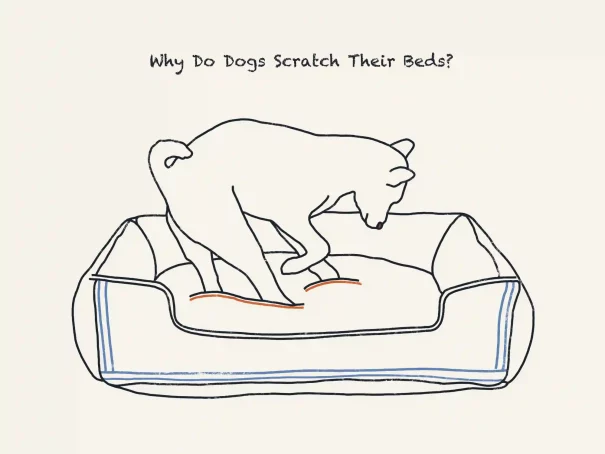
Image Source: www.dreamcloudsleep.com
The Roots of Canine Bed-Scratching
The urge to scratch and rearrange their sleeping area is not a new development for dogs. It stems from the behaviors of their wild ancestors. In the wild, wolves and other canids didn’t have plush dog beds. They had to prepare their own sleeping spots. This often involved nesting behavior to create a safe and comfortable place to rest.
Preparing a Den: A Natural Drive
Long before domesticated dogs had soft bedding, their wild counterparts relied on preparing a den. This den served multiple purposes: protection from predators, shelter from the elements, and a secure place to raise young. The process of preparing a den would have involved a lot of digging and shuffling of earth, leaves, and other natural materials. This fundamental need to create a safe haven is still present in our modern dogs.
The ‘Nesting’ Instinct Explained
Nesting behavior in dogs is a direct descendant of this den-preparing instinct. When your dog scratches at their bed, they are essentially trying to mimic the actions their ancestors would have taken. They are working to mold their immediate environment into a more comfortable and secure space. This is why you often see them circling and then digging. They are attempting to create that perfect, cozy spot, much like a mother wolf would prepare a den for her pups.
Deciphering the ‘Why’ Behind the Scratching
There are several specific reasons why your dog might be scratching his bed at night. It’s rarely a sign of boredom or a destructive habit. Instead, it’s usually a purposeful action driven by instinct.
Creating a Comfy Spot
The primary driver behind nighttime digging is the desire to create a comfy spot. Your dog is looking for that perfect arrangement of their bedding. This might involve pushing blankets, fluffing pillows, or digging into the material to create a hollow. They are trying to make their bed feel more like a natural den – a soft, enclosed space that offers both warmth and a sense of security. Think of it as their way of “fluffing the pillows” to get just right.
Rearranging Blankets for Optimal Comfort
Many dogs are meticulous about their sleeping arrangements. They might spend several minutes rearranging blankets and other bedding materials. This isn’t random; they are trying to achieve a specific texture and depth that feels most comfortable to them. They might be trying to burrow under layers for warmth or create a soft depression to rest their head and body in. It’s all about achieving peak comfort bedding.
The Burrowing Instinct: A Deep-Seated Need
The burrowing instinct is another powerful driver. Some dogs have a stronger urge to dig and burrow than others, but it’s a common trait across many breeds. When your dog is pawing at the mattress or digging at bedding, they might be expressing this primal urge to dig a protective hole. This behavior can be more pronounced in breeds known for digging, like terriers or dachshunds, but you’ll see it in many different types of dogs.
When Instinct Meets Modern Life
Our modern homes and the amenities we provide, like soft, plush dog beds, are a far cry from the natural environments our dogs’ ancestors inhabited. Yet, the instincts remain. The dog bed, while comfortable, might not inherently feel like a secure den to your dog. Therefore, they engage in these pre-programmed behaviors to make it so.
Mimicking Ancestral Den Preparation
The scratching his bed at night behavior is a direct mimicry of ancestral den preparation. Imagine a wolf finding a suitable spot, perhaps under a fallen tree or in a sheltered bank. They would then dig and move materials to create a cozy, safe space. Your dog, even on their luxurious bed, is enacting this same sequence of actions, albeit in a much tamer fashion.
Seeking Security and Familiarity
This instinctual dog behavior is also about seeking security. Creating a den-like space provides a sense of safety and control. In their wild past, a well-prepared den meant survival. While your dog is perfectly safe in your home, their instincts haven’t caught up to modern comforts. The act of digging and arranging their bed helps them feel more secure and less vulnerable.
Temperature Regulation
In some cases, nighttime digging can also be a form of temperature regulation. If the bedding is too warm, a dog might try to dig down to cooler layers or expose cooler parts of the bed. Conversely, if they are feeling a bit chilly, they might burrow under blankets to trap body heat, similar to how wild animals would nestle into warm dens.
Common Scenarios and What They Mean
Let’s look at some specific scenarios of scratching his bed at night and what they might indicate:
Circling and Pawing
- The Behavior: Your dog circles their bed a few times before settling down and then begins pawing at the mattress or digging at bedding.
- The Meaning: This is a classic example of nesting behavior. The circling is often part of a ritualistic process of assessing the area and preparing it. The pawing is the actual “digging” or rearranging. They are trying to create a depression or smooth out the surface for optimal comfort.
Digging into Pillows or Cushions
- The Behavior: Your dog repeatedly digs into the corners or sides of their bed, sometimes even pulling stuffing out if it’s a plush bed.
- The Meaning: This strongly suggests a burrowing instinct. They are trying to create a deeper, more enclosed space. This can also be a sign that they are trying to make the bed softer or more absorbent, perhaps to mimic the feel of softer nesting materials. This is a clear demonstration of creating a comfy spot.
Pushing Blankets Around
- The Behavior: Your dog pushes blankets or quilts with their nose and paws, arranging them in a specific way before lying down.
- The Meaning: This is about rearranging blankets to achieve their desired level of warmth and comfort. They might be trying to create a “roof” over themselves or pile them up for extra cushioning. It’s all part of making their comfort bedding just right.
Restlessness and Repeatedly Getting Up
- The Behavior: Your dog can’t seem to settle. They get up, scratch, lie down again, get up, scratch somewhere else, and repeat.
- The Meaning: This could indicate that they haven’t quite achieved the desired comfort level. They are still working on perfecting their den. It could also be a sign of mild discomfort. Is the bed too hard, too soft, too warm, or too cool? They are trying to adjust it to their liking. This relates to the core idea of preparing a den to be perfectly suited to their needs.
Factors Influencing Bed-Scratching Behavior
Several factors can influence how often and how intensely your dog scratches their bed:
Breed Predispositions
Some breeds are more naturally inclined to dig and burrow.
| Breed Group | Examples | Instinctual Tendencies Related to Nesting/Digging |
|---|---|---|
| Terriers | Jack Russell Terrier, Dachshund | Bred to dig for vermin, strong burrowing instinct. |
| Herding Dogs | Australian Shepherd, Collie | May herd bedding, rearrange to create a “flock” or den. |
| Sighthounds | Greyhound, Whippet | Often bred for speed, but also have a denning instinct for warmth. |
| Hounds | Beagle, Basset Hound | Bred for scent work, may create dens for comfort and scent marking. |
Even within these groups, individual personalities play a significant role.
Age and Life Stage
- Puppies: Young puppies are still learning about their environment and their own bodies. They might scratch more out of curiosity or a heightened need for comfort and security as they adjust to being away from their mother and littermates.
- Adult Dogs: For adult dogs, it’s usually a well-established instinctual dog behavior.
- Senior Dogs: Older dogs might scratch more if they are experiencing discomfort, such as arthritis, and are trying to find a more comfortable position. They might also be seeking warmer spots.
Environmental Factors
- Bedding Material: Some dogs react more strongly to certain textures. A very fluffy, deep bed might encourage more digging at bedding than a flatter, firmer one.
- Temperature: As mentioned, temperature can be a factor. A dog might scratch to expose cooler layers or burrow into warmer ones.
- Security of the Space: If your dog sleeps in a crate or a corner where they feel particularly safe, they might engage in more pronounced nesting behavior to enhance that feeling of security.
Stress and Anxiety
While usually a comfort-seeking behavior, excessive or frantic scratching can sometimes be linked to stress or anxiety. If your dog is also exhibiting other signs of stress (pacing, whining, lip licking, panting when not hot), then the bed-scratching might be a displacement behavior. However, for most dogs, it’s a positive and instinctual action.
How to Manage the Scratching Behavior
For most owners, the scratching his bed at night behavior is more of a curiosity than a problem. However, if the scratching is destructive (tearing up the bed) or keeping you or your dog awake, there are ways to manage it.
Providing Appropriate Bedding
- Durable Beds: Opt for dog beds made from durable materials that can withstand some digging at bedding. Canvas, denim, or beds with reinforced stitching can help.
- Tougher Surfaces: If your dog is a vigorous digger, a bed with a firmer, less “fluffable” surface might be better. Think of orthopedic beds or bolster beds that offer support.
- Washable Covers: Many good dog beds come with washable covers, which is ideal for hygiene regardless of scratching.
Encouraging Different Behaviors
- Mental Stimulation: Ensure your dog gets enough physical exercise and mental stimulation during the day. A tired dog is a more settled dog. Puzzle toys, training sessions, and walks can help.
- Chew Toys: Provide safe and appropriate chew toys. Sometimes, the urge to mouth or “dig” can be redirected to a toy.
- Positive Reinforcement: If your dog settles down nicely without excessive scratching, offer calm praise and a gentle pat.
What Not to Do
- Punishment: Never punish your dog for nesting behavior or digging at bedding. This is an instinctual dog behavior, and punishing it can lead to anxiety and confusion.
- Over-Correction: Don’t scold your dog if they just briefly scratch before settling. This is normal.
When to Seek Professional Advice
If your dog’s scratching is sudden, accompanied by other signs of distress, or leads to destructive behavior, it’s always a good idea to consult with a veterinarian or a certified professional dog trainer. They can help rule out any underlying medical issues and provide tailored advice for managing your dog’s specific behavior.
Ruling Out Medical Conditions
Certain medical conditions can cause discomfort that leads to restlessness and repeated repositioning in bed. Arthritis, skin irritations, or even gastrointestinal issues can contribute to this. A vet can perform a check-up to ensure your dog is physically comfortable.
Behavioral Consultations
A professional trainer can assess your dog’s specific situation and offer strategies for redirection or management. They can help distinguish between normal instinctual dog behavior and behaviors that might be indicative of deeper issues.
Conclusion: Embracing the Instincts
The act of scratching his bed at night is a fascinating glimpse into your dog’s genetic heritage. It’s their way of preparing a den, creating a comfy spot, and ensuring their comfort bedding is just right. While it might sometimes require a bit of management, it’s generally a positive sign that your dog feels secure and is engaging in natural, instinctual dog behavior. By providing appropriate bedding and a stimulating environment, you can allow your dog to continue these harmless, ancient rituals that bring them comfort and security. So next time you hear that familiar scratching, remember the wild ancestor and appreciate the deep-seated instincts that still thrive within your beloved canine companion.
Frequently Asked Questions (FAQ)
Q1: Is my dog trying to tell me something by scratching its bed?
A1: Mostly, your dog is trying to make its sleeping area more comfortable and secure, mimicking ancient nesting behavior. It’s a sign of instinctual dog behavior, not a message for you, unless the scratching becomes frantic or is accompanied by other signs of distress.
Q2: My dog tears up its bed when it scratches. What should I do?
A2: If your dog is being destructive, try providing a more durable bed made of tougher materials. You can also offer a safe chew toy as a distraction for the burrowing instinct. Ensure your dog is getting enough mental and physical stimulation throughout the day.
Q3: Can I stop my dog from scratching its bed?
A3: While you can’t stop the instinctual dog behavior entirely, you can manage it. Provide appropriate bedding, redirect the urge to dig with toys, and ensure your dog has plenty of exercise. If the scratching is excessive and disruptive, consult a professional.
Q4: Is it normal for a puppy to scratch its bed a lot?
A4: Yes, it’s very normal for puppies to engage in nighttime digging and nesting behavior. They are still learning and seeking comfort and security in their new environment.
Q5: My dog seems to scratch its bed more in the winter. Why?
A5: This could be related to temperature regulation. Your dog might be trying to burrow deeper into the bedding to conserve body heat and stay warm, enhancing their comfort bedding.