
Does your dog look like they’ve blown their entire coat after a bath, leaving you wondering if you’ll have any fur left on them? It’s a common observation: dogs often shed more after a bath. This happens because bathing loosens dead hairs, making them easier to dislodge. While some shedding is normal and healthy, understanding the reasons behind increased post-bath shedding can help you manage it better and ensure your dog’s coat remains healthy.
Many pet parents express concern about dog hair loss after bath sessions, equating it with a problem. However, it’s usually a natural process amplified by the washing and rinsing action. Let’s delve into the common factors that contribute to this phenomenon and explore ways to keep your canine companion’s coat in top condition. We will also discuss post-bath dog shedding reasons and provide practical dog grooming shedding tips.
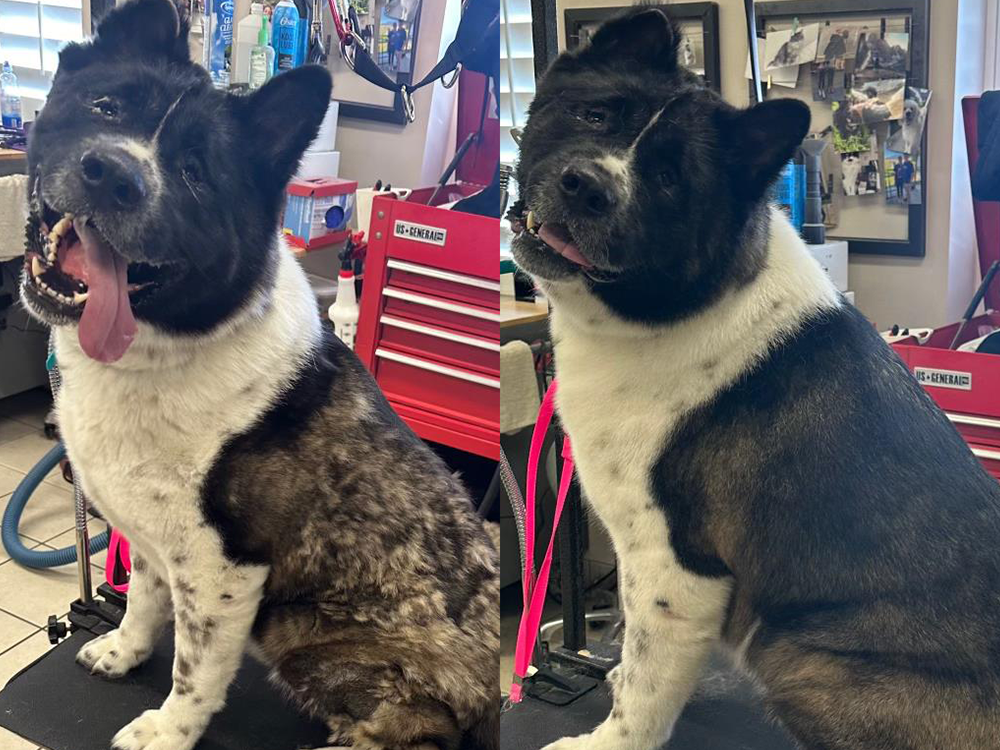
Image Source: thebarkspot.com
The Science Behind Post-Bath Shedding
Your dog’s coat is a marvel of nature, designed for protection, insulation, and even communication. It’s not static; it’s a dynamic system with hairs constantly growing, resting, and eventually falling out to be replaced by new ones. This natural cycle means that a certain amount of shedding is always occurring, even if you don’t see it.
The Shedding Cycle Explained
Dogs have different types of hair:
- Guard Hairs: These are the longer, coarser outer hairs that protect the skin from the elements and injuries.
- Undercoat Hairs: These are shorter, finer, and denser hairs closer to the skin that provide insulation.
The hair growth cycle has three main phases:
- Anagen (Growth Phase): Hair is actively growing.
- Catagen (Transition Phase): Growth stops, and the follicle prepares for shedding.
- Telogen (Resting Phase): Hair remains in the follicle but is no longer growing. Eventually, it’s pushed out by a new hair beginning its anagen phase.
Most shedding happens during the telogen phase. When you bathe your dog, the warm water and the physical act of washing and rinsing loosen hairs that were already in the telogen phase, making them fall out in greater numbers than you might observe on a dry dog. It’s like shaking a tree with ripe fruit; the gentle movement causes the fruit ready to fall to drop.
Why the Surge in Shedding After a Bath?
Several factors contribute to the noticeable increase in shedding immediately following a bath. It’s not usually a sign of distress but rather an opportune moment for loose hairs to depart.
1. Loosening of Dead Hairs
This is the primary reason. The warm water softens the skin and loosens the bond between the dead hair shaft and the hair follicle. Think of it as a gentle extraction process. The shampoo and conditioner can also help to lubricate the hair shaft, allowing it to slide out more easily.
2. Physical Agitation
The act of lathering, massaging, and rinsing your dog’s coat during a bath provides physical agitation. This movement, combined with the water flow, effectively dislodges any hairs that were already on the verge of falling out. It’s similar to how brushing works, but with the added element of water.
3. Temperature Shock (Mild)
While not a primary driver, a sudden change in temperature, especially if the water is very warm, can sometimes stimulate the skin. However, this is less significant than the physical loosening of hairs.
4. Brushing and Towel Drying
After the bath, the vigorous towel drying and any subsequent brushing are also major contributors. These actions further work to remove loose hairs that were dislodged by the washing process. You’re essentially helping to clear out the accumulated loose fur.
Common Culprits Behind Excessive Shedding After Washing Dog
While normal shedding is expected, there are times when excessive shedding after washing dog sessions can point to underlying issues. It’s important to differentiate between normal shedding and a problem.
1. Breed Predisposition
Certain breeds are genetically programmed to shed more than others. Dogs with dense undercoats, like Siberian Huskies, German Shepherds, and Golden Retrievers, are known for seasonal shedding (blowing their coat) twice a year, and baths during these periods will reveal significant shedding.
2. Seasonal Changes
Dogs often shed more during spring and fall to adjust their coats for warmer or colder weather. If you bathe your dog during these shedding seasons, you’ll naturally observe more hair loss.
3. Coat Condition
A dog’s coat health plays a crucial role.
- Dry Skin: If your dog has dry, flaky skin, the hair follicles can become weakened, leading to increased shedding, which is more apparent after a bath.
- Oily Coat: Conversely, an overly oily coat can trap dead hairs, and when the oils are washed away, these trapped hairs are released.
4. Diet and Nutrition
What your dog eats directly impacts their coat health.
- Nutritional Deficiencies: A diet lacking essential fatty acids (like Omega-3 and Omega-6), proteins, and vitamins can lead to a dull, dry coat and increased shedding.
- Poor Quality Food: Low-quality dog food often lacks the necessary nutrients to support healthy hair follicles.
5. Allergies
Allergies, whether environmental (pollen, dust mites) or food-related, can cause skin inflammation and hair loss. Bathing might temporarily exacerbate the appearance of shedding by loosening hairs weakened by the allergic reaction. Look for signs of dog allergies and shedding, such as itching, redness, or hot spots.
6. Skin Irritations and Infections
Bathing can sometimes irritate sensitive skin, especially if the wrong shampoo is used or if the dog has a pre-existing skin condition. This can lead to dog skin irritation after bath shedding. Fungal or bacterial infections can also cause inflammation and hair loss.
7. Stress or Anxiety
While less common, significant stress can sometimes lead to increased shedding in dogs. If your dog is particularly anxious about baths, the stress combined with the physical process might contribute to more hair loss.
8. Incorrect Grooming Products
Using harsh shampoos or conditioners not designed for dogs can strip natural oils, leading to dry, brittle hair and increased shedding. Some products can also leave residue that irritates the skin.
Managing Post-Bath Shedding: Effective Dog Grooming Shedding Tips
The good news is that you can manage and reduce excessive shedding, especially around bath time. Implementing the right dog grooming shedding tips is key.
1. Regular Brushing is Crucial
- Before the Bath: Dog brushing before bath shedding is paramount. Brush your dog thoroughly before their bath to remove as much loose fur as possible. This prevents these hairs from becoming matted and washed down the drain, potentially causing clogs.
- After the Bath: Once your dog is dry, brush them again. This helps to remove any remaining loose hairs and distribute natural oils, promoting a healthy coat.
- Choose the Right Brush: The type of brush depends on your dog’s coat. Slicker brushes, deshedding tools (like a Furminator), pin brushes, and bristle brushes all have their uses.
2. The Importance of a Good Bathing Routine
- Frequency: Don’t over-bathe your dog. Bathing too frequently can strip the coat of its natural oils, leading to dryness and increased shedding. Most dogs only need a bath every 4-6 weeks, or when they are visibly dirty or smelly.
- Shampoo and Conditioner: Use a high-quality, gentle dog-specific shampoo and conditioner. Look for products containing oatmeal, aloe vera, or other moisturizing ingredients. There are also specific dog deshedding treatment shampoos and conditioners available that can help loosen and remove loose undercoat hairs more effectively.
3. Thorough Rinsing
Ensure you rinse out all shampoo and conditioner residue. Leftover product can irritate the skin and cause dryness, contributing to shedding.
4. Proper Drying Techniques
- Towel Drying: Gently pat and squeeze your dog’s coat with absorbent towels. Avoid vigorous rubbing, which can tangle and break hair.
- Blow Drying: If your dog tolerates it, a dog-specific blow dryer on a cool or low-heat setting can be effective. Keep the dryer moving and at a safe distance to prevent overheating the skin. This can also help to blow out loose fur.
5. Regular Deshedding Treatments
Beyond regular brushing, consider periodic dog deshedding treatment sessions. These can involve specialized tools and techniques designed to remove large amounts of loose undercoat. Many professional groomers offer these services.
Diet and Hydration: Fueling a Healthy Coat
Your dog’s internal health is directly reflected in their coat. Addressing dog diet and shedding is essential.
1. High-Quality Diet
- Balanced Nutrition: Ensure your dog is on a high-quality, well-balanced diet that is appropriate for their age, breed, and activity level.
- Essential Fatty Acids: Look for foods rich in Omega-3 and Omega-6 fatty acids. These are crucial for skin and coat health. If your dog’s food is lacking, consider supplements after consulting your veterinarian.
2. Hydration
Adequate water intake is vital for overall health, including skin and coat hydration. Ensure your dog always has access to fresh, clean water.
Addressing Underlying Health Issues
If you suspect your dog’s shedding is more than normal, it’s time to consult your veterinarian.
1. Allergies and Skin Conditions
Your vet can help diagnose and treat allergies or skin infections. This might involve allergy testing, dietary changes, topical treatments, or medications. Treating the underlying cause of dog skin irritation after bath shedding is crucial.
2. Parasite Control
Fleas, ticks, and mites can cause significant skin irritation and hair loss. Ensure your dog is on a regular parasite prevention program.
3. Hormonal Imbalances
Certain hormonal conditions can affect coat quality and cause shedding. Your vet can perform tests to check for these.
Shedding and Different Coat Types
The amount and appearance of shedding can vary significantly based on your dog’s breed and coat type.
Double-Coated Breeds
Breeds like Samoyeds, Alaskan Malamutes, and Chow Chows have dense double coats. They typically shed heavily twice a year (blowing their coat) and moderately year-round. Baths during peak shedding periods will undoubtedly yield a large amount of hair.
Single-Coated Breeds
Breeds like Poodles, Bichon Frises, and Portuguese Water Dogs have a single coat that typically doesn’t shed much. Instead, their hair grows continuously and can become matted if not groomed regularly. Baths might not result in noticeable shedding, but matting can become more apparent.
Wirehaired Breeds
Breeds like Scottish Terriers and Wirehaired Pointing Griffons have a wiry outer coat and a softer undercoat. They often require hand-stripping or clipping to maintain coat texture and manage shedding.
Practical Ways to Handle Shedding Around the House
While managing shedding during baths is one aspect, dealing with it daily is another.
- Invest in a Good Vacuum Cleaner: A vacuum designed for pet hair can make a significant difference.
- Lint Rollers: Keep lint rollers handy for quick clean-ups on clothes and furniture.
- Protective Covers: Use washable covers on furniture and car seats where your dog likes to relax.
- Regular Grooming Schedule: Sticking to a consistent grooming routine, including brushing between baths, will help control loose hair.
When to Worry About Dog Hair Loss After Bath
While some shedding is normal, there are signs that indicate a problem:
- Bald Patches: If you notice significant bald spots or thinning fur that wasn’t there before.
- Skin Issues: Redness, inflammation, sores, excessive scratching, or a foul odor from the skin.
- Changes in Coat Texture: If the coat becomes unusually brittle, greasy, or dull.
- Lethargy or Poor Health: Shedding can sometimes be a symptom of an underlying illness.
If you observe any of these signs, it’s crucial to consult your veterinarian. They can help determine if the dog hair loss after bath is a symptom of a larger health concern.
Frequently Asked Questions (FAQ)
Q1: Is it normal for my dog to shed a lot after a bath?
A1: Yes, it is quite normal for dogs to shed more after a bath. The warm water and the physical act of washing and rinsing loosen hairs that were already in the resting phase of their growth cycle, making them easier to dislodge.
Q2: How often should I bathe my dog to manage shedding?
A2: Over-bathing can strip natural oils and worsen shedding. Most dogs benefit from a bath every 4-6 weeks, or as needed. Regular brushing between baths is more effective for shedding control.
Q3: What are the best dog grooming shedding tips to reduce hair loss after bathing?
A3: Prioritize brushing before and after the bath, use a gentle, dog-specific shampoo and conditioner, rinse thoroughly, and dry gently. Consider using a deshedding tool or shampoo as part of your routine.
Q4: Can my dog’s diet affect shedding after a bath?
A4: Absolutely. A diet lacking essential nutrients, especially fatty acids like Omega-3 and Omega-6, can lead to poor coat health and increased shedding, which will be more noticeable after a bath. Ensure your dog is eating a high-quality, balanced diet.
Q5: What if my dog seems to have dog skin irritation after bath shedding?
A5: If you notice redness, itching, or sores after a bath, it could indicate skin irritation. Use a hypoallergenic, gentle shampoo. If irritation persists, consult your veterinarian, as it could be an allergic reaction or a skin condition.
Q6: Are there specific dog deshedding treatments I should consider?
A6: Yes, professional groomers offer specialized deshedding treatments that use specific tools and techniques to remove loose undercoat. You can also find deshedding shampoos and conditioners that can be used at home.
Q7: My dog has allergies and is shedding a lot. How does bathing affect this?
A7: Allergies can weaken hair follicles and cause skin inflammation, leading to increased shedding. Bathing might temporarily loosen these already weakened hairs. It’s essential to manage the underlying allergies with veterinary guidance, and bathing with a medicated shampoo (as recommended by your vet) can sometimes help soothe irritated skin.
Q8: What is the significance of dog brushing before bath shedding?
A8: Brushing your dog before a bath is critical for removing loose fur. This prevents the loose hairs from clumping together when wet, which can lead to mats and make the shedding appear worse during and after the bath. It also reduces the amount of hair that goes down your drain.
By implementing these strategies and paying attention to your dog’s overall health, you can effectively manage shedding and ensure your furry friend has a healthy, beautiful coat, even after bath time.