
Does your furry friend occasionally leave a puddle on your favorite pillow or comforter? This can be a frustrating and confusing situation for any pet owner. Typically, dogs pee in beds for behavioral reasons, though medical issues can also be culprits. This guide will delve into the common causes and provide expert solutions for dog toileting problems, focusing on house training accidents and other behavioral reasons for peeing.
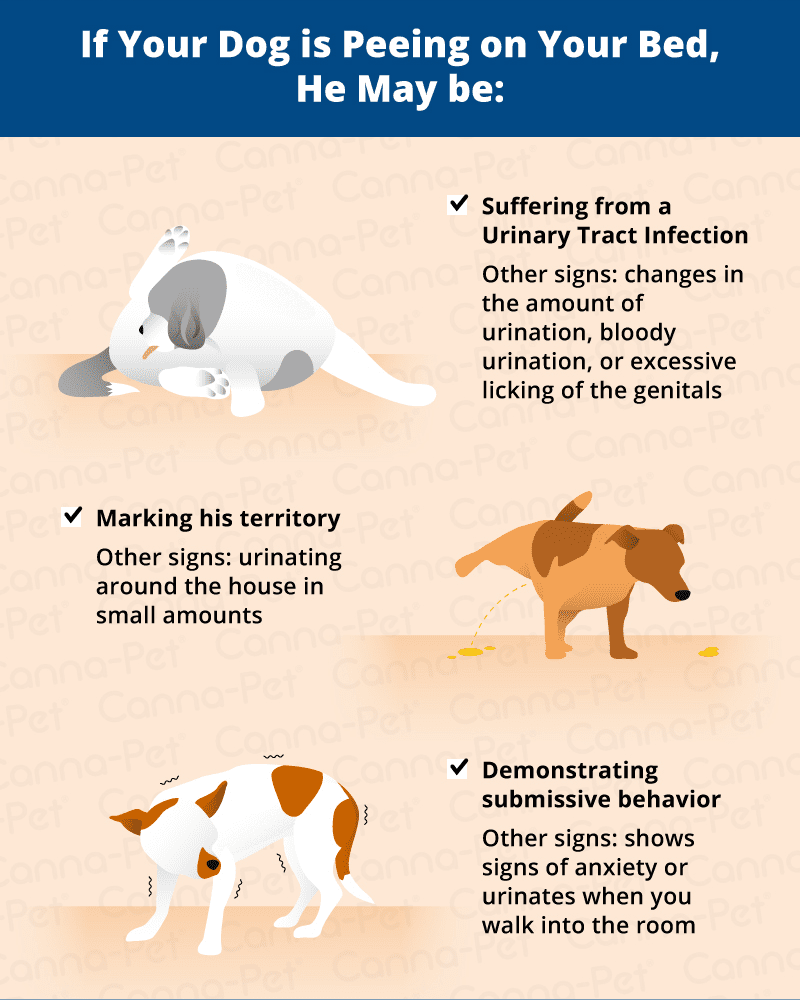
Image Source: cdn-ilbfemn.nitrocdn.com
Fathoming the Reasons: Decoding Your Dog’s Bed Peeing
When your dog chooses your bed as a potty spot, it’s rarely an act of spite. Instead, it’s usually a signal that something is amiss. Let’s explore the multifaceted reasons behind this unwelcome behavior.
House Training Accidents and Puppy Urination
For puppies, peeing in the bed is often a direct result of incomplete house training. Their bladders are small, and they haven’t yet learned the cues to signal when they need to go outside.
- Inexperience: Puppies simply don’t have the bladder control of adult dogs. They might have an accident anywhere, including the bed, simply because they can’t hold it.
- Lack of Consistency: If house training isn’t consistent, a puppy can become confused about where it’s acceptable to relieve itself.
- Submissive Urination: Younger dogs, especially, might pee when they feel overwhelmed, excited, or submissive. If they’re greeted with a lot of enthusiasm or scolded harshly, they might urinate on the bed as a response.
Dog Marking Territory
Dogs, particularly intact males, may mark their territory with urine. Your bed, being a prime piece of real estate in your home and strongly scented with your presence, can become a target for this natural instinct.
- Intact Males: Unaltered male dogs are more prone to marking, but females can mark too, especially when they are in heat.
- New Stimuli: The introduction of a new pet, a new person in the household, or even visitors can trigger territorial marking. Your bed, smelling of its primary occupant (you!), is a significant marker.
- Anxiety or Stress: Sometimes, marking can be a response to stress or anxiety. The dog is trying to reassure itself by leaving its scent in a familiar and comforting place.
Behavioral Reasons for Peeing
Beyond territorial marking, several other canine behavior issues can lead to bed peeing.
- Separation Anxiety: Dogs suffering from separation anxiety can experience extreme distress when left alone. Peeing or pooping in the owner’s bed is a common coping mechanism, as the scent of the owner is strongest there. This can also manifest as destructive behavior or excessive barking.
- Excitement or Greeting: Some dogs, particularly younger ones or those prone to excitement, may pee a little when greeting their owners or guests. This is often called “excitement urination.”
- Fear or Phobias: Loud noises like thunderstorms or fireworks can trigger fear in dogs. They might seek comfort in their owner’s bed and urinate out of fear.
- Seeking Attention: While less common, some dogs may learn that peeing in the bed gets them a lot of attention from their owners, even if it’s negative attention.
Medical Causes for Peeing
It’s crucial to rule out medical conditions first, as they can mimic behavioral issues. Incontinence in dogs is a common medical cause.
- Urinary Tract Infections (UTIs): UTIs can cause increased frequency, urgency, and pain when urinating, leading to accidents.
- Bladder Stones or Crystals: These can irritate the bladder and cause discomfort, leading to leaking or sudden urges.
- Kidney Disease: Impaired kidney function can lead to increased thirst and urination, making it harder for a dog to hold it.
- Diabetes: Similar to kidney disease, diabetes can cause increased urination.
- Cushing’s Disease: This hormonal disorder can also lead to increased thirst and urination.
- Cognitive Dysfunction (Dementia): Older dogs can develop cognitive dysfunction, similar to Alzheimer’s in humans. This can lead to confusion, disorientation, and loss of house training.
- Nerve Damage: Spinal injuries or other nerve damage can affect bladder control.
- Prostate Problems: In male dogs, enlarged prostate or prostatitis can cause difficulty urinating and increased frequency.
- Incontinence: This is more common in spayed female dogs due to hormonal changes, but it can occur in any dog due to aging or other medical issues.
When to See the Vet: If your dog suddenly starts peeing in the bed, especially if they were previously well-house-trained, a vet visit is paramount. Look for other symptoms like straining, increased thirst, lethargy, or changes in appetite.
Expert Tips for Stopping Bed Peeing
Once the cause is identified, you can implement targeted strategies to resolve the issue.
Addressing House Training Accidents and Puppy Urination
Effective dog house training is key to preventing accidents.
- Frequent Potty Breaks: Take your puppy or dog out frequently, especially after waking up, after meals, and before bedtime.
- Positive Reinforcement: Praise and reward your dog enthusiastically when they eliminate outside. Use high-value treats.
- Supervision: Keep a close eye on your dog indoors. If you see them circling or sniffing the ground, immediately take them outside.
- Crate Training: A crate can be a valuable tool. Dogs are naturally reluctant to soil their sleeping area. Ensure the crate is the right size – not too big, not too small.
- Clean Up Thoroughly: Use an enzymatic cleaner to completely remove the scent of urine from the bed. Regular cleaners may mask the smell for humans but not for dogs.
Managing Dog Marking Territory
If marking is the culprit, focus on reducing the triggers and reinforcing good behavior.
- Spay/Neuter: Neutering male dogs often significantly reduces marking behavior. Spaying can help with marking in females.
- Identify and Remove Triggers: If a new pet or person is the cause, gradually introduce them and supervise interactions.
- Clean Thoroughly: Again, enzymatic cleaners are your best friend here to eliminate all scent markers.
- Discourage Vertical Surfaces: If your dog is marking furniture, consider temporarily covering these surfaces or making them less appealing.
Resolving Behavioral Reasons for Peeing
This is where patience and consistent training come in.
Tackling Separation Anxiety
- Desensitization and Counter-Conditioning: Gradually accustom your dog to being alone for short periods, pairing your departure with positive things like a long-lasting chew toy.
- Exercise and Mental Stimulation: A tired dog is a good dog. Ensure your dog gets plenty of physical and mental exercise before you leave.
- Calm Departures and Arrivals: Avoid making a big fuss when you leave or return. Keep your greetings calm and low-key until your dog has settled.
- Professional Help: For severe separation anxiety, consult a certified applied animal behaviorist or a veterinary behaviorist.
Dealing with Excitement or Greeting Urination
- Ignore the Behavior: When you arrive home, ignore your dog until they have calmed down and are not exhibiting excited urination. Once they are calm, greet them.
- Manage Greetings: Ask visitors to also ignore your dog until they are calm.
- Practice Calm Greetings: Practice calm greetings when you arrive home. Have your dog sit before receiving attention.
Alleviating Fear or Phobias
- Create a Safe Space: Provide a comfortable, safe den-like area for your dog during stressful events.
- Counter-Conditioning: Associate the trigger (e.g., thunder sounds) with positive experiences (treats, praise) at a low intensity. Gradually increase the intensity as your dog becomes more comfortable.
- Consult a Professional: A veterinary behaviorist can offer specialized advice and may recommend calming aids or medication.
Redirecting Attention-Seeking Peeing
- Ignore the Peeing: Do not give your dog attention when they pee in the bed. Instead, clean it up without fuss.
- Provide Positive Attention: Give your dog plenty of positive attention at other times when they are behaving well.
- Enrichment: Ensure your dog has enough physical and mental stimulation to prevent boredom and the need to seek attention through negative behaviors.
Supporting Medical Causes for Peeing
If a medical condition is suspected, veterinary intervention is essential.
- Veterinary Diagnosis: Your vet will perform physical examinations, blood tests, and urine analysis to pinpoint the cause.
- Treatment Plan: Treatment will depend on the diagnosis. This could include antibiotics for UTIs, surgery for bladder stones, medication for hormonal imbalances, or specialized diets.
- Management Strategies: For conditions like incontinence, management strategies might include medication, special diets, or absorbent products.
Essential Tools and Techniques
Having the right tools can make a significant difference in managing and resolving bed peeing issues.
Enzymatic Cleaners
These cleaners contain enzymes that break down the organic molecules in urine, eliminating the odor completely. This is crucial for preventing your dog from being attracted back to the same spot.
- How to Use: Saturate the soiled area, let it sit for the recommended time, and then blot or rinse. Always test in an inconspicuous area first.
Waterproof Bed Protectors
These can save your mattress and bedding from further damage and make cleanup much easier.
- Types: Look for breathable yet waterproof protectors that fit securely over your mattress.
Crate Training
As mentioned, a crate can be instrumental in house training and preventing accidents when you can’t supervise directly.
- Size Matters: The crate should be just large enough for your dog to stand up, turn around, and lie down comfortably. Too much space can encourage them to use one end as a potty area.
Positive Reinforcement Tools
- High-Value Treats: Small, tasty treats that your dog loves can be powerful motivators for good behavior.
- Clicker Training: A clicker can be used to mark desired behaviors immediately, followed by a treat.
Prevention is Key
The best approach to dog toileting problems is prevention.
- Early Socialization and Training: Expose your puppy to various experiences and start house training immediately.
- Consistent Routine: Dogs thrive on routine. Regular feeding and potty schedules help them learn when to expect to go outside.
- Adequate Exercise and Mental Stimulation: Boredom and pent-up energy can lead to problem behaviors. Ensure your dog is getting enough physical activity and mental engagement through puzzle toys, training sessions, and interactive play.
- Regular Vet Check-ups: Annual or semi-annual check-ups can help catch medical issues early.
Specific Scenarios and Solutions
Let’s look at a few common scenarios and how to address them.
Scenario 1: Puppy Pees on the Bed When Left Alone
Cause: Likely separation anxiety or incomplete house training.
Solution:
- Gradual Acclimation: Start with very short absences.
- Enrichment: Leave puzzle toys or stuffed Kongs to keep the puppy occupied.
- Safe Space: Ensure the puppy has a comfortable den-like area outside the bedroom if they are not allowed in the bed when you are home.
- Consult a Vet/Behaviorist: If anxiety is suspected, professional guidance is recommended.
Scenario 2: Adult Dog Starts Peeing in the Bed After a New Pet Arrives
Cause: Territorial marking or stress due to the new addition.
Solution:
- Supervised Introductions: Ensure introductions to the new pet are calm and positive.
- Separate Resources: Give each dog their own food bowls, water bowls, and resting spots initially.
- Reinforce Good Behavior: Reward your existing dog for calm behavior around the new pet.
- Enzymatic Cleaning: Thoroughly clean any accidents with an enzymatic cleaner.
Scenario 3: Older Dog Begins Having Accidents in the Bed
Cause: Could be cognitive dysfunction, incontinence, or an underlying medical condition.
Solution:
- Vet Visit is Crucial: Rule out medical causes first.
- Comfortable Access: Ensure the dog can easily get on and off the bed if mobility is an issue.
- Potty Pads: Consider placing potty pads near the bed for easy access during the night.
- Nighttime Potty Breaks: Increase nighttime potty breaks.
Frequently Asked Questions (FAQ)
Q1: Is my dog peeing on my bed to punish me?
A1: Dogs do not have the capacity for spite or punishment in the way humans do. Peeing in the bed is almost always a result of an unmet need, stress, medical issue, or lack of training.
Q2: How do I get the smell of urine out of my dog’s bed?
A2: Use a high-quality enzymatic cleaner specifically designed for pet urine. Follow the product instructions carefully, ensuring the entire affected area is saturated. You may need multiple treatments. Wash bedding in hot water with an enzyme-based laundry booster.
Q3: My dog is peeing in my bed, but only when I’m home. What does this mean?
A3: This could indicate excitement urination, submissive urination, or a form of attention-seeking behavior. It’s essential to identify the specific trigger (e.g., when you first come home, when you sit on the bed) and address it with appropriate training and management techniques.
Q4: Can I use regular household cleaners for urine accidents?
A4: While regular cleaners might remove surface dirt, they won’t break down the urine molecules that attract dogs back to the same spot. Always opt for enzymatic cleaners for pet urine.
Q5: My dog is house-trained but still pees on my bed. Why?
A5: This suggests the issue is likely not a lack of house training but rather a behavioral or medical problem. Revisit the potential causes like separation anxiety, territorial marking, excitement, or underlying health concerns. A vet check is highly recommended in this situation.
By systematically investigating the potential causes and implementing consistent, positive training strategies, you can help your canine companion overcome the habit of peeing in your bed and restore peace to your sleeping arrangements. Remember, patience and a thorough approach are key to resolving dog toileting problems.