
When your dog starts acting strangely and frequently looking around, it can be a perplexing and even worrying experience for any pet parent. This unusual behavior often stems from a combination of factors, including environmental stimuli, underlying medical issues, or emotional states like anxiety and fear. The good news is that by carefully observing your dog and understanding the potential causes, you can take steps to help your canine companion feel more at ease and return to their normal, happy self.
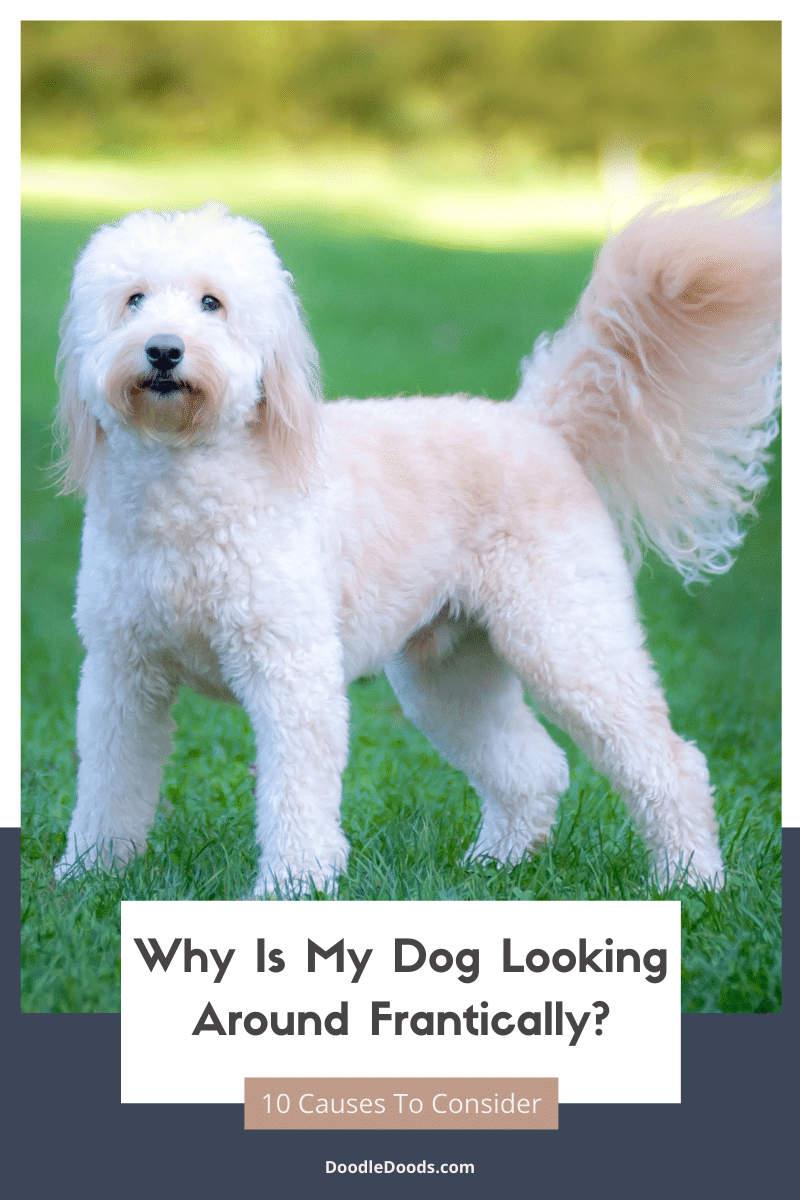
Image Source: doodledoods.com
Deciphering the Gaze: What’s Behind Your Dog’s Looking Around?
Your dog’s world is a rich tapestry of smells, sounds, and sights that are far more intense than ours. When they frequently stop, cock their head, and scan their surroundings, they are processing information. This can be a completely normal part of canine behavior. However, when this becomes a prominent and persistent habit, it signals that something might be prompting this increased vigilance.
Normal Canine Vigilance vs. Concerning Behavior
It’s important to distinguish between natural canine curiosity and behavior that suggests an underlying problem.
- Normal Vigilance: Dogs are naturally attuned to their environment. A sudden sound, a fleeting shadow, or an interesting smell can all cause them to pause and look. This is their way of gathering information and assessing potential threats or opportunities.
- Concerning Behavior: When this looking around is accompanied by other signs, such as panting, restlessness, dilated pupils, tail tucking, or a general air of distress, it suggests a deeper issue at play. It might indicate anxiety, fear, or even a medical condition.
Common Triggers for Looking Around
Several factors can contribute to your dog’s habit of constantly scanning their environment.
Sensory Input and Environmental Factors
Dogs rely heavily on their senses, and what might seem insignificant to us can be a major event for them.
- Heightened Hearing: A dog’s hearing is far more sensitive than ours. They can detect sounds at much higher frequencies and from greater distances. The hum of appliances, distant sirens, or even sounds from neighboring properties can capture their attention.
- Sharp Sense of Smell: Their olfactory abilities are also extraordinary. They can detect scents that are undetectable to humans, and a new or intriguing smell can cause them to pause and investigate.
- Visual Cues: Moving objects outside the window, flickering lights, or even changes in light can draw their attention.
- Changes in Routine: Even subtle shifts in your household’s daily schedule can make a dog feel unsettled, prompting them to be more watchful.
Emotional and Psychological States
Your dog’s internal state plays a significant role in their behavior.
- Anxiety: This is a very common reason for dogs to exhibit this kind of behavior. General anxiety can make them hypervigilant, constantly scanning for potential threats. This might be due to separation anxiety, generalized anxiety, or specific phobias.
- Fear: Similar to anxiety, fear can trigger a fight-or-flight response, leading to increased scanning of the environment to assess danger. Past negative experiences can also contribute to a heightened sense of caution.
- Stress: Prolonged stress can manifest in many ways, including restlessness and a constant need to be aware of their surroundings. This can be triggered by a new pet, a change in living situation, or even loud noises.
- Nervous Habits: In some cases, looking around can become a learned nervous habit, particularly if it was initially a response to stress or anxiety and has become ingrained.
Medical Conditions
It’s crucial to remember that physical well-being directly impacts behavior.
- Cognitive Dysfunction (Canine Alzheimer’s): Older dogs can develop cognitive dysfunction, similar to Alzheimer’s in humans. Symptoms can include disorientation, changes in sleep patterns, house-soiling, and increased vigilance or scanning of their surroundings.
- Vision or Hearing Impairment: As dogs age, their senses can decline. A dog with impaired vision might look around more to try and compensate for what they can’t see clearly, while a dog with hearing loss might try to lip-read or rely more on visual cues.
- Neurological Issues: Certain neurological conditions can affect a dog’s perception of their environment and lead to unusual behavior.
- Pain or Discomfort: A dog experiencing pain might be restless and constantly shifting, looking around as if searching for relief or a more comfortable position.
- Vestibular System Issues: Problems with the inner ear can cause dizziness and disorientation, leading to a dog looking around as if they are trying to stabilize themselves.
Identifying the Root Cause: A Step-by-Step Approach
To effectively address your dog’s behavior, you need to pinpoint what’s causing it. This involves careful observation and a systematic approach.
H3: Observing Your Dog’s Behavior
What exactly does “acting weird and looking around” look like for your dog? Be specific in your observations.
- When does it happen? Is it at specific times of day, in particular locations, or when certain people are around?
- What are the accompanying behaviors? Note any other changes like panting, vocalizing, pacing, tail position, ear position, or body posture.
- Is there a pattern? Does it seem linked to specific sounds, sights, or events?
- How long does it last? Is it a brief pause or a prolonged period of vigilance?
H4: Environmental Factors to Consider
Your dog’s immediate surroundings can offer significant clues.
- New Surroundings: Have you recently moved or introduced new furniture?
- Changes in the Household: Is there a new pet, a new baby, or a visitor?
- Noise Levels: Are there ongoing construction projects, loud neighbors, or frequent fireworks?
- Changes in Your Schedule: Have your work hours changed, or has someone new started staying at your home?
H5: Emotional Indicators to Watch For
Your dog’s emotional state is a primary driver of behavior.
- Signs of Anxiety: Excessive panting, drooling, lip licking, yawning when not tired, pacing, trembling, seeking excessive reassurance, or destructive behavior when left alone.
- Signs of Fear: Tail tucked, ears pinned back, cowering, trying to hide, dilated pupils, vocalizing (whining, growling), or freezing.
- Signs of Stress: Restlessness, excessive grooming, digestive upset, changes in appetite, or avoidance of interaction.
H5: Potential Medical Red Flags
Never rule out a health issue.
- Age: Older dogs are more prone to cognitive dysfunction and sensory decline.
- Sudden Onset: If the behavior is new and has appeared suddenly, a medical cause is more likely.
- Other Physical Symptoms: Lethargy, loss of appetite, vomiting, diarrhea, or changes in mobility can indicate an underlying illness.
Addressing the Behavior: Practical Solutions
Once you have a better idea of the potential causes, you can begin implementing solutions.
H3: Managing Environmental Triggers
Modifying your dog’s environment can significantly reduce stress and anxiety.
- Create a Safe Haven: Provide a comfortable, quiet space like a crate or a dedicated bed where your dog can retreat when feeling overwhelmed.
- Sound Masking: Use white noise machines, calming music designed for dogs, or fans to help mask unsettling external sounds.
- Window Coverings: If outside stimuli are a major trigger, consider using curtains or blinds to limit visual access.
- Routine and Predictability: Maintain a consistent feeding schedule, exercise routine, and bedtime. This predictability can be very reassuring for anxious dogs.
H4: Behavioral Modification Techniques
Behavior modification can help your dog learn to cope with triggers and reduce nervous habits.
- Desensitization and Counter-Conditioning (DSCC): This involves gradually exposing your dog to a trigger at a low intensity while pairing it with something positive, like treats or praise. For example, if your dog looks around at the sound of the doorbell, you can start by ringing it very softly while giving them a treat, slowly increasing the volume as they become more comfortable.
- Positive Reinforcement: Reward calm behavior. When your dog is relaxed and not scanning their environment, offer praise, gentle petting, or a small treat.
- Distraction: If you notice your dog starting to scan, try to redirect their attention with a favorite toy, a training exercise, or a brief play session.
H5: Addressing Anxiety and Fear
These emotional states require a compassionate and consistent approach.
- Calming Aids: Discuss with your veterinarian the potential benefits of natural calming supplements, pheromone diffusers (like Adaptil), or calming treats.
- Professional Guidance: For severe anxiety or fear, consult a certified professional dog trainer or a veterinary behaviorist. They can develop a tailored behavior modification plan and, if necessary, discuss medication options.
- Avoid Punishment: Punishing a dog for displaying anxiety or fear will only exacerbate the problem and can erode trust.
H5: When to Seek Veterinary Attention
Your veterinarian is your most important resource.
- Rule Out Medical Conditions: Any sudden or significant behavioral changes warrant a veterinary check-up. They can perform physical exams, blood tests, and other diagnostics to rule out underlying illnesses.
- Discuss Age-Related Changes: If your dog is older, discuss potential cognitive dysfunction or sensory impairments with your vet.
- Medication Options: For certain conditions, such as severe anxiety or neurological issues, medication prescribed by your vet can be a crucial part of the treatment plan.
Table: Common Triggers and Potential Solutions
| Trigger Type | Specific Examples | Potential Solutions |
|---|---|---|
| Sensory Overload | Loud noises (traffic, construction), strong smells | White noise machines, calming music, soundproof crates, limit exposure to noisy areas. |
| Environmental Changes | New home, new furniture, visitors, new pet | Create a safe space, gradual introductions to new stimuli, maintain routine, positive reinforcement for calm behavior. |
| Anxiety & Fear | Separation anxiety, thunderstorms, fireworks, strangers | DSCC, positive reinforcement, calming aids (pheromones, supplements), professional behavior modification, safe haven, avoid punishment. |
| Medical Conditions | Cognitive dysfunction, pain, vision/hearing loss | Veterinary check-up, neurological exam, pain management, specialized diets, medication. |
| Nervous Habits | Excessive licking, pacing, repetitive looking | Identify underlying stress or anxiety, redirect behavior, positive reinforcement for calm behavior, enrichment activities. |
| Lack of Stimulation | Boredom, insufficient mental or physical exercise | Increased exercise, puzzle toys, training sessions, interactive play, scent games. |
| Changes in Routine | Altered feeding or exercise times, owner absence | Maintain a predictable schedule, provide mental stimulation during owner absence, gradual adjustment to new schedules. |
Frequently Asked Questions (FAQ)
Q1: Why does my dog look around constantly when I’m petting them?
This could indicate that your dog is feeling anxious or is easily startled. They might be scanning for potential threats or anticipating something else to happen. Try to identify what might be causing this unease. Are there any sounds or sights that coincide with this behavior? Gently reassure them and offer a calming presence. If it persists, consider environmental adjustments or professional advice.
Q2: My dog used to be calm but now looks around a lot. What changed?
A sudden change in behavior often points to an underlying cause. It could be stress from a recent event, a new environmental trigger, a developing medical condition, or even cognitive dysfunction if your dog is older. A thorough veterinary examination is highly recommended to rule out any health issues.
Q3: Can my dog’s diet affect their behavior?
Yes, absolutely. A balanced diet is essential for overall health, and nutritional deficiencies or sensitivities can sometimes contribute to behavioral issues like anxiety or restlessness. If you suspect diet might be a factor, consult your veterinarian about appropriate food choices for your dog.
Q4: Is it normal for puppies to look around a lot?
Puppies are naturally curious and are constantly learning about their world. It’s normal for them to be very observant and reactive to new stimuli. However, if a puppy seems excessively fearful, anxious, or shows other signs of distress while looking around, it’s worth discussing with your veterinarian or a positive reinforcement trainer to ensure they are developing good coping mechanisms.
Q5: How can I help my dog if they have sensory overload?
To help a dog experiencing sensory overload, create a calm and predictable environment. Minimize loud noises and bright lights. Offer a safe, quiet space where they can retreat. Slow introductions to new environments or stimuli are also beneficial. Consider using calming aids like pheromone diffusers or specialized calming music. If the sensory overload is significant, professional guidance from a veterinary behaviorist is advised.
By remaining observant, proactive, and seeking professional help when needed, you can help your dog navigate their world with more confidence and less unease, ensuring a happier and healthier life together.