
Your dog biting her nails can be a puzzling and sometimes concerning behavior. Dogs bite their nails primarily due to discomfort, pain, or anxiety, which can stem from various underlying issues. This behavior, often observed as dog nail biting causes, can range from a simple grooming habit to a sign of a more serious medical or psychological problem. If you notice your dog biting her nails, especially if it’s excessive or causing injury, it’s important to investigate the root cause to ensure your furry friend’s well-being. This comprehensive guide will delve into the various reasons behind this behavior, offering insights for dog owners.
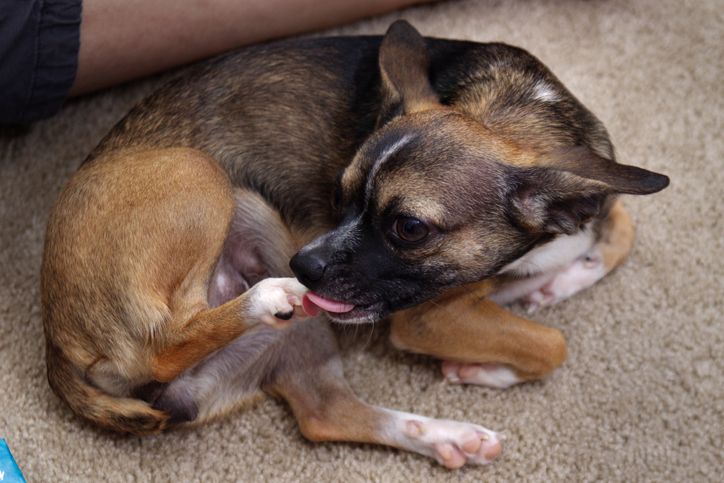
Image Source: cdn.whole-dog-journal.com
Common Reasons for Dog Nail Biting
When your dog starts biting her nails, it’s often a signal that something isn’t quite right. The most frequent culprits behind dog chewing paws and nail biting are physical discomfort or psychological distress. Let’s break down the primary categories.
Physical Discomfort and Medical Issues
One of the most common reasons a dog might bite its nails is related to physical discomfort in the paws or nails themselves. This can manifest as dog paw irritation, leading the dog to try and alleviate the sensation.
Nail Overgrowth and Ingrown Nails
Overgrown nails are a frequent cause of discomfort. When nails get too long, they can:
- Press into the paw pads: This causes pain and can alter a dog’s gait, making them walk awkwardly.
- Curl and grow into the paw: This is known as an ingrown nail. It’s incredibly painful, can cause infection, and leads to significant dog paw licking behavior and biting to try and dislodge the offending nail.
- Break or chip: A broken nail can be sharp, expose the quick (the sensitive part of the nail containing blood vessels and nerves), and be very painful.
Regular nail trims are crucial to prevent these issues. If your dog has severely overgrown or ingrown nails, you may notice them favoring a paw or yelping when the paw is touched.
Paw Pad Issues
Problems with the paw pads themselves can also trigger nail biting. This includes:
- Cuts and abrasions: Walking on rough surfaces, sharp objects, or even rough terrain can cause small cuts or scrapes on the paw pads.
- Blisters: Certain conditions or irritants can cause blisters on the paw pads.
- Dry, cracked paw pads: Similar to human hands, a dog’s paw pads can become dry and cracked, leading to discomfort and itching.
- Foreign objects: Small pebbles, thorns, or bits of glass can get lodged between the paw pads or under the nail, causing irritation.
If your dog is biting its nails and you notice redness, swelling, or a foreign object, this is a strong indicator of a physical issue.
Infections
Bacterial or fungal infections can affect both the nails and the surrounding skin. These infections can cause itching, pain, and inflammation, prompting your dog to chew at the affected area.
- Bacterial infections: Often result from cuts or abrasms that become infected.
- Fungal infections: Such as yeast infections, can thrive in moist environments, often between the toes.
- Parasitic infections: Mites or other parasites can infest the paws and cause intense itching.
Signs of infection might include redness, swelling, discharge, a foul odor, and excessive licking or chewing.
Allergies
Allergies are a significant cause of itchiness in dogs, and paws are a common site for allergic reactions. This can lead to dog licking nails excessively and biting.
- Environmental allergies: Pollen, dust mites, mold, and grasses can all trigger allergic responses, causing itchy paws.
- Food allergies: Certain ingredients in your dog’s diet can cause systemic itching, often manifesting on the paws, ears, and face.
When a dog with allergies experiences itchy paws, they may resort to licking and chewing to find relief. This constant attention to the area can sometimes lead to nail biting.
Arthritis and Joint Pain
For older dogs or those with orthopedic issues, arthritis or general joint pain in the paws, legs, or even hips can cause them to chew at their nails or paws. The discomfort might be generalized, and they may focus their attention on their paws as a way to cope with the pain.
- Localized pain: If a specific joint in the toe or paw is painful, the dog might chew that area.
- Referred pain: Sometimes, pain in a different part of the leg or body can lead to excessive licking or chewing of the paws.
You might notice your dog licking or chewing more after exercise or when they are resting.
Injuries to the Paws or Nails
Direct injuries can cause immediate pain and lead to chewing. This could include:
- Stubbed toes: An accidental bump can injure a toe or nail.
- Trauma: A crush injury to the paw, perhaps from being stepped on or caught in something.
- Burns: From hot pavements in the summer or chemicals.
Any sudden injury will likely result in a dog trying to soothe the area with its mouth.
Behavioral and Psychological Causes
Beyond physical ailments, psychological factors play a significant role in why do dogs bite their nails. When dogs engage in this behavior for behavioral reasons, it’s often categorized as a compulsive or obsessive habit.
Anxiety and Stress
Dogs, much like humans, can develop coping mechanisms for anxiety and stress. Nail biting can become a self-soothing behavior.
- Separation anxiety: When left alone, dogs with separation anxiety can become highly distressed, leading to destructive behaviors, including excessive chewing of their paws and nails.
- Fear: Loud noises (fireworks, thunderstorms), unfamiliar environments, or negative past experiences can trigger fear and anxiety.
- Changes in routine: Moving to a new home, the arrival of a new pet or baby, or a change in the owner’s schedule can cause stress.
If your dog’s nail biting is accompanied by other signs of anxiety such as panting, pacing, whining, or destructive behavior, anxiety is a likely culprit.
Boredom and Lack of Stimulation
A dog that isn’t receiving enough physical and mental stimulation may resort to repetitive behaviors, like nail biting, to occupy itself.
- Insufficient exercise: Dogs need regular walks and opportunities to run and play.
- Lack of mental challenges: Puzzle toys, training sessions, and interactive play are vital for a dog’s mental well-being.
When bored, a dog may seek out any activity to relieve its ennui, and nail biting can become a self-rewarding behavior. This can escalate into dog compulsive nail biting if not addressed.
Attention Seeking
Some dogs learn that certain behaviors, even negative ones, get their owner’s attention. If your dog starts biting its nails and you immediately react by talking to them, petting them, or scolding them, they may associate nail biting with receiving attention.
This can be a challenging cycle to break, as any attention, positive or negative, can reinforce the behavior.
Obsessive-Compulsive Disorder (OCD)
In some cases, nail biting can be a symptom of an underlying behavioral disorder akin to OCD in humans. This involves repetitive, ritualistic behaviors that are difficult to interrupt.
- Genetic predisposition: Certain breeds may be more prone to developing compulsive disorders.
- Learned behavior: A behavior that starts for one reason (like stress) can become ingrained as a compulsion.
When the behavior is highly repetitive, difficult to distract from, and continues even when the initial trigger is gone, it may be a sign of dog obsessive nail biting.
How to Identify the Cause
Pinpointing why your dog is biting its nails requires careful observation. Start by ruling out the most common and easily identifiable causes.
Veterinary Examination
The first and most crucial step is a visit to your veterinarian. They can:
- Perform a physical examination: Checking for any obvious injuries, foreign objects, signs of infection, or skin irritation.
- Assess nail length and condition: Looking for overgrowth or ingrown nails.
- Check for parasites: Examining fur and skin for fleas, ticks, or mites.
- Discuss diet and potential allergies: Ruling out food sensitivities.
- Evaluate for underlying medical conditions: Such as arthritis or hormonal imbalances that could cause skin or paw issues.
Table 1: Symptoms to Observe for Veterinary Diagnosis
| Observed Symptom | Potential Cause | Action to Take |
|---|---|---|
| Redness, swelling, heat | Infection, irritation, allergic reaction | Vet visit for diagnosis and treatment |
| Lameness, limping | Injury, arthritis, ingrown nail | Vet visit for examination and pain management |
| Foul odor from paws | Bacterial or fungal infection | Vet visit for diagnosis and medication |
| Excessive licking | Itching (allergies, irritation), pain | Vet visit to identify and treat the source of itching/pain |
| Lethargy, disinterest in play | Pain, illness, anxiety | Vet visit for a general health check |
| Destructive behavior, pacing | Anxiety, boredom | Vet or behaviorist consultation for management strategies |
Behavioral Assessment
If the veterinarian rules out medical causes, then behavioral and psychological factors are likely at play.
- Observe the timing and context: When does the nail biting occur? Is it when you’re about to leave, during thunderstorms, when the dog is bored, or after a change in routine?
- Note other accompanying behaviors: Is your dog also showing signs of anxiety, restlessness, or depression?
- Consider your dog’s history: Has there been a recent change in their environment or routine?
What to Look For at Home
As a pet owner, you can contribute significantly to diagnosing the issue.
Visual Inspection of Paws and Nails
- Nail Length: Are the nails touching the ground when your dog stands normally?
- Nail Condition: Do any nails look broken, cracked, or discolored? Is there any redness or swelling around the nail beds?
- Paw Pads: Are they dry, cracked, or do they have any cuts, redness, or lodged debris?
- Between the Toes: Check for redness, discharge, or any foreign material.
Behavioral Patterns
- Frequency: How often does your dog bite its nails? Is it occasional or constant?
- Intensity: Does the dog chew gently or does it seem to be gnawing aggressively?
- Response to Distraction: Can your dog be easily stopped or distracted from biting its nails? If so, it might be boredom or attention-seeking. If not, it could be a deeper compulsion or pain.
Addressing Nail Biting: Solutions and Strategies
Once the cause is identified, a tailored approach can help resolve the problem.
Medical Interventions
If a medical issue is diagnosed, treatment will be directed by your veterinarian.
- Nail Trimming: Regular, professional or at-home nail trims are essential if overgrown nails are the problem. Be careful not to cut the quick, as this can cause bleeding and pain, potentially worsening the behavior.
- Medication for Infections: Antibiotics or antifungal medications will be prescribed for infections.
- Allergy Management: Antihistamines, special diets, or immunotherapy might be recommended for allergies.
- Pain Management: For arthritis or injuries, pain relievers or anti-inflammatory medications may be necessary.
- Topical Treatments: Creams or ointments can help soothe irritated or dry paw pads.
Behavioral Modification and Management
For behavioral causes, a multi-faceted approach is often required.
Managing Anxiety and Stress
- Create a Safe Space: Provide a comfortable bed or crate where your dog can retreat and feel secure.
- Desensitization and Counter-conditioning: Gradually expose your dog to triggers (like separation cues or noise) while associating them with positive experiences (treats, praise).
- Calming Aids: Consider pheromone diffusers, calming supplements (discuss with your vet), or Thundershirts.
- Consistent Routine: Predictable feeding times, walks, and play sessions can reduce anxiety.
Combating Boredom and Lack of Stimulation
- Increased Exercise: Ensure your dog gets enough daily physical activity, tailored to its breed and age.
- Mental Stimulation:
- Puzzle Toys: Food-dispensing toys can keep your dog engaged.
- Training Sessions: Short, frequent training sessions reinforce obedience and provide mental exercise.
- Nose Work: Hide treats around the house or yard for your dog to find.
- Interactive Play: Games like fetch or tug-of-war are great for bonding and stimulation.
Addressing Attention-Seeking Behavior
- Ignore the Behavior (Temporarily): If you suspect attention-seeking, try to ignore the nail biting itself. However, if the dog is harming itself, this is not advisable.
- Reward Calm Behavior: Actively praise and reward your dog when they are calm and not engaged in nail biting.
- Provide Attention at Other Times: Ensure your dog receives plenty of positive attention throughout the day for good behavior.
Tackling Compulsive Behaviors
- Interrupt and Redirect: Gently interrupt the behavior (e.g., with a soft sound or by offering a toy) and immediately redirect your dog to an alternative, acceptable activity.
- Environmental Enrichment: Make the dog’s environment more stimulating and less likely to trigger compulsive behaviors.
- Professional Help: For severe OCD, consult a certified applied animal behaviorist or a veterinary behaviorist. They can develop a comprehensive behavior modification plan, which may include medication in some cases.
The Role of Grooming and Nail Care
Proper grooming is paramount in preventing many issues that lead to nail biting.
Regular Nail Trimming
- Frequency: Most dogs need their nails trimmed every 3-4 weeks. Some may need it more often, especially if they don’t wear them down naturally through activity on rough surfaces.
- Tools: Use sharp, high-quality dog nail clippers or a rotary tool (Dremel).
- Process:
- Acclimation: Let your dog get used to the clippers and the sensation of having their paws handled. Offer treats and praise.
- Identification: Locate the quick – the pink part within the nail. Avoid cutting this as it contains nerves and blood vessels. In dark nails, the quick is harder to see. A good rule of thumb is to trim just the tip of the nail.
- Clipping: Trim only a small amount at a time.
- Quik Stop: Keep styptic powder or cornstarch handy to stop bleeding if you accidentally cut the quick.
Paw Pad Care
- Moisturizing: If your dog’s paw pads are dry and cracked, use a pet-specific paw balm.
- Cleaning: After walks, especially in winter or on potentially irritating surfaces, gently clean your dog’s paws with a damp cloth or paw wipes.
- Protection: Consider booties for extreme weather conditions (hot pavement, ice, salt) or for dogs with sensitive paws.
When to Seek Professional Help
It’s important to know when to escalate your concerns.
- Self-Injury: If your dog’s nail biting is causing bleeding, pain, or infection.
- Obsessive/Compulsive Behavior: If the behavior is persistent, difficult to interrupt, and causing distress.
- Sudden Onset: If the nail biting starts abruptly and is accompanied by other concerning symptoms.
- Lack of Improvement: If you’ve tried home remedies and management techniques without success.
A veterinarian can diagnose medical issues, and a certified animal behaviorist can help with complex behavioral problems.
Frequently Asked Questions (FAQ)
Q1: Is dog nail biting dangerous?
A: Yes, it can be. If the biting is aggressive or persistent, it can lead to painful ingrown nails, nail bed infections, bleeding, and even secondary skin infections. It can also be a sign of underlying pain or anxiety.
Q2: Can I stop my dog from biting its nails?
A: You can help stop your dog by identifying the cause and addressing it. This might involve regular nail trims, managing allergies or infections, increasing exercise and mental stimulation, or working with a behaviorist to address anxiety or compulsive behaviors.
Q3: What if my dog’s nails are too dark to see the quick?
A: With dark nails, it’s best to trim very small amounts at a time. You’ll see a small dark dot appear in the center of the cut surface when you are close to the quick. If you’re unsure, it’s safer to trim less and more frequently, or seek professional grooming assistance.
Q4: Is it normal for dogs to lick their paws?
A: Occasional paw licking is normal dog self-grooming nails and paw maintenance. However, excessive dog paw licking behavior, especially combined with chewing or biting, indicates an underlying issue such as allergies, irritation, pain, or anxiety.
Q5: How can I tell if my dog has an ingrown nail?
A: Signs include limping, favoring a paw, excessive licking of one paw, redness or swelling around the nail, and possibly a visible curved nail growing into the pad. Prompt veterinary attention is needed for ingrown nails.
By diligently observing your dog and consulting with professionals when needed, you can uncover the reasons behind their nail-biting habits and help them live a more comfortable and happier life.