
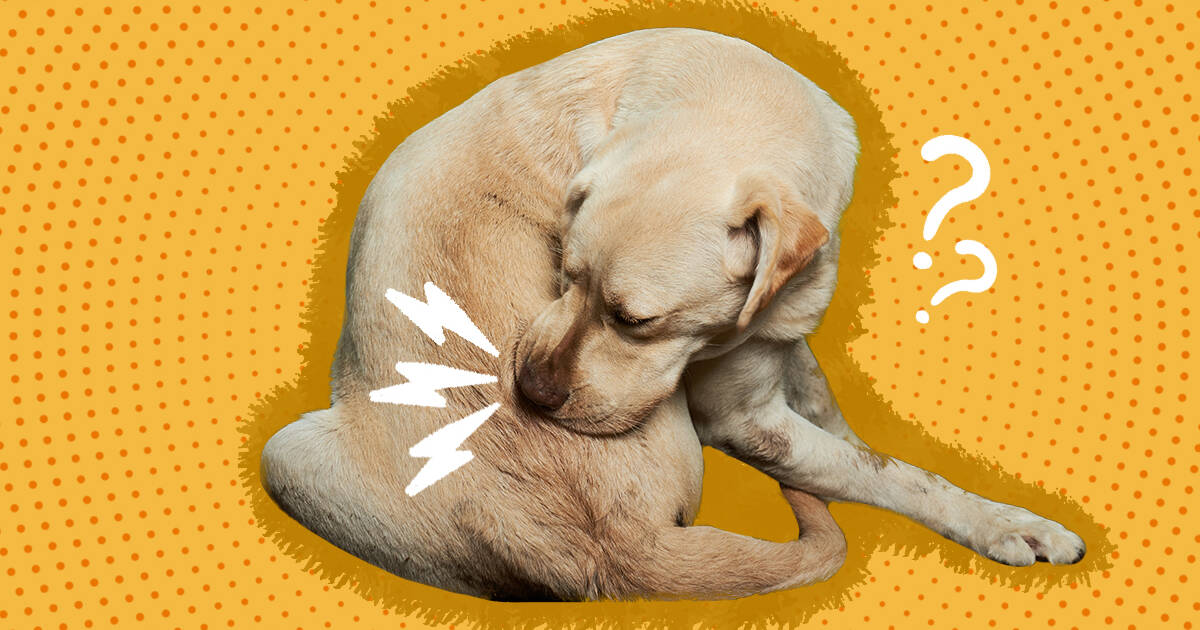
Your dog is biting his bum because he is experiencing discomfort or irritation in that area. This behavior often points to underlying medical issues that need to be identified and addressed by a veterinarian.
It’s a concerning sight: your normally happy-go-lucky dog suddenly fixated on his rear end, with frantic biting and licking. This common but distressing behavior in dogs, often described as biting their bum or tail area, can have numerous causes, ranging from simple skin irritation to more complex medical conditions. Fathoming why your dog is exhibiting this behavior is the first step towards helping them find relief. This in-depth guide will explore the most common reasons behind this discomfort, offering insights into diagnosis and treatment.
Image Source: assets3.thrillist.com
Deciphering the Causes of an Itching Rear End
An itchy rear end is a prevalent issue for many dogs, and it’s crucial to pinpoint the exact cause to provide effective relief. The constant biting is not just a nuisance; it can lead to secondary infections, further pain, and distress for your canine companion. Let’s delve into the various factors that could be making your dog’s bum itch.
Anal Gland Issues: A Common Culprit
One of the most frequent reasons for a dog biting its bum is problems with their anal glands. Dogs have two small sacs located on either side of their anus that secrete a strong-smelling fluid. This fluid is normally expressed during defecation, acting as a territorial marker and aiding in lubrication. However, these glands can become impacted, infected, or even abscessed.
Impaction
Anal gland impaction occurs when the glands don’t empty properly. The contents thicken, leading to a feeling of fullness and discomfort. Your dog may feel like something is stuck and will try to alleviate the pressure by biting or licking the area. You might also notice your dog scooting on the floor, dragging their rear end, as they try to express the glands themselves.
Infection and Inflammation
When impacted anal glands aren’t manually expressed or don’t resolve on their own, bacteria can enter and cause an infection. This leads to pain, swelling, and a burning sensation. The area will likely be red and tender to the touch. If the infection is left untreated, it can progress to an abscess, a painful pocket of pus that can rupture and cause significant bleeding and discomfort.
Symptoms of Anal Gland Issues:
- Biting or licking the rear end: This is the most obvious sign.
- Scooting on the floor: A classic indicator of anal gland discomfort.
- Whining or yelping when defecating: Indicating pain during bowel movements.
- Redness or swelling around the anus: Visible inflammation.
- Foul odor emanating from the rear: A sign of infection or impaction.
- Difficulty defecating: Straining or constipation.
- A visible lump or swelling near the anus.
Canine Skin Irritation and Allergies
Just like humans, dogs can suffer from a variety of skin conditions that cause itching. When this irritation is concentrated around the rear end, it can lead to the biting behavior you’re observing.
Environmental Allergies (Atopy)
Many dogs develop allergies to common environmental factors like pollen, dust mites, mold, and certain grasses. These allergies often manifest as itchy skin, particularly on the paws, face, ears, and unfortunately, the hindquarters. The constant itching can become so intense that dogs resort to biting to try and get relief.
Food Allergies and Sensitivities
Certain ingredients in your dog’s diet can also trigger allergic reactions, leading to itchy skin. Common culprits include proteins like chicken, beef, dairy, and grains. If your dog has a food allergy, you might notice other symptoms like vomiting, diarrhea, or ear infections in addition to the itchy rear end.
Flea Infestation: The Tiny Tormentors
Fleas are a ubiquitous parasite that can cause intense itching in dogs. Even a few fleas can cause significant discomfort, especially if your dog is allergic to flea saliva. Flea bites are most commonly found on the back, base of the tail, and hindquarters, making this a prime area for biting. It’s essential to maintain consistent flea prevention year-round. A thorough check of your dog’s coat, especially around the tail base, might reveal the presence of fleas or flea dirt (small black specks that turn reddish-brown when wet).
Contact Dermatitis
Sometimes, the skin can become irritated from direct contact with an allergen. This could be anything from a new type of bedding, a specific cleaning product used on the floor, or even certain fabrics. If the irritant is concentrated around the hindquarters, it can certainly cause your dog to bite at the area.
Infections: Beyond the Glands
While anal gland issues are common, other infections can also contribute to a dog’s discomfort and subsequent biting.
Yeast Infection Symptoms
Yeast dermatitis, often caused by the overgrowth of Malassezia yeast, is a common cause of itchy skin in dogs. This yeast is naturally present on the skin, but an overgrowth can occur due to underlying issues like allergies, hormonal imbalances, or a weakened immune system. Yeast infections often cause a greasy coat, a musty odor, and significant itching, particularly in warm, moist areas like the skin folds, ears, and around the tail. The skin may appear red, thickened, and sometimes have a darker pigmentation.
Bacterial Infections
Bacterial skin infections (pyoderma) can also cause significant itching and discomfort. These often develop secondary to other skin problems, such as allergies or parasites, as the damaged skin barrier becomes more susceptible to bacterial invasion. The biting itself can create small wounds that further encourage bacterial growth.
Parasitic Worms: Internal Annoyance
Internal parasites, specifically certain types of worms, can lead to anal itching.
Worm Infestation Signs
- Tapeworms: These intestinal parasites are segmented and can be seen around your dog’s anus or in their stool, sometimes resembling rice grains. The segments can detach and migrate, causing irritation as they move. Dogs with tapeworms may exhibit discomfort around their rear end, leading to licking or biting.
- Roundworms and Hookworms: While less likely to cause direct anal irritation, these parasites can contribute to general poor health and sometimes itchy skin, indirectly influencing comfort levels.
Behavioral and Other Causes
While medical issues are the primary suspects, sometimes the biting behavior can have a behavioral component or stem from other less common causes.
Tail Biting Behavior
In some cases, the biting might not just be focused on the immediate anal area but extend to the tail itself. Tail biting behavior can be a sign of:
- Neurological Issues: Problems with the nerves in the tail can cause sensations that lead to biting.
- Anxiety or Boredom: Some dogs may develop obsessive-compulsive behaviors, including tail chasing or biting, when they are anxious, bored, or seeking attention.
- Pain: Any pain originating from the tail or hindquarters, even if not directly related to the anal glands, could prompt biting as a self-soothing mechanism.
Minor Trauma or Injury
A small cut, scrape, or foreign object lodged in the fur around the anus could also cause localized irritation and lead to biting.
Seeking Professional Help: When to Visit the Vet
If you notice your dog biting his bum, the most crucial step is to consult your veterinarian. Self-diagnosis and treatment can often delay proper care and exacerbate the problem. Your vet will perform a thorough physical examination and may recommend diagnostic tests to determine the underlying cause.
Diagnostic Tools Your Vet Might Use
- Physical Examination: The vet will carefully examine the anal glands, surrounding skin, and coat for any signs of redness, swelling, discharge, parasites, or injury.
- Anal Gland Expression: This is a routine procedure where the vet manually expresses the anal glands to check their contents and consistency. If they are impacted or infected, they can also be cleaned at this time.
- Skin Scrapes and Cytology: Samples of skin cells or debris can be collected to check for parasites (like mites) or the presence of yeast or bacteria under a microscope.
- Allergy Testing: If allergies are suspected, intradermal skin testing or blood tests can help identify specific environmental allergens. Dietary elimination trials are often recommended for suspected food allergies.
- Fecal Examination: A stool sample will be analyzed to detect the presence of intestinal parasites like tapeworms, roundworms, or hookworms.
- Blood Work: General blood tests can help assess overall health and identify any underlying systemic issues that might be contributing to skin problems.
Treatment and Management Strategies
The treatment plan will depend entirely on the diagnosed cause of your dog’s discomfort.
Addressing Anal Gland Issues
- Manual Expression: Regular manual expression of the anal glands by a groomer or veterinarian can prevent impaction.
- Dietary Changes: Increasing dietary fiber can help make stools firmer and larger, which aids in naturally expressing the anal glands during defecation.
- Medications: For infected glands, antibiotics and anti-inflammatory medications may be prescribed. In severe cases, surgery might be necessary to remove the affected glands if they are chronically problematic.
Managing Skin Irritation and Allergies
- Medicated Shampoos and Wipes: These can help soothe itchy skin and treat infections.
- Topical Treatments: Lotions, sprays, or ointpy can be applied directly to the affected areas.
- Oral Medications: Antihistamines, steroids, or newer medications like Apoquel or Cytopoint are often used to control allergy symptoms.
- Flea and Tick Prevention: Consistent use of veterinarian-recommended preventative treatments is essential.
- Dietary Management: For food allergies, a strict hypoallergenic diet trial is the gold standard.
Treating Infections
- Antibiotics: Oral or topical antibiotics are used to combat bacterial infections.
- Antifungal Medications: These are prescribed for yeast infections, often in the form of shampoos, wipes, or oral medications.
Deworming
If intestinal parasites are found, your vet will prescribe an appropriate deworming medication. It’s crucial to follow your vet’s recommendations for deworming schedules, especially if your dog spends time outdoors or interacts with other animals.
Behavioral Modification
If anxiety or boredom is a contributing factor, increasing exercise, providing mental stimulation through puzzle toys, and practicing positive reinforcement training can be beneficial. In some cases, anti-anxiety medication may be recommended by your vet.
Preventing Future Episodes
Preventative care is key to minimizing the chances of your dog experiencing anal gland issues or skin irritation.
- Regular Grooming: Brushing your dog regularly helps distribute natural oils and allows you to spot any skin problems early.
- Proper Diet: Feed a high-quality, balanced diet that is appropriate for your dog’s age, breed, and activity level.
- Consistent Flea and Tick Prevention: Always follow your veterinarian’s advice on year-round parasite control.
- Monitor Stool Quality: Healthy, firm stools are important for anal gland health.
- Address Underlying Health Issues: Promptly treat any conditions that could predispose your dog to skin problems or anal gland issues.
Frequently Asked Questions (FAQs)
Q1: Can I express my dog’s anal glands myself?
While it’s possible, it’s generally not recommended for pet owners to express anal glands themselves without proper training. Improper technique can cause pain, injury, or even worsen impaction or infection. It’s best to have a veterinarian or experienced groomer perform this procedure.
Q2: How often should my dog’s anal glands be expressed?
The frequency varies greatly depending on the individual dog. Some dogs never have issues, while others may need them expressed every 4-8 weeks. Your veterinarian can advise on the appropriate schedule for your dog based on their needs.
Q3: My dog keeps scooting. Does this always mean anal glands?
While scooting is a classic sign of anal gland issues, it can also be caused by other problems like tapeworm segments irritating the skin, a urinary tract infection, or even a sore paw. It’s always best to get it checked by a vet to rule out other causes.
Q4: Can diet cure anal gland problems?
Diet can play a significant role in managing anal gland health. Increasing fiber content in the diet can lead to larger, firmer stools, which can help naturally express the anal glands. However, diet alone may not be sufficient for all dogs, especially those with chronic impaction or infection.
Q5: My dog bites his bum after a bath. Why?
This could be due to a reaction to the shampoo or conditioner used, causing skin irritation. Ensure you are using a gentle, hypoallergenic dog shampoo. It could also be that the wetness is trapping moisture, making the area prone to yeast or bacterial overgrowth, especially if your dog has underlying allergies. Ensure your dog is thoroughly dried after a bath.
By staying vigilant and working closely with your veterinarian, you can help your dog find relief from the discomfort of a biting rear end and ensure their overall health and well-being.