
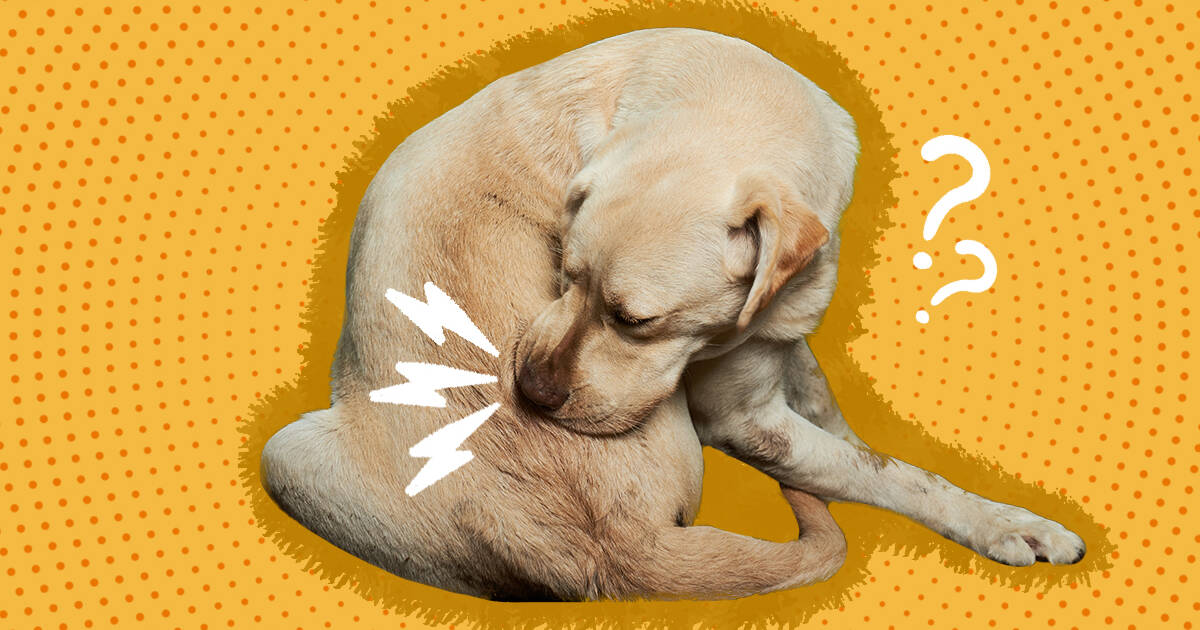
If your dog is biting his butt, it’s most likely due to irritation, discomfort, or pain in that area. This can stem from a variety of issues, ranging from simple external irritants to more complex internal medical conditions.
Dogs often bite or lick their hindquarters as a way to soothe an itch or alleviate pain. This persistent behavior, often called scooting when they drag their rear end on the ground, is a clear signal that something is bothering them. It’s important to pay attention to this behavior and investigate the underlying cause to provide your furry friend with relief.
Image Source: assets3.thrillist.com
Deciphering the Reasons for Your Dog’s Butt-Biting
There are numerous reasons why your dog might be focused on their hindquarters. Identifying the specific cause is the first step toward an effective solution.
External Irritants and Parasites
Sometimes, the simplest explanations are the most common.
Fleas and Other Pests
Fleas are notorious culprits for causing intense itching all over a dog’s body, including the rear end. A flea bite can trigger an allergic reaction in some dogs, leading to severe skin irritation and a desperate need to scratch or bite.
- Symptoms: Besides biting and scratching, you might see flea dirt (small black specks) in your dog’s fur, especially around the tail base. Red, inflamed skin, hair loss, and scabs are also common signs.
- Solutions:
- Flea Treatment: Regular use of veterinarian-approved flea preventatives is crucial. This includes topical treatments, oral medications, and flea collars.
- Environmental Control: Treat your home and yard for fleas as well. Wash bedding in hot water and vacuum regularly.
- Bathing: A gentle bath with a flea shampoo can help kill existing fleas, but it won’t prevent re-infestation.
Ticks
Ticks can latch onto any part of your dog, including the area around the anus. The bite itself can cause irritation, and the tick’s presence can be very uncomfortable.
- Symptoms: Visible ticks, localized redness, and swelling around the bite site.
- Solutions:
- Tick Removal: Carefully remove ticks with fine-tipped tweezers, grasping the tick as close to the skin as possible.
- Prevention: Use tick preventative medications as recommended by your veterinarian.
Fecal Matter and Other Debris
Sometimes, a dog might bite at their rear end if there’s something stuck there, like dried feces or plant matter. This can cause irritation and a feeling of being “dirty.”
- Symptoms: Visible debris, a strong odor, and the dog’s focus on cleaning the area.
- Solutions:
- Gentle Cleaning: Gently clean the affected area with warm water and a mild, pet-safe cleansing wipe. Avoid harsh chemicals.
- Regular Grooming: Keep the fur around your dog’s rear trimmed, especially for long-haired breeds, to prevent debris from accumulating.
Allergic Reactions
Allergies are a very common cause of itchy skin in dogs, and the hindquarters are a frequent target for itchy hindquarters.
Food Allergies
Certain ingredients in your dog’s food can trigger an allergic response, leading to skin irritation and itching. Common culprits include proteins like chicken, beef, dairy, and grains.
- Symptoms: Generalized itching, especially around the paws, ears, and rear end; skin redness; hot spots; digestive upset.
- Solutions:
- Veterinary Consultation: Your vet can help diagnose food allergies through an elimination diet trial.
- Hydrolyzed or Novel Protein Diets: Switching to a diet with proteins your dog hasn’t been exposed to before, or hydrolyzed proteins (broken down into smaller molecules), can help.
Environmental Allergies (Atopy)
Dogs can also be allergic to things in their environment, such as pollen, dust mites, mold, or certain fabrics. These allergies can cause skin irritation and itchy hindquarters, particularly during certain seasons.
- Symptoms: Similar to food allergies, including itching, redness, hair loss, and secondary skin infections. The itching may worsen seasonally.
- Solutions:
- Allergen Avoidance: If possible, limit exposure to known environmental allergens.
- Medications: Your vet may prescribe antihistamines, corticosteroids, or newer allergy medications like Apoquel or Cytopoint to manage itching.
- Immunotherapy (Allergy Shots): For severe allergies, allergy shots can help desensitize your dog to specific allergens.
- Topical Treatments: Medicated shampoos and sprays can provide temporary relief from itching and inflammation.
Anal Gland Issues
Anal gland issues are a very common reason for dogs biting their butts and scooting. Dogs have two small sacs located on either side of their anus that produce a strong-smelling liquid. This liquid is usually expressed naturally when a dog defecates. However, if the glands become impacted, full, or infected, they can cause significant discomfort and pain.
Impacted Anal Glands
When the anal glands don’t express properly, they can become full and distended. This creates pressure and discomfort, leading the dog to lick or bite at the area.
- Symptoms: Scooting, excessive licking or biting at the rear, straining to defecate, apparent pain when defecating, a foul odor from the rear, and sometimes a visible swelling or abscess near the anus.
- Solutions:
- Manual Expression: A veterinarian or trained groomer can manually express the anal glands. This involves gently squeezing the glands to release the contents.
- Dietary Changes: Increasing fiber in your dog’s diet can help to firm up stools, which can aid in natural anal gland expression.
- Supplements: Some probiotics or fiber supplements may be recommended by your vet.
Anal Gland Infection or Abscess
If impacted anal glands are not treated, they can become infected, leading to the formation of an abscess. An abscess is a painful pocket of pus that can rupture.
- Symptoms: Severe pain, swelling near the anus (often on one side), redness, heat, discharge (pus or blood), lethmus, fever, and refusal to sit. The dog will likely be in significant distress.
- Solutions:
- Veterinary Care is Essential: If you suspect an abscess, immediate veterinary attention is required. The abscess will need to be lanced, drained, and flushed.
- Antibiotics: Antibiotics are usually prescribed to clear the infection.
- Pain Management: Pain medication will be given to keep your dog comfortable.
Infections
Skin infections, yeast infections, and bacterial infections can all cause intense itching and discomfort in the anal region.
Bacterial Infections
Bacteria can overgrow on the skin, especially if it’s already irritated from allergies or other issues.
- Symptoms: Redness, pustules (small pimple-like bumps), crusting, odor, and itching.
- Solutions:
- Antibiotics: Oral or topical antibiotics prescribed by your vet.
- Antiseptic Washes: Medicated shampoos or wipes can help clean the area.
Yeast Infections (Malassezia Dermatitis)
Yeast is a normal inhabitant of a dog’s skin, but an overgrowth can occur, especially in moist areas or when the immune system is compromised. The hindquarters can be a prime location for yeast infections.
- Symptoms: Intense itching, redness, greasy skin, a distinct musty odor, and sometimes a thickened, leathery appearance to the skin.
- Solutions:
- Antifungal Medications: Oral or topical antifungal medications (like ketoconazole or miconazole) are typically prescribed.
- Medicated Shampoos/Wipes: Antifungal shampoos and wipes can provide topical relief.
Internal Causes
Sometimes, the cause of butt-biting is not an external irritant but something happening internally.
Worms
Intestinal parasites, particularly tapeworms, can cause anal itching. Tapeworm segments may be expelled in the stool or migrate to the anal area, causing irritation.
- Symptoms: Scooting, itching around the anus, visible rice-like segments in the stool or around the anus, poor coat quality, and weight loss.
- Solutions:
- Deworming: Regular deworming with a broad-spectrum dewormer is essential. Consult your vet for the best deworming schedule and medication.
- Fecal Tests: Annual fecal tests can help detect the presence of intestinal parasites.
Diarrhea or Loose Stools
Constantly having soft or diarrheal stools can irritate the skin around the anus, leading to licking and biting.
- Symptoms: Diarrhea, discomfort after bowel movements, and the dog’s attention to the rear.
- Solutions:
- Dietary Management: Identify and address the cause of diarrhea, which could be dietary indiscretion, food intolerance, or an underlying medical condition.
- Probiotics: Probiotic supplements can help restore healthy gut flora.
- Gentle Cleaning: Keep the area clean to prevent further irritation.
Urinary Tract Infections (UTIs)
While less direct, a UTI can cause discomfort and a general urge to lick the area around the genitals and anus, which can sometimes extend to biting.
- Symptoms: Frequent urination, straining to urinate, blood in the urine, pain during urination, and increased licking of the genital/anal area.
- Solutions:
- Veterinary Diagnosis: Urinalysis is needed to diagnose a UTI.
- Antibiotics: UTIs are treated with antibiotics.
Constipation
When a dog is constipated, defecation can be difficult and painful. The straining and discomfort might lead them to focus on their rear end.
- Symptoms: Straining to defecate, hard stools, infrequent bowel movements, and licking the anal area.
- Solutions:
- Dietary Adjustments: Increase fiber and water intake.
- Stool Softeners/Laxatives: Your vet may recommend a safe stool softener or laxative.
Tumors or Growths
In rare cases, tumors or growths in the anal region, on the tail, or near the anus can cause pain and discomfort, leading to biting or licking.
- Symptoms: Visible lumps or masses, bleeding, pain, changes in bowel habits.
- Solutions:
- Veterinary Examination: Any lumps or growths should be examined by a veterinarian immediately. Diagnosis and treatment will depend on the nature of the growth.
Behavioral Issues
While less common, some dogs might bite their rear end out of boredom, anxiety, or compulsive behavior.
- Symptoms: Biting occurs without any apparent physical cause, often when the dog is otherwise healthy. It can be a self-soothing behavior.
- Solutions:
- Enrichment: Increase physical and mental stimulation with more exercise, playtime, and puzzle toys.
- Behavioral Modification: Consult a certified professional dog trainer or veterinary behaviorist for advice on addressing compulsive behaviors.
- Anxiety Management: If anxiety is suspected, work on reducing stressors and consider calming aids or medication under veterinary guidance.
Identifying the Cause: What to Look For
When you notice your dog biting their butt, it’s time to become a detective. Observe your dog closely and gather as much information as possible.
Physical Examination (Your Role)
Before a vet visit, a quick at-home check can be very informative.
Visual Inspection
- Check the Anal Area: Gently lift your dog’s tail and examine the area around the anus. Look for redness, swelling, discharge, parasites (fleas, ticks), fecal matter, or any unusual lumps or bumps.
- Examine the Fur: Look for flea dirt, matting, or thinning of fur in the hindquarters.
- Observe Bowel Movements: Note the consistency of your dog’s stool. Is it normal, firm, loose, or watery? Are there any visible foreign objects or parasites?
Behavioral Clues
- When does the biting occur? Is it after meals, after walks, at night, or constantly?
- Are there other symptoms? Pay attention to changes in appetite, energy levels, drinking habits, or general demeanor.
- Does the biting seem to cause pain? Does your dog yelp or react negatively when touched in the area?
When to See the Vet
It’s always best to consult your veterinarian if you’re unsure about the cause or if the behavior is persistent.
- Sudden onset of intense itching or pain.
- Visible swelling, redness, or discharge from the anal area.
- Signs of infection (pus, foul odor, fever).
- Difficulty defecating or signs of constipation.
- Visible parasites like fleas or ticks.
- If home remedies are not working.
- If the behavior is significantly impacting your dog’s quality of life.
Treatments and Relief Strategies
The treatment will depend entirely on the diagnosed cause.
Veterinary Treatments
Your vet will perform a thorough examination and may recommend:
- Anal Gland Expression: If impacted.
- Antibiotics or Antifungals: For infections.
- Parasite Treatment: For fleas, ticks, or worms.
- Allergy Testing and Management: Including prescription diets or medications.
- Medications for Pain and Inflammation: To alleviate discomfort.
- Surgical Intervention: In rare cases, for tumors or severe anal gland problems.
Home Care and Itching Relief
While waiting for your vet appointment, or for mild, known issues, some home care can help.
Soothing Baths
- Colloidal Oatmeal Baths: These are excellent for calming irritated skin and reducing itching.
- Antiseptic or Medicated Shampoos: Use only as recommended by your vet.
Topical Treatments
- Cool Compresses: A cool, damp cloth applied to the area can provide temporary relief.
- Veterinarian-Approved Ointments: Some soothing ointments can help with skin irritation, but always check with your vet before applying anything.
Dietary Adjustments
- Increased Fiber: Add cooked pumpkin (plain, not pie filling) or psyllium husk to your dog’s food to help firm stools.
- Hydration: Ensure your dog has constant access to fresh water.
Environmental Management
- Regular Cleaning: Keep your dog’s living environment clean. Wash bedding frequently.
- Grooming: Regular grooming, especially around the hindquarters, can prevent matting and help you spot problems early.
Frequently Asked Questions (FAQ)
Q1: Can I express my dog’s anal glands myself?
It is strongly discouraged for most pet owners to attempt manual anal gland expression. It requires specific technique and knowledge to do it correctly and safely. Improper expression can cause injury, pain, and worsen the problem, potentially leading to anal gland rupture or infection. It is best left to a veterinarian or a professional groomer experienced in this procedure.
Q2: How often should my dog be dewormed?
The frequency of deworming depends on your dog’s lifestyle, age, and geographic location. Puppies require more frequent deworming. Adult dogs that are at lower risk may need deworming every 3-6 months, while those with higher exposure (e.g., hunting dogs, dogs that eat feces) may need it more often. Always consult your veterinarian for a deworming schedule tailored to your individual dog. They may also recommend fecal tests to determine if deworming is necessary.
Q3: My dog is scooting, is it always anal glands?
While scooting is a classic sign of anal gland issues, it is not the only cause. As discussed, allergies, fleas, worms, infection, pain, and discomfort from other sources can also lead to scooting. It’s a symptom that warrants further investigation to pinpoint the exact reason.
Q4: My dog licks its rear end a lot, is that the same as biting?
Licking and biting are both common responses to itching and discomfort. While licking might seem less aggressive than biting, excessive licking can still cause skin irritation, redness, and even secondary infections (lick granulomas). Both behaviors indicate that something is wrong and requires attention.
Q5: Can dietary changes help with my dog’s butt-biting?
Yes, dietary changes can be very helpful, especially if food allergies or worms are suspected. For anal gland issues, increasing fiber can firm up stools and promote natural expression. For allergies, a veterinarian-guided elimination diet can identify triggers. Always discuss significant dietary changes with your vet.
By paying close attention to your dog’s behaviors and seeking professional veterinary advice when needed, you can effectively address the underlying causes of their butt-biting and restore their comfort and well-being.