
When your dog starts dry retching, it can be a worrying sight. Dry retching, often described as a dog gagging or dog dry heave, occurs when your dog tries to vomit but nothing comes up. It’s a forceful, unproductive action that can be alarming for both the dog and their owner. This article will explore the common reasons behind dry retching in dogs, the symptoms to watch for, and crucial advice on when to seek veterinary attention.
What is dry retching in dogs? Dry retching is the attempt to vomit without producing any actual vomit. It involves contractions of the abdominal muscles and diaphragm, mimicking the motions of vomiting, but without any stomach contents being expelled.
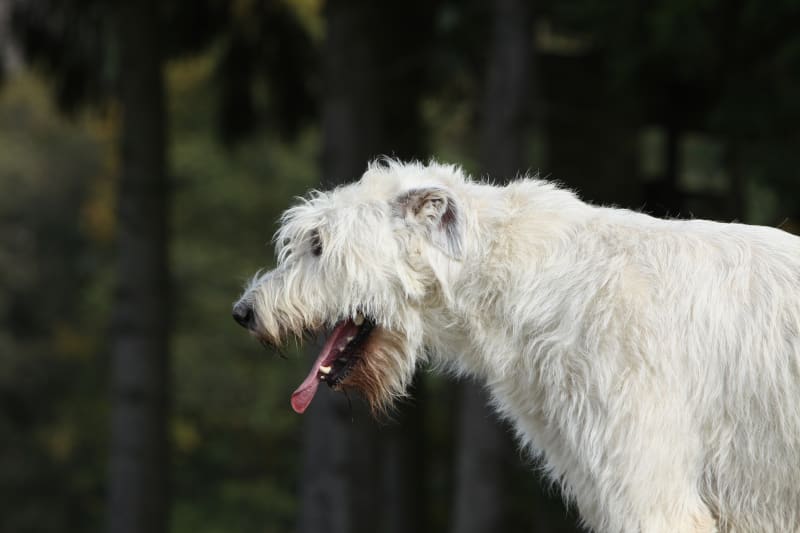
Image Source: d2zp5xs5cp8zlg.cloudfront.net
Deciphering the Causes of Dry Retching
Several factors can lead to your dog dry retching. These can range from minor irritations to serious medical conditions.
1. Foreign Body Obstruction
One of the most common and concerning causes of dry retching is the ingestion of a foreign object. Dogs, especially puppies, explore the world with their mouths and can accidentally swallow things they shouldn’t.
-
What can be swallowed?
- Small toys or toy fragments
- Bones or bone fragments
- Rocks or pebbles
- Fabric items (socks, underwear, rags)
- Corncobs
- String or tinsel
- Surgical materials (if recently operated on)
-
How it causes dry retching: When a foreign object gets lodged in the esophagus, stomach, or intestines, it can cause irritation and a blockage. This blockage prevents food and liquid from passing through, and the body’s natural response is to try and expel it through vomiting. If the object is stuck, it can result in repeated attempts to vomit, leading to dry retching. Other signs might include loss of appetite, lethargy, abdominal pain, and sometimes a distended abdomen. A dog choking might exhibit distress, pawing at the mouth, or difficulty breathing.
2. Esophageal Issues
The esophagus is the tube that carries food from the mouth to the stomach. Any problem here can lead to difficulty swallowing and the sensation of something stuck, prompting dry retching.
- Esophagitis: Inflammation of the esophagus, often caused by stomach acid reflux (similar to heartburn in humans), irritants, or medications. This can cause pain and a feeling of nausea, leading to attempts to vomit.
- Megaesophagus: A condition where the esophagus is enlarged and its muscles don’t properly move food down to the stomach. Food can get stuck, leading to regurgitation or dry retching. This is more common in certain breeds.
- Esophageal Strictures: Narrowing of the esophagus, usually due to scarring from previous injury or inflammation. This makes it difficult for food to pass, causing discomfort and attempts to clear the throat.
3. Gastric and Intestinal Problems
Issues within the stomach and intestines can also trigger dry retching.
- Gastritis: Inflammation of the stomach lining. This can be caused by dietary indiscretions (eating garbage, spoiled food), infections, toxins, or certain medications. The inflammation leads to nausea and a feeling of wanting to vomit.
- Bloat (Gastric Dilatation-Volvulus – GDV): This is a life-threatening emergency. The stomach fills with gas and then twists, cutting off blood supply. While the initial sign might be unproductive retching and a distended abdomen, it progresses rapidly. This is a critical situation where a dog might also appear restless, pant heavily, and drool excessively.
- Intestinal Blockage: Similar to a foreign body, but can also be caused by tumors or intussusception (where one part of the intestine slides into another).
- Gastroenteritis: General inflammation of the stomach and intestines, often presenting with vomiting and diarrhea, but sometimes starting with dry retching.
4. Respiratory Tract Irritation and Infections
Sometimes, what appears to be dry retching is actually related to the respiratory system, not the digestive system.
- Kennel Cough (Tracheobronchitis): A highly contagious respiratory disease that causes a severe dog coughing spell, often described as sounding like a goose honk. After a coughing fit, dogs may then heave or dry retch as if trying to expel something from their throat.
- Tracheal Collapse: Common in small breeds, the cartilage rings of the trachea (windpipe) weaken and collapse, causing airway obstruction. This can lead to a harsh dog coughing or gagging sound, and sometimes dry retching. Activities like excitement, pulling on the leash, or drinking water can trigger these episodes.
- Pneumonia: Infection in the lungs can cause inflammation and irritation, leading to coughing and retching.
- Allergies or Environmental Irritants: Inhaling dust, smoke, pollen, or strong scents can irritate the throat and airways, triggering a gagging or coughing response that can lead to dry retching.
- Dog Reverse Sneezing: This is often mistaken for gagging or choking. It’s characterized by a sudden, rapid inhalation through the nose, causing a honking or snorting sound. While it’s not vomiting, the spasmodic nature can be concerning.
5. Esophageal or Tracheal Irritation
Beyond specific diseases, simple irritation can cause these symptoms.
- Irritation from Inhaled Objects: Small particles of food, grass seeds, or other debris can get lodged in the back of the throat or upper airway, causing persistent irritation and attempts to clear it, mimicking dry retching.
- Post-Nasal Drip: Similar to humans, dogs can experience mucus dripping down the back of their throat, which can cause irritation and a gagging reflex.
- Enlarged Lymph Nodes: Swollen lymph nodes in the throat area can put pressure on the trachea or esophagus, leading to discomfort and gagging.
6. Nausea and Motion Sickness
Sometimes, the underlying issue is simply dog nausea.
- Motion Sickness: Many dogs experience nausea during car rides or other forms of travel. This can manifest as drooling, lip licking, and dry retching.
- Medication Side Effects: Certain medications can cause nausea as a side effect.
- Dietary Indiscretions: Eating something that disagrees with them can cause general stomach upset and nausea.
7. Heart Conditions
In some cases, cardiac issues can present with respiratory-like symptoms, including dry retching.
- Congestive Heart Failure: An enlarged heart can press on the trachea, causing a cough that can sometimes lead to retching. Fluid buildup in the lungs can also cause difficulty breathing and coughing.
- Heartworm Disease: This parasitic infection can damage the heart and lungs, leading to coughing and potentially retching.
8. Cancer
Tumors in the chest cavity, esophagus, or surrounding areas can also cause pressure or irritation, leading to these symptoms.
Recognizing the Symptoms
When your dog is dry retching, it’s important to observe other accompanying signs. These can help pinpoint the cause and assess the urgency of the situation.
Key Symptoms to Watch For:
- Repeated gagging or retching: The most obvious sign.
- Hacking or coughing: A dry, harsh cough, often preceding or following the retching. Sometimes this can be a significant dog coughing fit.
- Difficulty breathing or wheezing: If the issue is respiratory, you might notice increased dog wheezing or labored breathing.
- Pale gums: This can indicate shock or poor oxygenation, a sign of a serious emergency like GDV.
- Distended or hard abdomen: A classic sign of bloat.
- Lethargy or weakness: A general lack of energy.
- Loss of appetite or refusal to drink: The dog may feel too unwell to eat or drink.
- Drooling excessively: Can be a sign of nausea or throat irritation.
- Pawing at the mouth or face: Indicates discomfort or something stuck.
- Restlessness or pacing: Especially common with pain or GDV.
- Abdominal pain: Your dog might yelp when touched or seem uncomfortable in their belly.
- Regurgitation: While dry retching is unproductive, regurgitation involves the passive expulsion of undigested food without the force of vomiting.
When to Seek Veterinary Attention Immediately
Dry retching can be a sign of a minor issue, but it can also indicate a life-threatening emergency. It’s crucial to know when to rush your dog to the vet.
Emergency Situations:
- Suspected Bloat (GDV): If your dog has a distended abdomen, is restless, drooling excessively, and dry retching, it’s a critical emergency. Time is of the essence.
- Signs of Choking: If your dog is struggling to breathe, has blue-tinged gums, or is pawing frantically at their mouth, assume they are dog choking and need immediate help.
- Suspected Foreign Body Obstruction: If you know your dog swallowed something potentially dangerous or if they show signs of distress and repeated retching, seek veterinary care.
- Pale or White Gums: This is a sign of shock and requires immediate veterinary intervention.
- Extreme Lethargy or Collapse: If your dog is unusually weak or has collapsed, it’s an emergency.
- Inability to Breathe: Any severe respiratory distress is a critical situation.
When to Contact Your Vet Promptly:
- Persistent dry retching: If the dry retching continues for more than a few hours or occurs repeatedly throughout the day.
- Accompanying symptoms: If dry retching is accompanied by vomiting, diarrhea, lethargy, or loss of appetite.
- Known ingestion of toxins or foreign objects: Even if your dog isn’t showing severe signs, it’s best to get them checked out.
- Pre-existing health conditions: If your dog has a known heart condition, respiratory issue, or other chronic illness, any new symptom warrants a vet visit.
- If you are concerned: Trust your gut. If you are worried about your dog’s health, it’s always best to err on the side of caution and consult your veterinarian.
Diagnostic Approaches by Veterinarians
When you bring your dog in for dry retching, your vet will perform a thorough examination and may recommend several diagnostic tests.
1. Physical Examination
The veterinarian will:
- Take a detailed history from you about the onset, duration, and any potential triggers for the dry retching.
- Check your dog’s vital signs (heart rate, respiratory rate, temperature, capillary refill time).
- Perform a full physical exam, including listening to the heart and lungs, palpating the abdomen, and checking the mouth and throat for any obvious obstructions or irritations. They will assess the general condition and hydration level of your dog.
2. Diagnostic Imaging
- X-rays (Radiographs): These are often the first step to look for obvious foreign bodies in the esophagus or gastrointestinal tract, or to assess for signs of bloat or lung abnormalities.
- Ultrasound: Can provide more detailed images of abdominal organs, helping to detect masses, inflammation, or fluid accumulation.
- Barium Swallow Study: If an esophageal obstruction or megaesophagus is suspected, a barium swallow can help visualize the passage of food through the esophagus.
3. Blood Tests
- Complete Blood Count (CBC): Can reveal signs of infection, inflammation, or anemia.
- Biochemistry Profile: Assesses organ function (kidneys, liver), electrolyte levels, and blood sugar. This helps identify underlying metabolic or organ-related causes.
4. Endoscopy
- Esophagogastroduodenoscopy (EGD): A flexible camera is passed down the esophagus, stomach, and into the small intestine. This allows for direct visualization of the lining, removal of some foreign objects, or taking biopsies. This is particularly useful for diagnosing esophagitis, strictures, or subtle foreign material.
5. Other Tests
- Echocardiogram (Heart Ultrasound): If a heart condition is suspected, this will assess heart function.
- Urinalysis: Provides information about kidney function and hydration.
Treatment Strategies
The treatment for dry retching depends entirely on the underlying cause.
For Foreign Body Obstruction:
- Endoscopic Removal: Many objects can be retrieved using an endoscope, avoiding the need for surgery.
- Surgery: If endoscopic removal is not possible, surgery may be required to remove the object.
For Esophageal or Tracheal Issues:
- Medications: Anti-inflammatories, antacids, or antibiotics may be prescribed depending on the condition.
- Dietary Changes: For megaesophagus, a special diet and feeding method (e.g., elevated feeding, thickened food) are crucial.
- Surgery: In some cases, like esophageal strictures, surgical intervention might be necessary.
For Gastric and Intestinal Problems:
- Dietary Management: Bland, easily digestible foods.
- Medications: Antiemetics (to stop vomiting), antacids, or gastroprotectants.
- Fluid Therapy: To combat dehydration.
- Surgery: For GDV or severe intestinal obstructions.
For Respiratory Issues:
- Antibiotics: For bacterial infections like pneumonia or kennel cough.
- Cough Suppressants: To manage severe coughing fits.
- Bronchodilators: To help with dog wheezing and breathing difficulties.
- Management of Tracheal Collapse: May involve weight management, avoiding triggers, cough suppressants, and in severe cases, surgery.
For Nausea:
- Antiemetic Medications: To control nausea.
- Dietary Adjustments: Avoiding rich or fatty foods, feeding smaller, more frequent meals.
- Motion Sickness Medication: For travel-related nausea.
Home Care and Prevention
While you should always consult your vet for diagnosis and treatment, there are some home care measures and preventative steps you can take.
Home Care During Illness:
- Follow Vet’s Instructions: Administer all prescribed medications precisely as directed.
- Provide a Quiet Environment: Reduce stress for your dog.
- Monitor Intake: Ensure your dog is drinking water. If they are not keeping liquids down, contact your vet.
- Offer Bland Food: If the vet approves, offer small amounts of boiled chicken and rice or a veterinary-prescribed bland diet.
Prevention Strategies:
- Supervision: Especially for puppies and chewers, supervise your dog closely to prevent them from ingesting inappropriate items.
- Toy Safety: Choose durable toys appropriate for your dog’s size and chewing habits. Discard toys that are broken or have small, detachable parts.
- Secure Environment: Keep small objects, medications, and toxic substances out of reach. Ensure trash cans are secure.
- Dietary Care: Feed a high-quality, balanced diet appropriate for your dog’s age, breed, and activity level. Avoid feeding table scraps that can be fatty or difficult to digest.
- Regular Vet Check-ups: Annual or semi-annual check-ups can help catch health problems early. Vaccinations can prevent diseases like kennel cough.
- Preventative Medications: Discuss heartworm and flea/tick prevention with your veterinarian, as these can prevent related health issues.
- Leash Use: Always use a leash in unfenced areas to prevent ingestion of unknown objects or encounters with hazards.
Frequently Asked Questions (FAQ)
Q1: My dog dry retched once, should I be worried?
A1: A single episode of dry retching might not be a cause for alarm, especially if your dog seems otherwise normal and it doesn’t repeat. However, it’s always a good idea to monitor them closely for any other symptoms. If it happens again, or if other symptoms appear, contact your vet.
Q2: Can stress cause my dog to dry retch?
A2: While not a primary cause, stress can exacerbate existing conditions or cause general nausea in some dogs, potentially leading to retching or gagging. Extreme stress can also lead to physical symptoms like vomiting or diarrhea.
Q3: My dog ate grass and then started dry retching. Is this normal?
A3: Many dogs eat grass, and sometimes it can lead to vomiting, but dry retching can also occur if they don’t bring anything up. Eating grass can be a sign of stomach upset or dietary deficiencies, or sometimes dogs just enjoy it. If it’s an occasional occurrence without other symptoms, it might be normal for your dog. However, if it becomes frequent or is accompanied by other signs of illness, consult your vet.
Q4: How is dry retching different from a dog coughing?
A4: While both involve the throat and can sound similar, a cough is typically a reflex to clear the airways of irritants or mucus. Retching is a more forceful, often abdominal, action aimed at expelling something from the stomach, even if nothing comes up. Some conditions, like kennel cough, can cause coughing that leads to a retching-like motion.
Q5: My dog has a dry heave after drinking water too fast. Is this concerning?
A5: Drinking water too quickly can sometimes cause a dog to gag or even have a brief dry heave as they try to control the intake. This is usually not serious if it’s a rare occurrence. Slowing down their drinking by using a slow-feeder bowl or offering water in smaller amounts can help prevent this. If it happens frequently, even when drinking normally, it warrants a vet check to rule out other issues.
Dry retching in dogs can be a puzzling and distressing symptom. By familiarizing yourself with the potential causes, recognizing the accompanying signs, and knowing when to seek professional help, you can ensure your canine companion receives the care they need to recover. Always prioritize your vet’s advice and remember that prompt diagnosis and treatment are key to managing many of these conditions.