
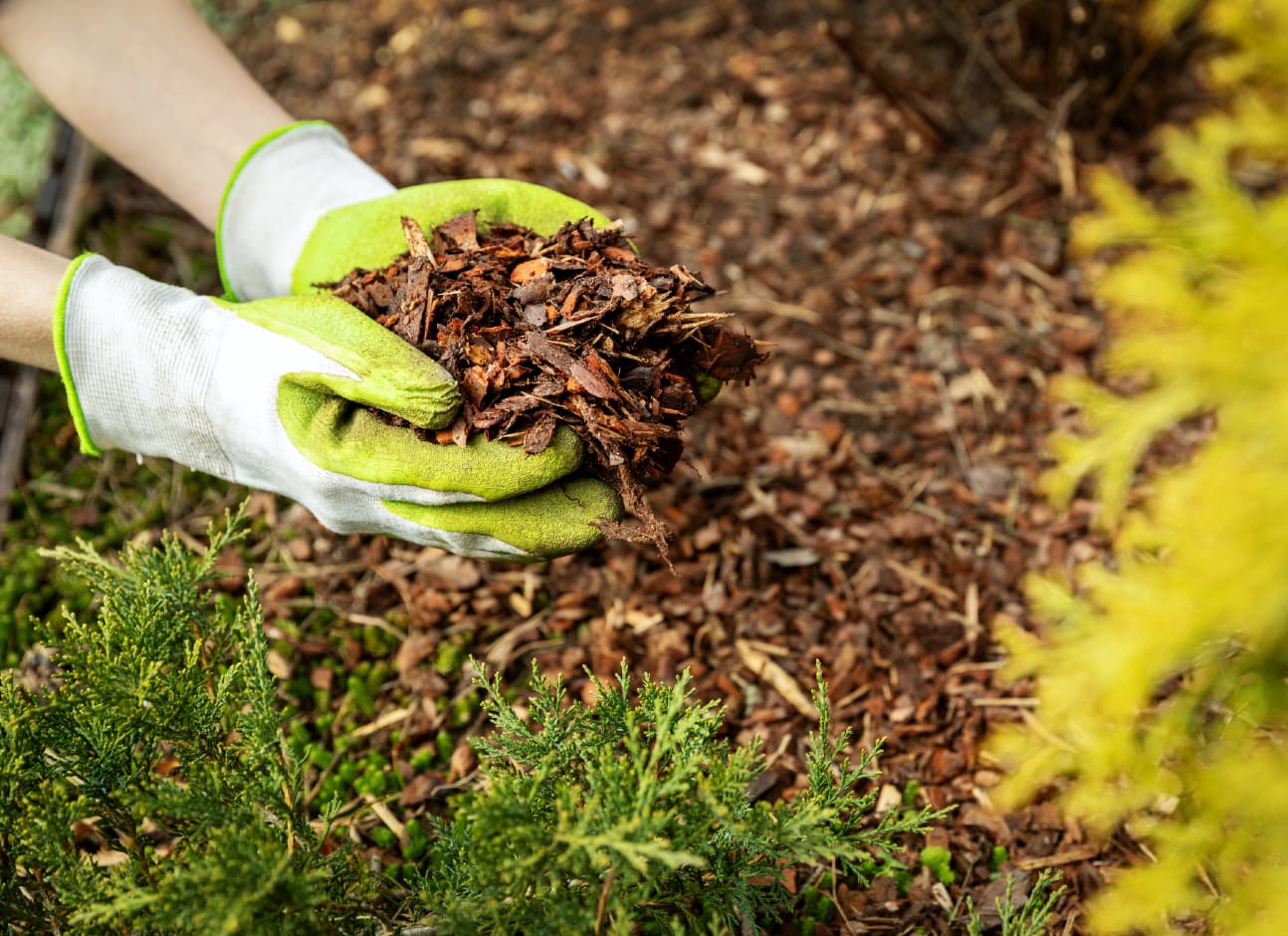
Image Source: modernvet.com
Why Is My Dog Eating Mulch: Health Risks & Tips
If your dog is eating mulch, it’s a common concern for many dog owners. Dogs eat mulch for a variety of reasons, and while it might seem like a harmless habit, it can pose significant health risks. This article will delve into why dogs engage in this behavior and what you can do to help.
The Lure of Mulch: Deciphering Canine Behavior Mulch Consumption
Why do dogs eat mulch? Dogs eat mulch primarily due to curiosity, boredom, nutritional deficiencies, or underlying behavioral issues like Pica in dogs. Sometimes, the texture or smell of the mulch can be appealing to them. Certain types of mulch can also mimic natural prey items or offer a satisfying crunch.
What is Pica in dogs? Pica is a behavioral disorder characterized by the persistent eating of non-food items. This can include things like soil, fabric, rocks, and, of course, mulch. It can stem from a variety of causes, including medical conditions, behavioral issues, or even genetics.
Can I stop my dog from eating mulch? Yes, you can stop your dog from eating mulch by addressing the root cause of the behavior, providing alternative outlets for their energy and chewing instincts, and making mulch areas less accessible or appealing.
Dogs are naturally curious creatures with a tendency to explore their environment with their mouths. This innate behavior, combined with various other factors, can lead to the perplexing habit of dog eating landscaping materials, including mulch. From the tantalizing crunch of dog consuming bark to the earthy allure of dog eating wood chips, several reasons contribute to this common canine dilemma.
Reasons for Dogs Eating Soil and Mulch
Several factors can contribute to a dog’s inclination to eat mulch. It’s rarely just one single cause, but rather a combination that triggers this unusual dietary habit.
- Boredom and Lack of Stimulation: Dogs that are not receiving enough physical and mental stimulation are more prone to developing destructive behaviors, including eating non-food items. A bored dog might turn to mulch as a way to entertain itself. This is particularly common in breeds that require a lot of activity.
- Nutritional Deficiencies: While less common in dogs fed a balanced diet, some instances of mulch consumption can be linked to a lack of essential nutrients. Some theories suggest dogs might be seeking out minerals or fiber that are missing from their food. However, a proper veterinary check-up is crucial to rule out medical causes.
- Anxiety and Stress: Just like humans, dogs can cope with anxiety or stress by engaging in repetitive behaviors. Chewing mulch could be a self-soothing mechanism for a dog experiencing separation anxiety, loud noises, or other stressors in its environment.
- Curiosity and Exploration: Puppies, in particular, explore the world through their mouths. If they encounter mulch, especially new types with interesting textures or smells, they might ingest it simply out of curiosity.
- Pica (Eating Non-Food Items): As mentioned, Pica is a recognized condition where dogs eat non-food items. This can be triggered by various underlying medical conditions such as anemia, gastrointestinal issues, or even neurological disorders. It can also have a psychological component.
- Instinctual Behavior: Some experts believe that a dog’s ancestral diet may have included plant matter or insects found within soil and bark, leading to a residual instinct to consume such materials.
- Taste or Texture Appeal: Some dogs might simply enjoy the taste or texture of certain types of mulch. The fibrous nature of some mulches can be satisfying to chew.
Health Risks Associated with Mulch Consumption
While the idea of your dog munching on garden mulch might seem harmless, it carries several significant health risks. The eating mulch side effects can range from mild digestive upset to serious, life-threatening conditions.
Common Health Concerns
- Gastrointestinal Blockages: This is perhaps the most significant risk. Mulch, especially larger wood chips or bark pieces, can cause blockages in the dog’s stomach or intestines. These blockages can prevent food from passing through, leading to severe pain, vomiting, and potentially requiring emergency surgery.
- Choking Hazard: Smaller pieces of mulch can be inhaled or become lodged in the throat, leading to choking and respiratory distress.
- Intestinal Irritation and Inflammation: Even if not causing a complete blockage, ingested mulch can irritate the lining of the digestive tract, leading to inflammation, diarrhea, and abdominal pain.
- Toxicity from Treated Mulches: Many commercially available mulches are treated with chemicals to preserve them, deter pests, or improve their color. These chemicals can be highly toxic to dogs. Mulch toxicity for dogs is a serious concern, and ingestion can lead to a range of symptoms from vomiting and diarrhea to more severe neurological issues or organ damage.
- Dental Damage: The abrasive nature of some mulches, particularly wood chips, can wear down or chip a dog’s teeth over time.
- Bowel Obstruction: This is a more severe form of gastrointestinal blockage where the mulch prevents the passage of stool. Symptoms include straining to defecate, lack of appetite, and lethargy.
Specific Toxic Mulch Types
It’s crucial to be aware of the types of mulch that pose a higher risk to your canine companion.
- Cocoa Bean Mulch: This is one of the most dangerous mulches. It contains theobromine, a compound also found in chocolate, which is toxic to dogs. Even small amounts can cause vomiting, diarrhea, hyperactivity, tremors, seizures, and, in severe cases, death. The sweet smell can also be appealing to dogs, increasing the likelihood of ingestion.
- Chemically Treated Mulches: Mulches treated with pesticides, herbicides, or fertilizers can be toxic. Always check the product label for any warnings or ingredients that could be harmful to pets.
- Pine and Cedar Mulches: While generally less toxic than cocoa mulch, these can still cause gastrointestinal upset, especially if ingested in large quantities. The aromatic oils present in these woods can irritate a dog’s digestive system.
Identifying the Signs of Mulch Ingestion
Knowing what to look for can help you intervene quickly if your dog has ingested mulch.
Symptoms to Watch For
- Vomiting
- Diarrhea
- Lethargy or weakness
- Loss of appetite
- Abdominal pain or swelling
- Constipation or straining to defecate
- Coughing or gagging (if mulch is inhaled)
- Excessive drooling
- Unusual behavior or hyperactivity (especially with cocoa mulch)
If you notice any of these symptoms, especially after your dog has been in an area with mulch, contact your veterinarian immediately.
Strategies for Preventing Mulch Consumption
Preventing your dog from eating mulch involves a multi-pronged approach, focusing on management, training, and addressing underlying causes.
Environmental Management
- Choose Pet-Safe Mulches: Opt for mulches that are specifically labeled as pet-safe. These are typically made from natural materials without added chemicals and are less likely to be toxic. Examples include shredded hardwood bark or river stones.
- Secure Your Yard: If possible, create designated “dog-free” zones in your yard where mulch is used, or install fencing to keep your dog away from these areas.
- Supervise Outdoor Time: Never leave your dog unattended in the yard, especially if you have mulch. Consistent supervision allows you to intervene immediately if they start to ingest it.
- Remove Temptation: If your dog is particularly drawn to mulch, consider temporarily removing it from areas where your dog spends a lot of time, or replacing it with a pet-friendly alternative like artificial turf or smooth river stones.
Training and Behavioral Modification
- “Leave It” Command: Teach your dog the “leave it” command. This is an invaluable tool for preventing them from picking up and ingesting anything they shouldn’t. Practice this command regularly with various tempting items.
- “Drop It” Command: Similarly, if your dog has already picked up mulch, the “drop it” command can help them release it.
- Redirection: When you see your dog heading towards mulch with the intent to chew or eat it, redirect their attention to an appropriate chew toy or a training activity. Offer praise and a treat when they engage with the alternative.
- Increase Exercise and Mental Stimulation: Ensure your dog is getting enough physical exercise and mental stimulation. This can involve longer walks, fetch, puzzle toys, training sessions, or even doggy daycare. A tired and mentally stimulated dog is less likely to seek out destructive behaviors.
- Provide Appropriate Chew Toys: Offer a variety of durable and engaging chew toys that satisfy your dog’s urge to chew. Rotate toys to keep them interesting.
Addressing Underlying Issues
- Veterinary Consultation: If you suspect a nutritional deficiency or a medical reason for your dog’s behavior, consult your veterinarian. They can perform diagnostic tests and recommend dietary changes or treatments.
- Behavioral Consultation: For persistent or severe cases of mulch consumption, especially if Pica is suspected, consider consulting a certified professional dog trainer or a veterinary behaviorist. They can help identify the root cause of the anxiety or compulsive behavior and develop a tailored behavioral modification plan.
When to Seek Professional Help
It’s important to know when your dog’s mulch-eating habit requires professional intervention.
- Persistent Consumption: If your dog continues to eat mulch despite your best efforts to redirect and manage the behavior.
- Signs of Illness: If your dog exhibits any of the symptoms of gastrointestinal upset or toxicity mentioned earlier.
- Suspected Pica: If you believe your dog is exhibiting Pica due to an underlying medical or behavioral issue.
- Anxiety or Stress Behaviors: If the mulch consumption is accompanied by other signs of anxiety, such as excessive barking, destructive chewing of other items, or house soiling.
Your veterinarian can rule out medical causes and refer you to a qualified behaviorist if needed.
Frequently Asked Questions About Dogs Eating Mulch
Q1: Is all mulch bad for dogs?
No, not all mulch is bad for dogs. However, some types are much more dangerous than others. Cocoa bean mulch is highly toxic. Other mulches can cause gastrointestinal upset or blockages. Always opt for pet-safe mulches and supervise your dog.
Q2: How can I tell if my dog has eaten mulch?
Look for physical evidence in their vomit or stool, or observe symptoms like vomiting, diarrhea, lethargy, or abdominal pain. If you suspect ingestion, consult your veterinarian.
Q3: What should I do if my dog ate toxic mulch?
Contact your veterinarian or an animal poison control center immediately. Time is critical in cases of toxic ingestion.
Q4: Will my dog grow out of eating mulch?
It’s unlikely that a dog will simply grow out of eating mulch. This behavior usually stems from underlying causes that need to be addressed through training, environmental management, or medical intervention.
Q5: Are there any benefits to my dog eating mulch?
Generally, no. The risks associated with mulch consumption far outweigh any potential perceived benefits. While some dogs might chew on it for texture, it is not a healthy dietary component.
By diligently observing your dog, making informed choices about your landscaping materials, and seeking professional guidance when necessary, you can help keep your canine companion safe and healthy, free from the dangers of mulch consumption.