
Your dog pants in the car because it’s a natural way for them to cool down and communicate their emotional state. If your dog is panting heavily in the car, it could indicate overheating, motion sickness, or anxiety.
Many dog owners worry when their furry friends start panting excessively in the car. It’s a common concern, and rightfully so, as heavy panting can signal distress or a health issue. Fathoming why your dog pants in the car is crucial for their well-being and to ensure car rides are a positive experience. This in-depth guide will explore the various reasons behind your dog’s panting during car journeys, offering insights and solutions for concerned owners.
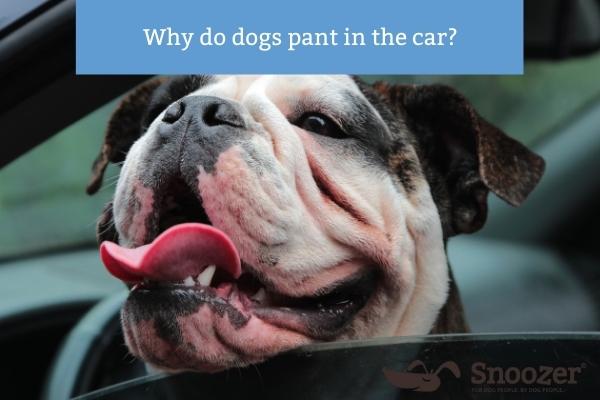
Image Source: snoozerpetproducts.com
The Science of Dog Panting
Panting is a dog’s primary method for regulating body temperature. Unlike humans who sweat all over their bodies, dogs have sweat glands only on their paw pads and nose. This limited surface area means they rely heavily on panting to release heat. When a dog pants, they exhale warm, moist air and inhale cooler, drier air. This process, combined with evaporation from their tongue and respiratory tract, helps dissipate heat and cool their body.
Key Functions of Panting:
- Thermoregulation: The most vital function, helping dogs prevent overheating.
- Emotional Expression: Panting can also be a sign of excitement, stress, or pain.
- Respiratory Support: In some cases, it can indicate underlying respiratory issues.
Common Reasons for Dog Panting Car Rides
Dog panting car rides can be triggered by a range of factors, from simple excitement to more serious concerns. Identifying the root cause is the first step to addressing the issue effectively.
1. Excitement and Anticipation
For many dogs, car rides mean adventure – trips to the park, visits to the vet (though not always exciting!), or a fun outing with their favorite humans. This anticipation can lead to increased heart rate and respiration, resulting in panting. It’s often accompanied by tail wags, a happy demeanor, and possibly some excited whines.
2. Heat and Overheating Dog Car
This is a critical reason to be aware of. Dogs are far more susceptible to overheating than humans. Even on a moderately warm day, the inside of a car can quickly become a dangerously hot environment. Direct sunlight can turn a car into an oven in a matter of minutes. An overheating dog car situation is a life-threatening emergency.
Signs of Overheating:
- Excessive, heavy panting.
- Thick, ropey saliva or excessive drooling.
- Bright red gums and tongue.
- Weakness or lethargy.
- Vomiting or diarrhea.
- Dizziness or staggering.
- Loss of consciousness.
If you suspect your dog is overheating, immediately get them out of the car into a cool area, offer small amounts of cool water, and wet them down with cool (not ice-cold) water, focusing on their belly, groin, and paws. Seek veterinary attention immediately.
3. Dog Motion Sickness Car
Just like humans, dogs can experience motion sickness. The sensory input from the movement of the car can confuse their brain, leading to symptoms like nausea, vomiting, and excessive panting. This can be particularly distressing for dogs, making car rides a dreaded experience.
Symptoms of Dog Motion Sickness Car:
- Excessive panting.
- Drooling (often more than usual).
- Yawning.
- Licking lips frequently.
- Whining or barking.
- Restlessness or pacing.
- Vomiting.
- Lethargy or looking “spaced out.”
4. Causes of Dog Car Anxiety
Causes of dog car anxiety are varied and can stem from past negative experiences, lack of socialization, or a general predisposition to nervousness. The confined space, unfamiliar sounds, and vibrations can all be triggers.
Common Triggers for Dog Car Anxiety:
- Negative Associations: A car ride that ended in something unpleasant, like a vet visit or being left alone.
- Lack of Familiarity: Puppies or dogs not accustomed to car travel may find it unsettling.
- Confinement: Some dogs feel trapped and anxious when enclosed.
- Sensory Overload: Loud noises, flashing lights, and strange smells can be overwhelming.
- Separation Anxiety: If the car ride involves separation from their owner.
Anxious dogs often exhibit other signs in addition to panting, such as pacing, whining, excessive drooling, lip licking, yawning, and even trembling.
5. Stress and Fear
Beyond general anxiety, specific events during a car ride can induce stress. This might include a sudden loud noise, aggressive driving, or another dog barking aggressively outside the car. If your dog is dog stressed in car, they will likely display a combination of anxious behaviors.
6. Pain or Discomfort
Sometimes, panting can be a sign that your dog is experiencing pain or discomfort, which might be exacerbated by the car ride. This could be due to an injury, arthritis, or an underlying medical condition. If the panting is accompanied by other signs of pain, like limping or reluctance to move, consult your veterinarian.
7. Medical Conditions
Certain medical conditions can cause increased respiration and panting. Heart disease, respiratory problems, and certain hormonal imbalances can all manifest as panting, even when the dog is at rest or in a cool environment. If you notice persistent panting that isn’t easily explained by environmental factors or stress, a veterinary check-up is essential.
Deciphering Dog Breathing Heavily Car and Other Symptoms
When your dog is dog breathing heavily car, it’s important to observe other accompanying signs to get a clearer picture of what might be happening. These additional cues can help you distinguish between different causes.
Associated Symptoms to Watch For:
- Dog Drooling Car: Excessive drooling can be a sign of nausea from motion sickness, or extreme stress and anxiety.
- Dog Whines Car: Whining often accompanies anxiety and discomfort. It’s your dog’s way of vocalizing their distress.
- Dog Panting After Car Ride: If your dog continues to pant heavily for an extended period after the car ride has ended, it might indicate they are still stressed, overheated, or experiencing lingering effects of motion sickness.
- Dog Hyperventilating Car: While true hyperventilation (rapid, shallow breathing leading to a drop in carbon dioxide levels) is less common in dogs than heavy panting, it can occur during extreme panic or distress. It’s a serious sign that requires immediate attention.
Table 1: Symptom Correlation
| Symptom | Likely Causes | Other Accompanying Signs |
|---|---|---|
| Heavy Panting | Heat, Excitement, Anxiety, Pain, Illness | Red gums, lethargy, drooling, whining, pacing, limping |
| Excessive Drooling | Motion Sickness, Anxiety, Nausea | Lip licking, yawning, vomiting |
| Whining | Anxiety, Fear, Discomfort | Pacing, panting, trembling, restlessness |
| Restlessness/Pacing | Anxiety, Fear, Overheating | Panting, whining, drooling |
| Vomiting | Motion Sickness, Illness, Extreme Stress | Drooling, panting, lethargy |
| Lip Licking/Yawning | Anxiety, Nausea | Panting, drooling, restlessness |
| Trembling/Shaking | Fear, Anxiety, Cold | Panting, whining, tucked tail |
Fathoming the Causes of Dog Car Anxiety in Detail
When exploring causes of dog car anxiety, it’s important to remember that each dog is an individual. What makes one dog anxious might not affect another.
Past Traumatic Experiences
If a dog has had a frightening experience in a car – perhaps an accident, a severe illness diagnosed after a car ride, or being trapped in a car during extreme weather – they can develop a strong negative association. Even the sound of the car starting or the opening of the car door can trigger a fear response.
Genetic Predisposition
Some breeds or individual dogs are naturally more prone to anxiety and nervousness. Dogs with a higher sensitivity to environmental stimuli or a less resilient temperament may develop car anxiety more readily.
Lack of Early Socialization
Puppies that are not exposed to a variety of positive experiences during their critical socialization period (roughly 3 to 16 weeks old) may be more fearful of new situations, including car travel. Insufficient exposure to car rides, or negative experiences during this period, can have lasting effects.
Owner’s Anxiety
Dogs are incredibly attuned to their owners’ emotions. If you are anxious about car rides, your dog will likely pick up on that anxiety and mirror it. This can create a self-fulfilling prophecy where your worry directly contributes to your dog’s fear.
The Car Environment Itself
For some dogs, the car environment is inherently stressful. This can be due to:
* The confined space: Feeling trapped.
* The vibrations and engine noise: Unpleasant sensory input.
* The motion: Disorienting and nausea-inducing.
* Being separated from familiar surroundings: Leaving their safe territory.
Strategies for Reducing Dog Panting in the Car
Once you’ve identified the likely reason for your dog panting in the car, you can implement targeted strategies to help them feel more comfortable and secure.
Addressing Heat and Overheating
Prevention is key. Never leave your dog unattended in a car, even for a few minutes.
Cooling Measures:
- Adequate Ventilation: Ensure good airflow. Open windows slightly (but not enough for escape) or use a fan powered by the car’s accessory outlet.
- Sun Protection: Use sunshades on windows to block direct sunlight.
- Cooling Mats: Consider a cooling mat for your dog to lie on.
- Travel Bowls: Keep a portable water bowl and fresh water accessible. Offer water during longer stops.
- Travel Time: Avoid traveling during the hottest parts of the day.
Managing Dog Motion Sickness Car
Motion sickness can be managed with a combination of desensitization, environmental adjustments, and, in some cases, medication.
Tips for Dog Motion Sickness Car:
- Short, Positive Trips: Start with very short trips around the block, gradually increasing the duration. End the trip on a positive note.
- Face Forward: If possible, position your dog so they are looking forward, which can help with balance. A secure crate or a car seat booster can achieve this.
- Fresh Air: Keep the car well-ventilated.
- Avoid Feeding Before Travel: Do not feed your dog a large meal immediately before a car ride. Offer a small, easily digestible snack a couple of hours beforehand if needed.
- Natural Remedies: Some owners find success with ginger or CBD oil (consult your vet first).
- Veterinary Medication: For severe cases, your veterinarian can prescribe anti-nausea or anti-motion sickness medications.
Easing Dog Car Anxiety
Causes of dog car anxiety can be addressed through gradual desensitization and positive reinforcement.
Steps to Reduce Car Anxiety:
- Positive Association with the Car:
- Start by simply sitting in the parked car with your dog, offering treats and praise.
- Turn the engine on for short periods while staying parked, giving treats.
- Progress to very short drives (e.g., down the driveway and back) with plenty of praise and treats.
- Make the Car Comfortable:
- Use a familiar bed or blanket from home.
- Consider a calming spray or pheromone diffuser designed for dogs.
- Ensure the car is at a comfortable temperature.
- Crate Training: For some dogs, a crate can be a safe den. If your dog is crate-trained, allow them to travel in their crate if it fits securely in the car.
- Distraction: Some dogs are less anxious if they have a special chew toy or a Kong filled with food to focus on during the ride.
- Calming Aids:
- ThunderShirt: A snug-fitting garment designed to provide gentle, constant pressure, which can have a calming effect.
- Calming Supplements: Products containing L-theanine, tryptophan, or valerian root can help (always consult your vet before giving supplements).
- Music: Some studies suggest that classical music can have a calming effect on dogs.
- Professional Help: If anxiety is severe, consult a certified professional dog trainer or a veterinary behaviorist. They can create a tailored behavior modification plan.
Addressing Dog Breathing Heavily Car Due to Pain
If you suspect pain is the cause of your dog breathing heavily car, it’s imperative to see your veterinarian. They can diagnose the underlying issue and recommend appropriate pain management.
When to Seek Veterinary Attention
It’s crucial to consult your veterinarian if:
- Your dog pants heavily even when the weather is cool and they are not exerting themselves.
- Panting is accompanied by other signs of distress, such as extreme lethargy, collapse, or difficulty breathing.
- You suspect your dog is overheating or experiencing severe motion sickness.
- Home remedies and training techniques are not improving your dog’s car ride experience.
- You notice any other concerning symptoms alongside the panting.
Frequently Asked Questions (FAQ)
Q1: Can I give my dog medication for car sickness?
A1: Yes, your veterinarian can prescribe medications specifically designed to prevent or treat motion sickness in dogs. Always consult your vet before administering any medication.
Q2: How long does it take to get over dog car anxiety?
A2: This varies greatly depending on the dog and the severity of the anxiety. For some dogs, gradual desensitization can take a few weeks, while for others, it may take several months or require ongoing management. Consistency and patience are key.
Q3: Is it normal for my dog to pant a little in the car?
A3: A mild increase in panting due to excitement or mild anxiety can be normal for some dogs. However, excessive, heavy, or persistent panting, especially if accompanied by other distress signals, is not normal and should be investigated.
Q4: My dog pants in the car only when I leave them alone. What does this mean?
A4: This is a strong indicator of separation anxiety. The car itself might not be the issue, but rather the act of being left alone in it. Addressing separation anxiety through training and desensitization is necessary.
Q5: Can I use a drone to cool my dog in the car?
A5: This is not a recommended or practical solution. Focusing on proper ventilation, shade, and providing water are the effective methods for keeping your dog cool. Using a drone is unlikely to provide any meaningful cooling and could be a distraction or hazard.
Conclusion
Comprehending why your dog pants in the car is the first step towards ensuring their comfort and safety during travel. Whether it’s the thrill of adventure, the discomfort of motion sickness, the stress of anxiety, or the critical risk of overheating, each cause requires a different approach. By carefully observing your dog’s behavior, identifying the underlying reasons, and implementing appropriate strategies, you can transform car rides from a source of distress into a more enjoyable experience for both you and your beloved canine companion. Always prioritize your dog’s well-being and don’t hesitate to seek professional advice from your veterinarian or a qualified dog trainer if you have persistent concerns.