
If your dog is peeing clear, it generally means their urine is very diluted. While occasional clear urine can be normal, persistent clear urine might signal an underlying health concern. This article delves into the common causes for clear dog urine, the associated symptoms to watch for, and the practical solutions available to ensure your canine companion’s well-being.
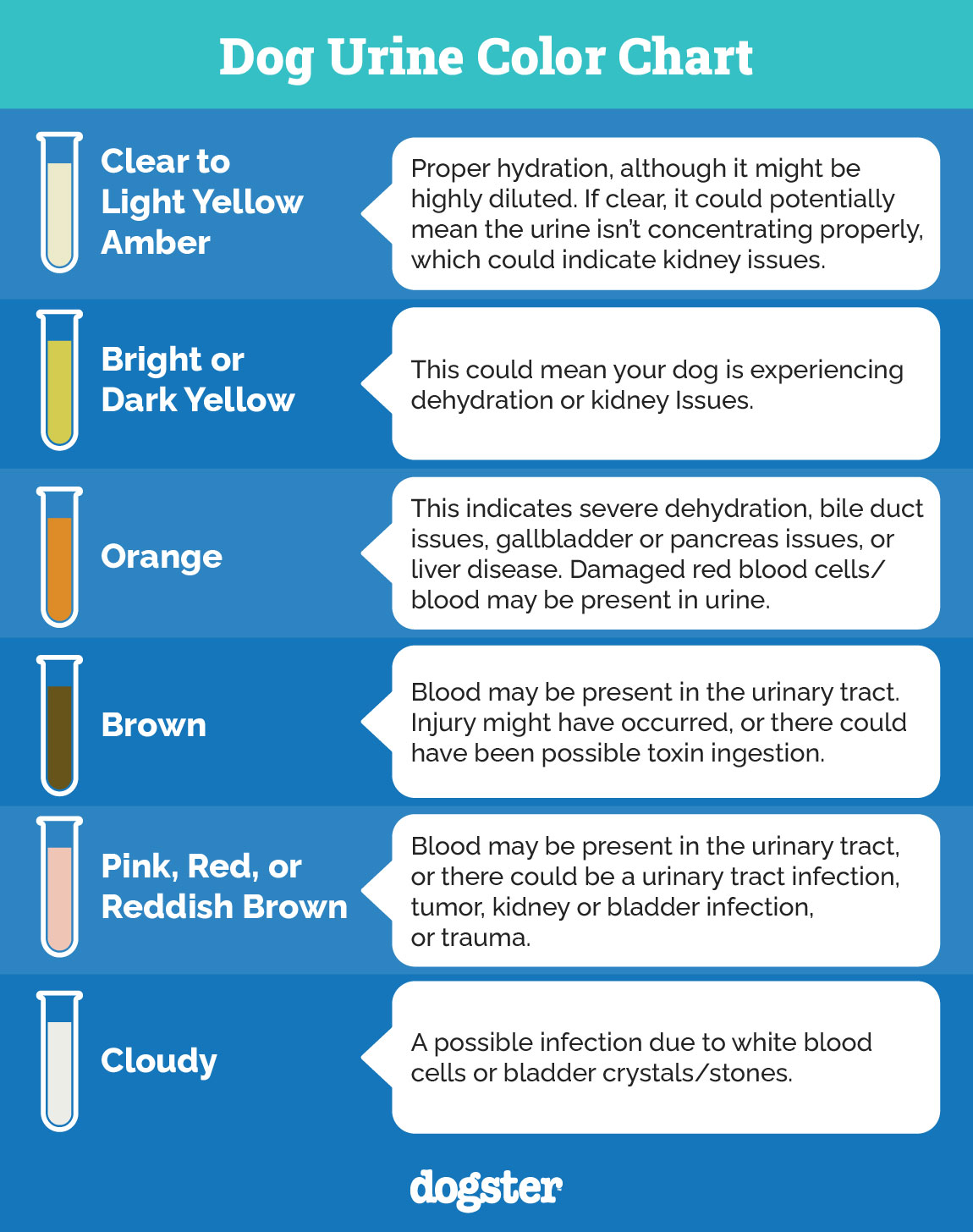
Image Source: www.dogster.com
Deciphering Dog Urine Color
The color of your dog’s urine can offer valuable insights into their health. Healthy dog urine typically ranges from a pale yellow to a deeper amber hue. This color comes from a pigment called urochrome. Variations in concentration and the presence of other substances can alter this color.
Here’s a breakdown of what different urine colors might suggest:
- Pale Yellow to Amber: This is the normal range, indicating adequate hydration and healthy kidney function.
- Clear or Very Pale Yellow: This suggests the urine is highly diluted.
- Dark Yellow or Orange: This can indicate dehydration or a concentrated urine due to lack of fluids.
- Red or Pink: This is a serious sign and could point to blood in the urine, possibly from a urinary tract infection, bladder stones, kidney issues, or trauma.
- Brown or Cola-Colored: This can signify severe dehydration, muscle breakdown, or liver problems.
- Green or Blue: While rare, these colors can sometimes be related to bacterial infections or medications.
Fathoming Diluted Dog Urine: Common Causes
When your dog’s urine appears clear or very pale, it means their kidneys are flushing out more water than usual. This dilution is often a sign of increased water intake or the body trying to get rid of excess fluids. Let’s explore the primary reasons behind this phenomenon.
Excessive Water Intake (Polydipsia)
One of the most straightforward reasons for diluted urine is simply that your dog is drinking a lot of water. This increased thirst, known as polydipsia, can be caused by several factors:
- Environmental Factors: Hot weather, strenuous exercise, or even traveling can lead dogs to drink more water to regulate their body temperature and prevent dog dehydration symptoms.
- Dietary Changes: Foods with higher moisture content, like wet food or certain fruits and vegetables, can contribute to increased water intake. Saltier treats can also make dogs thirsty.
- Medications: Some medications, such as diuretics or corticosteroids, can increase thirst as a side effect.
- Behavioral Reasons: Boredom or anxiety can sometimes lead dogs to drink excessively.
Kidney Issues and Dog Kidney Health
The kidneys play a crucial role in concentrating urine. If your dog’s kidneys are not functioning optimally, they may lose the ability to concentrate urine effectively, leading to persistently clear urine. This can be a sign of various dog kidney health problems:
- Chronic Kidney Disease (CKD): As kidney function declines, the kidneys become less efficient at filtering waste and concentrating urine. This is a progressive condition and can lead to other symptoms like increased thirst, changes in appetite, weight loss, and lethargy.
- Kidney Infections (Pyelonephritis): Infections can impair kidney function and cause them to produce more dilute urine.
- Diabetes Insipidus: This is a condition where the kidneys cannot properly regulate water balance, leading to excessive urination and thirst. It’s different from diabetes mellitus.
Diabetes Mellitus and Dog Diabetes Symptoms
Diabetes mellitus is a common endocrine disorder in dogs where the body doesn’t produce enough insulin or the cells don’t respond to insulin properly. This leads to high blood sugar levels. One of the hallmark dog diabetes symptoms is increased thirst and urination.
- How it causes clear urine: High blood sugar means the kidneys work overtime to filter out the excess glucose. This process draws more water into the urine, making it dilute.
- Other symptoms to watch for: Besides increased thirst and urination, look for unexplained weight loss, increased appetite, fatigue, and the presence of sugar in the urine.
Urinary Tract Infections (UTIs) and Dog Urinary Tract Infection
While UTIs often cause cloudy or bloody urine, in some early or mild cases, they might not immediately change the urine’s appearance significantly. However, the inflammation and irritation within the urinary tract can affect how the kidneys concentrate urine.
- Why it matters: An infection can disrupt the normal function of the bladder and kidneys, potentially leading to more frequent urination and, in some instances, a less concentrated urine output.
- Associated signs: Watch for frequent, small urinations, straining to urinate, licking the genital area, or accidents in the house.
Bladder Issues and Dog Bladder Issues
Various dog bladder issues can influence urine concentration and output.
- Cystitis (Bladder Inflammation): Inflammation of the bladder can sometimes affect the normal processes of urine storage and voiding.
- Bladder Stones: These can cause irritation and blockage, leading to changes in urination patterns and potentially urine appearance.
- Tumors: Growths in the urinary tract can obstruct flow or interfere with kidney function.
Electrolyte Imbalances
Disruptions in the balance of electrolytes (like sodium and potassium) in your dog’s body can affect kidney function and fluid balance, sometimes leading to diluted urine. These imbalances can be caused by various underlying conditions or dietary factors.
Dietary Changes and Their Impact
Sudden dog dietary changes can influence how your dog’s body processes water and waste.
- High Sodium Diet: Foods with high salt content will naturally make your dog more thirsty, leading to increased water intake and, consequently, more diluted urine.
- Low Protein Diet: In some cases, a diet deficient in protein might affect the body’s ability to retain fluids and concentrate waste products.
Medications and Treatments
As mentioned earlier, certain medications can cause increased thirst and urination as a side effect, leading to clear urine. Always discuss any new medications with your veterinarian to understand potential side effects.
Recognizing Dog Dehydration Symptoms
While clear urine often suggests overhydration, it’s crucial to know the signs of dog dehydration symptoms. Sometimes, a dog might be drinking a lot because they are already dehydrated due to an underlying issue.
Key signs of dehydration in dogs include:
- Dry Gums: Gums that feel sticky or dry instead of moist.
- Sunken Eyes: Eyes that appear to be set deeper in their sockets.
- Lethargy: A noticeable lack of energy or unusual tiredness.
- Loss of Skin Elasticity: When you gently pinch the skin on their back, it doesn’t snap back quickly into place.
- Thick Saliva: Saliva that appears stringy or thick.
- Panting: Excessive panting even when not overheated or exercising.
- Reduced Urination: Paradoxically, severe dehydration can lead to decreased urine output, and the urine that is produced might be very dark.
If you suspect your dog is dehydrated, contact your veterinarian immediately.
When to Seek Veterinary Advice
While occasional clear urine isn’t usually a cause for alarm, persistent clear urine or clear urine accompanied by other symptoms warrants a visit to the veterinarian.
Key indicators that you should consult a vet:
- Persistent Clear Urine: If your dog’s urine has been consistently clear for more than 24-48 hours.
- Increased Thirst and Urination: If your dog is drinking and urinating significantly more than usual.
- Changes in Appetite or Weight: Unexplained weight loss or gain, or a sudden decrease in appetite.
- Lethargy or Weakness: If your dog seems unusually tired or unenergetic.
- Vomiting or Diarrhea: These can lead to dehydration and electrolyte imbalances.
- Pain or Discomfort: Signs of pain during urination, whimpering, or difficulty standing.
- Changes in Behavior: Irritability, confusion, or house-soiling accidents.
Diagnostic Approaches for Clear Dog Urine
To determine the exact cause of your dog peeing clear, your veterinarian will likely perform a series of diagnostic tests.
Physical Examination and History
The vet will start by performing a thorough physical exam, checking your dog’s overall health, hydration status, and any palpable abnormalities. They will also ask you detailed questions about:
- Diet: What your dog eats, any recent changes, and treats.
- Water Intake: How much water your dog typically drinks and any observed increase.
- Urination Habits: Frequency, volume, and any changes in where or how they urinate.
- Behavioral Changes: Lethargy, appetite changes, vomiting, diarrhea, etc.
- Medications: Any current or recent medications your dog is taking.
Urinalysis
A urinalysis is a fundamental test that provides a wealth of information about your dog’s health. It involves examining the urine’s physical, chemical, and microscopic properties. For clear urine, the vet will pay close attention to:
- Specific Gravity: This measures how concentrated the urine is. Diluted urine will have a low specific gravity. A specific gravity below 1.005 to 1.010 can indicate a problem with the kidneys’ ability to concentrate urine.
- Presence of Glucose: High glucose levels in urine can be a sign of diabetes mellitus.
- Presence of Protein: Protein in the urine can indicate kidney damage.
- pH Level: The acidity or alkalinity of the urine.
- Sediment Examination: Looking for bacteria, white blood cells, red blood cells, or crystals, which can indicate infection or other issues.
Blood Tests
Blood tests are crucial for assessing organ function and overall health.
- Complete Blood Count (CBC): This can reveal signs of infection or inflammation.
- Chemistry Panel: This panel evaluates the function of various organs, including the kidneys and liver, and checks electrolyte levels. Key indicators for kidney health include BUN (blood urea nitrogen) and creatinine. High levels can suggest reduced kidney function. Blood glucose levels are also critical for diagnosing diabetes.
Imaging Studies
Depending on the suspected cause, your vet might recommend imaging:
- X-rays: Can help identify bladder stones, kidney size and shape, or tumors.
- Ultrasound: Provides more detailed images of the kidneys, bladder, and other abdominal organs, allowing for the detection of subtle changes, masses, or obstructions.
Tailored Solutions for Clear Dog Urine
The treatment plan will depend entirely on the underlying cause identified by your veterinarian.
Hydration Management
If excessive water intake is due to environmental factors or mild dietary influences, management might involve:
- Controlled Water Access: In cases of behavioral drinking, you might need to limit water access to specific times, but this should only be done under veterinary guidance, especially if there’s a medical reason for increased thirst.
- Dietary Adjustments: Switching to a less salty food or ensuring access to fresh, clean water at all times is essential.
Managing Underlying Medical Conditions
- Kidney Disease: Treatment for CKD is supportive and aims to slow progression and manage symptoms. This may include special diets, fluid therapy, medications to control blood pressure, and phosphate binders.
- Diabetes Mellitus: Management involves insulin therapy, a carefully controlled diet, and regular monitoring of blood glucose levels.
- Urinary Tract Infections: Antibiotics are the primary treatment for UTIs. It’s crucial to complete the full course of medication as prescribed by your vet.
- Bladder Issues: Treatment varies depending on the specific issue. Bladder stones may require dietary changes or surgery. Inflammation might be managed with medication.
Dietary Modifications
Your veterinarian might recommend specific dietary changes:
- Kidney-Friendly Diets: These diets are typically lower in protein, phosphorus, and sodium to reduce the workload on the kidneys.
- Diabetic Diets: Formulated to help control blood sugar levels, often higher in fiber and complex carbohydrates.
- Hydration-Boosting Diets: Incorporating wet food or adding water to dry kibble can increase overall fluid intake.
Medications
Depending on the diagnosis, your vet may prescribe:
- Antibiotics: For bacterial infections in the urinary tract or kidneys.
- Diuretics: Used cautiously to help the body eliminate excess fluid if there’s fluid retention, though this is less common for clear urine itself.
- Medications for Kidney Disease: Such as ACE inhibitors to manage blood pressure or phosphate binders.
- Medications for Diabetes: Insulin and potentially other oral medications.
Preventative Measures and Proactive Care
Regular veterinary check-ups are essential for early detection of any health issues that might lead to changes in urine color or concentration.
- Balanced Diet: Feed your dog a high-quality, balanced diet appropriate for their age, breed, and activity level.
- Adequate Water Intake: Always ensure your dog has access to fresh, clean water.
- Regular Exercise: Promotes overall health and can help manage weight, which is important for preventing conditions like diabetes.
- Monitor Changes: Be observant of your dog’s habits, including their drinking, eating, and urination patterns. Any significant changes should be discussed with your vet.
Frequently Asked Questions (FAQ)
Q1: Can I tell if my dog is peeing clear just by looking?
Yes, you can usually tell. If your dog’s urine looks almost like water, it’s considered clear. Normal urine has a pale yellow to amber color.
Q2: Is clear urine in dogs always a sign of a problem?
No, not always. If your dog drinks a lot of water after exercise or on a hot day, their urine might be temporarily diluted and appear clear. However, persistent clear urine often indicates an underlying issue.
Q3: What should I do if my dog is peeing clear?
The best course of action is to monitor your dog for any other symptoms and consult your veterinarian. They can perform diagnostic tests to determine the cause.
Q4: Can diet cause my dog to pee clear?
Yes, a diet very high in sodium or certain other ingredients can increase thirst, leading to more water intake and diluted urine. Sudden dietary changes can also affect urine concentration.
Q5: Does clear urine mean my dog has a kidney problem?
It can be a sign of kidney problems, as damaged kidneys may lose the ability to concentrate urine. However, it can also be caused by other conditions like diabetes or simply excessive water intake. A vet visit is needed for diagnosis.
Q6: How much water should my dog drink?
A general guideline is about 1 ounce of water per pound of body weight per day. However, this can vary significantly based on activity level, temperature, and diet. If you notice a sudden, dramatic increase in thirst, consult your vet.
Q7: My dog is peeing clear and seems fine, do I still need to see a vet?
Even if your dog appears healthy, persistent clear urine is a deviation from normal and warrants investigation. It could be an early sign of a condition that, if left untreated, could worsen. It’s always best to err on the side of caution and seek professional veterinary advice.