
Is your furry friend constantly scratching, licking, or biting at their skin, yet you can’t find a single flea? This is a frustrating and common problem for many dog owners. When your dog is itchy but you don’t see fleas, it often points to underlying skin irritations, allergies, or other dermatology issues rather than external parasites. While fleas are a frequent culprit for itchiness, their absence doesn’t mean your dog isn’t suffering from something that needs attention. This comprehensive guide will delve into the various reasons behind your dog’s discomfort and offer solutions.
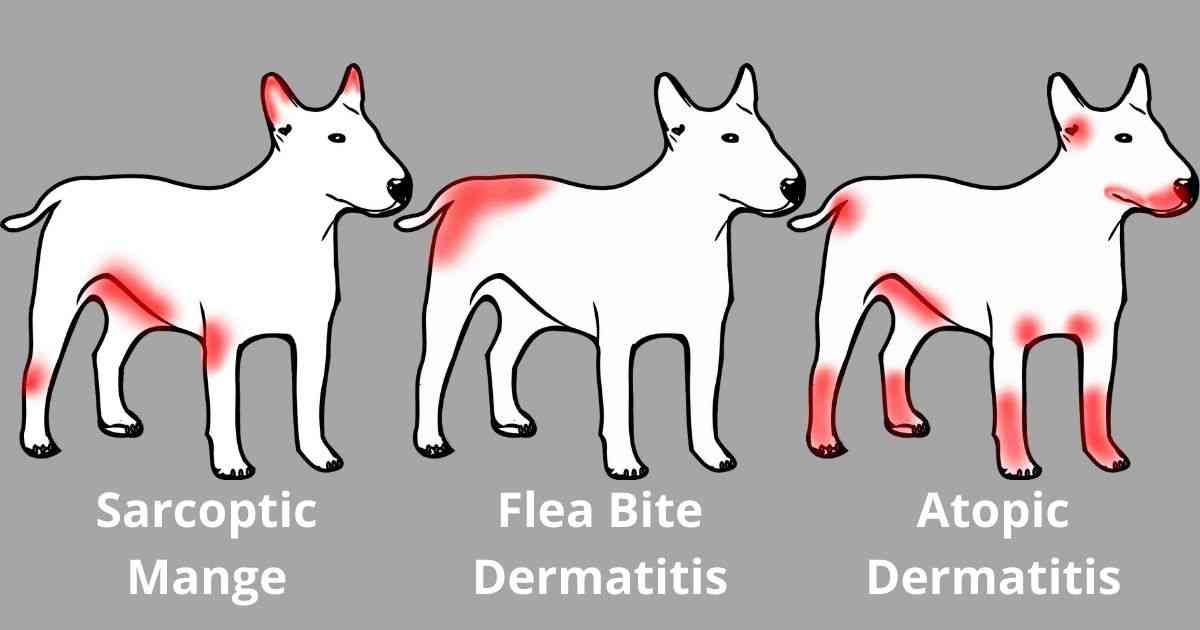
Image Source: www.walkervillevet.com.au
Deciphering the Causes of Non-Flea Itchiness
The persistent itching your dog experiences can stem from a variety of sources, ranging from environmental factors to internal health conditions. Pinpointing the exact cause is the first step toward providing relief.
The Role of Allergies
Allergies are a leading cause of itchiness in dogs, even when fleas are absent. Dogs can be allergic to a surprising number of things, and these reactions often manifest as skin problems.
Environmental Allergies (Atopy)
Just like humans, dogs can develop allergies to things in their surroundings. These environmental triggers can include:
- Pollen from grasses, trees, and weeds.
- Dust mites.
- Mold spores.
- Certain fabrics or cleaning products.
Atopy is often seasonal, meaning your dog might be itchier during certain times of the year when specific allergens are more prevalent. The allergens are inhaled or absorbed through the skin, causing an immune system response that leads to itching.
Food Sensitivities and Allergies
Another significant cause of itchiness is a reaction to something in your dog’s diet. Food sensitivities can develop at any age, and a dog might suddenly become allergic to an ingredient they’ve eaten for years. Common culprits include:
- Proteins: Chicken, beef, lamb, dairy, soy.
- Grains: Wheat, corn, soy.
- Additives and preservatives.
Itchiness from food allergies can be year-round, and it may also be accompanied by digestive upset like vomiting or diarrhea.
Contact Allergies
Less common, but still a possibility, are contact allergies. This occurs when a dog’s skin comes into direct contact with an allergen. Examples include:
- Certain types of grass or plants.
- Materials in dog beds or toys.
- Shampoos, conditioners, or flea treatments (even if they don’t cause infestations, they can cause irritation).
- Cleaning chemicals on floors.
The itchiness usually appears on areas that have direct contact with the offending substance, such as the belly, paws, and chin.
Skin Irritations and Infections
Beyond allergies, various skin irritations and infections can make your dog intensely itchy.
Bacterial and Yeast Infections
The skin is a natural barrier, but when it’s compromised by allergies or other issues, bacteria and yeast (which are naturally present on the skin) can overgrow, leading to infections.
- Bacterial Pyoderma: This is a common secondary infection caused by bacteria like Staphylococcus. It can result in red, inflamed skin, pustules, and intense itching.
- Malassezia Dermatitis (Yeast Infection): Yeast thrives in warm, moist areas. Overgrowth can lead to greasy skin, a yeasty or musty odor, and significant itchiness, often around the ears, paws, and armpits.
Fungal Infections
Ringworm, a fungal infection (despite its name, it’s not caused by a worm), can cause circular, crusty patches of hair loss and itchiness.
Parasites Beyond Fleas
While you’ve ruled out fleas, other microscopic parasites can cause intense itching.
- Mites:
- Sarcoptic Mange (Scabies): Caused by tiny mites that burrow into the skin, leading to severe itching, hair loss, and crusting, particularly on the ear margins, elbows, and belly. These mites are highly contagious.
- Demodectic Mange: Caused by mites that live in hair follicles. While some dogs carry these mites without issue, an overgrowth can occur due to a weakened immune system, leading to patchy hair loss and itchiness.
- Cheyletiella Mites (“Walking Dandruff”): These mites are larger and move across the surface of the skin, causing flaking and itching.
- Lice: Though less common than fleas or mites, lice can infest dogs and cause itching and irritation.
Environmental Triggers and Irritants
Sometimes, the culprit isn’t an allergy but a direct irritant from the environment.
- Harsh Weather: Extremely dry or humid conditions can affect a dog’s skin. Dry air can strip moisture, leading to dry, itchy skin.
- Irritating Plants: Contact with certain plants can cause a localized rash and itching.
- Chemicals: Residue from lawn treatments, de-icing salts, or even certain household cleaners can irritate a dog’s paws and belly.
Grooming Habits and Skin Health
How you groom your dog can inadvertently contribute to itchiness.
- Over-bathing or Under-bathing: Too frequent bathing can strip natural oils from the skin, leading to dryness and irritation. Infrequent bathing allows dirt and allergens to build up.
- Incorrect Products: Using human shampoos or harsh dog shampoos can disrupt the skin’s pH balance and cause irritation.
- Inadequate Rinsing: Shampoo or conditioner residue left on the coat can be a significant irritant.
- Poor Coat Maintenance: For long-haired breeds, mats can trap moisture and debris against the skin, leading to irritation and infections.
Breed Predispositions
Certain breeds are genetically more prone to developing specific dermatology issues and allergies.
- Terriers (e.g., West Highland White Terriers, Scottish Terriers): Prone to atopic dermatitis and food allergies.
- Golden Retrievers and Labrador Retrievers: High incidence of allergies, especially environmental ones.
- Bulldogs and Pugs: Their skin folds can be prone to yeast and bacterial infections if not kept clean and dry.
- German Shepherds: Often suffer from allergies, including skin issues.
Understanding your dog’s breed predispositions can help you be more vigilant about potential skin problems.
Other Medical Conditions
Less commonly, underlying medical issues can manifest as itchy skin.
- Hormonal Imbalances: Conditions like hypothyroidism or Cushing’s disease can affect skin health, leading to dryness, itchiness, and hair loss.
- Autoimmune Diseases: In rare cases, the dog’s immune system can attack its own skin cells, causing inflammation and itching.
Identifying the Source: Your Diagnostic Journey
When your dog is persistently itchy, a systematic approach is needed to identify the cause.
The Veterinary Consultation: Your First Stop
If you can’t find fleas, your first and most crucial step is to consult your veterinarian. They are equipped to diagnose and treat a wide range of skin conditions.
Physical Examination
Your vet will perform a thorough physical examination, looking for:
- The distribution of the itchiness and any visible skin lesions (redness, bumps, scabs, hair loss).
- Signs of infection (pus, odor).
- Evidence of parasites (even if fleas aren’t visible, they might look for flea dirt).
- The condition of the coat and skin hydration.
Diagnostic Tests
To pinpoint the cause, your vet may recommend several tests:
- Skin Scrapes: Used to detect mites like Sarcoptes or Demodex. The vet will scrape a small area of skin and examine the sample under a microscope.
- Cytology: A tape-prep or impression smear of the skin surface can reveal the presence of bacteria or yeast overgrowth.
- Fungal Culture: To diagnose ringworm, a sample of hair and skin is sent to a lab to grow the fungus.
- Flea Allergy Dermatitis (FAD) Testing: Even if you don’t see fleas, flea bites can cause extreme itchiness in allergic dogs. Your vet might suggest a strict flea prevention trial.
- Allergy Testing:
- Intradermal Allergy Testing (IDAT): Considered the gold standard for diagnosing environmental allergies. Small amounts of allergens are injected into the skin, and reactions are observed.
- Serum Allergy Testing: Blood tests can detect antibodies to environmental allergens.
- Food Elimination Trial: This is the most reliable way to diagnose food sensitivities. It involves feeding your dog a novel protein or hydrolyzed protein diet exclusively for 8-12 weeks. If symptoms improve, a challenge with the original food is done to confirm the diagnosis.
- Bloodwork (CBC and Chemistry Panel): To assess overall health and check for internal issues like hormonal imbalances.
- Biopsy: In rare or complex cases, a small piece of skin may be removed and sent to a pathologist for detailed examination.
Evaluating Your Dog’s Environment and Routine
While waiting for your vet appointment or alongside their recommendations, you can review several aspects of your dog’s life.
Examining Environmental Triggers
- Seasonal Changes: Does the itching worsen at specific times of the year? This points to seasonal environmental allergies.
- New Products: Have you recently switched shampoos, detergents, cleaning supplies, or introduced new pet products?
- Outdoor Activities: Does your dog get itchier after walks in certain areas (e.g., grassy parks, wooded areas)?
Reviewing Grooming Habits
- Bathing Frequency and Products: How often do you bathe your dog, and what products do you use? Ensure you’re using a mild, soap-free dog shampoo.
- Brushing Routine: Is your dog’s coat regularly brushed to remove debris and distribute natural oils?
- Paw Care: Do you rinse your dog’s paws after walks, especially if they walk on treated lawns or potentially irritating surfaces?
Considering Diet and Treats
- Current Food: What is your dog currently eating? Look at the ingredient list for common allergens.
- Treats and Table Scraps: Are you giving your dog treats or allowing them to eat table scraps? These can also contain allergens.
Solutions for an Itchy Dog (When Fleas Aren’t the Problem)
Once a diagnosis is made, your vet will work with you to create a treatment plan. Here are common approaches:
Allergy Management
- Medications:
- Antihistamines: Can provide mild relief for some dogs, though often less effective than other options.
- Corticosteroids (e.g., Prednisone): Very effective at reducing inflammation and itching quickly but should be used cautiously due to potential side effects.
- Apoquel (Oclacitinib): A targeted medication that blocks a key pathway in the itch response.
- Cytopoint (Lokivetmab): A monoclonal antibody injection that targets IL-31, a protein that triggers itch.
- Atopica (Cyclosporine): An immunosuppressant that can be very effective for chronic allergies.
- Immunotherapy (Allergy Shots or Oral Drops): Based on allergy testing results, a personalized vaccine is created to gradually desensitize your dog to specific environmental allergens. This is a long-term solution.
- Dietary Management: Strictly adhering to a veterinary-recommended hypoallergenic diet is crucial for managing food allergies.
Treating Skin Infections
- Antibiotics: For bacterial infections, oral or topical antibiotics are prescribed.
- Antifungals: For yeast or fungal infections, oral or topical antifungal medications are used.
- Medicated Shampoos and Wipes: Often contain antibacterial or antifungal agents to help clear infections and soothe the skin. Regular use is key.
Parasite Control
Even if you don’t see them, consistent parasite control is vital.
- Prescription Flea and Tick Preventatives: Your vet can recommend effective products that kill fleas and ticks on contact or after biting, preventing infestations and allergic reactions to flea saliva.
- Environmental Treatment: If mites or lice are suspected, treating the dog’s bedding and environment may be necessary.
Soothing Skin Irritations and Improving Skin Barrier Function
- Medicated Baths: Using specific medicated shampoos recommended by your vet can help soothe inflammation, treat infections, and moisturize the skin.
- Omega-3 Fatty Acids: Supplements like fish oil can improve skin barrier function and reduce inflammation, making the skin less reactive.
- Moisturizing Sprays and Conditioners: Can help combat dryness and provide a protective layer on the skin.
Lifestyle Adjustments
- Paw Wipes: Wiping your dog’s paws after walks can remove pollen, dirt, and other potential irritants.
- Regular Brushing: Keeps the coat healthy and free of debris.
- Clean Environment: Regularly clean your dog’s bedding and living areas.
- Humidifiers: In dry climates, a humidifier can help keep your dog’s skin from drying out.
When to Seek Professional Help for Your Itchy Dog
It’s always best to involve your veterinarian when your dog is excessively itchy. However, you should seek immediate veterinary attention if you notice:
- Sudden, severe itching.
- Open sores, bleeding, or painful skin.
- Lethargy or loss of appetite along with itching.
- Signs of systemic illness.
Frequently Asked Questions (FAQ)
Q1: Can I give my dog human allergy medicine?
A1: It is not recommended to give your dog human allergy medicine without consulting your veterinarian. Many human medications can be toxic to dogs, and the dosages and active ingredients can be harmful. Your vet can prescribe safe and effective allergy relief specifically for dogs.
Q2: How long does it take to diagnose an allergy in a dog?
A2: Diagnosing allergies can take time. A food elimination trial, for example, typically requires 8-12 weeks of strict adherence to a new diet. Allergy testing and response to treatment can also vary. Patience and consistent communication with your vet are key.
Q3: Can my dog be allergic to dust?
A3: Yes, dogs can be allergic to dust mites, which are common in household dust. This is a form of environmental allergy or atopy.
Q4: My dog is scratching their ears a lot, what could it be?
A4: Itchy ears are a common symptom of allergies (food or environmental) and can also be due to ear infections (bacterial or yeast) or ear mites. A vet examination is necessary to determine the exact cause and prescribe appropriate treatment.
Q5: How can I prevent my dog from getting itchy?
A5: Consistent parasite control, a high-quality diet, regular grooming, using mild dog-specific grooming products, and avoiding known environmental triggers can help prevent itchiness. For breeds with breed predispositions to allergies, proactive management and regular vet check-ups are beneficial.
Dealing with a constantly itchy dog without visible fleas can be challenging, but by working closely with your veterinarian and systematically investigating potential causes—from skin irritations, allergies (environmental and food), dermatology issues, to grooming habits and potential ear infections—you can find the solution and restore your dog’s comfort.