
Does your furry friend suddenly turn into a furry statue the moment you try to head out the door for a walk? A dog refusing to walk can be frustrating and concerning. Is it a sign of something serious, or just a phase? Generally, if your dog won’t go outside or actively resists walks, it points to an underlying issue that needs to be addressed.
This blog post delves into the common reasons why your dog might be exhibiting dog behavioral issues walking and offers practical solutions to get your canine companion enjoying outdoor adventures again.
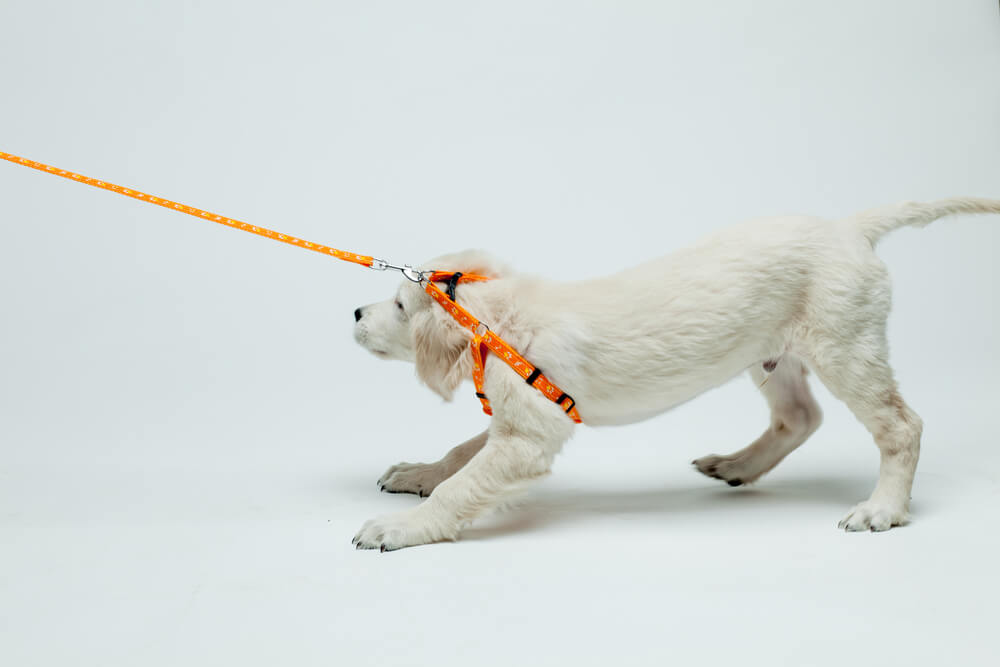
Image Source: blog.myollie.com
Decoding the Reluctance: Why Your Dog Won’t Go Outside
Several factors can contribute to a dog’s unwillingness to venture out. These can range from physical discomfort to psychological distress. Let’s explore the most prevalent reasons:
Physical Discomfort and Pain
One of the most common causes for a dog won’t go outside is physical pain. If your dog associates walking with discomfort, they will naturally try to avoid it.
Joint Pain and Arthritis
Older dogs, or even younger ones with genetic predispositions, can suffer from arthritis or other joint conditions. The impact and repetitive motion of walking can exacerbate their pain.
- Symptoms to Watch For:
- Limping or favoring a limb.
- Stiffness after resting.
- Reluctance to jump or use stairs.
- Vocalization (whining, yelping) during or after movement.
- Hesitation to get up.
Foot and Paw Issues
Your dog’s paws are their connection to the ground. Any problem here can make walking unbearable.
- Common Paw Problems:
- Cuts or abrasions: Sharp objects on the pavement can cause injuries.
- Thorns or splinters: Something stuck in the paw pad.
- Burns: Hot pavement in summer can be extremely painful.
- Cold/Frostbite: Extreme cold can also damage paws.
- Bruised paw pads: From rough terrain or overexertion.
- Interdigital cysts or infections: Between the toes.
Underlying Medical Conditions
Beyond joint issues, other medical problems can make walking difficult or unpleasant.
- Examples:
- Heart conditions: A dog may get tired quickly and experience shortness of breath.
- Respiratory problems: Similar to heart issues, breathing difficulties make exercise challenging.
- Neurological issues: Can affect coordination and balance, making walking unsteady and frightening.
- Gastrointestinal upset: A dog might feel nauseous or have digestive pain that is worsened by movement.
Actionable Step: If you suspect dog pain when walking, a thorough veterinary examination is crucial. Your vet can diagnose the issue and recommend appropriate treatment, such as pain medication, physical therapy, or dietary changes.
Fear and Anxiety
A dog’s emotional state plays a significant role in their willingness to explore the outside world.
General Anxiety
Some dogs are naturally more anxious than others. The outside world can be overwhelming, with its myriad of sights, sounds, and smells.
- Triggers for Anxiety:
- Loud noises (traffic, construction, fireworks).
- Unfamiliar people or animals.
- New environments.
- Past negative experiences.
Fear of the Outdoors or Specific Elements
A dog scared of walking might have specific phobias.
- Common Phobias:
- Weather: Thunderstorms, heavy rain, strong winds.
- Surfaces: Grates, slippery floors, uneven terrain.
- Objects: Bicycles, skateboards, specific types of vehicles.
- Other animals: A previous bad encounter with another dog or a wild animal.
Leash Aggression and Reactivity
If your dog has experienced negative interactions on walks, such as encounters with other dogs or people that made them feel threatened, they might develop leash aggression. This can manifest as barking, lunging, or growling when the leash is on or when they are near triggers. This anxiety around the leash itself can lead to a dog refusing to walk.
Separation Anxiety Manifestations
While typically associated with being left alone, some dogs with severe separation anxiety can exhibit generalized anxiety that extends to leaving the comfort of their home, even with their owner. This can lead to a dog won’t leave house syndrome.
Actionable Step: For dogs with anxiety, a gradual desensitization and counter-conditioning approach is key.
- Start Small: Begin by simply opening the door and letting your dog sniff the air. Reward calm behavior.
- Short Trips: Progress to standing on the porch, then walking a few steps.
- Positive Reinforcement: Use high-value treats and praise to create positive associations with the outdoors and the leash.
- Safe Space: Ensure your dog has a secure and comfortable space indoors.
- Professional Help: For severe anxiety or leash aggression, consult a certified professional dog trainer or a veterinary behaviorist.
Lack of Socialization or Past Negative Experiences
A dog’s early experiences heavily influence their future behavior.
Insufficient Socialization
Puppies need early and positive exposure to a variety of sights, sounds, people, and other animals. If this critical period was missed, a dog might be fearful of anything new or unfamiliar.
Traumatic Events
If a dog has had a frightening experience while on a walk – perhaps being chased by another animal, being hit by a bicycle, or experiencing a loud, sudden noise that caused significant distress – they will likely associate walks with that trauma. This can lead to a dog scared of walking.
Actionable Step: Re-socialization and confidence-building exercises are necessary.
- Controlled Introductions: Expose your dog to new stimuli in a controlled and positive manner, always at a distance they are comfortable with.
- Gradual Exposure: Slowly decrease the distance to triggers as your dog shows more confidence.
- Build Trust: Use positive reinforcement and avoid forcing your dog into situations that cause fear.
Environmental Factors
Sometimes, the walk itself or the environment can be the deterrent.
Weather Conditions
As mentioned earlier, extreme weather can be a major factor.
- Hot Pavement: Can cause painful burns.
- Icy Surfaces: Can be slippery and frightening, or cause paw discomfort.
- Heavy Rain or Snow: Some dogs simply dislike getting wet or cold.
- Strong Winds: Can carry unusual scents and sounds that unsettly a dog.
Unpleasant Walking Routes
If the usual walking route is consistently unpleasant for your dog, they may start to refuse.
- Too Busy: Constant loud traffic, crowds of people, or boisterous dogs.
- Lack of Stimulation: A boring, uneventful route might not be motivating.
- Unfamiliarity: Some dogs prefer predictable routes.
Poorly Fitted Equipment
The gear you use can make a big difference.
- Tight Collars or Harnesses: Can restrict movement and cause discomfort.
- Choke or Prong Collars: Can be painful and associated with punishment, leading to negative associations with walking.
- Leash Tangling: A leash that frequently gets tangled can be frustrating and frightening.
Actionable Step:
- Monitor Weather: Walk during cooler parts of the day in summer. Consider dog booties for extreme heat or cold.
- Vary Routes: Explore different parks or trails that might be less overwhelming or more stimulating.
- Check Gear: Ensure collars and harnesses fit correctly and are comfortable. Opt for humane training tools like front-clip harnesses.
Lack of Motivation or Energy
Sometimes, the reason is simpler than complex anxieties or pain.
Tiredness
A dog tired during walk might be overexerted, or perhaps they simply haven’t had enough rest.
- Overexertion: Especially common with puppies or older dogs, or if the walk is too long or intense.
- Underlying Health Issues: As mentioned, heart or lung problems can lead to fatigue.
Lack of Stimulation or Boredom
If walks are always the same, or if the dog is not engaged, they may lose interest.
Age-Related Changes
Very young puppies are still building stamina and might need shorter, more frequent outings. Senior dogs naturally have less energy and may experience increasing discomfort.
Actionable Step:
- Adjust Walk Length and Intensity: Tailor walks to your dog’s age, breed, and fitness level.
- Make Walks Engaging: Use interactive toys, play recall games, or practice training cues during the walk to keep your dog mentally stimulated.
- Consider Other Forms of Exercise: If walks are becoming too difficult, explore swimming or scent work as alternatives.
Inconsistent Training and Expectations
A lack of clear communication and consistent rules can also lead to a dog won’t heel or a general reluctance to move.
Unclear Cues
If your dog doesn’t understand what you’re asking them to do (e.g., walk alongside you), they may freeze or pull in different directions.
Punitive Training Methods
Using harsh corrections or punishment when a dog doesn’t perform as expected can create fear and avoidance of the activity. This can contribute to a dog refusing to walk or a dog scared of walking.
Lack of Foundation Training
A dog that hasn’t been taught basic obedience, like responding to their name or a gentle lead, might be more challenging to encourage on a walk.
Actionable Step:
- Positive Reinforcement Training: Focus on rewarding desired behaviors.
- Teach Loose-Leash Walking: Use positive reinforcement to reward your dog for walking calmly beside you.
- Be Patient: Consistency and positive reinforcement are key to overcoming training-related walking issues.
Troubleshooting Your Dog’s Walking Woes: A Step-by-Step Approach
When your dog is actively resisting walks, it’s important to approach the situation systematically.
Step 1: Rule Out Medical Issues
This is the absolute first step. Before assuming it’s behavioral, consult your veterinarian.
- What to Tell Your Vet:
- When did the behavior start?
- Has anything changed in your dog’s environment or routine?
- Are there any visible signs of pain, stiffness, or lameness?
- Has there been any change in appetite or energy levels?
- Describe the specific reluctance (e.g., won’t leave the door, stops after a few steps).
Step 2: Assess Environmental Factors
Once medical issues are ruled out, consider the immediate surroundings.
- Weather Check: Is it too hot, too cold, too wet?
- Surface Check: Is the pavement hot or icy? Are there any sharp objects visible?
- Noise Check: Are there loud or frightening noises happening nearby?
Step 3: Evaluate Equipment and Gear
Your dog’s harness, collar, and leash can impact their comfort and willingness to walk.
- Fit: Ensure everything fits snugly but comfortably. No chafing or pinching.
- Type: Is it a tool that causes discomfort or fear? Consider switching to a front-clip harness or a standard flat collar with a leash.
Step 4: Analyze Behavioral Triggers
Once physical and environmental causes are addressed, focus on the dog’s behavior and potential anxieties.
- Fear Triggers: Identify specific things your dog reacts to (other dogs, people, vehicles, noises).
- Anxiety Indicators: Look for subtle signs like lip licking, yawning, panting, or tail tucking even before leaving the house.
Step 5: Implement Positive Solutions
Based on your assessment, tailor your approach.
Making Walks Appealing Again
- Use High-Value Treats: Make walks rewarding with special treats your dog rarely gets otherwise.
- Incorporate Play: Bring a favorite toy for short play sessions during the walk.
- Change the Scenery: Explore new routes or parks to keep things interesting.
- Social Walks (with caution): If your dog enjoys company, arrange walks with calm, well-behaved canine friends.
Gradual Desensitization and Counter-Conditioning (for Fear/Anxiety)
- Doorway Desensitization: Reward your dog for approaching the door, putting on the leash, and standing near the door.
- Short Outings: Start with very short walks (e.g., to the end of the driveway) and gradually increase duration and distance as your dog remains comfortable.
- Controlled Introductions to Triggers: If your dog fears other dogs, start by walking at a distance where they can see another dog but not react. Reward calm behavior. Gradually decrease the distance.
- Positive Association with Leash: Practice putting on the leash and immediately giving a treat or starting a fun activity (like playing indoors).
Building Confidence
- Obedience Training: Continue practicing basic commands in various environments.
- Puzzle Toys: Engage your dog’s mind with puzzle toys indoors.
- Trick Training: Teach new tricks. This builds a strong bond and boosts confidence.
Addressing Specific Issues
- Dog Won’t Heel:
- Step 1: Reinforce the concept indoors. Reward your dog for walking beside you without pulling.
- Step 2: Add distractions gradually. Start with minor distractions and increase as your dog succeeds.
- Step 3: Use a clear cue. Develop a consistent cue for heeling.
- Dog Tired During Walk:
- Step 1: Assess duration and intensity. Shorten walks if necessary.
- Step 2: Check for underlying health issues. Consult your vet if fatigue is sudden or extreme.
- Step 3: Provide rest breaks. Allow your dog to sit or lie down if they seem weary.
- Dog Won’t Leave House: This often stems from significant anxiety or fear. Employ the desensitization techniques mentioned above, focusing heavily on positive reinforcement and making the departure process as non-threatening as possible. Consider leaving the door open for short periods without expectation of a walk.
Common Scenarios and How to Handle Them
Let’s look at some specific situations and how to apply these principles.
Scenario 1: My Puppy Refuses to Go Outside for Potty Training
Possible Reasons:
- Fear of the Outdoors: They haven’t been socialized to the outside world.
- Bad Weather: Rain or cold can be a deterrent.
- Unpleasant Surface: Grass might feel weird, or pavement too hard.
- No Positive Association: The outside is associated with nothing rewarding.
Solutions:
- Start Indoors: Use puppy pads or an absorbent pee pad indoors.
- Controlled Doorway Exposure: Open the door, give treats for looking outside.
- Short Trips: Carry the puppy outside for a few minutes. Reward any potty attempts.
- Positive Reinforcement: Use enthusiastic praise and a high-value treat immediately after they go potty outside.
- Leash Introduction: Let the puppy wear a lightweight harness and leash indoors to get used to the feeling.
- Choose a Spot: Pick a specific, familiar spot for potty breaks.
Scenario 2: My Adult Dog Suddenly Won’t Walk
Possible Reasons:
- Sudden Pain or Injury: A pulled muscle, a thorn, or a new joint issue.
- Fearful Event: A recent scary encounter on a walk.
- Environmental Change: New construction noise, different people in the neighborhood.
- Anxiety Build-up: Small stressors accumulating over time.
Solutions:
- Immediate Vet Check: Rule out pain or illness first.
- Re-evaluate the Route: Is there something new or unpleasant on the usual path?
- Shorten and Simplify: Go for shorter, less stimulating walks in a familiar, quiet area.
- Positive Reinforcement: Reward any willingness to move.
- Professional Assessment: If the behavior persists, consult a trainer or behaviorist.
Scenario 3: My Dog Pulls Constantly and Refuses to Walk Beside Me
Possible Reasons:
- Lack of Training: They haven’t been taught how to walk on a loose leash.
- Excitement/Anticipation: They are eager to get to a destination.
- Reinforcement of Pulling: If pulling sometimes leads to getting where they want to go, the behavior is reinforced.
- Dog Won’t Heel: This is a specific manifestation of poor loose-leash walking training.
Solutions:
- Teach “Loose Leash” Indoors First: Reward your dog for staying by your side with a slack leash.
- Stop When They Pull: If the leash tightens, stop walking. Only resume when the leash slackens.
- Change Direction: When they pull, turn and walk the other way.
- Reward Station Keeping: When they are in the correct position (by your side with a loose leash), reward them frequently.
- Front-Clip Harness: Can help redirect pulling by turning the dog back towards you.
Frequently Asked Questions (FAQ)
Q: My dog won’t walk on wet grass. Is this normal?
A: Yes, some dogs dislike the sensation of wet grass on their paws. You can try to dry their paws before going out, or use dog booties if the weather is consistently damp. Encouraging them with treats for stepping on wet grass might help over time.
Q: My dog is scared of walking in the dark. What can I do?
A: Gradually introduce them to walking in low light conditions. Start with dusk, then progress to early evening. Use a flashlight, and ensure the path is clear. High-value treats and praise will help build positive associations.
Q: How long should a puppy’s walk be?
A: A general guideline is 5 minutes per month of age, twice a day. For example, a 3-month-old puppy could handle two 15-minute walks. Always monitor for signs of fatigue.
Q: My dog seems to be in dog pain when walking, but shows no outward signs of injury. What could it be?
A: This is a common scenario for internal pain, such as arthritis or hip dysplasia. Subtle lameness, stiffness, or reluctance to put weight on a limb might be the only signs. A veterinary examination is essential to diagnose such issues.
Q: Can leash aggression make my dog refuse to walk at all?
A: Yes. If a dog has had negative experiences that created anxiety around the leash or the act of walking with a leash, they may develop a strong aversion to it, leading to a complete refusal to go outside or walk.
Conclusion
A dog that won’t walk can be a puzzle, but with careful observation and a systematic approach, you can often pinpoint the reason. Whether it’s physical discomfort, fear, lack of training, or environmental factors, patience and positive reinforcement are your greatest allies. Always prioritize your dog’s well-being by consulting your veterinarian for any suspected pain and a qualified professional for persistent behavioral issues. By addressing the root cause, you can help your dog regain their confidence and enjoyment of those precious outdoor adventures.